
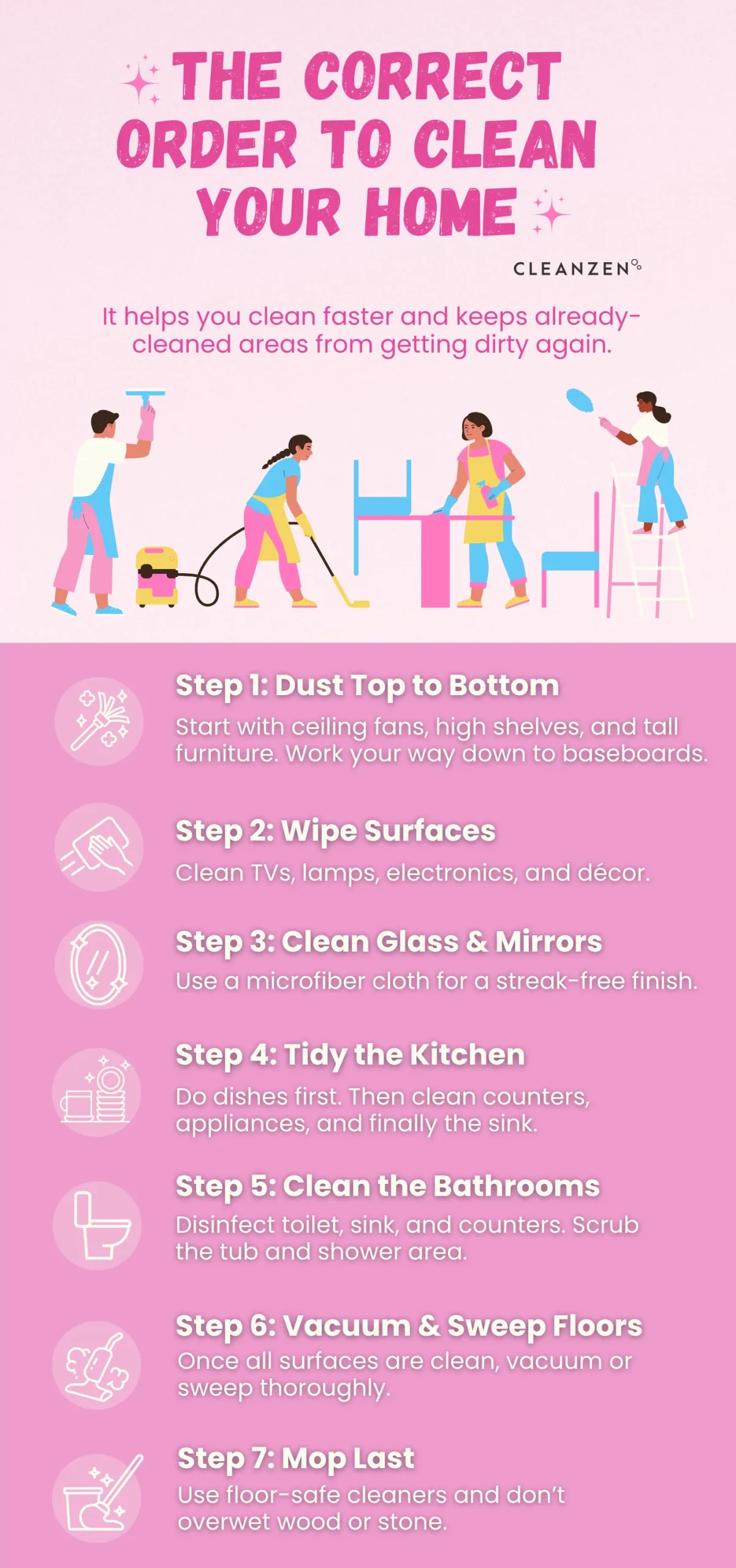
Have you ever wondered which part of your kitchen you should clean last? It might seem like a small detail, but the order you clean your kitchen can make a big difference.
Cleaning in the right sequence saves time, prevents re-contamination, and leaves your kitchen sparkling. If you want to make your cleaning routine easier and more effective, keep reading. By the end, you’ll know exactly where to finish so your kitchen stays fresh and spotless longer.
Common Kitchen Cleaning Mistakes
Cleaning the kitchen may seem easy, but common mistakes can reduce its effectiveness. These errors waste time and leave some areas dirty. Avoiding them helps keep your kitchen fresh and safe. Focus on the right cleaning order and thoroughness.
Skipping The Final Cleanup
Many stop cleaning too soon. They miss wiping down surfaces after cleaning appliances and floors. This leaves dust and crumbs behind. The final cleanup removes leftover dirt and gives a polished look. It prevents germs from spreading and keeps the kitchen hygienic.
Cleaning Order Impact
The cleaning order affects the overall result. Starting with dirty areas first spreads grime to cleaner spots. It also wastes effort by cleaning the same area twice. Begin with high surfaces and end with floors. Clean appliances and counters in the middle. This method saves time and improves cleanliness.
Credit: www.housework.com
High-traffic Areas To Prioritize
High-traffic areas in the kitchen get dirty fast. These spots need more attention to keep the kitchen clean and safe. Cleaning these areas last ensures you finish with the most used parts, leaving your kitchen fresh and ready.
Countertops And Prep Zones
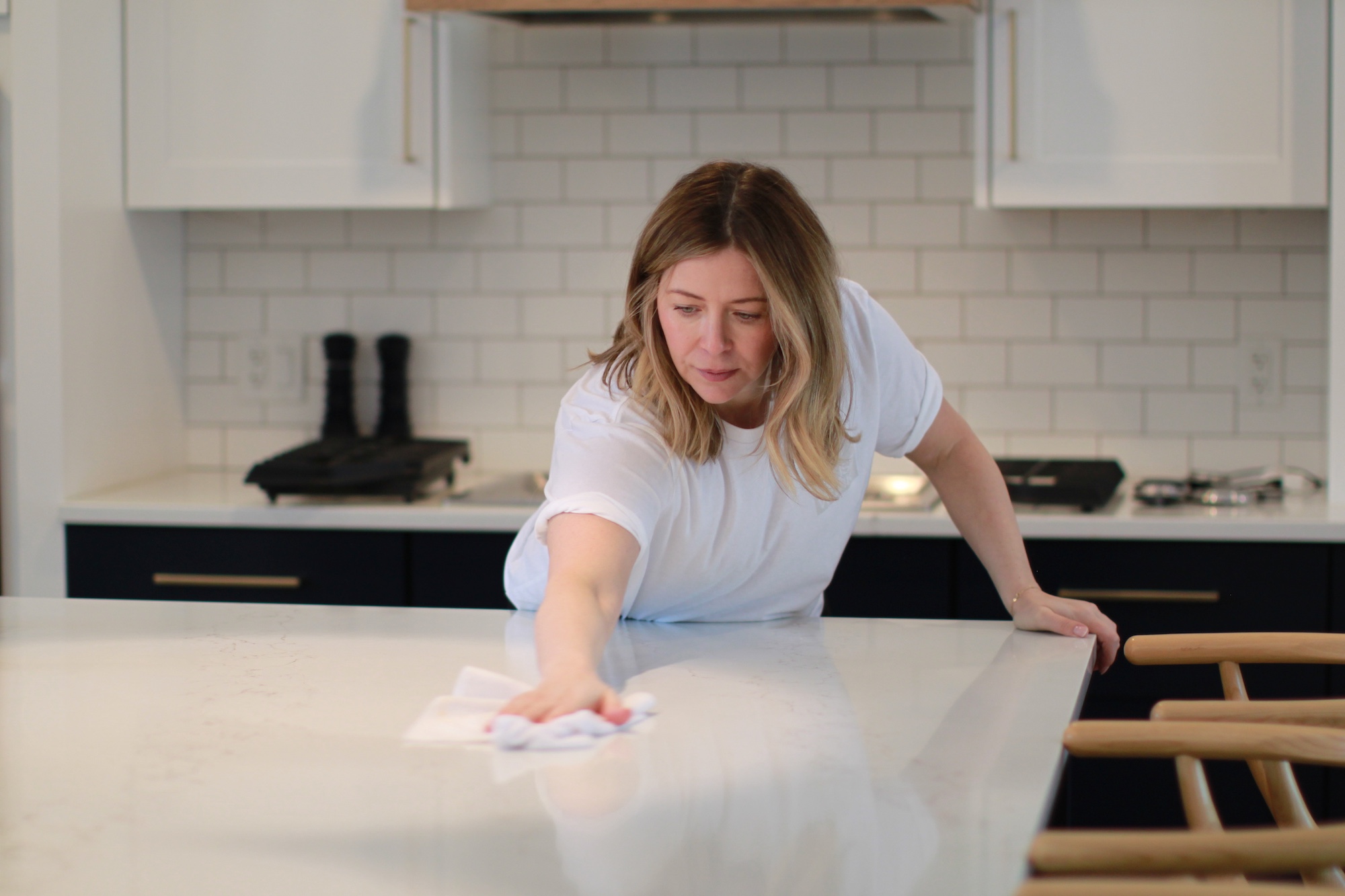
Countertops and prep zones hold food and tools. They collect crumbs, spills, and bacteria. Wipe these surfaces with a strong cleaner to remove germs. Use a fresh cloth or sponge to avoid spreading dirt. Clean these areas last to avoid re-contaminating other spaces.
Sink And Faucet
The sink and faucet are contact points for water and food waste. They often have bacteria and grime. Scrub the sink basin and faucet handles well. Use disinfectant to kill germs. Dry with a clean towel to prevent water spots and mold.
Stove And Oven
The stove and oven get greasy and dirty from cooking. Clean spills and food particles to prevent buildup. Use a degreaser for tough stains. Wipe down knobs and handles to remove grease. Finish by cleaning these areas last to keep your kitchen hygienic.
Why Some Areas Should Be Cleaned Last
Knowing which part of the kitchen to clean last is important. Some areas should be cleaned after others to keep the kitchen safe and fresh. Cleaning in the right order helps stop germs from spreading. It also keeps surfaces clean for longer. Understanding why some areas come last improves your cleaning routine.
Avoiding Cross-contamination
Cross-contamination spreads germs from one place to another. Cleaning dirty areas first stops germs from moving to clean spots. For example, washing the sink before countertops can carry bacteria. Cleaning the sink last prevents this spread. This way, clean surfaces stay safe and free from germs.
Maintaining Clean Surfaces Longer
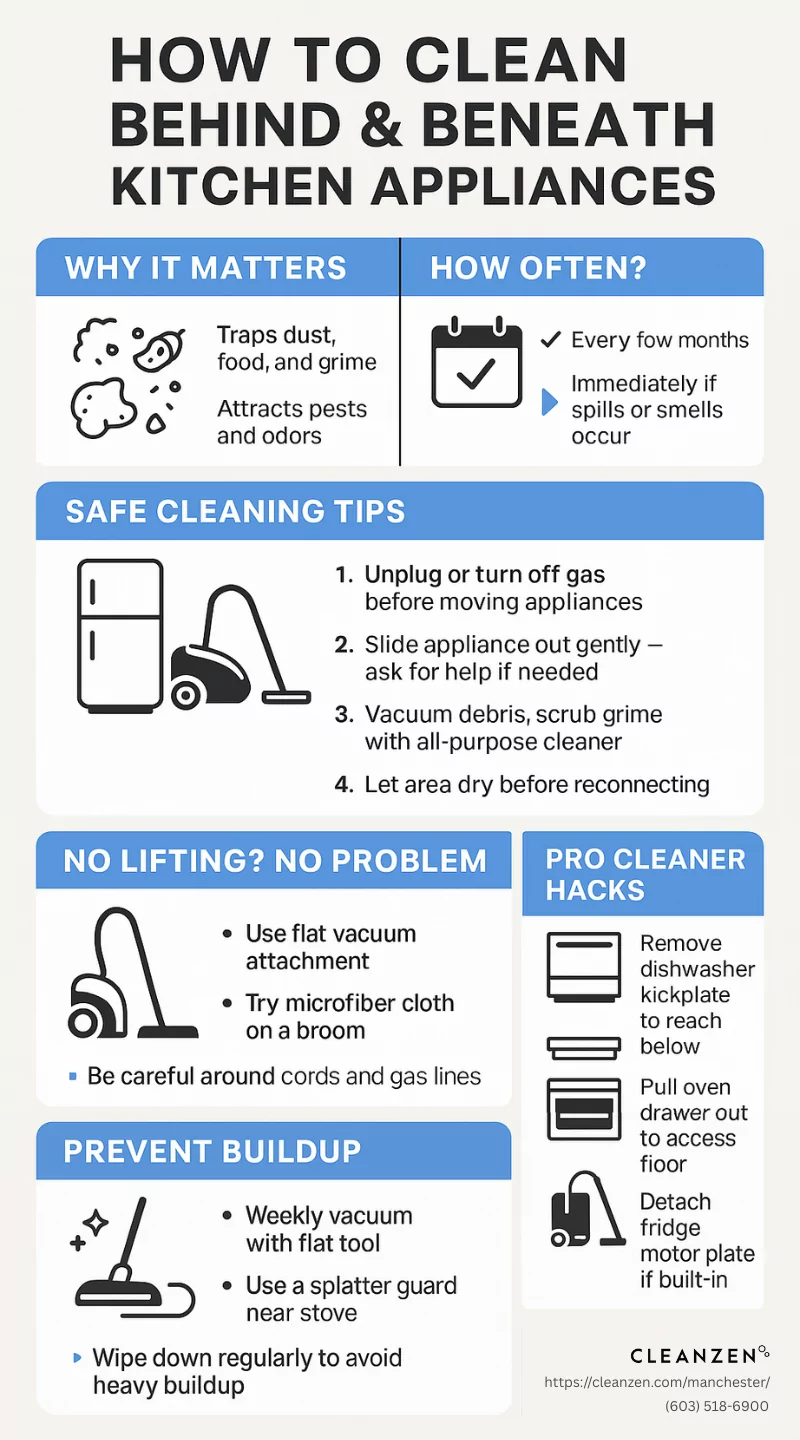
Some kitchen areas stay cleaner longer if they are cleaned last. High-touch spots like countertops and stove tops get dirty fast. Cleaning these areas last means they stay fresh while you finish other tasks. This approach saves time and keeps your kitchen looking neat for longer periods.
Credit: cleanzen.com
Experts’ Recommended Cleaning Sequence
Keeping a kitchen clean is crucial for hygiene and comfort. Experts suggest a particular cleaning sequence for efficiency. This approach ensures every part is spotless. Let's explore the recommended sequence.
Starting With Less Used Areas
Begin with less used areas like cabinets and shelves. These spots collect less dirt and require less effort. Clean them first to avoid spreading dirt later. Wipe down surfaces and remove dust. This sets a clean foundation for the rest.
Focusing On Heavy Use Zones
Next, tackle the heavy use zones like countertops and sinks. These areas gather the most grime and need thorough cleaning. Use appropriate cleaners for each surface. Disinfect sinks and scrub countertops well. Pay attention to high-touch spots like handles and switches.
Ending With Floors And Trash
Finish by cleaning the floors and taking out the trash. Sweep or vacuum floors to remove debris. Mop with a suitable cleaner for a fresh finish. Empty the trash bin and replace liners. This leaves the kitchen smelling clean and fresh.
Tips For Efficient Kitchen Cleaning
Cleaning the kitchen can feel like a big task. Planning helps finish faster and better. Use simple tips to keep your cleaning smooth and effective. Focus on tools, products, and smart work habits.
Using The Right Tools
Choose tools that fit each cleaning job. A good sponge, scrub brush, and microfiber cloth work well. Use a mop for the floor and a vacuum for crumbs. Keep tools clean to avoid spreading dirt.
Cleaning Products To Consider
Pick products that are safe and strong enough. Mild detergents work well for daily cleaning. Use disinfectants for cutting boards and counters. Natural options like vinegar can clean and shine surfaces safely.
Time-saving Strategies
Clean from top to bottom to avoid re-cleaning. Start with dry tasks before wet ones. Let cleaning products sit a few minutes for better results. Work in small sections to stay organized and quick.
:max_bytes(150000):strip_icc()/ar-kseniyaovchinnikova-606d1fdca9ee48a39d0b90a11064826b.jpg)
Credit: www.allrecipes.com
Frequently Asked Questions
Which Kitchen Area Should Be Cleaned Last?
The kitchen floor should be cleaned last. This prevents dirt and debris from spreading onto freshly cleaned surfaces. Cleaning countertops, appliances, and cabinets first keeps them spotless.
Why Clean The Kitchen Floor Last?
Cleaning the floor last avoids re-contaminating other areas. Dust and spills fall to the floor during cleaning. Finishing with the floor ensures a thorough, hygienic kitchen.
Is It Best To Clean Appliances Before Cabinets?
Yes, clean appliances before cabinets. Appliances attract grease and grime that can drip onto cabinets. This order keeps cabinets cleaner and reduces re-cleaning.
Should Countertops Be Cleaned Before The Sink?
Yes, clean countertops before the sink. Countertops accumulate crumbs and spills that can flow into the sink. Cleaning countertops first minimizes cross-contamination and improves hygiene.
Conclusion
Cleaning the kitchen in the right order saves time and effort. Start with less dirty areas first. Save the sink or stove for last, as they get the dirtiest. This way, you avoid spreading germs and mess around. A clean kitchen feels fresh and inviting.
Stick to this simple routine for easier cleaning. Keep your kitchen healthy and tidy every day. Small habits make a big difference. Try cleaning smart, not hard.