
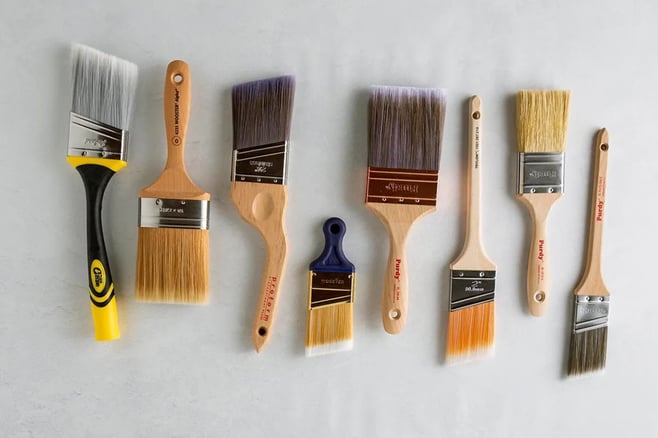
Choosing the right paint brush for your kitchen cabinets can make all the difference between a smooth, professional finish and a frustrating, messy project. You want your cabinets to look fresh and flawless, but picking the wrong brush can leave streaks, bristles in the paint, or uneven coverage.
If you’re ready to transform your kitchen with a fresh coat of paint, understanding which brush works best for your cabinets will save you time, effort, and disappointment. Keep reading, and you’ll discover exactly what type of paint brush will give your kitchen cabinets that perfect, lasting look you’re aiming for.

Credit: harrisbrushes.com
Choosing The Right Brush Material
Choosing the right brush material is essential for achieving a smooth, professional finish on your kitchen cabinets. The type of bristles affects how the paint applies and dries, which in turn impacts the durability and look of your cabinets. Understanding the differences between natural, synthetic, and hybrid brushes can help you make the best choice for your project.
Natural Bristle Brushes
Natural bristle brushes are made from animal hair, usually hog or badger. They hold more paint and create a smooth finish, especially with oil-based paints. However, they tend to absorb water, which can cause the bristles to swell and lose shape when used with water-based paints.
If you prefer a traditional brush feel and are working with oil-based or varnish paints, natural bristles might be your go-to. But ask yourself: will your paint type match the brush material? Using the wrong brush can leave you with uneven strokes and bristle shedding.
Synthetic Bristle Brushes
Synthetic brushes use nylon, polyester, or a blend of both. They work well with both water-based and oil-based paints without losing their shape. These brushes are durable, easy to clean, and resist wear over time, making them perfect for kitchen cabinets that need a smooth finish with minimal brush marks.
Think about the type of paint you plan to use. If it’s water-based, synthetic brushes will give you better control and a cleaner finish. Plus, they dry faster, so you can apply multiple coats without waiting too long.
Hybrid Brushes
Hybrid brushes combine natural and synthetic bristles, aiming to deliver the best of both worlds. They provide the paint-holding capacity of natural bristles with the durability and versatility of synthetics. This balance can offer a smooth application on various paint types, especially if you’re unsure which paint you’ll use.
Have you ever struggled with a brush that was perfect for one paint but terrible for another? A hybrid brush can be a smart investment if you want flexibility without sacrificing quality. It’s worth testing one on a small cabinet door to see if it meets your needs before committing to a full set.
Credit: www.cabinetnow.com
Brush Shapes And Their Uses
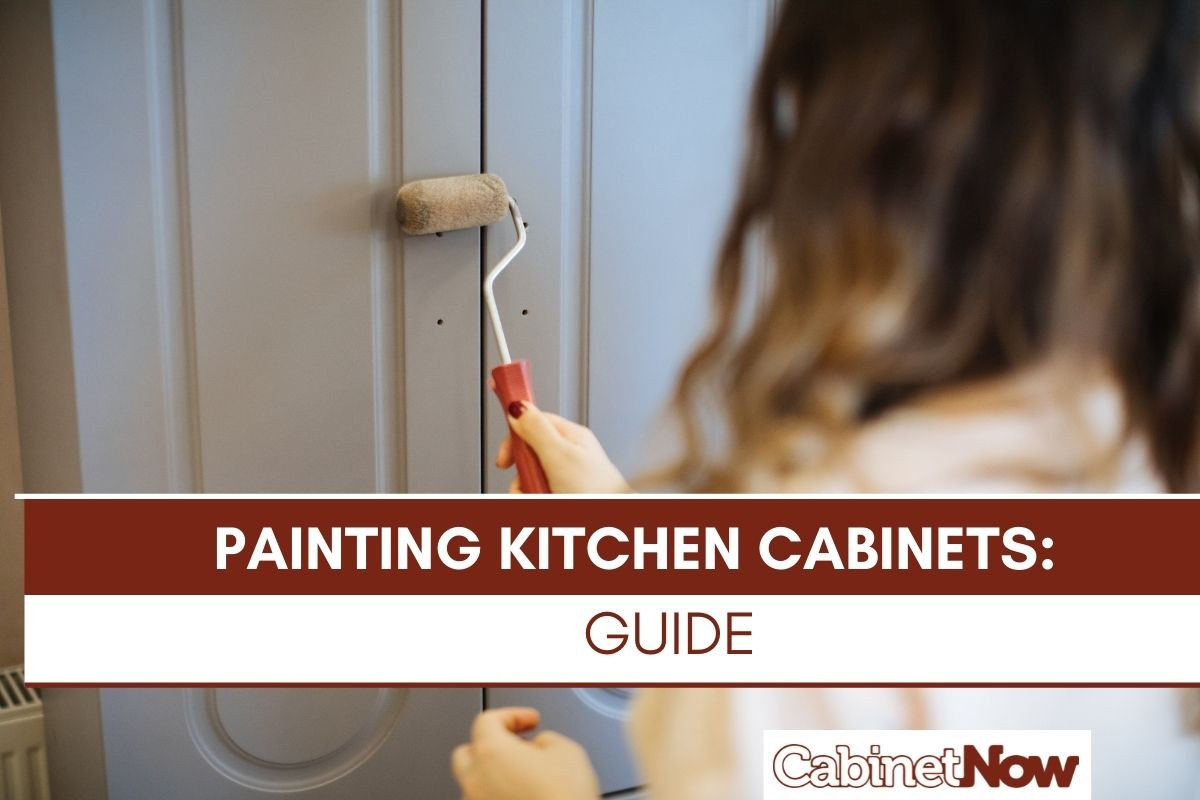
Choosing the right brush shape can make a huge difference in how your kitchen cabinets turn out. Each shape offers unique control and finish quality, so understanding their uses helps you paint with precision and confidence.
Flat Brushes
Flat brushes have a broad, straight edge that covers large surfaces quickly. They are perfect for painting the flat panels of your cabinets, ensuring smooth and even coverage. If you want to save time without sacrificing finish quality, a flat brush is your go-to tool.
One tip from my experience: use a high-quality flat brush with synthetic bristles to avoid streaks and bristle loss. Have you noticed how some brushes shed mid-project? Choosing the right flat brush prevents that hassle.
Angled Brushes
Angled brushes feature bristles cut at a slant, making them ideal for cutting in and reaching tight corners. They work great around cabinet edges and inside corners where flat brushes struggle. This shape helps you achieve sharp, clean lines without tape.
Try using an angled brush when painting cabinet frames or moldings. It gives you control that feels almost like drawing with a pencil. Do you find precision tricky with a flat brush? An angled one might be the solution.
Round Brushes
Round brushes have a pointed tip and are less common for cabinets but very useful for detail work. Use them to tackle small crevices, decorative trim, or intricate designs on your cabinets. They let you add perfect touch-ups without disturbing surrounding paint.
When I painted my kitchen, the round brush saved me during the final pass for touch-ups. It’s your best friend for hard-to-reach spots. What small details in your cabinets could benefit from this brush’s precision?
Brush Sizes For Kitchen Cabinets
Choosing the right brush size is key for painting kitchen cabinets well. Different parts of cabinets need different brush sizes to get smooth, clean results. Using the correct brush helps reach tight spots and cover large areas with ease.
Small Brushes For Detail Work
Small brushes work best for corners, edges, and intricate designs. They fit perfectly into narrow spaces and around hardware. These brushes usually range from 1 to 2 inches wide. Small brushes give precise control and prevent paint from spreading outside the lines.
Medium Brushes For Panels
Medium brushes are ideal for cabinet panels and recessed areas. Sizes between 2.5 and 3 inches are common. They cover more surface than small brushes but still allow good control. Medium brushes help paint evenly on raised or flat panel sections without streaks.
Large Brushes For Flat Surfaces
Large brushes are suited for broad, flat cabinet surfaces like doors and drawer fronts. Brushes 3.5 to 4 inches wide speed up the painting process. They hold more paint and create smooth finishes on wide areas. Large brushes reduce brush marks and make painting faster.
Matching Brushes To Paint Types
Choosing the right paint brush for your kitchen cabinets depends heavily on the type of paint you plan to use. Matching your brush to the paint ensures smooth application, better coverage, and a professional finish. Using the wrong brush can lead to streaks, bristles in the paint, or uneven drying, which nobody wants on their kitchen cabinets.
Latex Paint Brushes
Latex paint is water-based and requires brushes made with synthetic bristles like nylon or polyester. These bristles hold their shape well and resist water absorption, preventing the brush from becoming limp during use.
You’ll notice that synthetic brushes glide smoothly over surfaces, reducing brush marks and speeding up your project. Have you tried using a natural bristle brush with latex paint? It usually sheds bristles and ruins your finish.
Oil-based Paint Brushes
Oil-based paints are thicker and need brushes with natural bristles, often made from animal hair like hog or badger. These bristles are stiffer and better at holding the oil-based paint without dripping.
Using natural bristle brushes helps you achieve a rich, even coat with fewer strokes. If you want a glossy, durable finish on your cabinets, this brush type is your go-to.
Chalk Paint Brushes
Chalk paint is known for its matte, velvety finish and works well with a variety of brush types, but natural bristle brushes or specially designed chalk paint brushes usually give the best results.
These brushes help you create that distinctive textured look without overworking the paint. Do you prefer a smooth or textured finish on your cabinets? The brush choice will influence this more than you might expect.
Tips For Maintaining Your Brushes
Taking care of your paint brushes after painting kitchen cabinets can save you money and improve your next project’s quality. Proper maintenance keeps the bristles in shape and prevents leftover paint from ruining your tools. Knowing how to clean, store, and extend the life of your brushes will help you get the best results every time.
Cleaning Techniques
Rinse your brush immediately after use with warm water if you’re using water-based paint. For oil-based paints, use mineral spirits or paint thinner to remove the paint thoroughly.
Don’t just rinse; gently work the bristles with your fingers or a brush comb to remove trapped paint. Avoid soaking brushes for too long, as this can loosen the bristles and damage the handle.
Storage Suggestions
Store your brushes flat or hang them with the bristles pointing down to prevent them from bending or deforming. Avoid leaving brushes resting on their bristles, which can cause them to splay out and become unusable.
If you want to take a break during a project, wrap your brush tightly in plastic wrap or aluminum foil to keep it from drying out. This simple trick saved me from washing brushes multiple times during one painting session.
Extending Brush Life
- Use a brush conditioner or mild soap after cleaning to keep bristles soft and flexible.
- Avoid applying too much pressure when painting, which can cause bristles to fall out or bend.
- Reserve your best brushes for detailed work and use cheaper ones for rough surfaces.
Ever noticed how a worn brush ruins your smooth finish? Taking a few extra minutes to care for your brushes can improve your painting experience and keep your cabinets looking great longer.
Credit: www.familyhandyman.com
Common Mistakes To Avoid
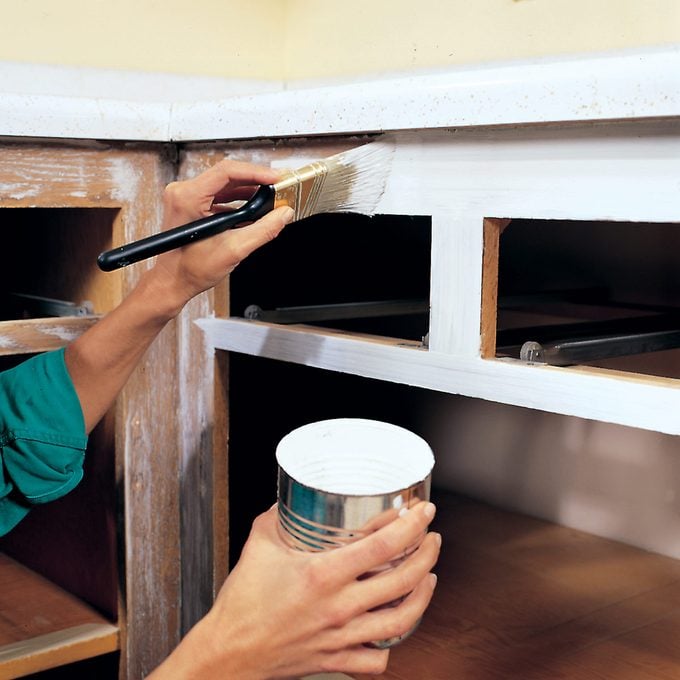
Choosing the wrong brush can cause streaks and uneven paint on kitchen cabinets. Avoid brushes with stiff bristles that damage surfaces or soft ones that shed. Picking the right brush ensures smooth, clean finishes every time.
When painting kitchen cabinets, some mistakes can hinder your success. Avoiding these errors ensures a smooth, professional finish. Let's explore common pitfalls and learn how to sidestep them.
Using The Wrong Brush Material
Choosing the wrong brush material can affect the paint job. Natural bristles work well with oil-based paints. Synthetic bristles suit water-based paints. Use the right brush for your paint type. This ensures a smooth, even coat.
Neglecting Brush Care
Brushes need proper care to last longer. Clean them immediately after use. Use water for water-based paints. Mineral spirits work for oil-based paints. Store brushes flat or hanging to keep their shape.
Ignoring Surface Preparation
Surface prep is crucial before painting. Clean cabinets with soap and water. Sand the surface to remove old paint and smooth it out. Use primer to help paint adhere better. This step prevents peeling and ensures durability.
Frequently Asked Questions
What Brush Type Is Best For Kitchen Cabinet Painting?
A synthetic bristle brush works best for kitchen cabinets. It offers smooth application and is ideal for water-based paints. It minimizes streaks and provides a clean finish for cabinetry.
Can I Use Foam Brushes On Kitchen Cabinets?
Foam brushes can be used but are less durable. They provide a smooth finish but may wear out quickly. For a flawless look, synthetic bristle brushes are preferred.
Should I Choose A Angled Or Flat Brush?
Angled brushes are great for cutting in edges and corners. Flat brushes cover large surfaces evenly. For kitchen cabinets, use a combination of both for best results.
How Do I Maintain Brushes After Painting Cabinets?
Clean brushes immediately with warm soapy water for water-based paint. For oil-based paint, use mineral spirits. Proper cleaning extends brush life and ensures better future performance.
Conclusion
Choosing the right paint brush makes a big difference for kitchen cabinets. A good brush helps paint go on smooth and even. Synthetic brushes work well with most paints and are easy to clean. Use a small angled brush for corners and details.
Take your time and paint carefully for the best results. With the right brush, your cabinets will look fresh and neat. Enjoy your updated kitchen with confidence. Painting can be simple and rewarding with the right tools.