
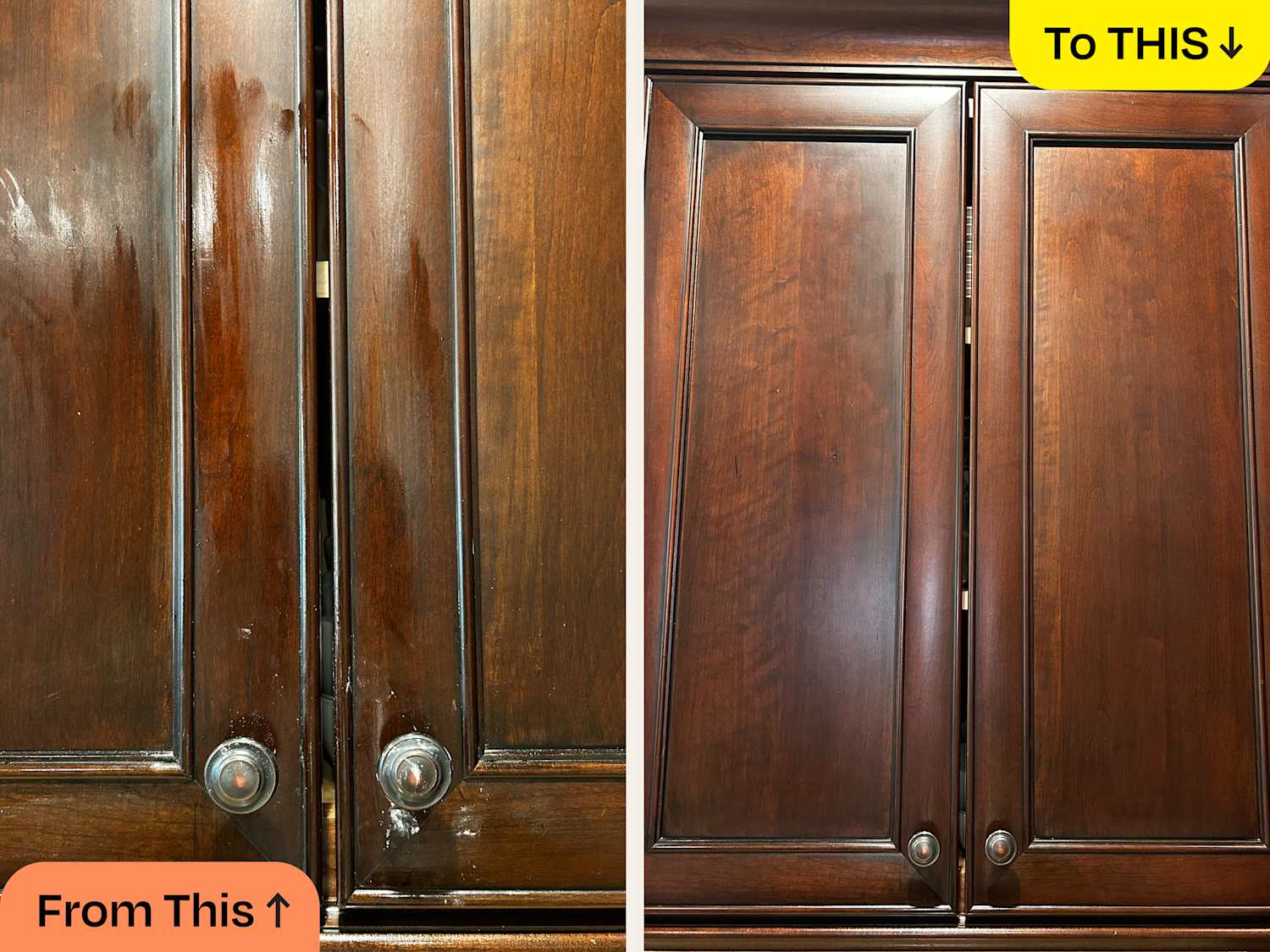
Are your kitchen cabinets looking dull, sticky, or just plain dirty? Finding the best cleaning solution for your kitchen cabinets can make all the difference in keeping your space fresh and inviting.
You want something that works well, is safe for your surfaces, and doesn’t take forever to use. You’ll discover simple, effective cleaning options that protect your cabinets and bring back their shine. Keep reading to learn how to make your kitchen look its best without any hassle.
Credit: www.cabinetdoors.com
Types Of Kitchen Cabinet Materials
Knowing the type of material your kitchen cabinets are made from is key to choosing the best cleaning solution. Different materials react differently to cleaners, and using the wrong one can cause damage or dull the finish. Understanding these materials helps you protect your cabinets and keep them looking great longer.
Wood Cabinets
Wood cabinets are classic and add warmth to any kitchen. They can be solid wood or plywood with a wood veneer. Since wood is porous, it can absorb moisture and stains, so you need a gentle cleaner that won’t strip away the finish.
Using soap and water with a soft cloth usually works well. Avoid harsh chemicals or abrasive scrubbing, which can damage the wood’s surface. Have you noticed how wood cabinets develop a natural patina over time? That’s why regular, mild cleaning is better than deep scrubbing.
Laminate Cabinets
Laminate cabinets have a thin plastic layer glued over particleboard or MDF. They are durable and resist stains and scratches better than wood. You can clean laminate cabinets with a mild detergent and water without worrying about water damage.
Still, avoid abrasive scrubbers that can scratch the laminate. A mixture of vinegar and water is a good natural cleaner if you want to avoid chemicals. Have you tried wiping your laminate cabinets with a microfiber cloth? It often removes grime without scratching.
Thermofoil Cabinets
Thermofoil cabinets are made by applying a vinyl film over MDF, giving a smooth, uniform appearance. They handle moisture better than regular wood but can peel or bubble if exposed to excessive heat or harsh chemicals.
Use gentle, non-abrasive cleaners and avoid soaking these cabinets. A simple mix of dish soap and warm water usually does the trick. Have you noticed any peeling or bubbling on your thermofoil cabinets? If so, steer clear of strong solvents to prevent further damage.
Metal Cabinets
Metal cabinets offer a sleek, modern look and are very durable. Stainless steel is a popular choice, and it resists stains and heat well. However, metal surfaces show fingerprints and smudges easily.
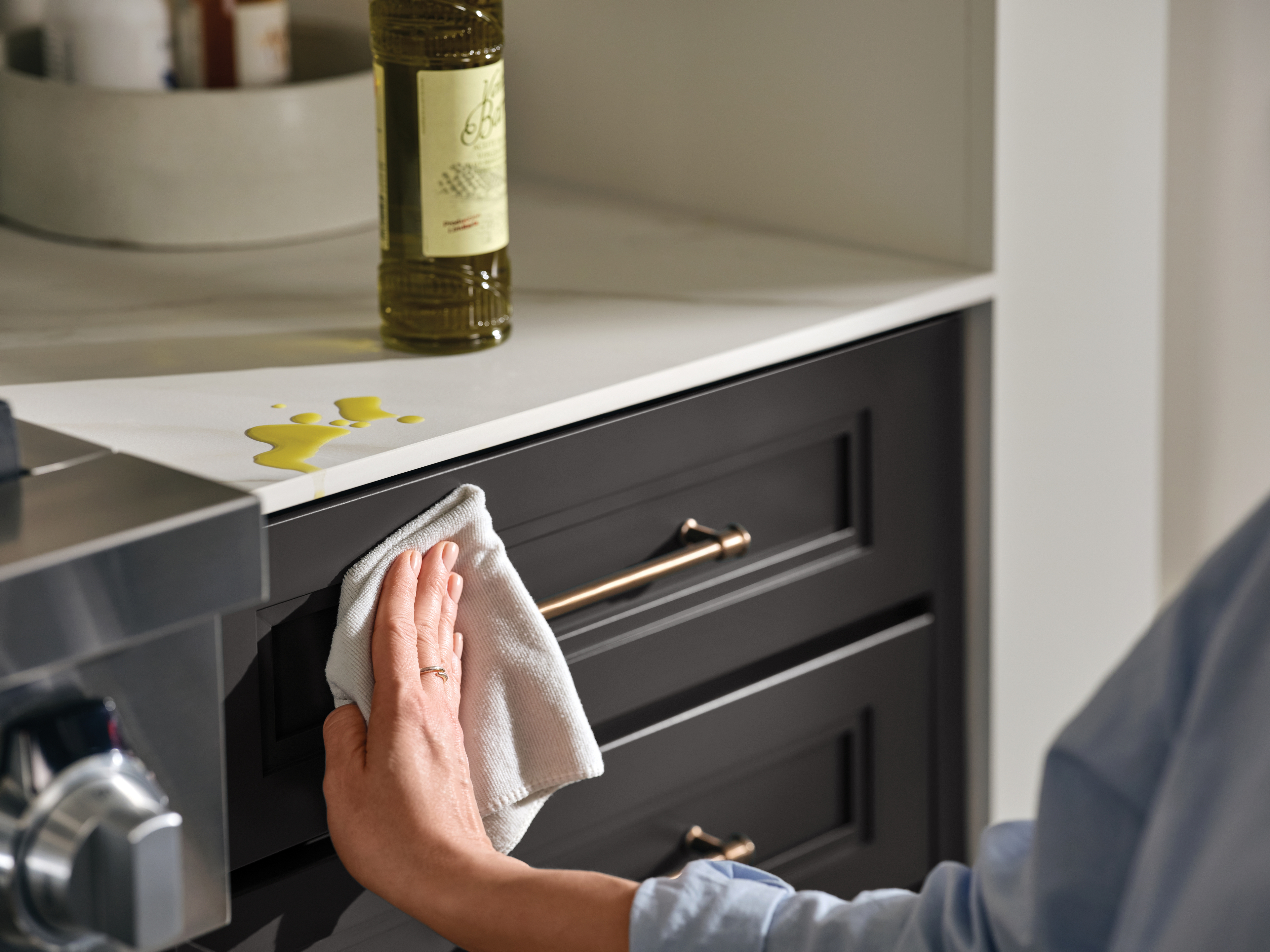
You can clean metal cabinets with a mild detergent or a specialized stainless steel cleaner. Use a soft cloth to avoid scratching the surface. Ever tried buffing your metal cabinets with a bit of olive oil? It can help reduce fingerprints and add shine.
Common Kitchen Cabinet Stains
Kitchen cabinets face many types of stains every day. These stains come from cooking, spills, and moisture. Knowing the common stains helps to pick the right cleaning solution. Proper cleaning keeps cabinets looking fresh and new.
Grease And Oil
Grease and oil stains are the toughest on kitchen cabinets. They come from cooking splatters and oily hands. These stains leave sticky, shiny spots that attract dirt. Regular soap often cannot remove them fully.
Water Spots
Water spots appear from splashes and wet cloths. Hard water leaves behind mineral deposits. These spots make cabinets look dull and uneven. Wiping with a dry cloth helps, but some spots need special cleaners.
Food Residue
Food residue includes crumbs, sauces, and sticky bits. These stains can harden if not cleaned quickly. They cause unpleasant smells and can attract pests. Gentle scrubbing with mild cleaner works best.
Mold And Mildew
Mold and mildew grow in damp, dark kitchen corners. They cause black or greenish patches on cabinets. These stains can damage wood and harm health. Using a solution with antifungal properties removes them safely.
Popular Cleaning Solutions
Choosing the right cleaning solution for your kitchen cabinets can make a huge difference in maintaining their look and durability. You want something effective but gentle enough to avoid damage. Let’s look at some popular options that many homeowners trust to keep their cabinets spotless and fresh.
Natural Cleaners
Natural cleaners often use ingredients you already have at home. Vinegar, lemon juice, and baking soda are common favorites. These options are gentle on wood and laminate surfaces and safe around kids and pets.
For instance, mixing equal parts water and white vinegar creates a powerful yet mild cleaner that cuts grease without harsh chemicals. Have you tried wiping your cabinets with lemon juice? Its natural acidity helps break down grime and leaves a fresh scent behind.
Commercial Cleaners
Commercial cleaners come in many varieties, from sprays to wipes, designed specifically for kitchen cabinets. They often contain ingredients tailored to remove tough stains and grease buildup quickly.
Look for products labeled safe for wood or the material your cabinets are made of. Some brands offer antibacterial properties, which can be helpful in a busy kitchen. But be cautious—some commercial cleaners contain strong chemicals that might strip finishes if used too often.
Diy Cleaning Mixtures
Making your own cleaning mixture can save money and let you control what touches your cabinets. A popular DIY blend includes a few drops of dish soap mixed with warm water.
This simple solution is effective against everyday dirt and easy to rinse off. Adding a teaspoon of olive oil to the mix can even help condition wooden cabinets while you clean. What’s your favorite homemade recipe for tackling kitchen messes?
Credit: www.kraftmaid.com
Cleaning Methods By Cabinet Type
Different cabinet materials need specific cleaning solutions to keep them looking fresh. Gentle soap and water work well for most surfaces, while wood cabinets benefit from oil-based cleaners. Avoid harsh chemicals to protect finishes and maintain cabinet quality.
Cleaning your kitchen cabinets requires a tailored approach. Different materials need specific care. This ensures they remain in good condition and last longer. Let's explore the best methods for cleaning each type of cabinet.
Wood Cabinet Cleaning Tips
Wood cabinets need gentle care. Use a soft cloth and warm, soapy water. Wipe the surface, then dry immediately. Avoid harsh chemicals. They can damage the wood's finish. For stubborn stains, mix vinegar and water. Apply the solution gently. Always test on a small area first.
Laminate Cabinet Cleaning Tips
Laminate cabinets are easy to clean. Use a microfiber cloth with a mild detergent. Avoid abrasive cleaners. They can scratch the surface. For grease, a mixture of baking soda and water works well. Rinse with a damp cloth and dry thoroughly.
Thermofoil Cabinet Cleaning Tips
Thermofoil cabinets have a plastic coating. They resist stains but need gentle cleaning. Use a damp cloth and mild soap. Rinse and dry the surface. Avoid high heat sources. They can cause the foil to peel. For tough spots, a bit of vinegar in water is safe.
Metal Cabinet Cleaning Tips
Metal cabinets need a non-abrasive cleaner. Mix dish soap with warm water. Apply using a soft cloth. Rinse with clean water and dry to prevent rust. For shine, use a metal polish occasionally. Avoid chlorine-based cleaners. They can cause corrosion.
Safety Tips For Cleaning Cabinets
Cleaning your kitchen cabinets might seem straightforward, but safety should always be your top priority. Using the wrong cleaning products or neglecting safety precautions can lead to damage or even health risks. Understanding how to protect yourself and your cabinets will make the process smoother and more effective.
Protective Gear
Always wear gloves to protect your skin from harsh chemicals found in many cleaning solutions. If you’re using sprays or products with strong fumes, goggles can shield your eyes from irritation.
Have you ever felt your skin tighten or eyes sting after cleaning? That’s a clear sign to suit up before you start. Simple protective gear can save you from discomfort and potential allergic reactions.
Avoiding Damage
Not every cleaner is safe for all cabinet finishes. Test a small, hidden spot before applying any solution across the entire surface.
Avoid abrasive scrubbers that can scratch or dull your cabinets. Instead, opt for soft cloths or sponges to keep the finish intact. Do you know what type of finish your cabinets have? This knowledge helps you pick the safest cleaner.
Proper Ventilation
Open windows or use fans to keep air circulating while you clean. Many cleaning products release fumes that can be harmful if inhaled in a closed space.
Have you ever noticed a headache or dizziness after cleaning your kitchen? This could be due to poor ventilation. Ensuring fresh air flow protects your health and makes cleaning more comfortable.

Credit: www.amazon.sa
Maintenance And Prevention
Maintaining kitchen cabinets extends their life and keeps them looking fresh. Prevention helps avoid damage and reduces deep cleaning needs. Simple habits protect the finish and prevent stains from setting in. Consistent care saves time and cost on repairs later.
Regular Cleaning Schedule
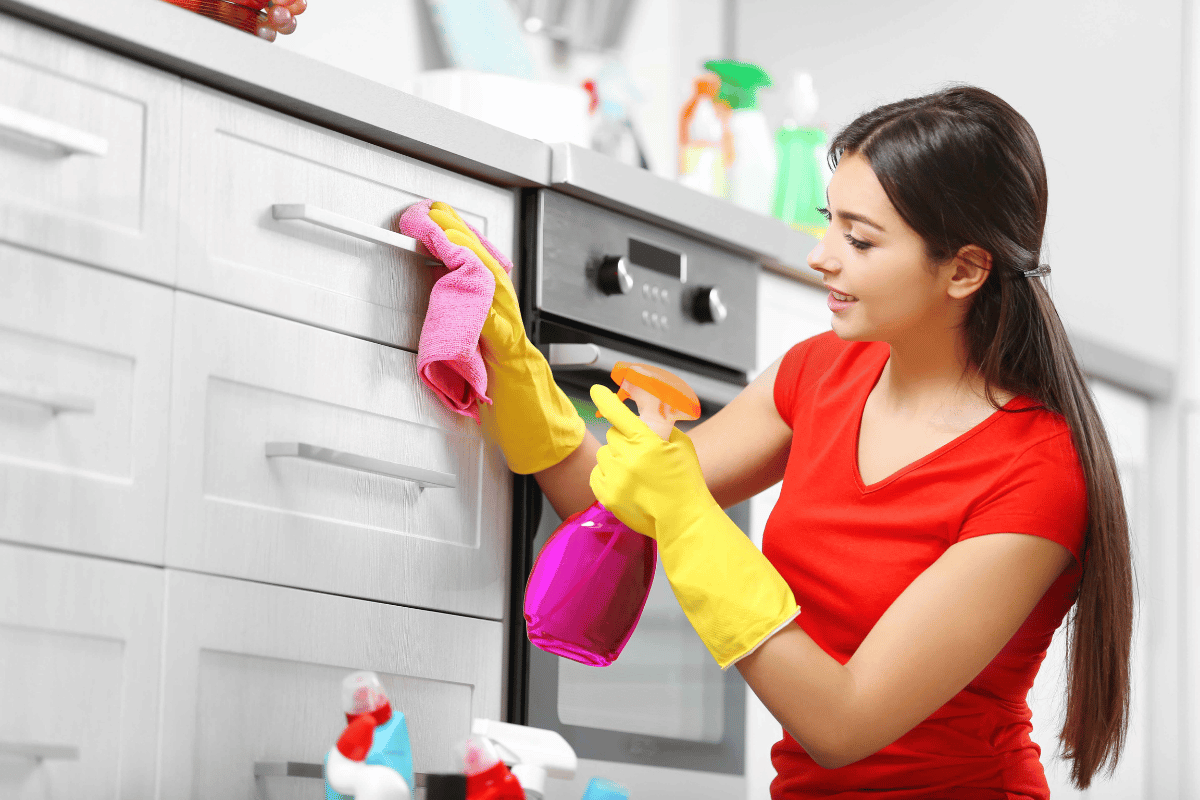
Clean cabinets at least once a week. Use a soft cloth and mild cleaner. Avoid harsh chemicals that strip finishes. Wipe spills immediately to stop stains. Dust cabinets often to prevent buildup. A regular routine keeps dirt and grease away.
Protective Finishes
Apply a protective layer to shield cabinets. Wax or polish enhances shine and blocks moisture. Choose products made for your cabinet material. Reapply finishes every few months. This simple step guards wood or laminate surfaces from damage.
Quick Stain Removal
Address stains as soon as they appear. Use a damp cloth with gentle soap. Rub softly to lift spots without scratching. Avoid soaking cabinets with water. Quick action prevents stains from becoming permanent marks.
Frequently Asked Questions
What Is The Safest Cleaning Solution For Kitchen Cabinets?
The safest cleaning solution is a mix of mild dish soap and warm water. It effectively removes grease and dirt without damaging cabinet finishes. Always test in a small area first to prevent discoloration or damage.
Can Vinegar Clean Kitchen Cabinets Effectively?
Yes, diluted white vinegar is an excellent natural cleaner. It cuts through grease and grime while being gentle on most cabinet surfaces. Avoid using vinegar on stone or waxed finishes to prevent damage.
How Often Should I Clean My Kitchen Cabinets?
Cleaning kitchen cabinets once a month is ideal. Regular cleaning prevents grease buildup and maintains their appearance. For heavily used kitchens, wipe down weekly with a mild solution to keep cabinets fresh.
Are Commercial Kitchen Cabinet Cleaners Better?
Commercial cleaners can be effective but may contain harsh chemicals. Choose eco-friendly or non-abrasive products to protect cabinet finishes. Always follow product instructions and test on a small area first.
Conclusion
Choosing the right cleaning solution keeps kitchen cabinets fresh and bright. Gentle cleaners protect the finish and avoid damage. Regular cleaning stops dirt and grease buildup. Natural options like vinegar and mild soap work well. Avoid harsh chemicals that wear down surfaces.
Test any new cleaner on a small spot first. Clean cabinets make your kitchen look neat and welcoming. Simple care saves money and effort in the long run. Keep your cabinets shining with safe, easy cleaning habits.