
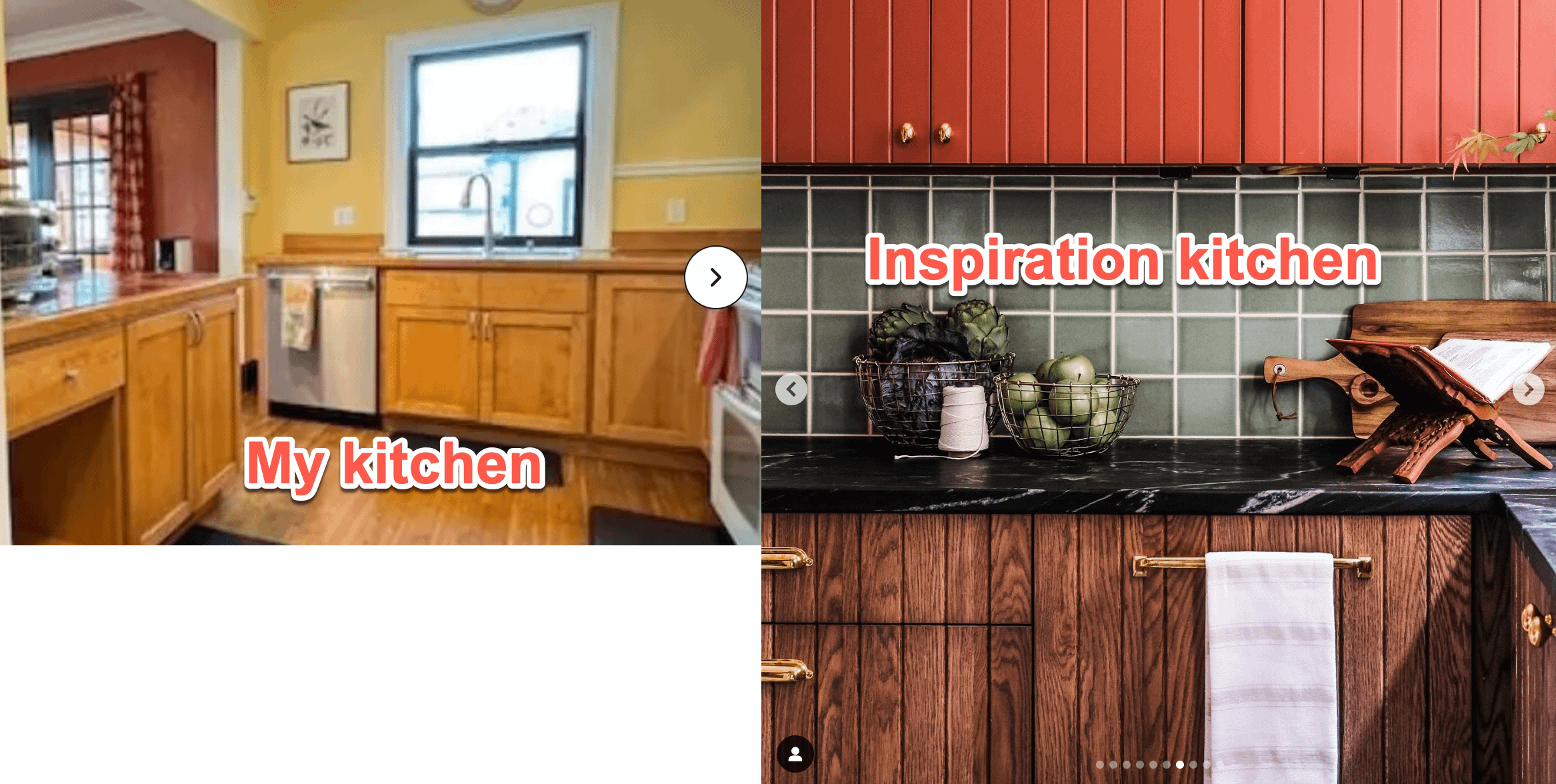
Are you thinking about giving your kitchen cabinets a fresh new look? Choosing between brushing and spray painting might seem simple, but the decision can make a big difference in the final result.
You want your cabinets to look smooth, professional, and last for years to come. But which method will save you time, effort, and money? You’ll discover the pros and cons of brushing versus spray painting your kitchen cabinets. By the end, you’ll know exactly which option fits your needs and how to achieve that perfect finish you’ve been dreaming about.
Keep reading—you’re closer than you think to transforming your kitchen!

Credit: kitchenmakeovers.co.uk
Choosing Between Brush And Spray
Choosing between brushing and spraying for painting kitchen cabinets depends on several factors. Each method offers unique benefits and challenges. Understanding these can help you decide which suits your project best.
Benefits Of Brushing
- Brushing gives more control over paint application.
- It works well for detailed or small cabinet parts.
- Brushes can create textured finishes if desired.
- Less equipment is needed, making it simpler for beginners.
- Cleaning up brushes is easier than cleaning spray gear.
Advantages Of Spraying
- Spraying provides a smooth, even coat without brush marks.
- It covers large areas faster than brushing.
- Spray paint reaches tight corners and crevices easily.
- It creates a professional-looking finish with fewer layers.
- Less physical effort is needed compared to brushing.
Cost Comparison
| Factor | Brushing | Spraying |
|---|---|---|
| Initial Equipment | Low cost (brushes and rollers) | Higher cost (sprayer and protective gear) |
| Paint Usage | Moderate, some waste possible | Efficient, but potential overspray waste |
| Time Investment | More time due to slower application | Less time, faster coverage |
| Cleanup | Simple cleanup with water or solvent | Requires thorough cleaning of sprayer parts |
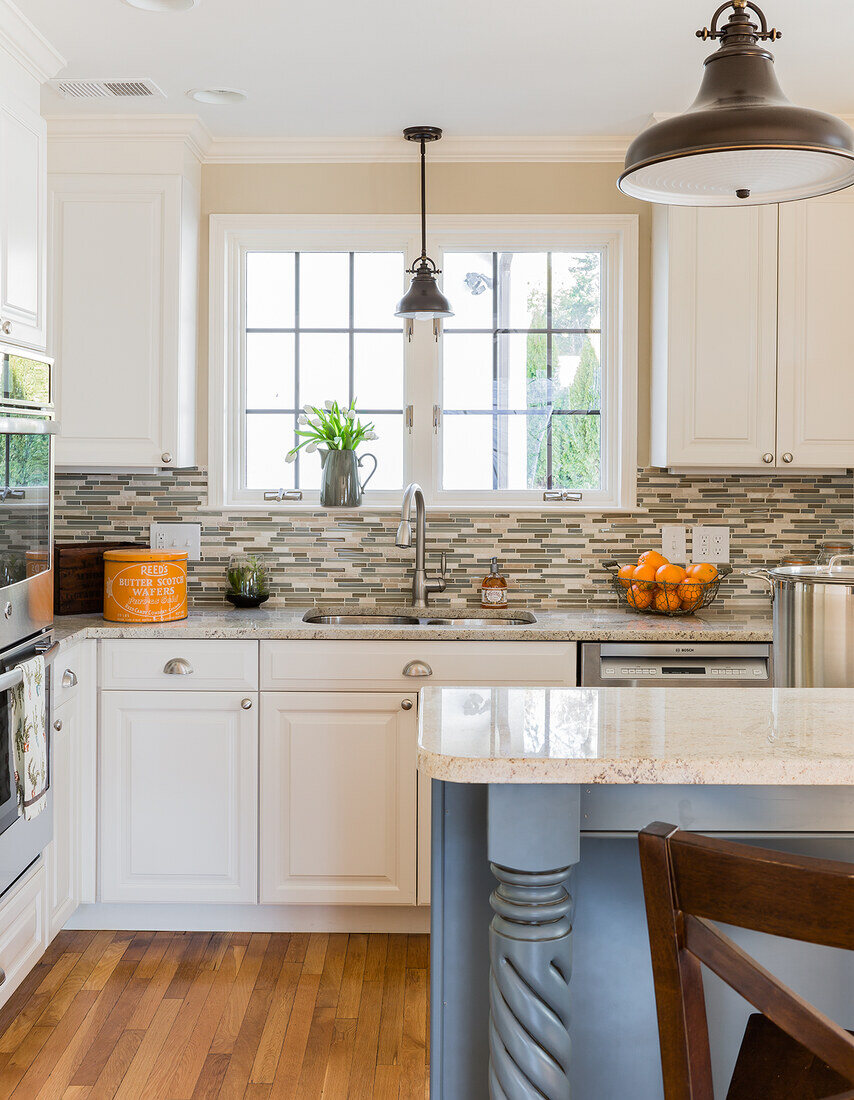
Credit: tomcurrencompanies.com
Tools And Materials Needed
Choosing between brushing and spray painting your kitchen cabinets means gathering the right tools and materials first. The quality and type of equipment you use can make a huge difference in the final look and durability of your paint job. Whether you prefer the control of a brush or the smooth finish of spray paint, knowing what to prepare will save you time and frustration.
Brush Types And Sizes
Picking the right brush is crucial if you decide to brush paint your cabinets. Synthetic bristles work best with water-based paints, while natural bristles pair well with oil-based paints.
- Angular sash brushes:Great for cutting in edges and corners with precision.
- Flat brushes:Ideal for covering large, flat surfaces quickly and evenly.
- Smaller detail brushes:Perfect for intricate cabinet designs or grooves.
Have you noticed how a poor brush can leave streaks or bristles behind? Investing in quality brushes will help you avoid that frustration and achieve a professional look.
Spray Paint Equipment
Spray painting requires a bit more specialized equipment but can save you effort in the long run. An airless paint sprayer is a popular choice because it delivers smooth, even coats without brush marks.
- Airless paint sprayer:Efficient for covering large cabinet surfaces quickly.
- HVLP (High Volume Low Pressure) sprayer:Offers precision and less overspray, ideal for detailed work.
- Protective gear:Masks, goggles, and gloves are a must to protect yourself from fumes and paint particles.
What’s your workspace like? Keep in mind that spray painting needs good ventilation and careful masking to avoid mess.
Prep Supplies
Preparation is half the job and having the right supplies makes it easier. Sandpaper or sanding blocks smooth the surface, helping paint adhere better.
- Degreaser or cleaner:Removes grease and dirt that can ruin paint adhesion.
- Painter’s tape and plastic sheeting:Protects areas you don’t want painted.
- Wood filler:Repairs dents and scratches for a flawless finish.
- Primer:Essential for sealing the wood and improving paint durability.
Skipping prep can cause peeling or uneven coverage. Are you ready to put in this crucial step for lasting results?
Preparation Steps
Preparation is the key to a flawless finish on your kitchen cabinets, whether you decide to brush or spray paint. Skipping or rushing through these steps can lead to peeling, uneven coverage, and wasted effort. Taking time to properly clean, sand, and prime ensures your cabinets look professional and last longer.
Cleaning Cabinets
Start by removing all cabinet doors and hardware to give yourself full access. Use a degreasing cleaner to wipe down every surface—kitchen cabinets often hold onto grease and grime that paint won’t stick to well. Don’t just wipe quickly; scrub gently with a sponge or cloth, paying attention to corners and edges.
Have you noticed how even a little leftover residue can cause paint to peel? That’s why this step is crucial. After cleaning, let your cabinets dry completely before moving forward.
Sanding Techniques
Sanding creates a smooth surface that helps paint adhere better. If your cabinets have a glossy finish, sanding is essential. Use medium-grit sandpaper (around 120-150 grit) to dull the surface, then switch to fine-grit (220 grit) for a smooth finish.
Don’t sand too aggressively—focus on removing shine and rough spots, not stripping the wood. You can sand by hand or with a power sander, but be careful around edges and details. Ever tried painting over shiny cabinets without sanding? The paint barely sticks and chips fast.
Priming Options
Priming seals the surface and blocks stains or tannins from bleeding through your paint. Choose a primer that fits your cabinet material and paint type. For example, a bonding primer works well on slick surfaces, while an oil-based primer is good for covering knots in wood.
Apply primer evenly with a brush or spray, depending on your painting method. Let it dry fully and lightly sand if needed before painting. Skipping primer might save time now, but will you be ready to redo your cabinets sooner?
Applying Paint By Brush
Brushing paint on kitchen cabinets allows for precise control and less mess. It works well for small areas and detailed surfaces. Though slower than spraying, brushing helps achieve a smooth, even finish without overspray.
Applying Paint by Brush Choosing to apply paint to your kitchen cabinets with a brush can be a rewarding experience. You gain more control over the process, and there’s a certain satisfaction in seeing the transformation happen under your hands. However, it requires patience and some technique to achieve a professional-looking finish.
Brush Strokes Tips
To start, select a high-quality brush with synthetic bristles for the best results. A good brush helps to reduce streaks and provides a smoother finish. Use even strokes, moving in the direction of the wood grain to minimize visible brush marks. Consider using a smaller brush for edges and corners where precision is key. This can prevent overloading paint in these areas. Practice makes perfect, so don’t hesitate to experiment on a spare piece of wood before tackling your cabinets.
Avoiding Brush Marks
One common challenge is avoiding those pesky brush marks. The key lies in not applying too much pressure. Light, even strokes are your best bet. Keep a wet edge as you paint to prevent lines from forming when the paint dries. Also, ensure your paint is not too thick; thinning it slightly can help it settle better onto the surface.
Drying Times
Patience is crucial when it comes to drying times. Let each coat dry completely before applying the next one. This might take a few hours, depending on the paint type and room conditions. Check the paint can for specific drying times, as they can vary between brands and finishes. Give your cabinets at least 24 hours to dry thoroughly before reassembling and using them. This ensures the paint has set properly and minimizes the risk of chipping or smudging. Do you find yourself rushing through projects, or can you embrace the slow, careful approach of brush painting?
Applying Paint By Spray
Applying paint by spray offers a smooth, even finish on kitchen cabinets. This method covers hard-to-reach areas and saves time. Spray painting creates a professional look without brush marks. Proper preparation and technique ensure the best results for your cabinets.
Spray Technique Tips
- Hold the sprayer about 6 to 8 inches from the surface.
- Keep the sprayer moving in steady, even strokes.
- Overlap each pass slightly to avoid uneven spots.
- Spray in a consistent direction, either horizontally or vertically.
- Apply several thin coats instead of one thick coat.
- Allow each coat to dry before applying the next.
Managing Overspray
- Cover floors, countertops, and appliances with drop cloths.
- Use painter’s tape to protect edges and trim.
- Spray in a well-ventilated area or outdoors.
- Wear a mask and goggles to protect yourself.
- Spray away from windows and vents to control overspray drift.
- Clean the sprayer regularly to prevent clogs and splatters.
Drying And Curing
Let paint dry in a dust-free area. Avoid touching the cabinets until fully dry. Drying times vary by paint type and humidity. Wait at least 24 hours before light use. Full curing may take several days. Proper curing increases durability and finish quality.

Credit: tomcurrencompanies.com
Common Mistakes To Avoid
Painting or spraying kitchen cabinets can change your kitchen’s look. Avoid common mistakes for a smooth finish. These errors can waste time and money. Learn what to watch out for to get the best results.
Uneven Coverage
Uneven coverage makes cabinets look patchy and unprofessional. Thin or thick spots create a messy appearance. Apply paint or spray in light, even coats. Take your time and check your work often. Moving too fast causes missed areas or thick patches.
Drips And Runs
Drips and runs happen when paint pools or sags on surfaces. They leave ugly streaks that ruin the finish. Avoid putting on too much paint at once. Use steady, smooth strokes. Hold the spray can or brush at the right distance. Stop and fix drips before they dry.
Poor Surface Prep
Skipping surface prep leads to paint peeling or bubbling later. Clean cabinets well to remove dirt and grease. Sand surfaces for better paint grip. Remove old hardware and tape off edges. Proper prep helps paint stick and last longer.
Maintenance And Longevity
Maintaining your kitchen cabinets properly can extend their life and keep them looking fresh for years. Whether you’ve brushed or spray painted them, the right care makes a big difference. Understanding how to clean, touch up, and know when to repaint helps you protect your investment and saves you time and money in the long run.
Cleaning Painted Cabinets
Cleaning painted cabinets regularly prevents dirt buildup and dullness. Use a soft cloth with warm, soapy water—avoid harsh chemicals that can strip paint or cause discoloration.
Focus on areas you touch most, like handles and edges, where oils and grime collect. Dry the surface immediately to avoid water damage or streaks. Have you noticed how small cleaning habits keep your cabinets vibrant?
Touch-up Tips
Small chips or scratches are normal over time, but quick touch-ups can keep your cabinets looking flawless. Keep some leftover paint handy—whether brushed or sprayed—to cover imperfections without repainting the entire cabinet.
Use a fine brush for brushed finishes to blend in the repairs seamlessly. For spray-painted cabinets, a light spray mist can help maintain that smooth texture. Remember, matching the original paint type and finish is key to a seamless repair.
When To Repaint
Knowing when to repaint helps avoid wasting effort on minor fixes or letting damage worsen. If you see widespread peeling, fading, or chipping, it’s time to consider a fresh coat.
Also, check if your cabinets feel rough or sticky, signs that the paint has worn out its protective qualities. How often do you inspect your kitchen cabinets for signs of wear? Regular checks can prevent costly overhauls.
Frequently Asked Questions
What Are The Benefits Of Brushing Kitchen Cabinets?
Brushing offers more control and precision on detailed surfaces. It’s ideal for small areas and intricate designs. Brushing also reduces paint waste and allows easier touch-ups. However, it may take longer compared to spraying.
Is Spray Painting Faster Than Brushing Cabinets?
Yes, spray painting covers large areas quickly and evenly. It saves time, especially for smooth, flat cabinet surfaces. But it requires proper masking to avoid overspray and more prep work.
Which Method Provides A Smoother Finish On Cabinets?
Spray painting generally results in a smoother, more uniform finish. It minimizes brush strokes and paint buildup. Brushing may leave subtle texture, which some prefer for a handcrafted look.
Can I Spray Paint Cabinets Without Professional Tools?
You can use an HVLP spray gun or aerosol spray cans at home. Proper ventilation, masking, and practice are essential for good results. Professional tools make spraying easier but are not mandatory.
Conclusion
Choosing between brushing and spray painting kitchen cabinets depends on your needs. Brushing gives you control and detail, but it can take more time. Spray painting offers a smooth, even finish and saves time but needs careful setup. Think about your skill level, budget, and the look you want.
Both methods can refresh your cabinets well. Pick what fits your project best and enjoy your refreshed kitchen space. Simple steps lead to great results.