
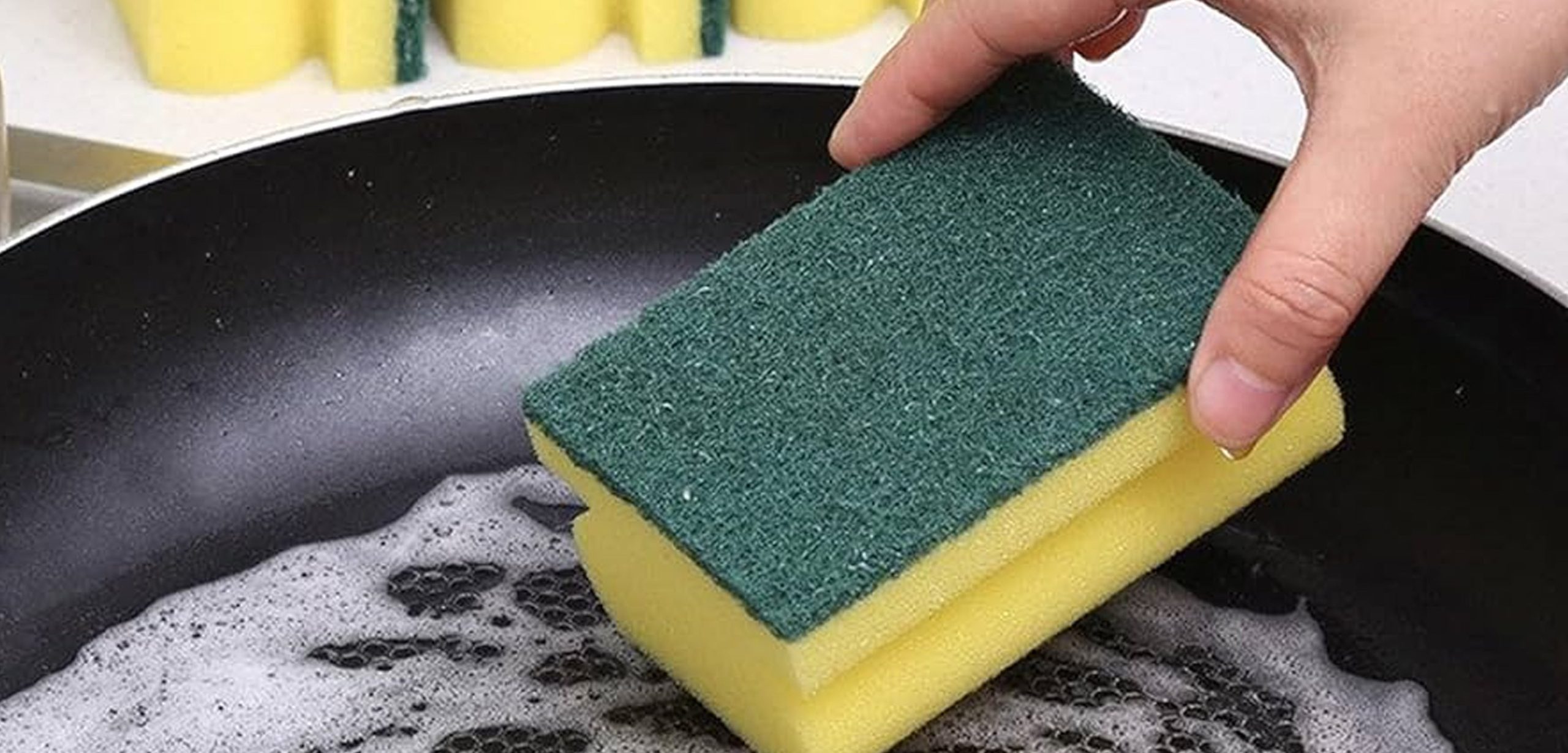
Have you ever stopped to think about what your kitchen sponge is actually made of? It might seem like a simple tool, but understanding what’s inside can change how you use it—and how often you replace it.
Knowing the materials behind your sponge can help you pick the best one for your kitchen, keep things cleaner, and even protect your health. Ready to discover the surprising truth about your everyday kitchen sponge? Keep reading to find out what’s really behind that little cleaning hero.

Credit: oksponge.en.made-in-china.com
Common Materials In Kitchen Sponges
Kitchen sponges come in different shapes, sizes, and textures, but what really makes them work is the materials they are made from. Understanding these materials can help you pick the right sponge for your needs and even extend its life. Let’s look at the common materials found in kitchen sponges and how each contributes to cleaning efficiency.
Cellulose Fibers
Cellulose fibers are natural materials usually derived from wood pulp. They absorb water quickly, making them excellent for soaking up spills and creating a rich lather with soap. If you prefer eco-friendly options, sponges with cellulose fibers are biodegradable and break down faster than synthetic ones.
However, these sponges can wear out faster because cellulose is softer and less durable. Have you noticed how some sponges start to crumble after a few weeks? That’s the cellulose breaking down. But their softness makes them gentle on delicate surfaces like glass and ceramic.
Synthetic Polymers
Many kitchen sponges include synthetic polymers such as polyurethane or polyester. These materials create a more durable and resilient sponge that lasts longer than natural fibers. They resist bacteria buildup better and dry faster, which helps reduce odors.
Synthetic sponges often have a more uniform texture, which can make scrubbing tough stains easier. If you tend to clean greasy pans or stuck-on food, a synthetic polymer sponge might be your best bet. But keep in mind, these sponges are not biodegradable and can add to landfill waste.
Abrasive Components
Some sponges feature an abrasive layer made from materials like nylon or polyester mesh. This rough surface helps remove stubborn grime without scratching most pots and pans. The abrasive side is perfect for scrubbing burnt-on food or greasy dishes.
Have you ever struggled to clean a sticky pan with a soft sponge? An abrasive component can save you time and effort. Just be careful using these on non-stick cookware, as the rough texture might damage the coating.
By knowing what your sponge is made of, you can choose one that suits your cleaning style and protects your kitchenware. Which material do you think would fit your daily dishwashing tasks best?
Natural Vs. Synthetic Sponges
Choosing between natural and synthetic kitchen sponges can affect not only your cleaning routine but also your health and the environment. Each type offers unique benefits and drawbacks that might surprise you. Understanding what goes into making these sponges helps you make smarter choices for your kitchen and planet.
Sea Sponges
Sea sponges come from the ocean and are harvested from natural sponge beds. They have a soft texture and excellent absorbency, making them gentle on delicate dishes and surfaces. Many people appreciate their biodegradability and the fact that they contain no synthetic chemicals.
However, sea sponges require careful cleaning and drying to prevent bacteria buildup. They can also be more expensive than synthetic options and may not last as long under heavy use.
Plant-based Alternatives
Plant-based sponges use materials like cellulose from wood pulp or fibers from coconut husks. These sponges often mimic the feel and performance of synthetic ones but break down more easily in compost or landfill. They are a popular choice if you want to avoid plastic and reduce waste.
These alternatives can vary in durability and may not hold up well to harsh scrubbing or prolonged exposure to water. Still, they offer a reliable middle ground between natural sea sponges and fully synthetic versions.
Pros And Cons
| Type | Pros | Cons |
|---|---|---|
| Sea Sponges |
|
|
| Plant-Based Sponges |
|
|
| Synthetic Sponges |
|
|
Think about what matters most to you—eco-friendliness, cost, or durability? If you care about reducing plastic waste, natural or plant-based sponges might be worth a try. On the other hand, synthetic sponges often last longer and handle tough messes better, but at an environmental cost.
Have you noticed how your sponge’s material affects your cleaning experience? Your choice can change not just how clean your kitchen looks, but also how sustainable your routine feels.
Hidden Additives And Chemicals
Kitchen sponges might look simple, but they often contain hidden additives and chemicals that you might not expect. These substances are added to improve the sponge's durability, smell, and antibacterial properties. However, understanding what’s inside can help you make safer choices for your home and health.
Antibacterial Agents
Many kitchen sponges include antibacterial agents designed to kill germs and keep the sponge fresher for longer. Common chemicals like triclosan or silver ions are often used for this purpose. But here’s the catch: these agents can sometimes promote resistant bacteria, making your sponge less effective over time.
I once used a sponge with antibacterial chemicals, thinking it was safer, but I noticed it started smelling worse after just a few days. This made me question if these additives truly keep things cleaner or just mask the problem temporarily.
Fragrances And Dyes
To make sponges more appealing, manufacturers often add fragrances and dyes. These additives give your sponge a fresh scent or bright color, making kitchen chores seem a bit more pleasant. However, these chemicals can cause allergic reactions or irritate sensitive skin.
Have you ever wondered why your sponge smells artificial or why your hands feel itchy after washing dishes? It might be the fragrances or dyes at work. Choosing unscented and dye-free sponges can reduce these risks.
Potential Health Concerns
The hidden chemicals in sponges don’t just affect your cleaning experience; they might impact your health. Prolonged exposure to certain antibacterial agents and synthetic fragrances could cause skin irritation or contribute to respiratory issues. Plus, some chemicals can leach into your food or drinking water if sponges are used carelessly.
Ask yourself: Are you comfortable with these unseen risks every time you grab a sponge? Opting for natural or chemical-free sponges may give you peace of mind and a healthier kitchen environment.

Credit: www.airnex.store
Environmental Impact Of Sponge Materials
The materials used in kitchen sponges significantly impact the environment. Understanding their environmental footprint helps us make better choices. Many sponges are made from synthetic materials, which can harm the planet. Let's explore the environmental impact of these materials.
Biodegradability
Biodegradability refers to how quickly materials break down in nature. Many kitchen sponges are made from plastic. These sponges take hundreds of years to decompose. They contribute to landfill waste and pollution. Natural sponges, like those from cellulose, break down faster. They leave less waste in the environment.
Recyclability
Recyclability is about turning waste into reusable material. Synthetic sponges are usually not recyclable. This means they end up in landfills. Even if they are recyclable, the process is not easy. It requires specific facilities and conditions. Natural sponges are generally more eco-friendly. They are often compostable and less harmful.
Sustainable Options
Some sponges are made from sustainable materials. These include cellulose, hemp, and loofah. These materials are renewable and have a lower environmental impact. Choosing these options helps reduce pollution. They often come from plants, which are quickly replenished. This makes them a better choice for eco-conscious individuals.
Choosing The Right Sponge For Your Kitchen
Choosing the right kitchen sponge can make cleaning easier and safer. Sponges vary in materials, textures, and durability. Picking one that fits your needs helps maintain kitchen hygiene and extends sponge life.
Durability And Performance
Sponges made from cellulose absorb water well and last longer. Synthetic sponges dry faster but may wear out quickly. Some have rough surfaces for scrubbing tough stains. Soft sponges are gentle on delicate dishes. Consider how often you clean and what you clean. Durable sponges save money and reduce waste.
Safety Considerations
Choose sponges that resist bacteria growth. Some have antimicrobial properties to stay cleaner. Avoid sponges with harsh chemicals that may harm food or skin. Natural materials like cellulose are safer for food contact. Replace sponges regularly to prevent germs. Store sponges in dry places to limit bacteria.
Maintenance Tips
- Rinse sponges thoroughly after each use.
- Squeeze out excess water to prevent mold.
- Sanitize sponges weekly by microwaving or soaking in vinegar.
- Allow sponges to air dry completely between uses.
- Replace sponges every two to four weeks.

Credit: www.amazon.ca
Frequently Asked Questions
What Materials Are Kitchen Sponges Typically Made From?
Kitchen sponges are mostly made from cellulose, a natural fiber from wood pulp. Some contain synthetic materials like polyurethane foam for durability and scrubbing power. These materials absorb water well and help clean surfaces effectively.
Are Natural Or Synthetic Sponges Better For Kitchens?
Natural sponges are biodegradable and eco-friendly but may wear out faster. Synthetic sponges last longer and resist mold but can release microplastics. Choosing depends on your preference for sustainability or durability in kitchen use.
How Do Antimicrobial Kitchen Sponges Work?
Antimicrobial sponges contain agents that inhibit bacteria growth. These agents help keep the sponge fresher longer and reduce odors. However, regular cleaning is still necessary to maintain hygiene and prevent bacteria buildup.
Can Kitchen Sponges Be Made From Recycled Materials?
Yes, some kitchen sponges are made from recycled cellulose or plastics. This reduces environmental impact by reusing waste materials. Eco-friendly sponge brands often highlight recycled content to appeal to sustainable consumers.
Conclusion
Kitchen sponges come from different materials like cellulose and synthetic fibers. Each type has its own use and benefits. Knowing what a sponge is made of helps you choose the right one. It also shows how to care for it better.
A clean sponge keeps your kitchen safe and healthy. Always replace sponges often to avoid germs. Simple steps make a big difference in your kitchen hygiene. Understanding sponges helps keep your dishes clean every day.