
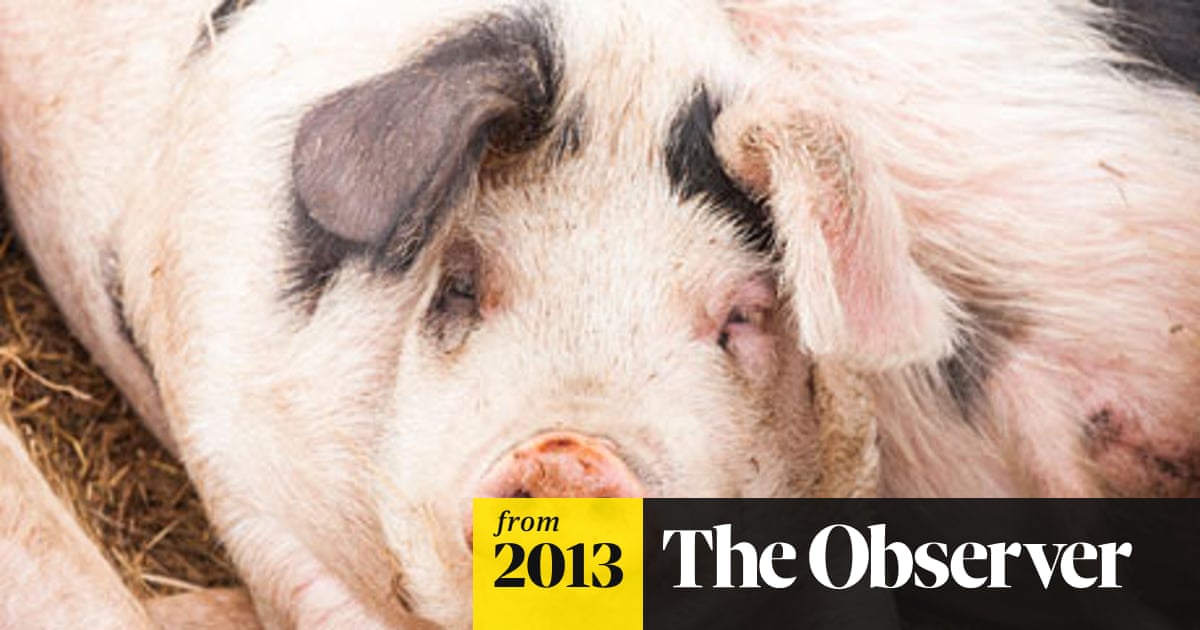
Have you ever wondered why feeding pigs your leftover kitchen scraps is illegal? It might seem harmless or even helpful, but there are important reasons behind this rule that affect your safety and the health of animals.
Understanding why this law exists can change the way you think about food waste and animal care. Keep reading to discover the surprising facts that will make you see your kitchen scraps in a whole new light.
Credit: bloominghealthfarms.com
Risks Of Feeding Pigs Kitchen Scraps
Feeding pigs kitchen scraps carries several serious risks. These dangers affect the pigs, the farm, and sometimes the entire community. Understanding these risks explains why the practice is illegal in many places. It helps protect animal health and public safety.
Disease Transmission
Kitchen scraps can carry harmful bacteria and viruses. These pathogens spread diseases like African swine fever and foot-and-mouth disease. Once infected, pigs can become very sick or die. Disease outbreaks can devastate farms and local economies.
Contamination Concerns
Scraps often contain foreign materials like plastics, chemicals, or spoiled food. These contaminants harm pigs and can enter the food chain. Contaminated pork poses health risks for consumers. Safe pig farming requires strict control of feed sources.
Impact On Pig Health
Kitchen scraps lack balanced nutrients for pigs. Poor nutrition causes weak immune systems and slow growth. Some scraps contain harmful substances like salt, onions, or garlic. These can cause sickness or even death in pigs.
Legal Restrictions Explained
Legal restrictions on feeding pigs kitchen scraps exist to protect public health and animal welfare. These laws aim to reduce disease risks and control contamination in the food supply chain. Understanding these rules helps farmers and consumers follow safe practices.
Regulations On Animal Feed
Many countries have strict rules about what pigs can eat. Kitchen scraps often contain harmful bacteria or toxins. These can spread diseases among pigs and humans. Laws usually forbid feeding pigs any waste that includes meat or cooked food. Approved feeds must come from safe, inspected sources.
Historical Food Safety Incidents
Past disease outbreaks show why these laws matter. One example is the spread of foot-and-mouth disease. It began when pigs ate contaminated scraps. This caused huge losses in livestock and money. These incidents pushed governments to enforce strict feed controls. They want to stop similar outbreaks from happening again.
Enforcement And Penalties
Authorities monitor farms and food sources regularly. They check for illegal feeding practices and unsafe conditions. Farmers caught breaking the rules face fines or legal action. In severe cases, farms may shut down. Penalties encourage safe feeding habits and protect public health.
Environmental And Public Health Effects
Feeding pigs kitchen scraps can harm the environment and public health. This practice spreads diseases, creates waste problems, and risks the food we eat. Understanding these effects helps explain why laws ban feeding pigs scraps from homes or restaurants.
Spread Of Pathogens
Kitchen scraps often contain bacteria and viruses. These germs can infect pigs and spread to humans. Diseases like swine fever or salmonella grow quickly in leftover food. Feeding pigs scraps increases the risk of outbreaks on farms. Such outbreaks threaten both animal and human health.
Waste Management Issues
Discarded food scraps can attract pests like rats and flies. These pests carry more diseases into neighborhoods. Improper feeding leads to more garbage and bad smells. Farms may struggle to manage the extra waste. This causes pollution in water and soil near pig farms.
Threats To Food Supply
Diseases from scraps can kill many pigs at once. This reduces pork supply and raises meat prices. Sick pigs are unsafe to eat and cause food recalls. Protecting pigs from harmful scraps helps keep food safe and steady. It also supports farmers and consumers alike.
Safe Alternatives For Feeding Pigs
Feeding pigs kitchen scraps is illegal to prevent disease spread and protect animal health. Safe alternatives include specially made pig feed and approved grains. These options ensure pigs get proper nutrition without health risks.
Feeding pigs the right way is crucial for their health and growth. Using kitchen scraps may seem easy, but it's risky and illegal. Instead, focus on safe, approved alternatives. These ensure pigs receive balanced nutrition without health risks.
Approved Feed Options
Pigs need a diet with specific nutrients. Commercial pig feeds are designed to meet these needs. They contain grains, proteins, vitamins, and minerals. Always check if the feed is certified for pig consumption. Another option is specially formulated pig pellets. They provide balanced nutrition in every bite.
Nutritional Benefits
Approved feeds offer complete nutrition. They support pig growth, development, and health. Grains provide energy, while proteins build muscle. Vitamins and minerals enhance immune function. Balanced diets improve overall pig well-being. Healthy pigs grow faster and are more productive.
Sustainable Practices
Sustainable feeding is important for the environment. Use locally sourced feed ingredients. This reduces transportation emissions and supports local farmers. Composting waste from pig feed is another sustainable practice. It enriches soil and reduces landfill waste. Sustainable feeding supports both pigs and the planet.
Common Misconceptions About Kitchen Scraps
Many people believe feeding pigs kitchen scraps is a harmless, even beneficial, practice. This idea often comes from seeing pigs as natural recyclers who can eat almost anything. However, there are several misconceptions behind this belief that need clarification.
Why It Seems Harmless
You might think that giving your leftover food to pigs reduces waste and saves money. After all, pigs have a reputation for eating scraps, and it feels like a practical way to reuse food. Many small farmers and backyard pig owners share this view, assuming it’s a natural and safe feeding method.
But the problem lies in what those scraps actually contain. Kitchen waste can include spoiled food, meat byproducts, or even harmful bacteria that pigs shouldn’t consume. Do you know exactly what’s in your scraps? Not being sure can put your pigs at risk.
Myths Vs Reality
- Myth:Kitchen scraps are always safe because pigs have strong stomachs.
- Reality:Pigs can get sick from pathogens found in some scraps, leading to diseases like African Swine Fever.
- Myth:Cooking or boiling scraps removes all risks.
- Reality:Some viruses and bacteria survive cooking and can still infect pigs.
- Myth:Feeding scraps is allowed everywhere if they’re from your own kitchen.
- Reality:Many countries have strict laws banning this practice to protect animal health.
These misconceptions often lead to legal trouble and health risks, which most people don’t expect. Have you checked your local laws or considered what’s really in your kitchen waste before feeding it to pigs?
Expert Opinions
Veterinarians and animal health experts strongly advise against feeding pigs any kitchen scraps. They emphasize that even a small risk of disease transmission can have devastating effects on pig populations. Experts recommend using specially formulated pig feed that meets nutritional and safety standards.
Farmers who have experienced outbreaks linked to kitchen scraps often share stories of costly losses and quarantines. Their experiences highlight why regulations exist and why you should follow expert advice. Would you risk your pigs’ health for a seemingly simple shortcut?

Credit: www.threads.com
Credit: www.knysnaplettherald.com
Frequently Asked Questions
Why Is Feeding Pigs Kitchen Scraps Illegal?
Feeding pigs kitchen scraps is illegal to prevent disease spread. Scraps may contain harmful pathogens like foot-and-mouth virus. This law protects pig health and food safety. It helps avoid outbreaks that can devastate livestock industries and affect public health.
What Diseases Can Kitchen Scraps Spread To Pigs?
Kitchen scraps can carry diseases like swine fever and foot-and-mouth disease. These illnesses spread rapidly among pigs, causing severe health issues. Contaminated scraps increase infection risk, leading to economic losses and strict regulations to protect animals and humans.
Are There Any Safe Alternatives To Feeding Pigs Scraps?
Yes, safe alternatives include commercial pig feed and properly treated food waste. These options meet nutritional needs without risking disease. Farmers must follow guidelines to ensure pig health and comply with legal standards, promoting safer and sustainable pig farming.
How Do Laws Protect Pigs From Scrap Feeding Risks?
Laws ban feeding pigs untreated food scraps to control disease outbreaks. They enforce biosecurity measures and regular inspections. These regulations safeguard pig populations, ensure food quality, and maintain public health by reducing contamination risks from kitchen waste.
Conclusion
Feeding pigs kitchen scraps can spread harmful diseases. Laws stop this to protect animals and people. Farmers follow these rules to keep farms safe and clean. Understanding these laws helps us support healthy food systems. Safe farming means safer food on our tables.
Respecting these rules benefits everyone in the food chain. It’s simple: keeping pigs healthy keeps us healthy too.