
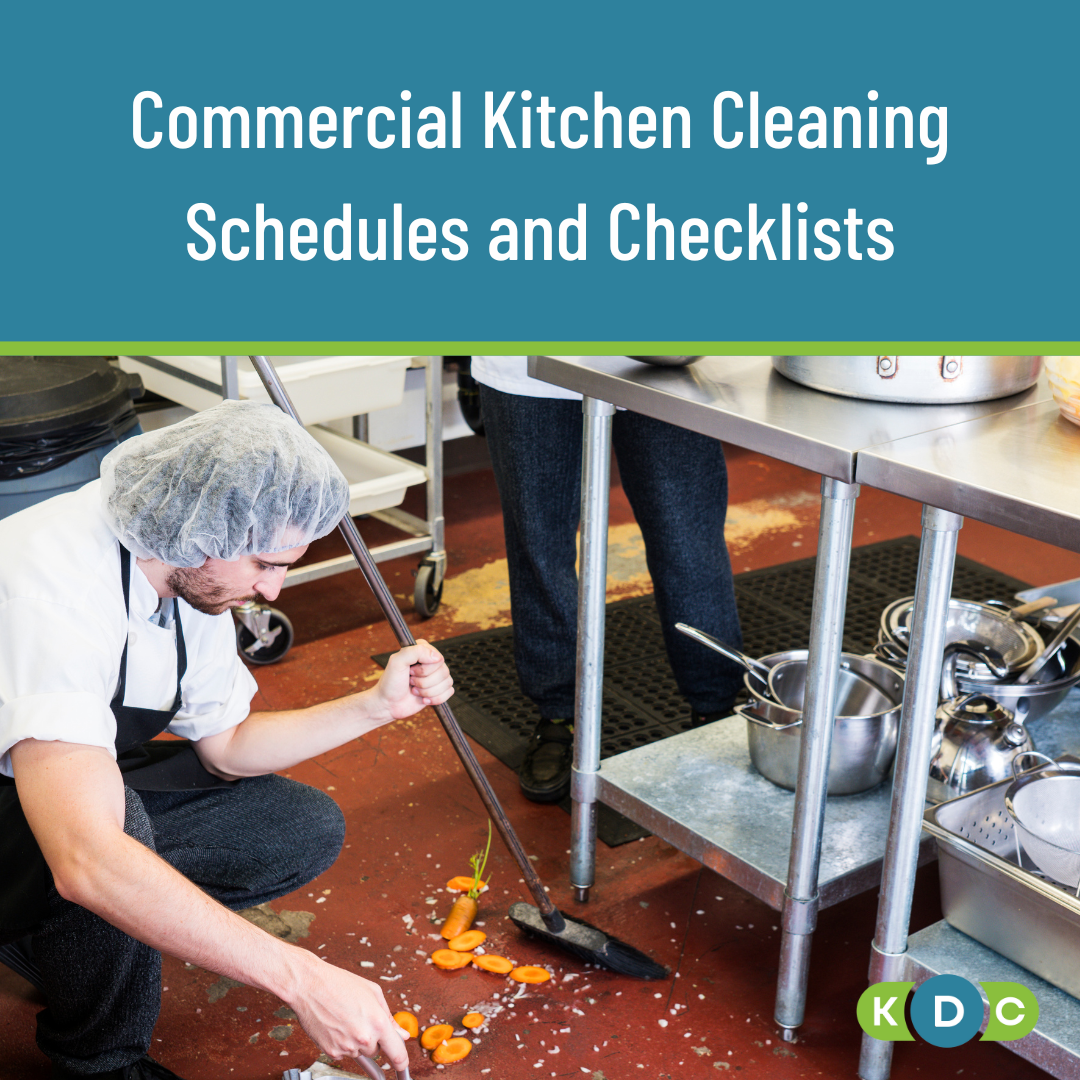
Keeping your kitchen spotless isn’t just about looks—it’s about your health and safety too. You might think cleaning your kitchen is simple, but there are key steps that make a big difference in how clean and safe your space really is.
If you want to make sure your kitchen is truly fresh and free from harmful germs, you need to follow the right process. You’ll discover the exact steps to clean your kitchen premises effectively, saving you time and effort while protecting your family.
Ready to transform your kitchen into a shining, healthy space? Let’s dive in.
Preparing For Kitchen Cleaning
Preparing for kitchen cleaning sets the foundation for an effective and smooth process. It involves organizing your tools, clearing the area, and taking safety steps. This preparation helps to save time and avoid accidents.
Gathering Cleaning Supplies
Collect all necessary cleaning items before starting. Include:
- All-purpose cleaner
- Dish soap
- Scrubbing brushes and sponges
- Microfiber cloths
- Trash bags
- Gloves
- Broom and mop
Having these supplies ready makes the cleaning process faster and easier.
Clearing The Workspace
Remove all items from countertops and sinks. Put away dishes, utensils, and small appliances. Clear floors of any objects or debris. This step creates an open space for thorough cleaning.
Ensuring Safety Measures
Wear gloves to protect your hands from chemicals and dirt. Make sure the area has good ventilation. Keep cleaning products out of reach of children and pets. Avoid mixing different cleaners to prevent harmful fumes.
Cleaning Kitchen Surfaces
Keeping your kitchen surfaces clean is essential for a healthy cooking environment. Surfaces like counters, cutting boards, cabinets, and drawers often harbor bacteria and food residue. Regular cleaning not only keeps your kitchen looking fresh but also prevents cross-contamination and foodborne illnesses.
Wiping Counters And Tables
Start by clearing off any crumbs, spills, or utensils from your counters and tables. Use a damp cloth with a mild detergent to wipe down all surfaces thoroughly. Don’t forget to clean the edges and corners where dirt tends to accumulate.
If you want to tackle stubborn stains, try a mix of baking soda and water as a gentle scrub. Avoid harsh chemicals that can damage your countertops, especially if they are made from natural stone. How often do you check your counters for hidden spills that attract pests?
Sanitizing Cutting Boards
Cutting boards can be a hotspot for bacteria, especially when used for raw meat. After washing with warm, soapy water, sanitize your boards with a solution of one tablespoon of bleach per gallon of water. Let it sit for a few minutes before rinsing thoroughly and air drying.
If you prefer a natural method, white vinegar or lemon juice can help reduce bacteria. Remember to have separate boards for meat and vegetables to avoid cross-contamination. Are you confident your cutting boards are clean enough to keep your family safe?
Cleaning Cabinets And Drawers
Cabinets and drawers often get overlooked but can collect grease and dust over time. Use a microfiber cloth dampened with warm soapy water to wipe down both the inside and outside surfaces. Focus on handles and edges where grime builds up quickly.
For wooden cabinets, a small amount of wood cleaner or oil can restore shine and protect the surface. Take a moment to declutter while cleaning—less stuff means less dirt hiding in corners. How long has it been since you gave your cabinets a thorough wipe?
Appliance Maintenance
Appliance maintenance is a key part of keeping your kitchen clean and functional. Dirty appliances not only look unappealing but can also affect the taste and safety of your food. Regular upkeep helps your appliances last longer and saves you money on repairs or replacements.
Cleaning The Refrigerator
Start by removing all food items and checking expiration dates. Wipe down shelves and drawers with a mixture of warm water and mild soap. Don’t forget to clean the door seals; they trap dirt and can cause the door to close poorly.
Have you noticed how a clean fridge smells fresher and keeps food better? Placing an open box of baking soda inside can help absorb odors and keep your fridge smelling fresh.
Washing The Oven And Stove
Ovens and stoves can get grimy quickly from spills and grease. Use a non-toxic oven cleaner or a paste made from baking soda and water to tackle tough stains. Let it sit for a few hours, then scrub gently with a sponge or cloth.
For stove tops, remove burner grates and knobs to clean separately. Regularly wiping down after cooking prevents buildup and makes deep cleaning less painful. Do you clean your stove right after cooking or wait until the mess piles up?
Maintaining Small Appliances
Small appliances like toasters, blenders, and microwaves need attention too. Unplug them before cleaning and use a damp cloth to wipe the exterior. For microwaves, heat a bowl of water with lemon slices for a few minutes to loosen food splatters, then wipe clean.
Empty crumb trays from toasters regularly to avoid burnt smells and fire hazards. Consistent care means your small appliances work better and last longer, saving you money and frustration.

Credit: www.scribd.com
Floor Cleaning Techniques
Floor cleaning is essential to keep kitchen premises safe and hygienic. Clean floors prevent slips and reduce dirt buildup. Effective floor cleaning uses simple steps that work for all kitchen types. These techniques remove food crumbs, grease, and dust effectively. Proper floor care also extends the life of flooring materials.
Sweeping And Vacuuming
Start by removing loose dirt and debris. Use a broom or vacuum cleaner for this task. Sweeping gathers crumbs and dust into piles for easy disposal. Vacuuming is better for hard-to-reach corners and grout lines. Choose a vacuum with a hard floor setting to avoid damage. Regular sweeping or vacuuming stops dirt from spreading.
Mopping Methods
Mopping helps remove stains and sticky residues. Use warm water mixed with a mild floor cleaner. Avoid harsh chemicals that may damage floor finishes. Dip the mop into the cleaning solution and wring it well. Mop floors in a figure-eight motion for even coverage. Change water frequently to avoid spreading dirt. Allow floors to dry completely before walking on them.
Dealing With Stains And Spills
Act quickly to clean spills and stains. Blot liquids with a clean cloth or paper towel. Avoid rubbing as it spreads the stain. For tough stains, use a gentle cleaner suitable for your floor type. Test cleaners on a small area first. Use a soft brush for scrubbing stubborn spots. Rinse the area with clean water and dry thoroughly.
Waste Management
Effective waste management is crucial for maintaining a clean and healthy kitchen. It not only helps in reducing clutter but also minimizes the environmental impact of your daily activities. Understanding how to handle waste properly ensures your kitchen stays hygienic and organized.
Sorting And Disposing Trash
Start by separating your kitchen waste into categories like general trash, recyclables, and organic waste. Use clearly labeled bins to make sorting easy and quick. This practice prevents contamination of recyclables and helps you dispose of each type of waste correctly.
Think about the last time you found a messy trash bin overflowing with mixed waste. It often results in bad odors and attracts pests. Keeping your trash sorted avoids these problems and saves time during cleanup.
Recycling Practices
Recycling reduces the amount of waste sent to landfills and conserves resources. Rinse containers and flatten cardboard to save space in your recycling bin. Knowing what your local recycling program accepts is key to effective recycling.
Have you ever thrown away a plastic bottle only to realize it could have been recycled? Small actions like this add up to make a big difference. Make recycling a habit by placing bins in convenient spots around your kitchen.
Composting Organic Waste
Composting turns food scraps into nutrient-rich soil, cutting down on landfill waste. Collect vegetable peels, coffee grounds, and eggshells in a separate container for your compost. Avoid adding meat or dairy as they can attract pests and cause odors.
Starting a compost bin might seem challenging, but it’s easier than you think. Even if you don’t have a garden, consider community composting programs or small indoor composters. Composting not only manages waste but also benefits your plants and the environment.

Credit: www.scribd.com
Organizing After Cleaning
Clear all dishes and wipe down surfaces to remove crumbs and spills. Arrange utensils, cookware, and appliances neatly in their designated spots. Ensure the floor is clean and dry to complete the organized kitchen space.
Once your kitchen sparkles from top to bottom, it's time to organize and put everything back in its place. This step is crucial for maintaining a tidy space and ensuring that your next cooking session is smooth and hassle-free. The key to successful organization lies in arranging your utensils, restocking supplies, and setting a routine that keeps your kitchen pristine. Let's dive into how you can achieve this effortlessly.
Arranging Utensils And Tools
Organizing utensils and tools is more than just putting them away. Think about accessibility and frequency of use. Keep the items you use daily, like spatulas and knives, within easy reach. Consider using drawer dividers or utensil holders to keep everything neat. Group similar items together, such as baking tools in one section and cooking utensils in another. What about those odd-shaped gadgets? Utilize wall hooks or magnetic strips to save drawer space and add a touch of style to your kitchen.
Restocking Cleaning Supplies
Ensure your cleaning supplies are fully stocked. There's nothing worse than running out of dish soap mid-cleanup. Create a dedicated spot for all your cleaning essentials. This could be a cabinet under the sink or a designated shelf. Make a habit of checking your supplies weekly. This way, you'll never be caught off guard and can tackle messes as they happen.
Maintaining A Clean Routine
Keeping your kitchen clean shouldn't feel like a chore. Develop a simple routine that fits into your lifestyle. Start with the basics: wipe surfaces after each use, sweep the floor regularly, and don't let dishes pile up. Involve everyone in the household. Assign small tasks to each family member to lighten the load and promote teamwork. What routine works best for you? Finding a system that suits your rhythm will make maintaining cleanliness a breeze.
Credit: medium.com
Frequently Asked Questions
What Is The First Step In Cleaning Kitchen Premises?
The first step is to clear all surfaces and remove clutter. This makes cleaning easier and more effective. It also helps identify areas that need special attention.
How Do You Sanitize Kitchen Surfaces Properly?
Use a food-safe disinfectant or a mixture of bleach and water. Apply it on all countertops, cutting boards, and sinks. Let it sit for a few minutes before wiping off.
Why Is Cleaning Kitchen Appliances Important?
Appliances can harbor bacteria and food residues that cause odors and contamination. Regular cleaning ensures they function well and keeps your kitchen hygienic.
How Often Should Kitchen Floors Be Cleaned?
Kitchen floors should be swept daily and mopped at least twice a week. This prevents dirt buildup and reduces the risk of slips and falls.
Conclusion
Cleaning kitchen premises takes a few clear steps. First, clear all surfaces to remove clutter. Next, wash dishes and clean the sink well. Wipe down counters and cabinets with a damp cloth. Sweep and mop the floor to remove dirt.
Don’t forget to clean appliances like the stove and fridge. Regular cleaning keeps your kitchen safe and fresh. Simple habits make a big difference every day. A clean kitchen helps you cook better and feel good. Keep these steps in mind for a neat kitchen space.