
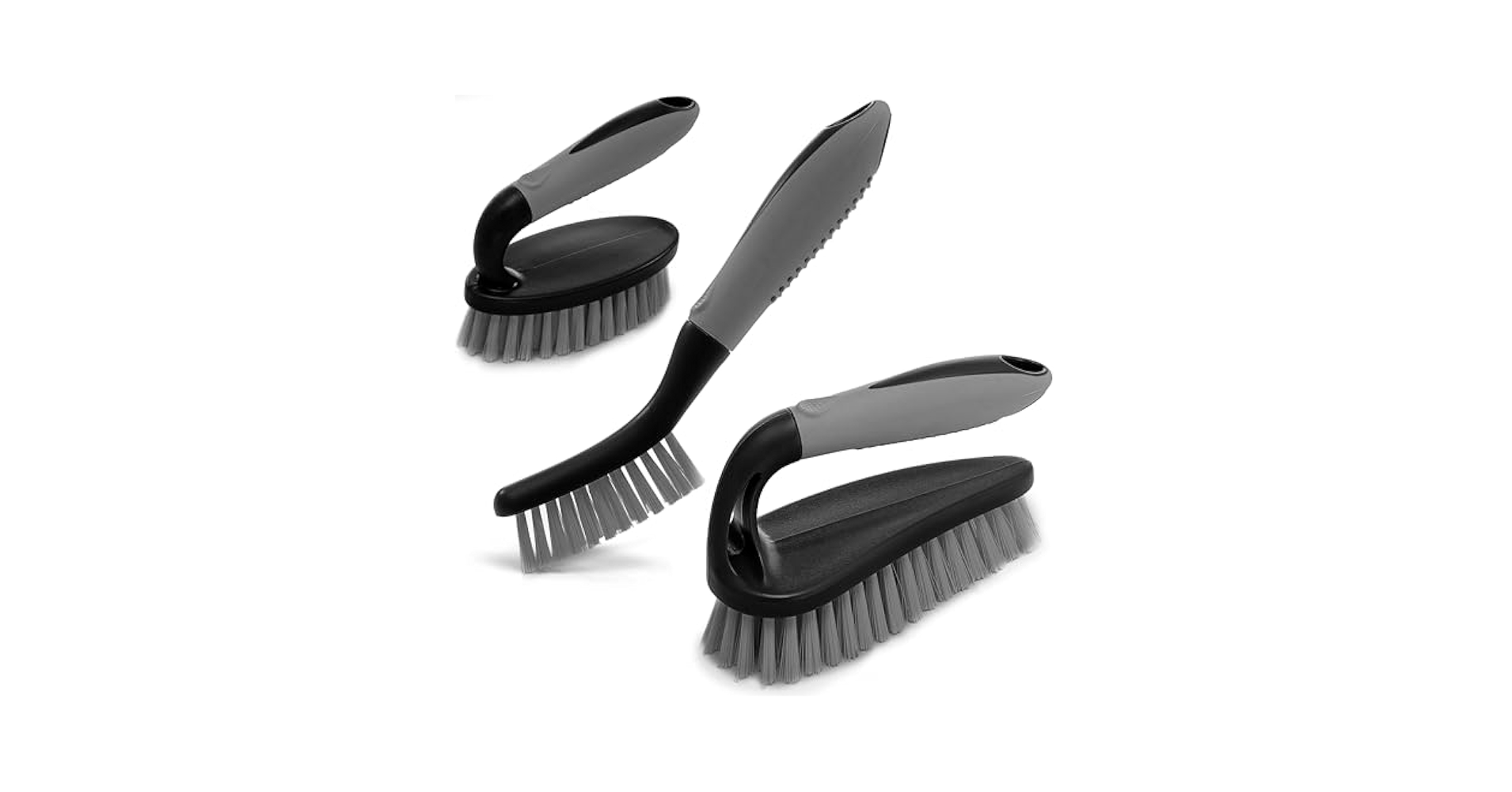
Are you wondering if the kitchen scrub brush sitting in your sink is safe to use in your aquarium? It’s a simple question, but the answer can affect the health of your fish and the clarity of your tank water.
Using the wrong brush could introduce harmful chemicals or damage delicate surfaces. You’ll discover what makes a scrub brush safe or unsafe for your aquarium. By the end, you’ll know exactly how to keep your tank clean without risking your aquatic friends’ wellbeing.
Keep reading to protect your underwater world with confidence.

Credit: www.amazon.com
Risks Of Using Kitchen Brushes In Aquariums
Using kitchen scrub brushes in your aquarium might seem like a convenient choice. But there are hidden risks that could harm your aquatic environment. Understanding these dangers helps you protect your fish and maintain a healthy tank.
Chemical Residues And Contaminants
Kitchen brushes often carry residues from soaps, detergents, or food particles. Even if washed thoroughly, tiny amounts of these chemicals can remain. Introducing these contaminants into your aquarium water can upset the delicate balance and poison your fish.
Have you ever noticed unexplained fish behavior after cleaning the tank? Chemical residues could be the silent culprit. It’s safer to avoid brushes that have been in contact with household cleaning products or food.
Material Safety Concerns
Not all brush materials are aquarium-safe. Some plastics or synthetic fibers can release harmful substances over time. Others might degrade or shed small particles that pollute the water.
For example, a nylon brush designed for kitchen use may break down faster in water, releasing microplastics. These particles can clog filtration systems and stress your fish. Choosing brushes made specifically for aquarium use ensures material compatibility and longevity.
Potential Impact On Fish Health
Fish are sensitive to changes in their environment. Introducing harmful chemicals or particles can cause stress, disease, or even death. Skin irritation, respiratory issues, and weakened immune systems are common problems linked to poor cleaning tools.
Think about the last time you saw your fish hiding or acting lethargic after tank cleaning. Could the brush have triggered that reaction? Protecting your fish means using tools designed with their health in mind, not just convenience.

Credit: www.amazon.com
Safe Alternatives For Aquarium Cleaning
Keeping an aquarium clean is essential for the health of fish and plants. Choosing safe cleaning tools prevents harm to aquatic life and tank surfaces. Some kitchen scrub brushes may contain harmful chemicals or rough bristles that can damage the aquarium glass or stress the fish. Safe alternatives offer gentle yet effective cleaning without risking the tank's environment.
Specialized Aquarium Brushes
These brushes are designed specifically for aquarium use. Their bristles are soft and safe for glass and acrylic tanks. Many have long handles for easy reach into corners and hard-to-clean areas. They do not contain harmful chemicals or dyes that could leach into the water. Using these brushes ensures thorough cleaning without harming aquatic life.
Natural Cleaning Tools
Tools made from natural materials provide a safe way to scrub tanks. Soft sponges and pads made from cellulose or bamboo are gentle on surfaces. They avoid synthetic fibers that may shed or break apart underwater. Natural tools do not introduce toxins or pollutants to the aquarium. They also break down more easily when discarded, reducing environmental impact.
Diy Options For Safe Scrubbing
Simple homemade tools can clean aquariums safely and cheaply. A cloth attached to a long stick works well for wiping glass. Using a soft toothbrush reserved for aquarium care can reach small crevices. These DIY tools avoid chemicals and harsh materials. They allow control over cleaning pressure and reduce the risk of tank damage.
Expert Tips For Maintaining Aquarium Hygiene
Maintaining a clean aquarium is key to keeping fish healthy and happy. Proper hygiene prevents algae build-up and harmful bacteria growth. Small habits make a big difference in aquarium care.
Use the right tools and follow a routine to keep the tank sparkling. Safety matters, especially when choosing brushes for cleaning. Here are expert tips to help maintain aquarium hygiene effectively.
Regular Cleaning Schedules
Set a cleaning routine to keep your aquarium fresh. Clean the glass, decorations, and substrate regularly. Partial water changes every week help remove waste and toxins. Stick to a schedule to prevent dirt and algae build-up.
Proper Brush Care And Storage
Use brushes made from safe materials for aquarium use. Rinse brushes thoroughly after each use to remove residues. Store brushes in a dry, clean place to avoid bacteria growth. Avoid sharing brushes between tanks to prevent cross-contamination.
Signs Of Harm From Unsafe Cleaning Tools
Watch for scratched glass or damaged decorations after cleaning. Fish behavior changes, such as stress or illness, may indicate issues. Cloudy water or unusual algae growth can signal harm. Stop using any tools that cause damage or harm to the tank.
Materials To Avoid In Aquarium Brushes
Kitchen scrub brushes often contain harmful chemicals and rough materials that can damage aquarium surfaces. Soft, non-toxic materials like nylon are safer choices to protect fish and tank health. Avoid metal or abrasive fibers that may scratch or contaminate the water.
When it comes to selecting brushes for cleaning your aquarium, being aware of the materials used in kitchen scrub brushes is crucial. Not all brushes are safe for your aquatic friends. Some materials can leach harmful chemicals into the water, jeopardizing the health of your fish and plants. It's essential to identify and avoid these materials to maintain a safe environment in your aquarium.
Toxic Plastics And Paints
Many kitchen scrub brushes are made from plastic, but not all plastics are created equal. Some may contain toxic chemicals like BPA or phthalates. These can leach into the water, especially if the brush is left soaking for long periods. Paints on the brush can also be problematic. If the paint chips off, it can introduce harmful substances into the aquarium. Always look for brushes labeled as BPA-free and made from food-safe materials.
Metal Bristles And Rust Risks
Avoid using brushes with metal bristles in your aquarium. Metal can rust when submerged in water, releasing rust particles and other potentially harmful elements. Rust not only affects water quality but can also harm your fish by causing injuries or infections. Opt for brushes with nylon or other non-metal bristles to ensure the safety of your aquatic life.
Synthetic Fibers And Their Effects
Synthetic fibers might seem like a durable option, but they can have their downsides. Some synthetic materials can break down over time, releasing microplastics into the water. These tiny particles can be ingested by fish, leading to health issues. Additionally, synthetic fibers may be treated with chemicals that can leach into the water. Always check the label for any chemical treatments and prefer natural fibers when possible. Taking a moment to examine the materials in your cleaning tools can make a big difference in keeping your aquarium safe. What choices will you make to protect your aquatic ecosystem?
How To Choose Safe Kitchen Brushes For Aquarium Use
Choosing the right kitchen scrub brush for your aquarium is crucial. Not all brushes are safe for aquatic environments. Chemicals and materials in some brushes can harm fish and plants. Knowing what features to look for ensures a healthy tank.
Checking For Non-toxic Labels
Check product labels carefully. Look for terms like "non-toxic" or "safe for food contact." These brushes usually do not contain harmful chemicals. Avoid brushes with unknown or unclear material information. Certifications from safety organizations add trust.
Brush Design And Bristle Type
Choose brushes with soft, nylon bristles to avoid scratching tank surfaces. Avoid metal bristles that can rust or damage glass. A brush with a comfortable handle helps control cleaning better. Compact designs reach tight spaces easily.
Pre-use Cleaning Procedures
Always clean new brushes before use in aquariums. Rinse thoroughly with warm water to remove dust and residues. Avoid using soaps or detergents that leave harmful residues. Boiling the brush briefly can sterilize it safely.
Credit: www.kanbkam.com
Frequently Asked Questions
Are Kitchen Scrub Brushes Safe For Aquarium Cleaning?
Not all kitchen scrub brushes are safe for aquariums. Brushes with harsh chemicals or metal bristles can harm fish and plants. Use only new, plastic-bristled brushes free from detergents for safe aquarium cleaning.
Can Bacteria From Kitchen Brushes Harm Aquarium Life?
Yes, bacteria from kitchen brushes can introduce harmful pathogens to aquariums. Always use dedicated, sanitized brushes for aquarium maintenance to prevent infections and keep aquatic life healthy.
What Type Of Brush Is Best For Aquarium Use?
Soft, plastic-bristled brushes without chemical residues are best for aquariums. They effectively clean surfaces without scratching or introducing toxins, ensuring a safe environment for fish and plants.
How Often Should Aquarium Brushes Be Replaced?
Replace aquarium brushes every 3 to 6 months or when bristles wear out. Regular replacement prevents bacterial buildup and maintains effective cleaning for a healthy aquarium.
Conclusion
Kitchen scrub brushes may not always be safe for aquariums. Some brushes contain chemicals or materials that can harm fish and plants. Choose brushes made specifically for aquarium use. Always rinse brushes well before cleaning the tank. Clean tools help keep your aquarium healthy and clear.
Small steps protect your aquatic pets every day. Careful choices make a big difference in tank safety. Keep your aquarium clean, safe, and beautiful.