
Have you ever stopped to think about where your kitchen sponge comes from? That simple, everyday tool you use to clean dishes and wipe counters has an interesting story behind it.
Knowing its origins can change the way you see this small but essential item. You’ll discover how kitchen sponges are made, the materials used, and even some surprising facts that might make you rethink your cleaning routine. Keep reading to uncover the hidden world behind your kitchen sponge.
Natural Vs Synthetic Sponges
Kitchen sponges come in two main types: natural and synthetic. Both serve the same purpose but come from very different sources. Understanding their origins helps in choosing the right sponge for your kitchen needs. Natural sponges are harvested from the sea. Synthetic sponges are made in factories using man-made materials.
Origins Of Natural Sponges
Natural sponges grow in warm ocean waters. They are soft animals with a porous body. Fishermen collect these sponges by hand or with boats. The sponges are then cleaned and dried for use. These sponges are biodegradable and gentle on surfaces. They are popular for their durability and natural texture.
Manufacturing Synthetic Sponges
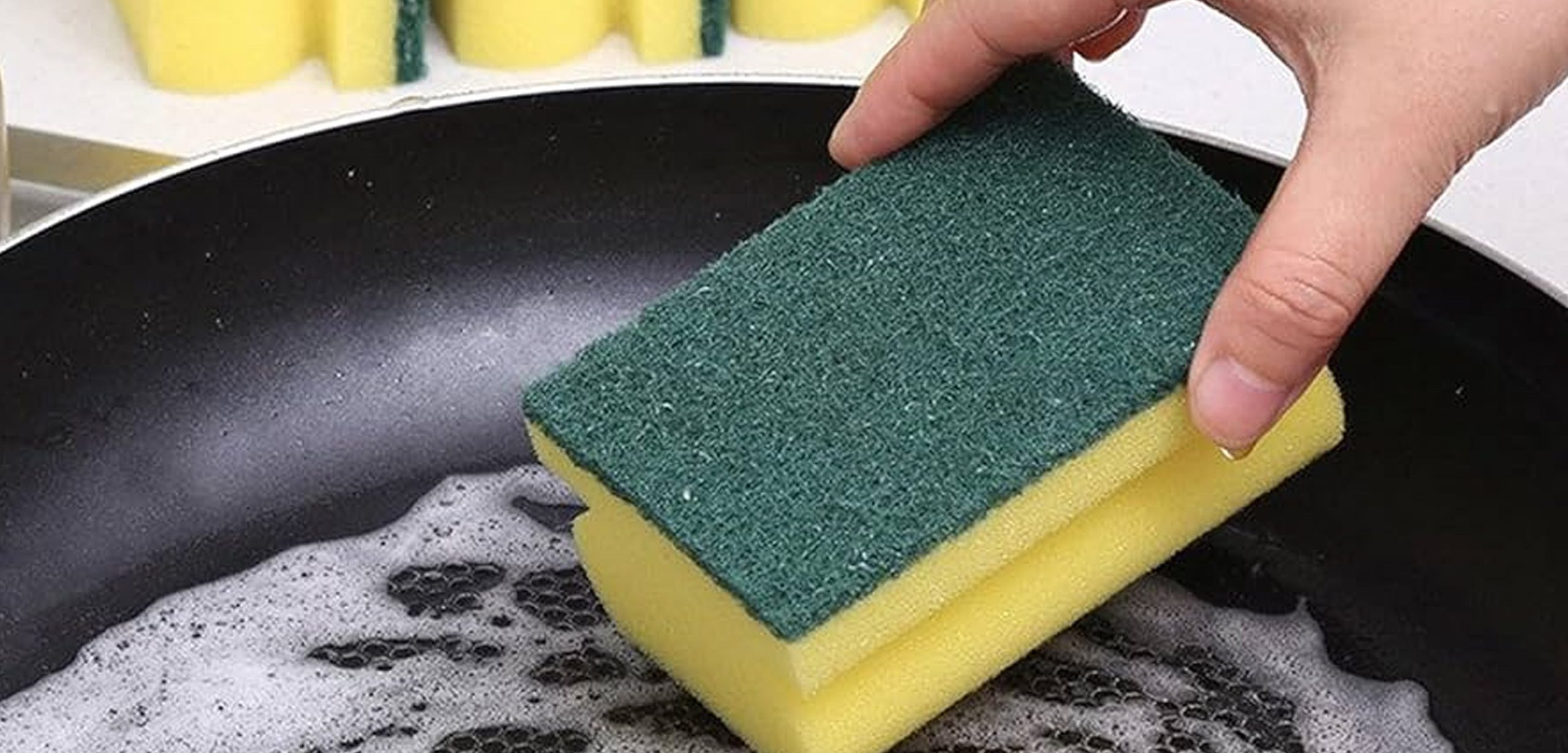
Synthetic sponges start as chemicals like polyurethane or cellulose. Factories mix and heat these materials until they form a sponge shape. The texture and size are controlled during production. These sponges dry quickly and resist mold. They are cheaper to make and widely available. Synthetic sponges often have scrubby layers for tough cleaning.

Credit: www.airnex.store
Harvesting Natural Sponges
Natural kitchen sponges have a fascinating origin that begins deep underwater. The process of harvesting these sponges requires skill, patience, and respect for the marine environment. Understanding how these sponges are gathered gives you a greater appreciation for the simple tool you use every day.
Diving For Sponges
Diving for natural sponges is a hands-on, often challenging task. Skilled divers swim down to the ocean floor, sometimes as deep as 60 feet, to locate sponge beds. They carefully cut the sponges from the seabed without damaging the surrounding ecosystem.
This work demands physical strength and expert knowledge of underwater life. Divers rely on their experience to identify mature sponges that are ready to be harvested. Have you ever considered the effort behind the sponge you use to wash your dishes?
Processing And Preparation
Once harvested, the sponges undergo thorough cleaning to remove salt, sand, and any marine debris. They are soaked in fresh water to soften their texture and make them ready for household use.
After cleaning, sponges are sorted by size and quality. Some may be trimmed or shaped before packaging. This careful preparation ensures that the sponges are both durable and gentle for your kitchen tasks.
Materials Behind Synthetic Sponges
Synthetic sponges are made from man-made materials designed for cleaning. These materials give sponges their soft texture and durability. Understanding what goes into them helps us see their benefits and drawbacks. The choice of material affects the sponge’s strength and how well it absorbs water.
Common Polymers Used
Most synthetic sponges use polymers derived from petroleum. These include:
- Polyurethane:The most popular material, known for its flexibility and resilience.
- Polyester:Often used for scrubbing layers due to its rough texture.
- Polyethylene:Provides softness and good water retention.
These polymers are processed to create a porous structure. This structure traps water and soap, making cleaning easier. The mix of polymers defines the sponge’s firmness and lifespan.
Environmental Impact
Synthetic sponges are not biodegradable. They can take hundreds of years to break down in landfills. Production relies heavily on fossil fuels, increasing carbon emissions.
Microplastics from worn sponges pollute water bodies. This harms marine life and ecosystems. Some brands now offer sponges made from recycled materials to reduce waste.
Choosing natural or biodegradable sponges can lessen environmental harm. Proper disposal and recycling are important steps too.

Credit: www.airnex.store
Evolution Of Kitchen Sponges
The kitchen sponge has a rich history that shows how cleaning tools evolved over time. From simple materials to smart designs, the sponge has changed to meet everyday needs. Understanding this evolution helps us appreciate the sponge's role in kitchens worldwide.
Early Cleaning Tools
Long ago, people used natural materials to clean dishes. Soft leaves, moss, and sea sponges were common choices. Sea sponges were harvested from the ocean and prized for their softness and absorbency. These sponges were durable but costly and not easy to find everywhere. Before synthetic sponges, people also used cloths and rougher items like animal hair brushes for scrubbing.
Modern Sponge Innovations
In the 20th century, synthetic sponges changed kitchen cleaning. Made from materials like cellulose and foam, these sponges are cheap and widely available. Today’s sponges often have two sides: one soft and absorbent, the other rough for scrubbing. Some include antibacterial treatments to reduce germs. Designers continue improving sponges for better durability and hygiene. These small innovations make kitchen cleaning faster and easier than before.
Global Sponge Production
Kitchen sponges are essential in households around the world. They play a crucial role in cleaning and maintaining hygiene. But where do these handy tools come from? The journey of a kitchen sponge begins in various parts of the world. Understanding global sponge production provides insight into its origins and impact.
Key Producing Regions
Several regions are key players in sponge production. Asia leads with countries like China and India, known for large-scale production. Europe, especially countries like Germany and Italy, also contribute significantly. The United States remains a key player in the synthetic sponge market. Each region uses unique materials and techniques, adding variety to the market.
Economic Importance
Sponge production boosts local economies by providing jobs and supporting industries. It drives demand for raw materials like cellulose and synthetic fibers. Small businesses thrive, creating opportunities in manufacturing and distribution. The sponge industry, though often overlooked, plays a vital role in the global economy.

Credit: www.airnex.store
Choosing The Right Sponge
Choosing the right kitchen sponge can make a huge difference in your daily cleaning routine. It’s not just about picking any sponge off the shelf; you need to consider how well it holds up and how safe it is for your health. Understanding what to look for helps you avoid waste and keeps your kitchen cleaner and safer.
Durability And Performance
Not all sponges are built the same. Some break down quickly, leaving bits behind that can clog your sink or dishwasher. Others stay sturdy through multiple uses, saving you money and effort.
Think about the type of cleaning you do. If you often scrub tough pots, a sponge with a rough scrubbing layer works best. For delicate surfaces like glass, a softer sponge prevents scratches.
Have you noticed how some sponges soak up a lot of water but don’t dry well? That can make them less effective and smell bad faster. Look for sponges that dry quickly and resist falling apart.
Health And Hygiene
Your kitchen sponge can harbor more germs than a toilet seat if you’re not careful. Moist environments and leftover food particles create the perfect breeding ground for bacteria.
Choosing sponges with antimicrobial properties or those made from natural materials like cellulose can reduce bacteria growth. Remember, even the best sponge needs regular cleaning or replacement.
Ask yourself: how often do you replace your sponge? Keeping a sponge longer than two weeks can lead to health risks. You might consider using dishwasher-safe sponges or microwaving damp sponges to kill germs between uses.
Frequently Asked Questions
Where Are Kitchen Sponges Originally Made?
Kitchen sponges are primarily manufactured in countries like China, the USA, and Germany. These countries use both natural and synthetic materials to produce durable sponges. The manufacturing process involves cutting, shaping, and sometimes adding antimicrobial agents for better hygiene and longevity.
What Materials Are Kitchen Sponges Made From?
Kitchen sponges are made from cellulose, synthetic foam, or a combination. Cellulose sponges are natural, derived from wood pulp. Synthetic sponges use plastic polymers like polyurethane. Some sponges include abrasive fibers for scrubbing tough stains.
How Did Kitchen Sponges Originate Historically?
Originally, natural sea sponges were used for cleaning. Over time, synthetic sponges were developed in the 20th century. This innovation made sponges more affordable and widely available for kitchen use worldwide.
Are Kitchen Sponges Biodegradable Or Recyclable?
Natural cellulose sponges are biodegradable and environmentally friendly. Synthetic sponges, however, are usually not biodegradable and can pollute landfills. Recycling options for synthetic sponges are limited, so disposal should be done responsibly.
Conclusion
Kitchen sponges start from natural sea sources or synthetic materials. They help clean dishes and surfaces every day. Knowing their origin makes us appreciate them more. Choosing the right sponge can keep your kitchen cleaner. Take care of your sponge by rinsing and drying it well.
Replace it often to avoid germs and bacteria. Small steps make a big difference in kitchen hygiene. Now, you understand where your kitchen sponge comes from.