
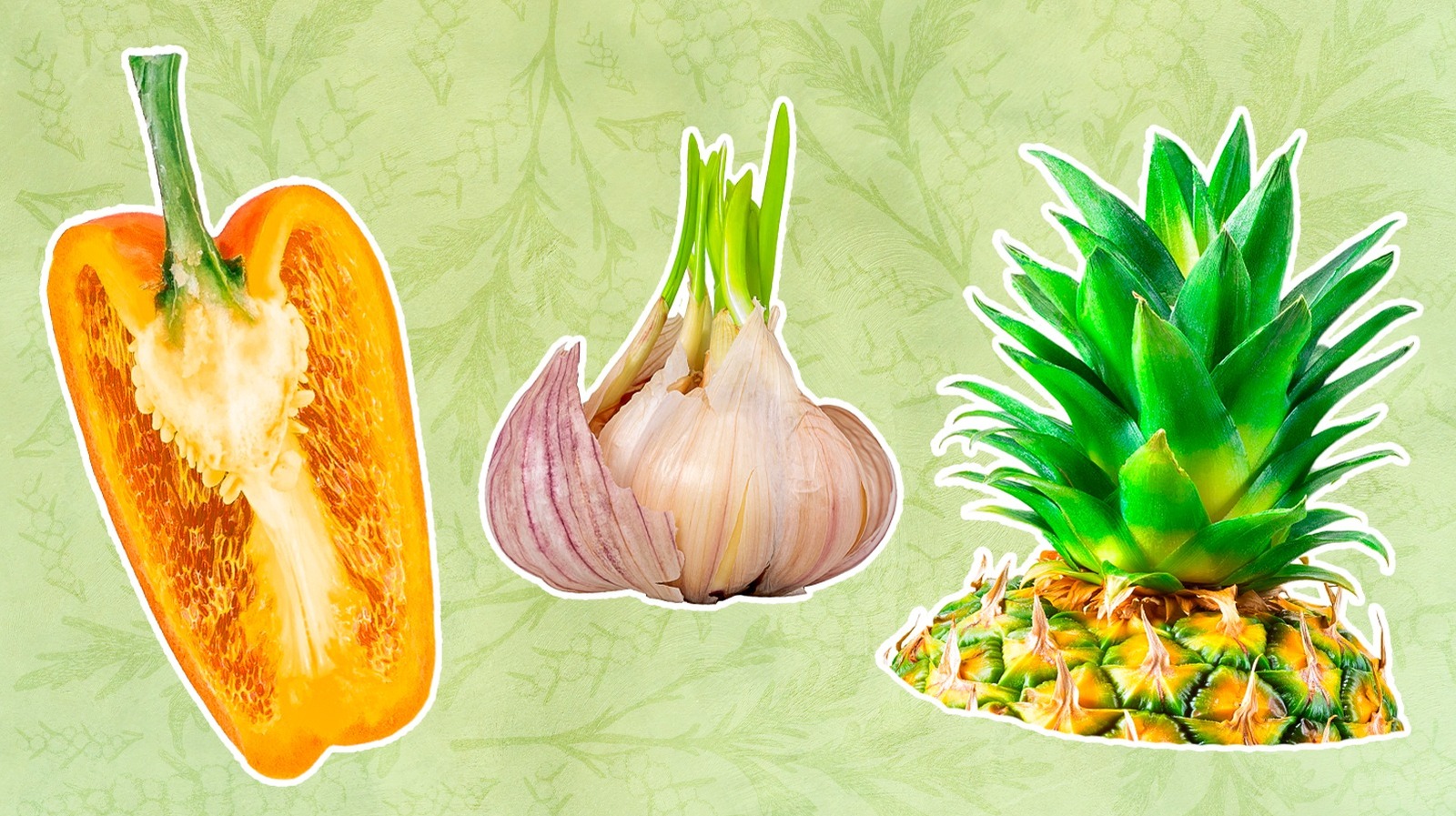
Have you ever wondered what happens to the leftover bits from your fruits, vegetables, and meals? Those small pieces you toss away without a second thought are called kitchen scraps.
But these scraps are more than just waste—they hold surprising value for your home, garden, and even the environment. By understanding what kitchen scraps are and how you can use them, you can turn what feels like trash into something truly useful.
Keep reading to discover simple ways to make the most of your kitchen scraps and see how a small change in your routine can make a big difference.
Kitchen Scraps Basics
Kitchen scraps are the leftover bits and pieces from your cooking and food preparation. They might seem like trash, but they hold value if you know how to use them. Understanding what kitchen scraps are can change how you manage waste and even improve your meals.
Types Of Kitchen Scraps
Kitchen scraps come in many forms. Some are organic, like fruit peels, vegetable ends, and eggshells. Others include coffee grounds, tea leaves, and stale bread.
Not all scraps are food. You might also find packaging materials or broken utensils, but these don’t belong in compost or waste meant for recycling. Focusing on organic scraps helps you decide what to compost or reuse.
Common Sources In The Kitchen
Your kitchen produces scraps from everyday tasks. Peeling potatoes or carrots leaves behind skins. Cutting fruits often results in cores or seeds. Even cleaning fish or meat generates scraps like bones and trimmings.
Think about your own cooking habits. What scraps do you throw away most? Could you save vegetable peels for broth or eggshells for your garden? Recognizing these sources is the first step to reducing waste and finding new uses for scraps.

Credit: growingorganic.com
Impact Of Kitchen Waste
Kitchen scraps might seem small and insignificant, but their impact on the environment and economy is surprisingly big. Understanding how your daily food waste affects the world can help you make smarter choices. Let's look at the real consequences of kitchen waste and why it matters to you.
Environmental Consequences
Throwing away kitchen scraps adds to the growing problem of landfill waste. When organic waste breaks down in landfills, it releases methane, a gas far more harmful to the atmosphere than carbon dioxide.
Have you ever noticed the smell of rotting food in the trash? That smell is a sign of harmful gases being produced. These gases contribute to climate change and air pollution.
Reducing kitchen waste can directly lower these emissions. Even small changes, like composting vegetable peels or saving leftovers, make a difference in shrinking your carbon footprint.
Economic Costs
Kitchen waste doesn’t just harm the environment—it hits your wallet too. Wasting food means wasting money spent on groceries that end up in the trash.
Municipalities spend billions yearly on collecting and processing food waste. These costs often trickle down to taxpayers, increasing your utility bills and taxes.
Imagine saving a portion of your grocery budget simply by planning meals better or using leftovers creatively. This not only cuts down waste but also keeps more money in your pocket.
Smart Waste Reduction Strategies
Smart waste reduction strategies help cut down kitchen scraps and save money. They also reduce environmental impact by minimizing food thrown away. Small changes in daily habits lead to big results over time. Focus on planning, storage, and creative cooking to use food fully.
Meal Planning Tips
Plan meals ahead to buy only what is needed. Make a simple list based on the week’s menu. Check your fridge and pantry before shopping to avoid duplicates. Choose recipes that use similar ingredients to reduce leftovers. Stick to the list to prevent impulse buys that may spoil.
Proper Storage Techniques
Store fruits and vegetables in the right place to keep them fresh longer. Use airtight containers to keep leftovers safe and tasty. Label containers with dates to use food before it spoils. Separate ethylene-producing fruits like apples from sensitive vegetables. Keep your fridge clean and organized for easy access and less waste.
Creative Use Of Leftovers
Turn leftover vegetables into soups, stews, or stir-fries. Use stale bread to make croutons or bread pudding. Save meat scraps for broth or add to salads and sandwiches. Freeze extra portions for quick meals later. Mix different leftovers to create new dishes and avoid throwing food away.

Credit: food52.com
Composting Kitchen Scraps
Composting kitchen scraps is a sustainable way to reduce waste. It turns food waste into nutrient-rich soil for gardens. This process not only helps the environment but also enriches your plants. Let's explore how you can start composting at home.
Benefits Of Composting
Composting reduces landfill waste. It cuts down on greenhouse gas emissions. It also saves money on fertilizer. By composting, you improve soil quality. It promotes healthy plant growth. Moreover, it conserves water by improving soil structure.
How To Start Composting At Home
Start with a compost bin or pile. Choose a spot with good drainage. Add a mix of green and brown materials. Green materials are kitchen scraps. Brown materials are leaves and straw. Turn the pile regularly to aerate it. Keep it moist but not soggy.
What To Compost And What To Avoid
- Compost fruit and vegetable scraps.
- Add coffee grounds and filters.
- Include eggshells and tea bags.
- Avoid meat, dairy, and oily foods.
- Do not compost diseased plants or weeds.
Repurposing Kitchen Scraps
Repurposing kitchen scraps helps reduce waste and saves money. Instead of throwing them away, you can find new uses for these leftovers. This practice supports a greener lifestyle and brings practical benefits to your home.
Diy Cleaning Solutions
Many kitchen scraps work well as natural cleaners. Citrus peels, like lemon or orange, have oils that cut grease and freshen the air. Vinegar and citrus peels create a powerful cleaning spray. Coffee grounds can scrub stubborn stains without scratching surfaces. Using these scraps avoids harsh chemicals and keeps your home fresh.
Natural Garden Fertilizers
Kitchen scraps enrich garden soil naturally. Vegetable peels and eggshells add nutrients like nitrogen and calcium. Composting these scraps improves soil health and plant growth. Simply collect scraps in a compost bin or bury them in the soil. This method reduces waste and supports healthy plants.
Crafts And Household Uses
Kitchen scraps inspire creative projects around the house. Dried citrus slices make beautiful decorations or potpourri. Onion skins can dye fabrics naturally. Stiffened vegetable leaves create unique textures for art. These ideas turn waste into useful or decorative items, giving scraps a second life.

Credit: www.yahoo.com
Tools And Apps For Waste Reduction
Reducing kitchen scraps starts with understanding how much food you waste and finding smart ways to use leftovers. Tools and apps designed for waste reduction help you track your habits and inspire creative cooking ideas. These resources make saving food simple and even fun.
Waste Tracking Tools
Tracking your kitchen scraps gives you clear insight into what you throw away most. Apps like Olioand Too Good To Golet you log wasted items easily, helping you spot patterns over time.
Some tools send reminders to check your fridge before shopping, reducing impulse buys that often end up as scraps. Have you tried noting down what you toss for a week? You might be surprised at how much you can save just by being aware.
Recipe Apps For Leftovers
Leftover ingredients can turn into delicious meals with the right recipes. Apps like SuperCookand Leftover Swapask what you have on hand and suggest dishes you can make immediately.
These apps reduce guesswork and encourage creativity. Imagine turning that half-used bell pepper and leftover rice into a tasty stir-fry instead of tossing them out. Would you be willing to try a new recipe app tonight?
Community And Policy Efforts
Community and policy efforts shape how kitchen scraps are managed beyond individual homes. These efforts create systems that make it easier for you to reduce waste and contribute to a healthier environment. When communities and governments work together, the impact of kitchen scrap recycling can grow significantly.
Local Recycling Programs
Many cities have started local recycling programs specifically for kitchen scraps. These programs often provide special bins or pickup services for food waste, turning scraps into compost instead of landfill trash.
Take my neighborhood, for example. When the city introduced curbside compost pickup, I noticed less waste in my trash can and a lot more green space in the community garden. Could your town benefit from a similar program?
- Check if your city offers kitchen scrap collection.
- Learn what types of food waste are accepted.
- Participate actively to reduce landfill waste.
Food Donation Initiatives
Some community efforts focus on rescuing edible kitchen scraps before they become waste. Food donation programs collect surplus food from homes, restaurants, and stores to help people in need.
Imagine that leftover vegetables in your fridge could feed a family struggling with hunger. By donating, you reduce waste and support your community simultaneously.
- Find local food banks or shelters accepting donations.
- Understand safe donation practices to avoid health risks.
- Encourage businesses to join food rescue networks.
What steps can you take today to connect with these community programs? Your actions can inspire others and create a ripple effect of positive change.
Frequently Asked Questions
What Are Kitchen Scraps Commonly Composed Of?
Kitchen scraps include leftover vegetable peels, fruit cores, eggshells, coffee grounds, and food trimmings. They are biodegradable and ideal for composting.
How Can Kitchen Scraps Be Reused Effectively?
You can compost kitchen scraps to create nutrient-rich soil. Some scraps also work as natural fertilizers or homemade cleaning agents.
Why Is Separating Kitchen Scraps Important?
Separating kitchen scraps reduces landfill waste and lowers greenhouse gas emissions. It also supports composting and sustainable waste management practices.
Are All Kitchen Scraps Compostable?
Most kitchen scraps like vegetable peels and coffee grounds compost well. However, meat, dairy, and oily scraps usually should be avoided.
Conclusion
Kitchen scraps include leftover food parts you usually throw away. These scraps can help reduce waste and save money. Composting them creates rich soil for plants. Using kitchen scraps wisely helps the environment and your garden. Small changes in handling scraps make a big difference.
Start paying attention to your kitchen waste today. It’s easy, useful, and good for the planet. Everyone can take part and help reduce trash. Simple habits lead to a cleaner, greener home.