

Your kitchen is more than just a place to cook; it’s where you create meals for yourself and your loved ones. But have you ever stopped to think about how a clean kitchen affects your health and happiness?
Keeping your kitchen spotless isn’t just about looking good—it can protect you from harmful germs, prevent accidents, and make cooking more enjoyable. If you want to feel safer, save time, and even improve the taste of your food, understanding why cleaning is important in the kitchen is key.
Keep reading to discover simple reasons that will change how you see your kitchen forever.
Credit: www.msn.com
Health Risks From A Dirty Kitchen
A dirty kitchen poses serious health risks. Germs and bacteria thrive in unclean spaces. This can lead to illnesses and allergic reactions. Keeping the kitchen clean protects your family's health.
Bacteria And Germ Growth
Bacteria multiply quickly on dirty surfaces. Food scraps and spills create perfect breeding grounds. Common kitchen bacteria include Salmonella and E. coli. These germs can contaminate food and utensils. Regular cleaning stops bacteria from spreading.
Foodborne Illnesses
Consuming food from a dirty kitchen can cause sickness. Symptoms include nausea, vomiting, and diarrhea. Foodborne illnesses often result from cross-contamination. Raw meat juices and unwashed hands spread harmful microbes. Clean kitchens reduce the risk of these illnesses.
Allergens And Contaminants
Dust, mold, and pests increase in messy kitchens. These allergens trigger asthma and allergic reactions. Chemical residues from cleaning products can also contaminate food. Proper cleaning removes these dangers from kitchen surfaces. A clean kitchen means safer meals for everyone.
Credit: www.plenty.com
Key Areas To Keep Clean
Keeping certain areas of the kitchen clean is crucial for health and safety. Dirt and germs can spread quickly in these spaces. Proper cleaning helps stop bacteria and keeps food safe. Focus on these key areas to maintain a healthy kitchen environment.
Countertops And Surfaces
Countertops collect crumbs, spills, and germs. Cleaning them often prevents bacteria growth. Use a disinfectant suitable for your countertop type. Wipe down after preparing food to avoid cross-contamination. Pay attention to seams and edges where dirt hides.
Kitchen Appliances
Appliances like microwaves, refrigerators, and ovens can harbor bacteria. Clean both inside and outside regularly. Remove food particles and spills promptly. This keeps appliances working well and prevents bad odors. Don’t forget small appliances like toasters and blenders.
Cutting Boards And Utensils
Cutting boards and utensils often touch raw meat and vegetables. Wash them thoroughly after each use. Use hot, soapy water to kill germs. Consider separate boards for meat and veggies to avoid cross-contamination. Replace worn or deeply scored boards regularly.
Sinks And Faucets
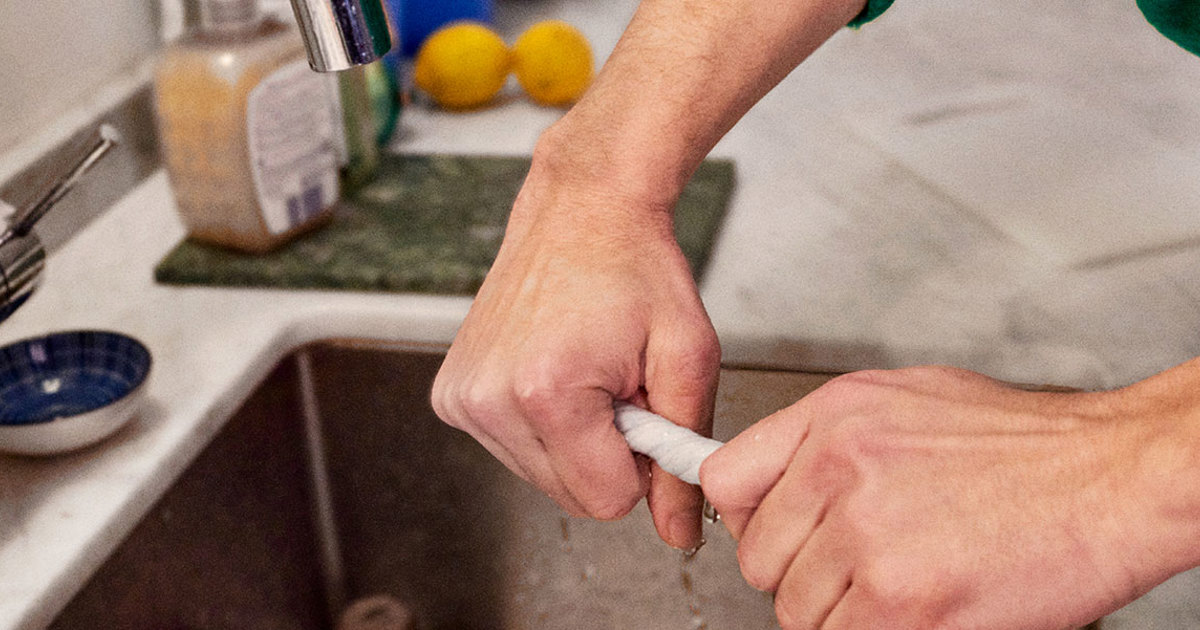
Sinks and faucets are germs hotspots in the kitchen. Clean them daily to remove food debris and bacteria. Use disinfectant on handles and spouts. Check for mold or mildew in and around the sink area. Keep drains clear to avoid clogs and bad smells.
Effective Cleaning Techniques
Effective cleaning techniques keep the kitchen safe and healthy. Dirt, germs, and food residue can cause illness and spoil food. Proper cleaning reduces these risks by removing harmful substances. Understanding the right methods ensures a clean kitchen environment.
Choosing Safe Cleaning Products
Pick cleaning products that are safe for kitchen use. Avoid harsh chemicals that can leave toxic residues. Look for products labeled food-safe or non-toxic. Natural alternatives like vinegar and baking soda work well. Always read instructions before use to ensure safety.
Sanitizing Vs. Cleaning
Cleaning removes dirt and food particles from surfaces. Sanitizing kills bacteria and germs that cleaning may miss. Both steps are needed for a healthy kitchen. Use soap and water for cleaning. Use a sanitizer approved for kitchen use after cleaning.
Proper Handwashing Practices
Wash hands often during food preparation. Use warm water and soap. Scrub all parts of hands for at least 20 seconds. Rinse well and dry with a clean towel. Handwashing prevents the spread of germs to food and surfaces.
Daily Kitchen Cleaning Habits
A clean kitchen keeps germs and bacteria away, making food safer to eat. Regular cleaning prevents pests and keeps surfaces fresh and ready for cooking.
Creating daily cleaning habits in your kitchen is essential to maintain a healthy and inviting space. These habits not only ensure your kitchen stays spotless but also prevent unwanted pests and foodborne illnesses. By incorporating small, consistent actions into your routine, you can enjoy a cleaner, safer kitchen without much effort.
Wiping Down Surfaces
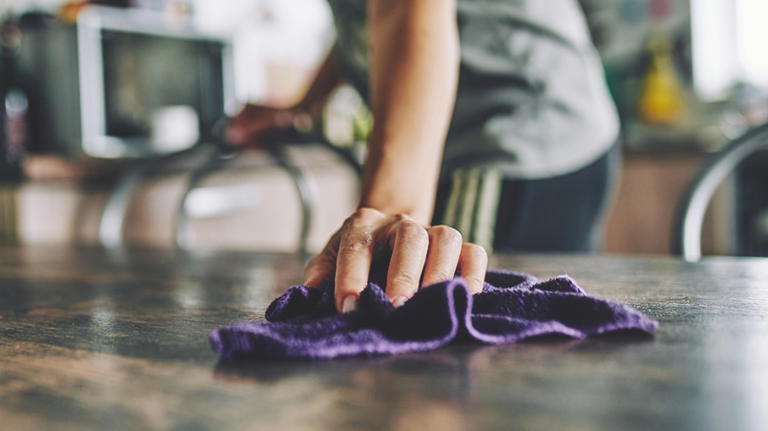
A simple wipe-down of your kitchen surfaces can make a world of difference. After cooking, use a damp cloth with a mild cleaner to remove spills and crumbs. This prevents bacteria buildup and keeps your kitchen looking fresh and tidy.
Proper Food Storage
Storing food correctly is crucial to avoid spoilage and contamination. Ensure leftovers are sealed in airtight containers and placed in the refrigerator promptly. Labeling containers with dates can help you manage food freshness and reduce waste.
Regular Trash Disposal
Taking out the trash regularly is more than just a chore; it's a necessity for a clean kitchen. Overflowing bins can attract pests and create unpleasant odors. Make it a habit to empty your trash at least once a day, especially if you've disposed of food scraps. How do these habits fit into your daily routine? Start small and focus on consistency. Your kitchen will thank you.
Benefits Of A Clean Kitchen
Keeping your kitchen clean goes beyond just making it look nice. It directly impacts your health, the food you prepare, and the lifespan of your kitchen appliances and surfaces. Discovering the benefits of a clean kitchen might change how you approach your daily cleaning routine.
Preventing Illness
Bacteria and germs thrive in dirty kitchens. Without regular cleaning, harmful pathogens can contaminate your food and surfaces, leading to food poisoning and other illnesses.
Think about the last time you left raw chicken juices on a cutting board—did you clean it right away? That small action can make a huge difference in keeping sickness away from your family.
Cleaning reduces the risk of cross-contamination. It ensures your kitchen remains a safe place for cooking and eating.
Improving Food Taste And Quality
Have you ever noticed how fresh your meals taste when you cook in a spotless kitchen? Dirt and leftover food particles can alter the flavor of your dishes.
Clean utensils and cookware help preserve the true taste of ingredients. When your kitchen is clean, flavors shine through without unwanted smells or residues interfering.
Maintaining a tidy kitchen encourages better cooking habits. You’ll feel more motivated to experiment and create delicious meals.
Enhancing Kitchen Longevity
Regular cleaning protects your kitchen appliances and surfaces from damage. Grease build-up, stains, and grime can wear down materials over time.
Think about your stove or refrigerator—cleaning them regularly helps them work efficiently and last longer. It saves you money by preventing costly repairs or replacements.
Taking care of your kitchen is an investment. A well-maintained kitchen keeps its appearance and functionality for years, making your cooking space enjoyable every day.
Credit: creators.yahoo.com
Frequently Asked Questions
Why Is Kitchen Cleaning Important For Health?
Kitchen cleaning removes harmful bacteria and germs. It prevents food contamination and foodborne illnesses. A clean kitchen keeps your family safe and healthy every day.
How Often Should I Clean My Kitchen?
Daily cleaning of countertops and sinks is essential. Deep cleaning appliances and floors should happen weekly. Regular cleaning maintains hygiene and prevents buildup of dirt.
Can Kitchen Cleaning Prevent Pest Infestations?
Yes, cleaning removes food crumbs and spills that attract pests. Regular disposal of garbage and cleaning reduces pest hiding spots. This helps keep your kitchen pest-free.
What Are The Benefits Of A Clean Kitchen?
A clean kitchen improves food safety and cooking efficiency. It reduces stress and creates a pleasant cooking environment. Cleanliness also extends the lifespan of appliances and surfaces.
Conclusion
Keeping your kitchen clean helps stop germs from spreading. It makes cooking safer for everyone. A tidy kitchen also saves time when you look for things. Clean spaces feel fresh and inviting. Regular cleaning prevents pests and bad smells. Small daily tasks can keep your kitchen neat.
Everyone enjoys a clean place to eat and cook. Clean kitchens protect your health and boost comfort. Simple habits make a big difference over time.