
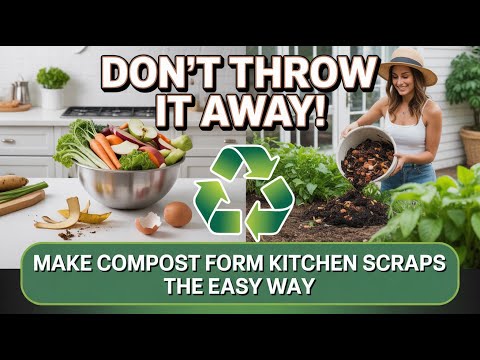
Have you ever wondered if those kitchen scraps piling up in your trash could actually be a treasure for your garden? You might be surprised to learn that what you throw away every day could help you grow healthier plants and reduce waste at the same time.
But are all kitchen scraps good for compost? Understanding what belongs in your compost bin can make a big difference in how well it works and how easy it is to maintain. Keep reading to discover the simple secrets that will turn your kitchen waste into nutrient-rich compost your garden will love.
Benefits Of Composting Kitchen Scraps
Composting kitchen scraps offers many benefits for your garden and the environment. It turns food waste into valuable material that helps your plants grow. Using scraps for compost reduces trash and improves soil quality naturally. The process supports healthy plants and lowers waste in landfills.
Enriching Soil Naturally
Kitchen scraps break down into rich compost full of nutrients. This natural fertilizer improves soil texture and moisture. It adds organic matter that helps soil hold water better. Healthy soil leads to stronger plants and better crop yields.
Reducing Household Waste
Composting kitchen scraps cuts down the trash sent to landfills. It lowers methane gas production, a harmful greenhouse gas. Less waste means a smaller carbon footprint for your home. It also saves space in garbage bins and reduces collection frequency.
Supporting Plant Growth
Compost made from kitchen scraps provides essential nutrients to plants. It encourages root development and boosts resistance to pests and diseases. Plants grown with compost grow faster and produce more flowers or fruits. This natural support helps your garden thrive without chemicals.

Credit: www.yahoo.com
Types Of Kitchen Scraps To Compost
Kitchen scraps are a great source of material for composting. They break down easily and add valuable nutrients to the soil. Knowing which types of scraps work best helps create rich, healthy compost. Use scraps that decompose quickly and support beneficial microbes.
Vegetable And Fruit Peels
Vegetable and fruit peels are excellent for compost. They contain moisture and nutrients that speed up decomposition. Common examples include:
- Potato skins
- Carrot tops
- Apple cores
- Banana peels
These scraps break down fast and enrich your compost with vitamins and minerals.
Coffee Grounds And Tea Bags
Coffee grounds and tea bags add nitrogen to compost. Nitrogen helps plants grow strong. Used coffee grounds are dark and crumbly. Tea bags can be composted if they are made from natural materials.
- Used coffee grounds
- Loose tea leaves
- Natural fiber tea bags
Avoid tea bags with plastic or staples. These do not break down well.
Eggshells And Nut Shells
Eggshells add calcium to compost. They help strengthen plant cell walls. Crush eggshells before adding them to speed decomposition.
Nut shells break down slowly and add texture. Use softer shells like peanut shells. Hard shells like walnut take longer to compost.
- Crushed eggshells
- Peanut shells
- Almond shells
Scraps To Avoid In Compost
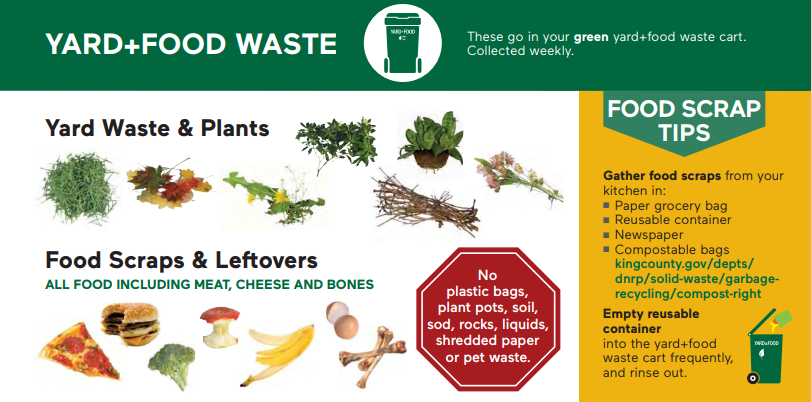
Not all kitchen scraps belong in your compost pile. Some can cause problems like bad smells, pests, or slow decomposition. Avoid these scraps to keep your compost healthy and effective. Knowing what to leave out helps you create rich, clean compost for your garden.
Meat And Dairy Products
Meat and dairy items attract pests like rats and flies. They also produce strong odors as they break down. These scraps can introduce harmful bacteria to your compost. Avoid adding meat, cheese, milk, or yogurt to prevent these issues.
Oils And Fats
Oils and fats do not break down well in compost. They create a greasy layer that blocks air flow. This slows down the composting process. Avoid cooking oils, butter, and greasy food scraps to keep compost balanced.
Diseased Or Moldy Food
Diseased or moldy food can spread illness to plants. Some molds produce toxins harmful to humans and animals. Composting these scraps risks contaminating your garden soil. It is best to discard any food with signs of mold or disease.
Credit: www.federalwaywa.gov
Tips For Effective Composting
Effective composting needs careful attention to a few key factors. These tips help create rich, healthy compost quickly. Managing the right balance and conditions ensures your kitchen scraps turn into valuable soil.
Balancing Greens And Browns
Compost needs a mix of greens and browns. Greens are wet and full of nitrogen. Examples include fruit peels, vegetable scraps, and coffee grounds. Browns are dry and rich in carbon. Think dried leaves, paper, and cardboard.
Too many greens make the pile smelly. Too many browns slow down decomposition. Aim for about three parts browns to one part greens. This balance helps microbes break down materials faster.
Maintaining Moisture Levels
Compost should be as damp as a wrung-out sponge. Too dry slows the process. Too wet causes bad odors and stops airflow. Check moisture by squeezing a handful of compost. Add water if dry. Add dry browns if too wet.
Keep the pile covered during heavy rain. This prevents excess water from soaking in. Proper moisture supports the helpful bacteria and fungi that decompose waste.
Turning The Pile Regularly
Turning the compost pile mixes air and materials. Oxygen is vital for the microbes to work well. Without air, the pile becomes smelly and slow. Use a garden fork or shovel to turn the pile every one to two weeks.
Turning also helps even out moisture and temperature. It speeds up the breakdown process. Regular turning means faster, better compost for your garden.
Common Composting Mistakes
Composting is a great way to recycle kitchen scraps. But, many make mistakes that hinder the process. Understanding these errors can improve your composting efforts.
Overloading With Kitchen Scraps
Too many kitchen scraps can lead to problems. Compost needs a balance of green and brown materials. Kitchen scraps are green materials. They are rich in nitrogen. Overloading can cause a bad smell. It also slows down decomposition. Use a mix of dry leaves, cardboard, and twigs. This balance keeps the compost healthy.
Ignoring Aeration
Compost needs air to break down materials. Without aeration, it becomes compact and smelly. Turn your compost regularly. This adds oxygen and speeds up the process. Create air pockets by adding twigs or straw. These help keep the pile loose.
Using Non-compostable Materials
Not everything is suitable for composting. Avoid adding non-compostable items. Plastics, metals, and certain chemicals should stay out. These materials do not break down. They can also contaminate the compost. Stick to natural materials for a safe compost.
Using Finished Compost In Your Garden
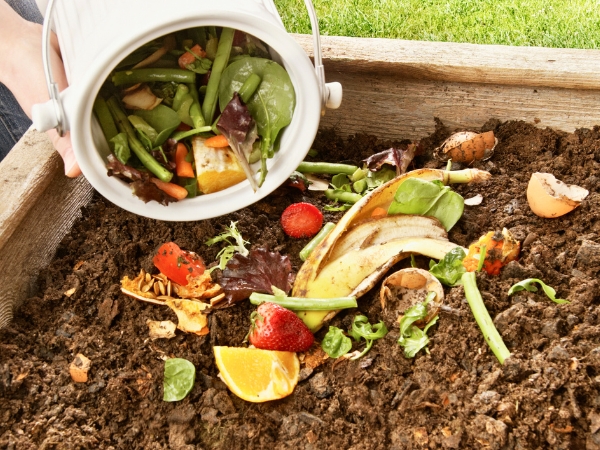
Using finished compost in your garden is one of the smartest ways to give your plants a natural boost. This dark, crumbly material is packed with benefits that go beyond just feeding your plants. If you want to see healthier growth and richer soil, adding compost can make a real difference.
Improving Soil Texture
Have you noticed how some garden soils get hard and compacted? Finished compost helps break up these tough soils, making them softer and easier to work with. It adds organic matter that improves drainage in clay soils and helps sandy soils hold water better.
When you mix compost into your garden beds, you create a balanced environment that encourages air and moisture to reach plant roots. This change can transform a struggling garden into a thriving one.
Boosting Nutrient Content
Your plants need nutrients like nitrogen, phosphorus, and potassium to grow strong. Finished compost slowly releases these nutrients, feeding your plants over time without the risk of burning them like some chemical fertilizers can.
Have you ever wondered why your plants seem to perk up after a rain? That’s because compost helps soil hold onto nutrients and water, making them available exactly when your plants need them. Adding a layer of compost around your vegetables or flowers is a simple step that pays off quickly.
Promoting Healthy Plant Roots
Strong roots mean strong plants. Compost supports root growth by improving soil structure and providing beneficial microbes that protect roots from disease. These microbes also help roots absorb nutrients more efficiently.
I’ve seen firsthand how plants grown in compost-rich soil develop deeper, more extensive roots. This makes them more resilient during dry periods and better able to take up nutrients. Are you ready to give your plants this kind of support?
Credit: canadale.ca
Frequently Asked Questions
What Kitchen Scraps Are Best For Composting?
Vegetable peels, fruit cores, coffee grounds, and eggshells are excellent for composting. Avoid oily or processed foods as they slow decomposition.
Can Meat Scraps Be Composted Safely?
Meat scraps are not recommended for home composting. They attract pests and cause odors. Use commercial composting if available.
How Do Kitchen Scraps Improve Compost Quality?
Kitchen scraps add nitrogen and moisture to compost, balancing carbon-rich materials. This speeds decomposition and enriches soil nutrients.
How Often Should Kitchen Scraps Be Added To Compost?
Add kitchen scraps regularly, ideally daily or every few days. Chop scraps into small pieces for faster breakdown and less odor.
Conclusion
Kitchen scraps make great compost ingredients. They add nutrients to the soil. Composting reduces waste and helps plants grow strong. Avoid adding meat or dairy to keep compost healthy. Chop scraps into small pieces for faster decay. Regularly turn the compost to mix materials well.
Using kitchen scraps for compost saves money and helps the environment. Give it a try and watch your garden thrive. Simple, natural, and good for the earth.