
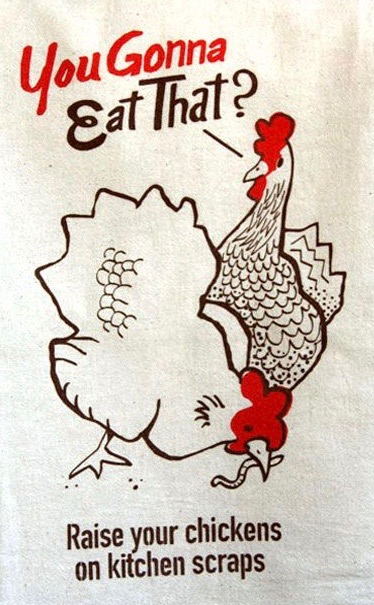
Are you wondering if those leftover kitchen scraps can be a healthy treat for your chickens? Feeding your flock the right food is key to keeping them happy and productive.
But not all scraps are created equal. What if some of what you toss out could actually boost your chickens’ health and save you money? Stick with me, and you’ll discover which kitchen scraps are safe, which ones to avoid, and how to make the most of your food waste to benefit your feathered friends.
Keep reading to find out how to turn your kitchen leftovers into a nutritious bonus for your chickens.
Credit: mobilechickenhouse.com
Benefits Of Feeding Kitchen Scraps
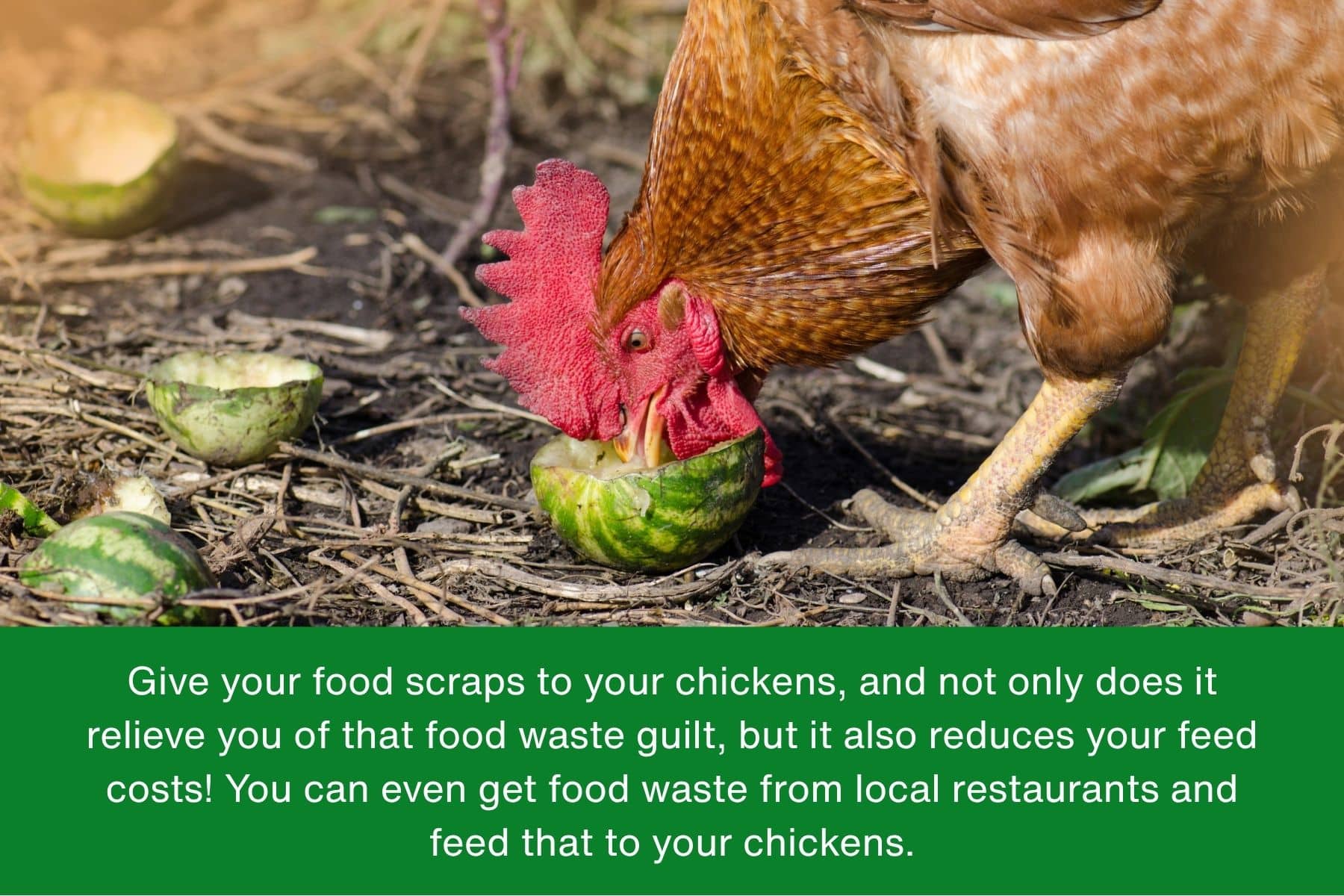
Feeding kitchen scraps to chickens offers several benefits for both the birds and their owners. These scraps can add variety and extra nutrients to their diet. It also helps reduce feeding costs and lowers food waste at home.
Nutritional Boost For Chickens
Kitchen scraps provide a wide range of nutrients that support chicken health. Fruits and vegetables add vitamins and minerals. Leftover grains offer carbohydrates and energy. Proteins from eggshells or meat scraps help with growth and egg production. This mix improves overall chicken vitality and immune strength.
Cost-effective Feeding
Using kitchen scraps saves money on commercial feed. Many scraps are free and easy to collect daily. Feeding leftovers reduces the need to buy extra food. This approach makes raising chickens more affordable. It also stretches your food budget without harming the birds.
Reducing Food Waste
Kitchen scraps fed to chickens prevent waste from going to the trash. Instead of discarding leftovers, they get reused as valuable chicken food. This practice lowers household waste and helps the environment. It encourages a sustainable lifestyle by recycling food naturally.
Safe Kitchen Scraps For Chickens
Feeding your chickens kitchen scraps can be a great way to reduce waste and provide them with tasty treats. However, not all scraps are safe or healthy for your flock. Knowing which scraps to offer ensures your chickens stay happy and healthy while enjoying a varied diet.
Vegetables And Fruits
Chickens love a variety of vegetables and fruits, but some are better than others. Safe options include:
- Carrots
- Cucumbers
- Leafy greens like spinach and kale
- Apples (without seeds)
- Berries
- Melons
These provide essential vitamins and hydration. Avoid onions and citrus fruits, as they can upset your chickens' digestive systems. Have you noticed how your hens eagerly peck at fresh greens? That’s a good sign they enjoy and benefit from these scraps.
Grains And Bread
Grains like rice, oats, and corn are safe and nutritious for chickens when given in moderation. Bread, especially whole grain, can be offered occasionally but should not make up a large part of their diet. Too much bread can cause digestive issues and lacks the nutrients chickens need.
Try offering small portions of leftover cooked rice or oats mixed with their regular feed. This adds variety and keeps them interested. Have you ever seen your chickens excitedly scratch through grains? It’s a natural behavior and a good way to keep them active.
Cooked Vs. Raw Scraps
Deciding whether to feed cooked or raw scraps depends on the type of food and your chickens’ preferences. Raw vegetables and fruits are generally safe and retain more nutrients. However, some grains and leftovers, like pasta or rice, are easier to digest when cooked.
Always avoid spoiled or moldy scraps, whether cooked or raw, as these can harm your flock. Think about your own meals—would you eat leftovers that are past their prime? Your chickens deserve the same care.
Scraps To Avoid
Not all kitchen scraps suit chickens. Some leftovers can harm their health. Knowing which scraps to avoid keeps chickens safe and healthy.
Toxic Foods For Chickens
Certain foods are poisonous to chickens. Avoid giving them:
- Raw potato peels and green potatoes
- Chocolate and caffeine
- Onions and garlic
- Avocado skin and pits
- Raw beans and rhubarb leaves
These items can cause illness or even death in chickens.
Moldy Or Spoiled Items
Mold grows quickly on scraps left out too long. Spoiled food can contain harmful bacteria. Always check scraps carefully. Avoid feeding chickens anything that looks or smells bad.
Moldy bread, rotten fruit, and old dairy can cause sickness.
Excessive Salt And Sugar
Too much salt or sugar harms chickens' health. Avoid giving salty snacks, processed foods, and sweets. These can cause dehydration and other health problems. Stick to natural, fresh scraps for better nutrition.

Credit: www.youtube.com
Feeding Tips And Best Practices
Kitchen scraps can be a healthy treat for chickens if chosen carefully. Avoid spoiled or toxic foods to keep them safe and happy. Feeding scraps in moderation supports a balanced diet and reduces waste.
Feeding Tips and Best Practices When it comes to feeding your chickens kitchen scraps, it's important to do it right. While scraps can be a great addition to their diet, not all foods are suitable, and it's crucial to maintain balance. By following a few best practices, you can ensure your chickens stay healthy and happy.
Portion Control
Chickens are natural foragers and love variety, but too much of a good thing can lead to problems. Offer kitchen scraps as a supplement, not a primary food source. A good rule of thumb is to keep scraps to about 10% of their overall diet. Overfeeding can lead to obesity and health issues, so monitor the amount and frequency. If your chickens start leaving scraps behind, it might be time to cut back.
Introducing New Foods
Chickens are curious creatures, but they can be wary of new foods. Introduce new scraps gradually to see how they react and to avoid digestive upset. Mix new items with familiar ones to ease the transition. Observe your chickens closely. If they show disinterest or adverse reactions, remove the new food. The goal is to keep their diet varied but safe.
Maintaining A Balanced Diet
While kitchen scraps are a tasty treat, they shouldn’t replace a balanced chicken feed. High-quality commercial feeds provide essential nutrients that scraps alone can't offer. Think of scraps as a fun addition rather than a staple. Consider what nutrients your scraps offer. Leafy greens, vegetables, and fruits are generally good choices, while processed foods and sugary items should be avoided. Always aim for a balanced diet that supports their growth and egg production. Remember, happy chickens lay healthy eggs. What kitchen scraps have you found to be a hit with your flock?
Impact On Chicken Health And Egg Quality
Feeding kitchen scraps to chickens can affect their health and the quality of their eggs. Some scraps provide extra nutrients that improve eggs. Others might carry risks that harm chickens. Watching how chickens react helps keep them safe and healthy.
Improved Egg Nutrition
Kitchen scraps often contain vitamins and minerals. These nutrients can make eggs richer in nutrients like omega-3 fats and vitamins A and E. For example, vegetable peels and fruit scraps add antioxidants. These help produce healthier eggs with better taste and color.
Adding scraps diversifies the chicken diet. This variety supports stronger eggshells and more vibrant yolks. Chickens eating a mix of grains, greens, and scraps tend to lay eggs with better nutrition.
Potential Health Risks
Some kitchen scraps can be harmful. Avoid feeding chickens spoiled or moldy food. These can cause illness or poisoning. Also, scraps high in salt, sugar, or fat may upset their digestion.
Raw potato peels, onion, garlic, and avocado should never be fed. These contain toxins harmful to chickens. Overfeeding scraps can lead to obesity and nutritional imbalance too.
Monitoring Chicken Behavior
Watch chickens closely when introducing new scraps. Look for signs of distress like lethargy or diarrhea. Notice if chickens avoid certain scraps; this may signal dislike or a problem.
Healthy chickens are active, alert, and have good feather condition. Changes in behavior or egg production can indicate health issues linked to diet.

Credit: www.youtube.com
Storing And Preparing Scraps
Handling kitchen scraps for your chickens requires attention to detail. Proper storage and preparation can keep your flock healthy and eager for their treats. Let’s dive into how you can manage scraps safely and effectively.
Safe Storage Methods
Store kitchen scraps in airtight containers to prevent odors and pests. Use a cool, dry place like a refrigerator or a shaded area in your coop. Avoid leaving scraps out for long periods, as spoiled food can harm your chickens.
I once left vegetable peels in an open bowl, and it quickly attracted ants and flies. Since then, sealing scraps properly has kept my chickens’ food fresh and safe.
Proper Cleaning
Rinse scraps thoroughly to remove dirt, pesticides, or residues before feeding them to your chickens. This step is especially important for fruits and vegetables with skins. Clean scraps reduce the risk of introducing harmful substances into your flock’s diet.
Think about how you wash your own produce—your chickens deserve the same care to stay healthy and strong.
Avoiding Cross-contamination
Keep scraps separate from raw meat, dairy, or any spoiled food. Use different containers and utensils for collection and serving. Cross-contamination can spread bacteria and cause illness in your chickens.
Have you ever noticed how quickly chickens can get sick from contaminated food? Preventing this means careful handling and keeping everything clean and separate.
Frequently Asked Questions
Are Kitchen Scraps Safe For Chickens To Eat?
Yes, many kitchen scraps are safe for chickens. Avoid spoiled or moldy food. Remove onions, garlic, and citrus peels to prevent harm.
What Kitchen Scraps Should Chickens Avoid?
Chickens should avoid chocolate, raw beans, avocado, and salty foods. These can be toxic and cause health issues.
How Do Kitchen Scraps Benefit Chickens?
Kitchen scraps add nutrients and variety to a chicken’s diet. They provide vitamins, minerals, and reduce feed costs effectively.
Can Feeding Kitchen Scraps Improve Egg Quality?
Yes, certain scraps like leafy greens and fruits can improve egg flavor and shell quality. Balanced feeding is essential.
Conclusion
Kitchen scraps can be a healthy treat for your chickens. They add variety to their diet and reduce food waste. Avoid giving them spoiled or harmful foods. Always balance scraps with their regular feed. Fresh water and a clean coop matter too.
Small changes can make your flock happier and healthier. Try it carefully and watch your chickens enjoy their meals. Simple steps bring big benefits.