
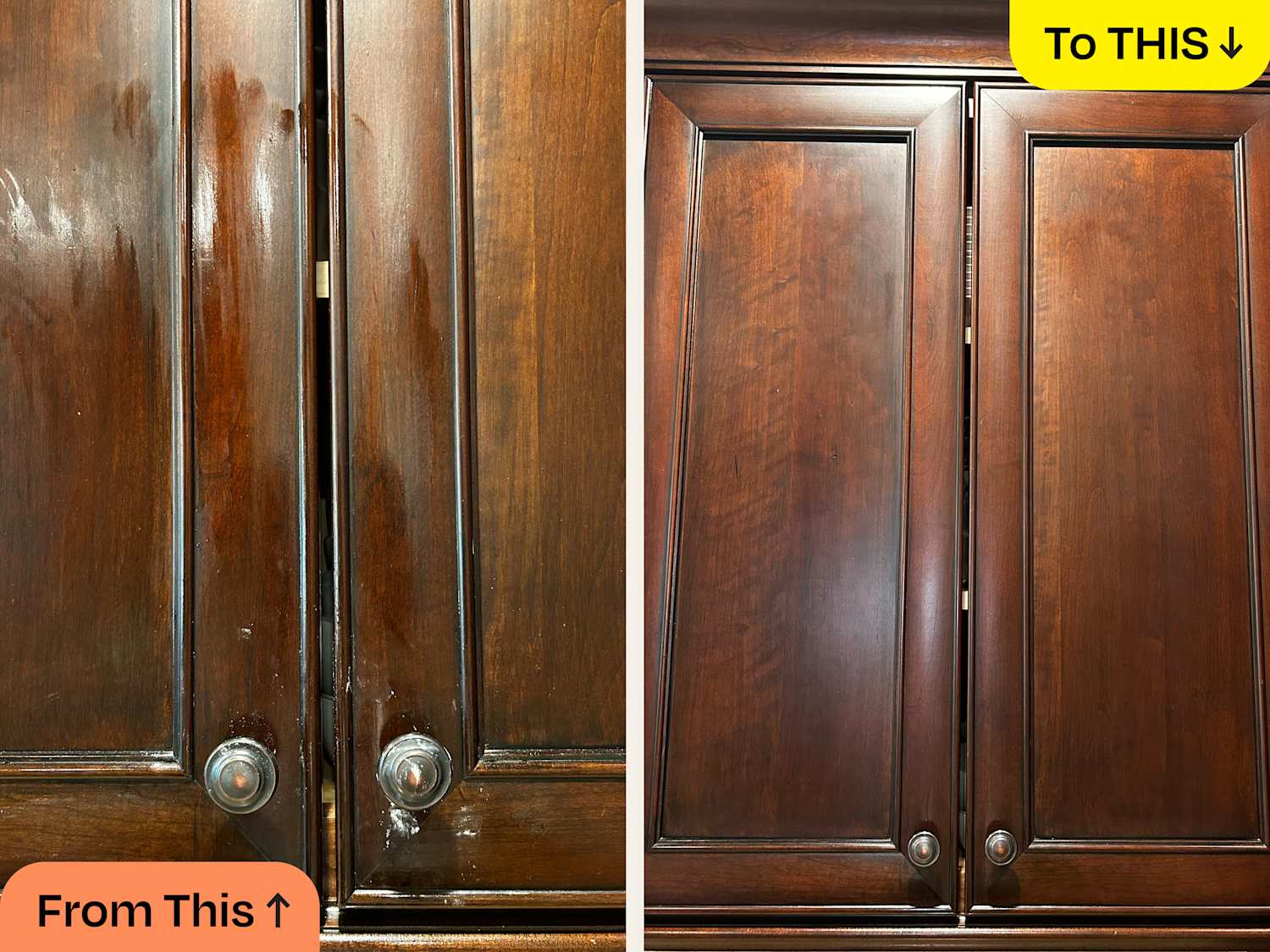
Are your wood kitchen cabinets looking dull or sticky? Finding the best cleaner for wood kitchen cabinets can make all the difference in bringing back their natural shine and protecting them from damage.
You want a product that’s tough on grime but gentle on the wood. You’ll discover simple, effective cleaning solutions that will keep your cabinets looking fresh and new without any guesswork. Keep reading to learn exactly what works best for your wood kitchen cabinets—and say goodbye to stubborn stains and buildup for good.
Why Proper Cleaning Matters
Proper cleaning of wood kitchen cabinets keeps them looking fresh and new. It removes dirt and grease that build up daily. Regular care helps maintain their natural beauty and shine. Neglecting cleaning can lead to stains and damage that are hard to fix.
Protecting Wood Finish
Wood finishes protect cabinets from moisture and stains. Cleaning with the right products preserves this protective layer. Gentle cleaning avoids stripping away the finish. A strong finish keeps wood safe from scratches and spills.
Maintaining Cabinet Longevity
Clean cabinets last longer. Dirt and grime can cause wood to wear down faster. Proper cleaning prevents cracks and warping. This saves money on repairs or replacements. Healthy cabinets keep your kitchen looking great for years.
Avoiding Damage From Harsh Chemicals
Harsh chemicals can ruin wood surfaces. They may cause discoloration or dullness. Using mild, wood-safe cleaners prevents this harm. Avoid products with ammonia or bleach. Safe cleaning protects your cabinets and your family’s health.

Credit: lifehacker.com
Types Of Wood Cabinet Cleaners
Choosing the right cleaner for wood kitchen cabinets helps keep them beautiful and durable. Wood needs gentle care to avoid damage and maintain its shine. Different types of cleaners offer various benefits and suit different needs. Understanding these options makes cleaning easier and safer.
Natural Cleaners
Natural cleaners use simple, plant-based ingredients. They are gentle on wood and free from harsh chemicals. Common natural cleaners include vinegar mixed with water, lemon juice, and olive oil. These options clean dirt and grease without stripping the wood’s finish. Natural cleaners are eco-friendly and safe for families with children or pets.
Commercial Cleaning Products
Commercial products are designed specifically for wood surfaces. They often contain oils and waxes to nourish the wood. These cleaners remove tough stains and buildup effectively. Many commercial cleaners also protect against moisture and fading. Always check the label to ensure the product suits your cabinet’s wood type.
Diy Cleaning Solutions
DIY cleaners combine common household ingredients to create effective wood cleaners. Recipes may include baking soda, dish soap, or essential oils mixed with water. These solutions offer a cost-effective and customizable approach. They allow you to control the strength and scent of the cleaner. DIY cleaners are easy to make and work well for regular maintenance.
Top Cleaners For Wood Cabinets
Choosing the right cleaner for your wood kitchen cabinets can make a big difference in maintaining their beauty and extending their life. Not all cleaners are created equal, especially when dealing with delicate wood surfaces. Here’s a look at top cleaners that suit different needs, from everyday cleaning to tackling stubborn stains.
Best Overall Cleaner
The best overall cleaner for wood cabinets is one that balances effectiveness with gentleness. Products like Murphy’s Oil Soap have earned a solid reputation because they clean thoroughly without stripping the wood’s natural oils.
This cleaner works well on various wood finishes, leaving a fresh, natural shine. If you want a reliable product that cleans daily dirt and grime while preserving your cabinets, this is a smart choice.
Best Natural Option
If you prefer to avoid harsh chemicals, a mixture of white vinegar and water is a fantastic natural cleaner. It disinfects and cuts through grease without damaging the wood.
Adding a few drops of olive oil after cleaning can restore shine and protect the surface. Have you tried a natural cleaner that surprised you with its power?
Best For Tough Stains
Tough stains like dried food or sticky residues need something stronger. Goo Gone or a mild degreaser specifically designed for wood can break down stubborn messes effectively.
Always test these cleaners on a small hidden area first to avoid discoloration. Handling tough stains promptly can prevent permanent marks on your cabinets.
Best Budget-friendly Choice
For those on a budget, simple dish soap mixed with warm water can be surprisingly effective. It gently cleans without risking damage, and you likely already have it in your kitchen.
Use a soft cloth and avoid soaking the wood to keep cabinets safe. Would you believe that such a common household item could keep your wood cabinets looking sharp?

Credit: www.amazon.ca
How To Clean Wood Cabinets Effectively
A gentle cleaner made for wood protects your kitchen cabinets from damage. Mild soap mixed with warm water works well for regular cleaning. Avoid harsh chemicals to keep the wood looking fresh and smooth.
Cleaning wood kitchen cabinets effectively requires a blend of the right techniques and a dash of patience. Your cabinets are not just storage spaces; they are the charm of your kitchen. With the right care, they can look as good as new for years to come. Whether your cabinets are coated with a glossy finish or a matte touch, knowing how to clean them properly can make a world of difference.
Pre-cleaning Preparation
Before diving into the cleaning process, gather all necessary supplies. You'll need a soft cloth, a gentle cleaner, and a bucket of warm water. It's crucial to test any cleaner on a small, hidden spot to ensure it doesn't damage the finish. Remove all items from your cabinets to avoid any hindrance. This step not only makes cleaning easier but also gives you a chance to organize your space. Consider laying down a towel or sheet on the floor to catch any drips or spills.
Proper Cleaning Techniques
Begin by lightly dusting the cabinets with a soft cloth. This helps remove any loose dirt and debris. For a deeper clean, mix a few drops of dish soap in a bucket of warm water. Dip a microfiber cloth into the solution, wringing out excess water, and gently wipe down the cabinet surfaces. Focus on areas with grease or fingerprints, applying a bit more pressure as needed. Avoid soaking the wood as excess moisture can damage it.
Post-cleaning Care Tips
Once cleaned, dry the cabinets thoroughly with a clean cloth. This step prevents water spots and keeps the wood in good condition. If your cabinets have a finish, consider applying a wood polish for an extra layer of protection. Reorganize your items thoughtfully, perhaps even rearranging to optimize your kitchen space. Regular maintenance, like dusting and wiping spills immediately, can extend the life of your clean cabinets. How often do you clean your cabinets? Could a small change in your routine make a big difference? Embrace these practical steps, and your cabinets will continue to shine beautifully.
Common Mistakes To Avoid
Cleaning wood kitchen cabinets might seem straightforward, but many people unknowingly damage their cabinets by making common mistakes. Avoiding these errors can save you time, money, and frustration. Let’s look at what you should steer clear of to keep your wood cabinets looking their best.
Using Abrasive Materials
Scrubbing wood cabinets with abrasive pads or harsh brushes can scratch and dull the finish. Even if stains seem stubborn, rough materials will wear down the protective coating and expose the wood beneath. Instead, opt for soft cloths or sponges that gently lift dirt without harming the surface.
Think about the last time you tried to remove a tough stain—did using a rough scrubber help or hurt? Gentle cleaning tools paired with the right cleaner are your best bet for preserving the cabinet’s appearance.
Over-wetting The Wood
Wood and water don’t mix well. Saturating your cabinets with too much liquid can cause warping, swelling, or even mold growth. When cleaning, use a damp cloth rather than a soaked one, and wipe off any excess moisture immediately.
Have you noticed water spots or peeling on your cabinets? This often happens because too much water was left on the surface. Keeping moisture controlled protects your cabinets from long-term damage.
Ignoring Manufacturer Guidelines
Every wood cabinet finish is different, and cleaning products that work on one might ruin another. Skipping the manufacturer’s care instructions risks voiding warranties or damaging the wood. Always check the label or manual for recommended cleaners and methods.
Have you ever grabbed a cleaner off the shelf only to regret it later? Following guidelines helps you avoid costly mistakes and keeps your cabinets looking great for years.
Maintaining Cabinet Shine Between Cleanings
Maintaining the shine of wood kitchen cabinets between deep cleanings keeps them looking fresh and new. Regular care helps protect the wood’s natural beauty and finish. Simple habits and gentle products extend the life of your cabinets without extra effort.
Regular Dusting Tips
Dust can dull wood surfaces and cause scratches over time. Use a soft, dry microfiber cloth to remove dust gently. Avoid rough materials that can damage the finish. Dusting once or twice a week prevents buildup and keeps cabinets bright.
Using Wood Polish Safely
Choose a polish made specifically for wood surfaces. Test it on a small hidden area first to check for any reaction. Apply polish sparingly with a soft cloth, following the grain of the wood. Too much polish can leave a sticky residue or attract dust.
Controlling Kitchen Humidity
Wood expands and contracts with changes in humidity. High moisture can cause warping or peeling of cabinet finishes. Use a kitchen exhaust fan or dehumidifier to keep air dry. Keep humidity levels stable to protect your cabinets’ shine and structure.
Credit: weekendcraft.com
Frequently Asked Questions
What Is The Safest Cleaner For Wood Kitchen Cabinets?
The safest cleaner is a mild, pH-balanced solution like diluted dish soap and water. Avoid harsh chemicals to prevent damage. Always test on a small area first to ensure it won't harm the wood finish.
Can Vinegar Clean Wood Kitchen Cabinets Effectively?
Yes, vinegar mixed with water can clean wood cabinets gently. It removes grease and grime without stripping the finish. Use a diluted solution and wipe dry to prevent moisture damage.
How Often Should Wood Kitchen Cabinets Be Cleaned?
Clean wood cabinets weekly to prevent buildup of dirt and grease. Regular cleaning maintains their appearance and extends their lifespan. Use a gentle cleaner and soft cloth for best results.
Are Commercial Wood Cleaners Better Than Homemade Solutions?
Commercial wood cleaners often contain ingredients tailored for wood care, offering deeper cleaning and protection. Homemade solutions are cost-effective but may lack specialized preservatives. Choose based on your cabinet’s finish and cleaning needs.
Conclusion
Choosing the right cleaner keeps wood cabinets looking fresh and new. Gentle, natural cleaners protect the wood’s finish. Avoid harsh chemicals that can damage the surface. Regular cleaning helps maintain the cabinet’s shine and color. Test any cleaner on a small spot first.
Clean cabinets make the kitchen feel warm and inviting. Simple care can extend the life of your wood cabinets. Keep your kitchen beautiful with the right cleaning routine. A clean cabinet always brightens up the whole room.