
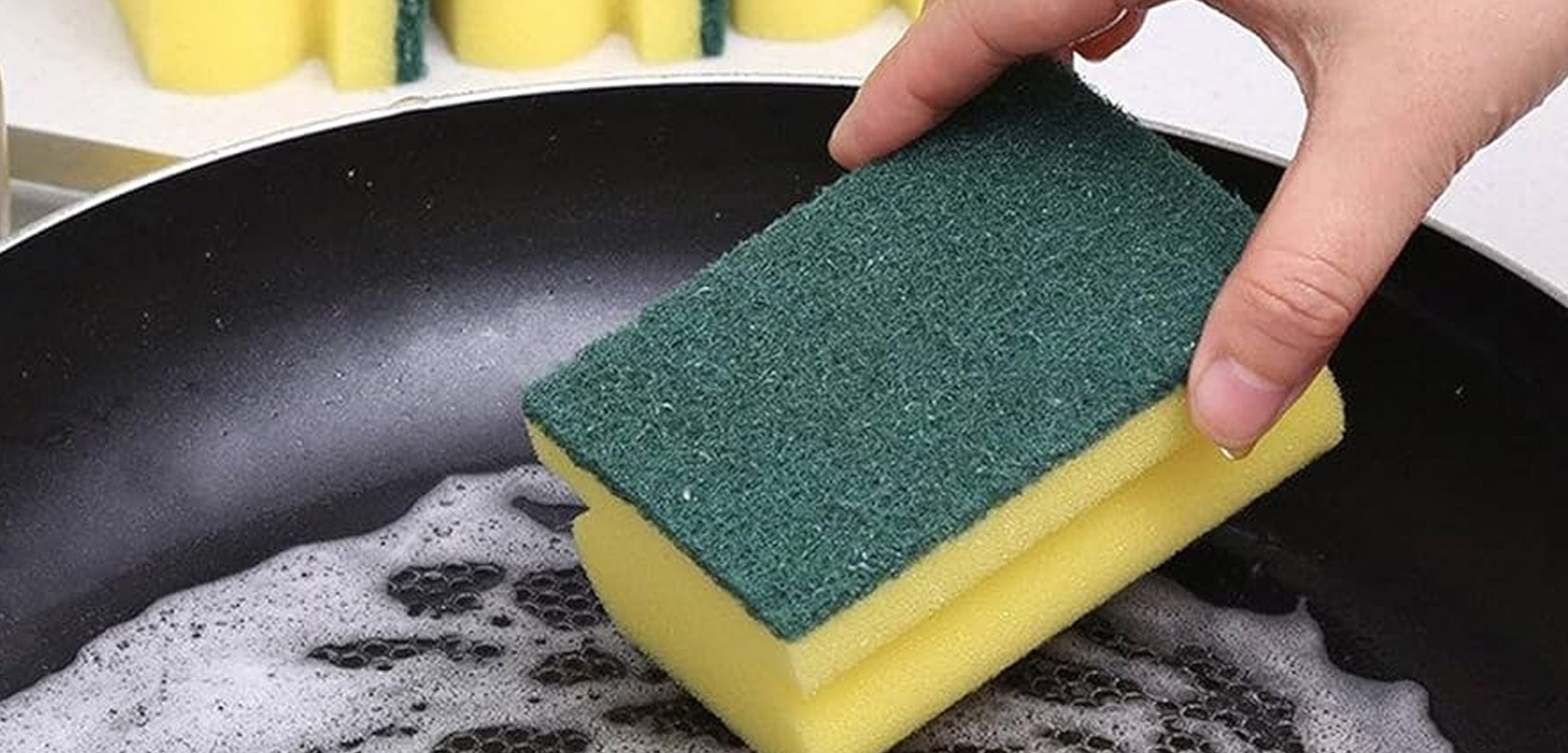
A regular kitchen sponge has more going on than you might think. You use it every day to clean your dishes, wipe counters, and tackle spills.
But have you ever stopped to wonder what’s really inside that small, simple tool? What if your sponge is hiding secrets that could affect your health and kitchen hygiene? Keep reading to discover surprising facts about your kitchen sponge that will change the way you clean forever.
You won’t want to miss this!
Kitchen Sponge Germs
Kitchen sponges are a common tool in every household. They help clean dishes, counters, and spills. But these sponges can also carry many germs. These germs survive and grow quickly in damp, warm sponge environments. Understanding what germs live in sponges helps in keeping kitchens safer and cleaner.
Common Bacteria Found
Several harmful bacteria often live in kitchen sponges. Some of the most common include:
- Escherichia coli (E. coli)– This bacteria can cause stomach illnesses.
- Salmonella– Often linked to food poisoning, it thrives on dirty sponges.
- Staphylococcus aureus– Can cause skin infections and foodborne illness.
- Campylobacter– A leading cause of diarrhea worldwide, found on contaminated surfaces.
These bacteria spread easily from sponges to kitchen surfaces and food. This increases the risk of sickness in the home.
Why Sponges Harbor Germs
Sponges have many tiny holes and a soft texture. This makes them perfect places for germs to hide and multiply. Sponges stay wet for long periods, which helps bacteria grow fast. They also trap food bits and grease, feeding the germs inside.
The sponge’s close contact with raw food and dirty dishes adds more bacteria. Cleaning alone does not remove all germs. Without regular disinfecting or replacing, sponges become unsafe to use.

Credit: www.taste.com.au
Health Risks From Sponge Germs
Kitchen sponges are a common tool in every home. They clean dishes and surfaces but can hide many germs. These germs can cause health problems if not controlled. Understanding the health risks from sponge germs helps keep kitchens safer.
Foodborne Illnesses
Sponge germs can cause foodborne illnesses. Harmful bacteria like Salmonella and E. coli live in wet sponges. These germs spread to food and dishes, causing sickness. Symptoms include stomach pain, vomiting, and diarrhea. Germs grow fast in damp, warm sponges. Regularly cleaning or replacing sponges lowers these risks.
Cross-contamination Dangers
Sponges often spread germs from one surface to another. Using the same sponge on raw meat and vegetables causes cross-contamination. Germs transfer easily from sponge to food, cutting boards, and countertops. This spreads bacteria throughout the kitchen. Cross-contamination increases the chance of infections. Using different sponges for different tasks reduces this danger.
Signs Your Sponge Is Contaminated
A kitchen sponge is a hotspot for germs and bacteria. Using a contaminated sponge can spread harmful microbes in your kitchen. Knowing the signs of contamination helps keep your home clean and safe.
Unpleasant Odors
A foul or sour smell from your sponge signals bacteria growth. Sponges trap food particles that rot over time. This decay causes bad odors that are hard to ignore. A smelly sponge needs immediate replacement or thorough cleaning.
Visible Mold And Discoloration
Look closely for black, green, or white spots on the sponge surface. These spots are mold colonies thriving in damp conditions. Discoloration, such as dark patches or fading color, also means the sponge is old and dirty. Moldy sponges can spread harmful fungi and should be discarded.

Credit: www.amazon.ca
Safe Sponge Cleaning Methods
A regular kitchen sponge has many tiny holes that trap food and germs. Cleaning it often prevents bad smells and bacteria buildup. Safe methods include soaking in vinegar or microwaving when damp.
Keeping your kitchen sponge clean is crucial. This helps prevent the spread of germs. A dirty sponge can harbor bacteria and cause health risks. Luckily, there are effective methods to sanitize your sponge. These methods are easy and don't require much effort.
Microwave Sanitizing
Microwave sanitizing is quick and effective. Wet the sponge with water first. Place it in the microwave for one minute. The heat kills germs and bacteria. Make sure the sponge is wet to avoid a fire hazard. This method is convenient for daily use.
Dishwasher Cleaning
Dishwasher cleaning is another great option. Place the sponge on the top rack. Run the dishwasher on a hot cycle. The hot water and detergent clean the sponge well. This method is efficient, especially if you already run the dishwasher regularly.
Bleach Solutions
Bleach solutions offer a strong cleaning method. Mix a tablespoon of bleach in a gallon of water. Soak the sponge for five minutes. Rinse thoroughly after soaking to remove bleach residue. This method is ideal for deep cleaning. Use it weekly for the best results.
Alternatives To Traditional Sponges
Traditional kitchen sponges can harbor germs and wear out fast. Many people want safer and longer-lasting options. Alternatives to these sponges offer better hygiene and eco-friendly choices. They come in different materials and styles to suit various cleaning needs.
Silicone Scrubbers
Silicone scrubbers resist bacteria and dry quickly. They do not absorb water or odors. These scrubbers last much longer than regular sponges. Their flexible design cleans pots and dishes well. Silicone scrubbers are easy to rinse and keep clean.
Reusable Cloths
Reusable cloths are soft and gentle on surfaces. They dry faster than sponges, reducing germs. These cloths can be washed and reused many times. They work well for wiping counters and dishes. Reusable cloths help cut down on kitchen waste.
Natural Fiber Sponges
Natural fiber sponges come from plant materials like cellulose. They break down faster in compost or trash. These sponges are less likely to hold bacteria. They clean effectively without harsh chemicals. Natural fiber sponges provide an eco-friendly cleaning option.

Credit: www.airnex.store
Sponge Replacement Tips
Knowing when and how to replace your kitchen sponge helps keep your kitchen clean. Sponges hold moisture and food bits, which can cause germs to grow. Following simple tips extends sponge life and improves hygiene.
How Often To Replace
Replace your kitchen sponge regularly to avoid bacteria buildup. Most experts suggest changing it every one to two weeks. If the sponge smells bad or looks worn, replace it immediately. Using an old sponge can spread germs on dishes and surfaces.
Sponges used for raw meat or heavy grease need more frequent replacement. Watch for tears or discoloration as signs to get a new one. Keeping a schedule helps maintain a healthy kitchen environment.
Proper Storage Practices
Store your sponge in a dry place to reduce bacteria growth. Avoid leaving it wet on the sink or countertop. Use a sponge holder or rack that allows air to circulate.
Rinse the sponge thoroughly after each use to remove food particles. Squeeze out excess water before placing it in the holder. Regular cleaning with hot water or microwave disinfection also helps.
- Keep the sponge away from the sink drain to avoid germs.
- Use separate sponges for dishes and cleaning surfaces.
- Allow the sponge to dry completely between uses.
Frequently Asked Questions
What Is Inside A Regular Kitchen Sponge?
A regular kitchen sponge is made of synthetic materials like polyurethane foam. It has a porous structure that traps dirt and food particles effectively.
How Many Germs Does A Kitchen Sponge Contain?
A kitchen sponge can harbor millions of bacteria, including E. coli and Salmonella. Its moist environment promotes rapid bacterial growth.
How Often Should You Replace A Kitchen Sponge?
Replace your kitchen sponge every one to two weeks. Frequent replacement prevents bacterial buildup and keeps your kitchen hygienic.
Can Kitchen Sponges Spread Foodborne Illnesses?
Yes, contaminated sponges can transfer harmful bacteria to dishes and surfaces. Proper cleaning and regular replacement reduce this risk.
Conclusion
A regular kitchen sponge holds more than just soap and water. It can carry many germs if not cleaned often. Changing sponges regularly helps keep your kitchen safe. Simple habits make a big difference in hygiene. Clean sponges dry faster and stay fresher longer.
Small steps protect your health and your home. Remember, a clean sponge means a cleaner kitchen space. Take care of your sponge to take care of your family.