
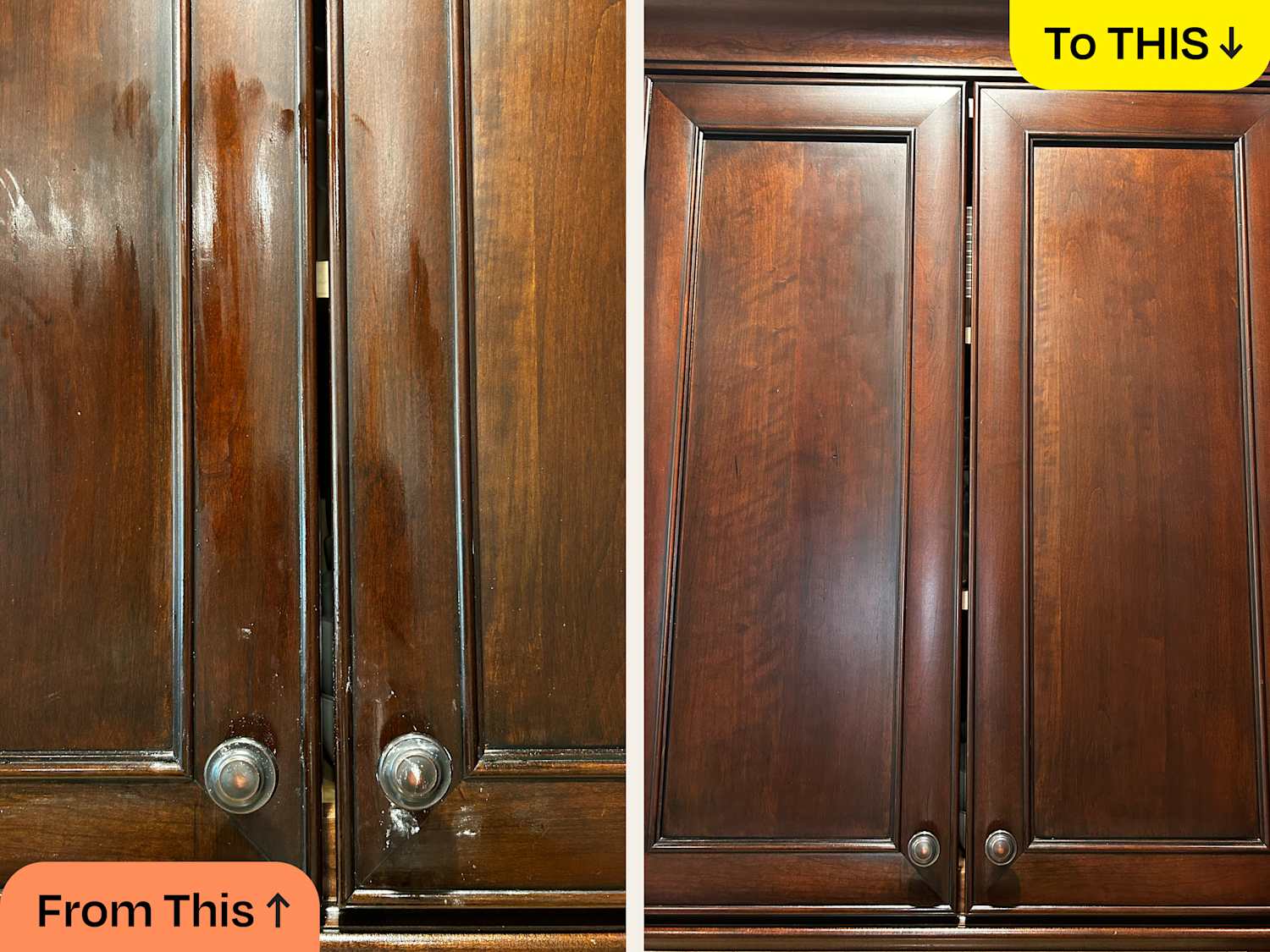
Are your kitchen cabinets looking dull, sticky, or just plain dirty? You might be wondering what cleans kitchen cabinets best without causing damage or leaving streaks.
Finding the right cleaning method can save you time and keep your kitchen looking fresh and inviting. You’ll discover simple, effective solutions tailored to your cabinet type. Ready to bring back that clean, polished shine? Keep reading—your kitchen deserves it.
Types Of Kitchen Cabinet Materials
Kitchen cabinets come in a variety of materials, each affecting how you should clean and maintain them. Knowing your cabinet type helps you choose the right cleaning products and techniques. Let’s look at some common materials and what works best for each.
Wood Cabinets
Wood cabinets offer a warm, natural look but require gentle care. Harsh chemicals can damage the finish, so stick to mild soap and water or specialized wood cleaners. A quick wipe with a soft cloth usually removes everyday grime without stripping the wood’s protective layer.
Have you ever noticed how some wood cabinets look dull after cleaning? That’s often from using abrasive cleaners. Try a mix of dish soap and warm water, then dry immediately to keep your cabinets shining.
Laminate Cabinets
Laminate cabinets are durable and resistant to stains, making them easier to clean. You can use a mild all-purpose cleaner or a solution of vinegar and water for tough spots. Avoid abrasive scrubbers, as they can scratch the surface.
If your laminate cabinets have sticky residue, a little baking soda on a damp sponge can help lift it without damage. Have you tested this on your cabinets yet?
Metal Cabinets
Metal cabinets often appear in modern or industrial kitchens. They can handle stronger cleaners but watch out for rust spots. Use a soft cloth with a vinegar-water mix to prevent corrosion and keep the metal gleaming.
For fingerprints and smudges, try a microfiber cloth—no harsh chemicals needed. Does your kitchen reflect your personality through these sleek metal surfaces?
Glass Cabinets
Glass-front cabinets add elegance but show fingerprints easily. A simple glass cleaner or a vinegar-water spray works well for a streak-free shine. Use a lint-free cloth or paper towel to avoid streaks.
Consider cleaning glass cabinets more often if you display dishes inside—dust and smudges stand out quickly. How often do you find yourself wiping these sparkling surfaces?
Common Stains And Dirt On Cabinets
Kitchen cabinets face a daily barrage of stains and dirt that can dull their appearance and make your cooking space feel less inviting. Identifying the common types of grime on your cabinets helps you choose the right cleaning approach. Let’s look closely at what usually soils your cabinets and how these messes form.
Grease And Oil
Grease and oil splatters are some of the toughest stains on kitchen cabinets. They often come from frying pans or oily hands touching surfaces. These residues leave a sticky film that attracts more dirt, making cabinets look grimy fast.
Have you noticed how wiping grease with just water rarely removes it completely? You’ll need something that breaks down the oils without damaging the cabinet finish.
Water Spots
Water spots appear after splashes or spills dry, leaving mineral deposits behind. These can look like white or cloudy marks on darker cabinet surfaces. Over time, water spots might cause discoloration or even damage the wood if left untreated.
Do you catch yourself ignoring small water marks? They might seem harmless, but they build up and affect the cabinet’s look and durability.
Food Residue
Food residue can be sticky or crusty, depending on what’s spilled. Sauces, sugar, and fruit juices often get stuck on cabinet doors and edges. If not cleaned quickly, they harden, making removal more difficult and sometimes leading to stains.
Think about how often you grab a snack with messy hands and then open a cabinet—those little spots add up fast.
Dust And Grime
Dust settles easily on cabinets, especially in less-used areas or above eye level. When combined with cooking vapors and grease, dust turns into a stubborn grime layer. This mix dulls the cabinet surface and can be tricky to clean without proper products.
Have you tried dusting your cabinets only to find the dirt returns quickly? That’s because grime needs a deeper clean to disappear for good.
Natural Cleaning Solutions
Natural cleaning solutions offer a safe and effective way to keep your kitchen cabinets spotless without harsh chemicals. These options are gentle on surfaces but tough on grease and grime. Plus, they’re easy to make with ingredients you probably already have at home.
Vinegar And Water Mix
Mix equal parts of white vinegar and water in a spray bottle for a simple yet powerful cleaner. Spray it on your cabinets and wipe with a soft cloth to remove dirt and grease. The vinegar cuts through grime while leaving no sticky residue behind.
Remember to test a small spot first, especially on wood cabinets, as vinegar’s acidity can dull some finishes. Have you noticed how vinegar leaves a fresh, clean scent without overpowering your kitchen?
Baking Soda Paste
Baking soda works wonders on stubborn stains and sticky spots. Make a paste by mixing baking soda with a little water, then gently scrub the cabinet surface using a soft cloth or sponge.
This paste lifts grime without scratching your cabinets. It’s especially helpful for removing baked-on grease near the stove. What tough stains in your kitchen could this simple paste help you tackle?
Lemon Juice Benefits
Lemon juice is a natural degreaser and brightener. Apply lemon juice directly or mix it with water to clean and freshen your cabinets.
The natural acidity helps dissolve grease while the citrus scent leaves your kitchen smelling clean and inviting. Using lemon juice can also help reduce bacteria on surfaces—would you try this fresh-smelling solution?

Credit: www.cabinet-corner.com
Commercial Cleaning Products
Commercial cleaning products offer powerful solutions for cleaning kitchen cabinets. They remove dirt, grease, and stains effectively. These products come in various types, each designed for specific cleaning needs. Using the right product ensures cabinets stay clean without damage.
All-purpose Cleaners
All-purpose cleaners work well on many surfaces, including kitchen cabinets. They remove everyday dirt and light grime quickly. These cleaners are easy to use and often come in spray bottles. Spray the cleaner on a cloth, then wipe the cabinet surface. They are safe for most cabinet finishes.
Degreasers
Degreasers target tough grease and oil buildup on cabinets. They dissolve sticky residues left from cooking. These products are strong but should be used carefully. Apply degreaser to greasy spots and let it sit briefly. Wipe clean with a damp cloth to remove all residue.
Wood-specific Cleaners
Wood-specific cleaners protect and clean wooden cabinets gently. They maintain the wood’s natural shine and prevent drying out. These cleaners often contain oils or conditioners to nourish the wood. Use a soft cloth to apply the cleaner and buff the surface. Avoid harsh chemicals that can damage wood.
Tools For Effective Cleaning
Keeping kitchen cabinets clean can be a daunting task. With the right tools, it becomes easier. They help maintain the beauty and longevity of your cabinets. Here are some essential tools you need for effective cleaning.
Microfiber Cloths
Microfiber cloths are excellent for cleaning cabinets. They trap dirt and dust efficiently. These cloths are soft, preventing scratches on surfaces. They are reusable, making them eco-friendly. Simply dampen and wipe your cabinets clean.
Soft Sponges
Soft sponges gently clean without damaging the finish. They are ideal for removing stains and grime. Use them with a mild detergent for best results. Rinse the sponge often during cleaning. Ensure it stays free from accumulated dirt.
Brushes For Crevices
Brushes are perfect for cleaning hard-to-reach areas. They remove dirt from corners and crevices. Choose brushes with soft bristles to avoid scratches. They make cleaning intricate cabinet designs easier. Regular use keeps your cabinets spotless.
Credit: www.cabinetdoors.com
Step-by-step Cleaning Process
Cleaning kitchen cabinets can refresh your entire kitchen. Follow a clear process to get the best results. This step-by-step guide shows how to clean cabinets safely and effectively. Use gentle products and simple tools for a sparkling finish.
Preparation And Dusting
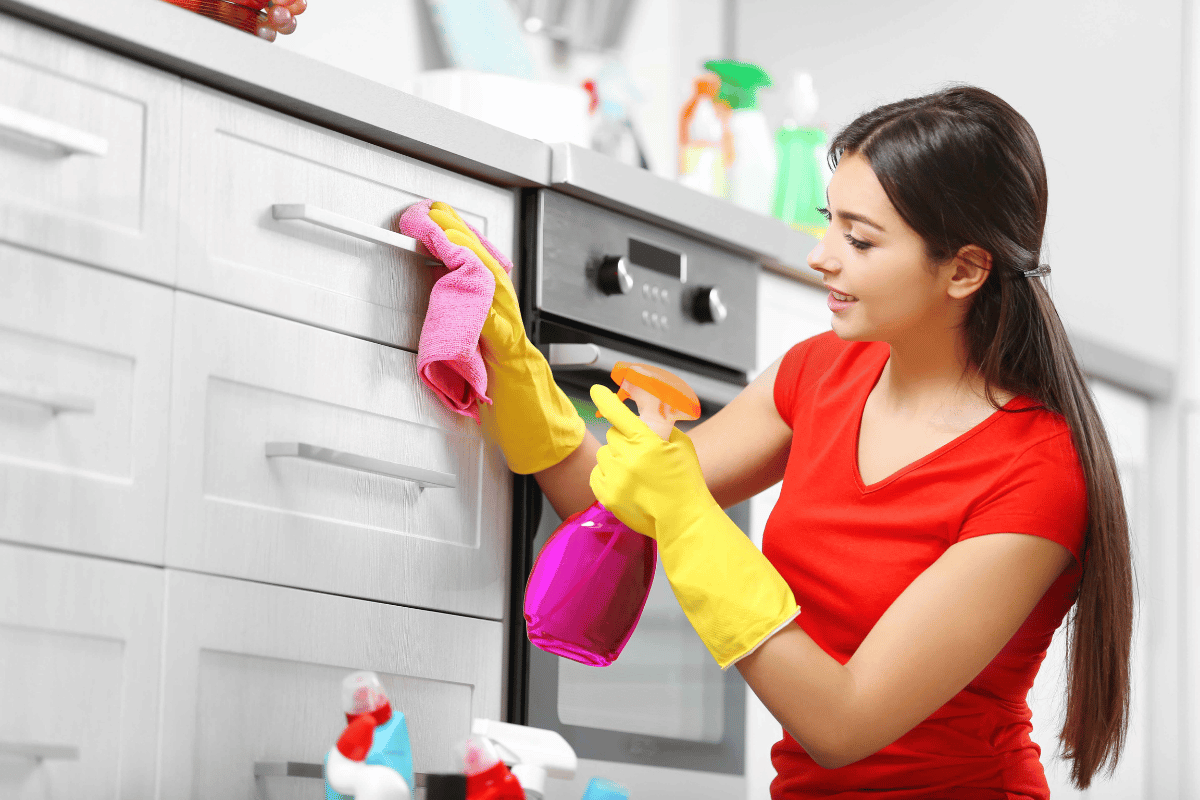
Start by removing all items from the cabinets. Wipe loose dust and crumbs with a soft cloth or a duster. Use a vacuum with a brush attachment to reach corners. This step prevents dirt from spreading during cleaning.
Applying Cleaners
Choose a cleaner suitable for your cabinet material. Mix warm water with mild dish soap for wood or laminate. Use a sponge or soft cloth to apply the cleaner gently. Avoid harsh chemicals that can damage surfaces. Focus on sticky spots and stains.
Rinsing And Drying
Wipe the cabinets with a clean, damp cloth to remove soap residue. Rinse the cloth often to avoid spreading dirt. Dry the cabinets immediately with a soft towel. This stops water damage and streaks on the surface.
Polishing Tips
Polish wooden cabinets to restore shine and protect the finish. Use a small amount of furniture polish or natural oil. Apply with a soft cloth following the wood grain. Buff gently to avoid buildup. Skip polishing on painted or laminate surfaces.
Maintenance Tips For Lasting Shine
Keeping kitchen cabinets shiny and fresh requires simple care. Regular maintenance stops dirt buildup and damage. Small daily habits help your cabinets look new for years.
Follow easy steps to protect the finish and prevent wear. Clean cabinets reflect light and brighten your kitchen space. These maintenance tips save time and money on repairs.
Regular Wiping
Wipe cabinets with a soft, damp cloth often. This removes dust, grease, and spills before they set. Use gentle circular motions to avoid scratching the surface. Dry the cabinets with a clean cloth after wiping.
Avoiding Harsh Chemicals
Stay away from abrasive cleaners and bleach. These can strip paint and damage wood or laminate. Choose mild soap mixed with water or a vinegar solution instead. Test any cleaner on a hidden spot first to check safety.
Preventing Moisture Damage
Keep cabinets dry to avoid warping or swelling. Fix leaks and wipe water spills immediately. Use exhaust fans while cooking to reduce humidity. Ensure good ventilation in the kitchen to protect wood surfaces.
When To Call Professionals
Knowing the right time to call professionals can save your kitchen cabinets. Simple cleaning may not fix all problems. Some issues need expert care to protect your cabinets and keep them looking great.
Deep Stains And Damage
Stains that don’t come off with regular cleaning need special attention. Scratches, burns, or water damage can weaken the cabinet surface. Professionals use tools and products that remove deep stains safely. They also repair damage without harming the wood or finish. This helps avoid costly replacements later.
Refinishing Options
When cabinets look old or faded, refinishing is a good choice. Experts can strip old paint or varnish and apply new coats evenly. They know the best products for lasting results. Refinishing can change the color or style of your cabinets too. It gives your kitchen a fresh, clean look without a full remodel.
Credit: weekendcraft.com
Frequently Asked Questions
What Is The Best Cleaner For Kitchen Cabinets?
The best cleaner depends on your cabinet material. Mild dish soap and warm water work well for most finishes. For tougher stains, use a vinegar-water mix or specialized wood cleaner. Always test cleaners on a small area first to avoid damage.
How Do I Clean Greasy Kitchen Cabinets Effectively?
Mix equal parts white vinegar and water in a spray bottle. Spray the solution on greasy areas and wipe with a microfiber cloth. For stubborn grease, add a few drops of dish soap to the mix. Rinse with clean water and dry thoroughly.
Can I Use Natural Products To Clean Cabinets?
Yes, natural products like vinegar, baking soda, and lemon are safe and effective. They remove dirt and grease without harsh chemicals. Always dilute vinegar with water to protect finishes. Natural cleaners are eco-friendly and suitable for most cabinet types.
How Often Should Kitchen Cabinets Be Cleaned?
Kitchen cabinets should be cleaned weekly to prevent buildup. Wipe spills immediately to avoid stains. Deep clean cabinets monthly using a gentle cleaner. Regular maintenance keeps cabinets looking fresh and extends their lifespan.
Conclusion
Cleaning kitchen cabinets well keeps your space fresh and neat. Use gentle cleaners that suit your cabinet material. Regular wiping stops dirt and grease buildup. Avoid harsh chemicals to protect the finish. Soft cloths work best for easy cleaning. Small efforts bring big results in kitchen care.
Keep your cabinets shining and your kitchen inviting. Simple steps make cleaning less of a chore. Your cabinets will look great for years to come.