
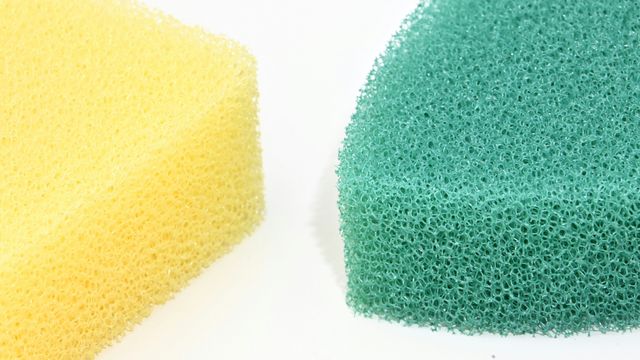
Have you ever wondered why your regular kitchen sponge soaks up water quickly but doesn’t let it flow through easily? It all comes down to two key properties: porosity and permeability.
A regular kitchen sponge has high porosity but low permeability. Understanding these simple terms can change the way you use and choose sponges in your kitchen. Keep reading, and you’ll discover how these hidden features affect your cleaning routine and why they matter more than you think.
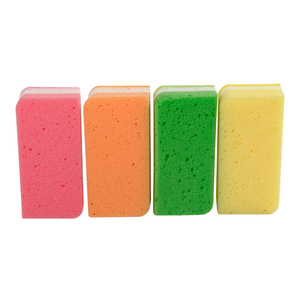
Credit: www.alibaba.com
Porosity In Kitchen Sponges
Understanding the porosity of a kitchen sponge can change the way you think about this everyday cleaning tool. Porosity affects how much liquid the sponge can hold, how quickly it dries, and even how bacteria might grow inside it. Let’s dive into what porosity really means and why it matters to you when choosing or using a sponge.
What Porosity Means
Porosity refers to the amount of empty space within a material. In kitchen sponges, these spaces are tiny holes or pores that hold water and soap. The higher the porosity, the more liquid the sponge can absorb.
Think about it: a sponge with very low porosity would hold less soap and water, making cleaning less efficient. Have you ever noticed how some sponges feel heavier after soaking? That’s porosity in action.
Measuring Sponge Porosity
Measuring porosity involves calculating the ratio of the volume of pores to the total volume of the sponge. This can be done by weighing the sponge dry and then soaking it fully to measure how much water it absorbs.
- First, weigh the dry sponge.
- Next, soak it in water and weigh it again.
- The difference in weight shows how much water the pores can hold.
This simple test gives a clear idea of the sponge’s porosity without any complex equipment.
Typical Porosity Values
Kitchen sponges usually have a porosity between 70% and 90%. This means most of their volume is empty space filled with air or water.
| Type of Sponge | Porosity (%) |
|---|---|
| Standard Cellulose Sponge | 80 - 85 |
| Synthetic Foam Sponge | 70 - 75 |
| Natural Sea Sponge | 85 - 90 |
Next time you pick up a sponge, consider how its porosity affects your cleaning experience. Could a sponge with different porosity make your kitchen tasks easier or more hygienic?
Permeability In Kitchen Sponges
Permeability plays a crucial role in how a kitchen sponge performs during everyday cleaning tasks. It determines how easily liquids flow through the sponge’s structure, impacting absorption and drying times. Understanding permeability helps you choose the right sponge for your needs and maintain it better.
Defining Permeability
Permeability is the ability of a material to let fluids pass through it. In kitchen sponges, this means how quickly water or soap travels inside the sponge’s pores. Unlike porosity, which measures how many pores are present, permeability focuses on the connections between those pores and how open they are.
Factors Affecting Sponge Permeability
- Material Composition:Sponges made from natural fibers usually have different permeability than synthetic ones due to fiber arrangement.
- Pore Size and Shape:Larger, well-connected pores allow faster fluid flow, improving permeability.
- Compression Level:When you squeeze a sponge, the pores collapse, reducing permeability temporarily.
- Wear and Tear:Over time, sponges may clog or break down, decreasing permeability and cleaning effectiveness.
Have you noticed how an old sponge stops soaking up water as well? That's often due to reduced permeability from trapped debris and compressed pores.
Comparing Permeability To Porosity
Porosity tells you how much empty space exists in a sponge, but it doesn’t explain how fluids move through it. A sponge can have high porosity but low permeability if its pores are not well connected.
This difference matters when you want a sponge that quickly absorbs and releases water. High permeability means liquid flows easily, making cleaning faster and rinsing more efficient.
Understanding both properties can help you pick a sponge that fits your cleaning style. Do you prefer a sponge that holds a lot of water or one that drains quickly? Your answer depends on balancing porosity with permeability.
Why Porosity And Permeability Differ
Porosity and permeability are two key properties of a kitchen sponge. They seem related but differ greatly in function. Porosity measures how much space is inside the sponge. Permeability shows how easily fluids move through it. These differences arise from the sponge’s internal structure.
Material Structure And Impact
A kitchen sponge has a soft and flexible material. It contains many tiny holes or voids inside. These voids create space for air and water. The material's shape and arrangement control how porous it is. Even with high porosity, the material might block fluid flow.
Pore Size And Connectivity
Porosity depends on the total volume of pores. Permeability depends on pore size and how they connect. Large and well-connected pores allow easier fluid passage. Small or isolated pores trap liquids inside. The sponge has many pores but some are not linked well.
Effect On Fluid Flow
Fluid flow needs pathways through the sponge. High porosity alone does not guarantee flow. Permeability shows if fluids can pass quickly or slowly. Kitchen sponges absorb water fast but do not let it flow freely. This is why permeability remains low despite high porosity.
Surprising Facts About Kitchen Sponges
A regular kitchen sponge has high porosity, meaning it holds many tiny holes. Surprisingly, its permeability is low, so water does not flow through easily. This unique structure helps sponges absorb water but stay firm during use.
Surprising Facts About Kitchen Sponges Did you ever stop to think about the humble kitchen sponge sitting by your sink? While it might seem like a simple cleaning tool, it holds a myriad of surprising characteristics. One of the most intriguing aspects is its blank porosity yet blank permeability, which plays a crucial role in its cleaning efficiency and hygiene.
Common Misconceptions
Many people believe that the more porous a sponge is, the better it cleans. However, porosity doesn't necessarily translate to better cleaning. A kitchen sponge with high porosity might hold more water, but it doesn't mean it will scrub away grime effectively. Another myth is that a sponge with high permeability lets water flow through easily, making it more efficient. The truth is, too much permeability might reduce the sponge's ability to retain enough detergent for effective cleaning.
Impact On Cleaning Efficiency
The efficiency of a kitchen sponge isn't solely about its ability to soak up water. It's also about how well it can hold onto soap and scrub surfaces without falling apart. A sponge with balanced porosity and permeability is ideal for achieving a thorough clean without leaving residue. Consider the material of your sponge. Natural fibers might offer better scrubbing power but might not last as long as synthetic ones. Have you noticed which type works best for your dishes?
Health And Hygiene Considerations
Did you know that your sponge could be a breeding ground for bacteria? The same properties that make it great for cleaning can also make it a haven for germs. Regularly replacing your sponge can help minimize this risk and keep your kitchen more hygienic. Microwaving or boiling your sponge can reduce bacteria, but it's not a foolproof solution. How often do you replace yours to ensure maximum cleanliness? By understanding these surprising facts about your kitchen sponge, you can enhance your cleaning routine and maintain a healthier home environment.
Implications For Everyday Use
A regular kitchen sponge has specific porosity and permeability that affect its daily use. Porosity means how many holes or pores the sponge contains. Permeability shows how easily water passes through it. These traits influence cleaning efficiency and sponge lifespan.
Understanding these features helps pick the best sponge for different tasks. It also guides proper care to keep sponges clean and effective longer. Different sponges offer various benefits depending on their porosity and permeability.
Choosing The Right Sponge
Look for sponges with balanced porosity and permeability. High porosity holds more soap and water but may trap dirt. Low permeability means water moves slower through the sponge, helping with scrubbing.
- Soft sponges suit delicate surfaces.
- Dense sponges work well for tough stains.
- Choose sponges made for kitchen use to avoid damage.
Maintenance Tips
Rinse sponges thoroughly after each use to remove food particles. Squeeze out excess water to stop bacteria growth. Replace sponges regularly to avoid bad odors and germs.
- Microwave damp sponges for one minute to kill bacteria.
- Use vinegar or bleach solutions to disinfect sponges weekly.
- Allow sponges to dry completely between uses.
Alternatives With Different Properties
Some sponges have open-cell structures that drain water fast. Others have closed-cell designs that resist soaking. Materials like cellulose, foam, or synthetic fibers change porosity and permeability.
- Cellulose sponges absorb well but dry slower.
- Foam sponges dry quickly and resist odors.
- Silicone scrubbers do not absorb water and clean easily.
Credit: medium.com

Credit: www.science.org
Frequently Asked Questions
What Is The Porosity Of A Regular Kitchen Sponge?
A regular kitchen sponge has high porosity. It contains many open pores that hold water and soap efficiently for cleaning.
Does A Kitchen Sponge Have High Permeability?
No, a regular kitchen sponge has low permeability. Its pores do not allow water to flow quickly through the material.
How Does Porosity Affect Sponge Cleaning Ability?
High porosity in a sponge means it can absorb and hold more liquid. This makes cleaning more effective by trapping dirt and soap.
Why Is Permeability Low In Kitchen Sponges?
Permeability is low because the pores are mostly closed or disconnected. This prevents rapid fluid flow, keeping the sponge saturated during use.
Conclusion
A regular kitchen sponge has high porosity but low permeability. It holds a lot of water inside its many tiny holes. Yet, water does not flow through it easily. This makes the sponge perfect for soaking up spills and cleaning surfaces.
Understanding these properties helps explain why sponges work well in the kitchen. Next time you use a sponge, remember how its structure helps absorb liquids quickly. Simple science in everyday life.