
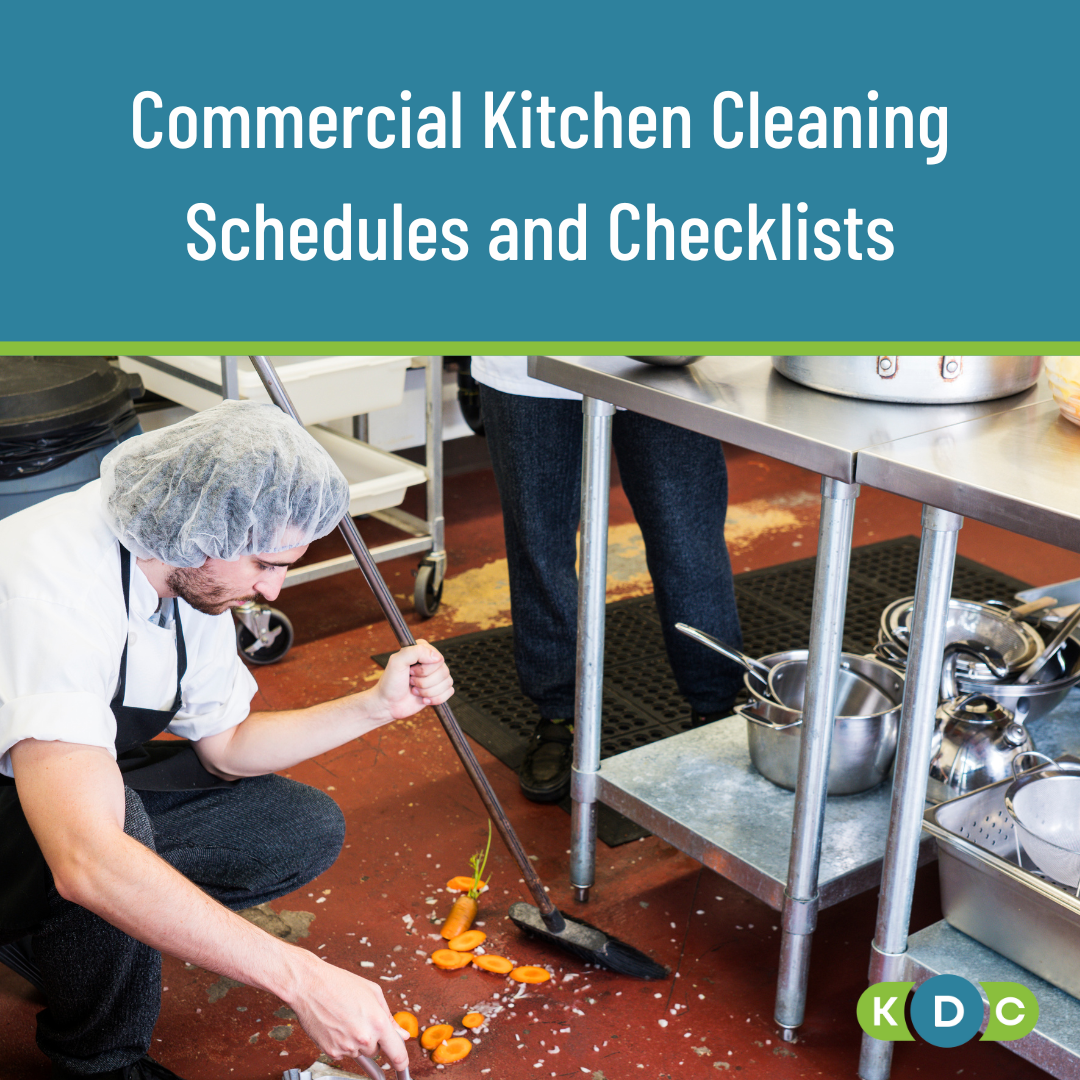
Have you ever stopped to think about how clean your kitchen really is? The kitchen is the heart of your home or business, where food is prepared and memories are made.
But if your kitchen premises and equipment aren’t properly cleaned, you could be inviting harmful bacteria and unpleasant odors into your space. This isn’t just about looking tidy—it’s about protecting your health, improving food quality, and even saving money in the long run.
Keep reading to discover why cleaning your kitchen thoroughly isn’t just a chore—it’s a crucial step that can transform your entire cooking experience.
Credit: www.wraybros.co.uk
Health Risks Of A Dirty Kitchen
A dirty kitchen creates many health risks that affect everyone. Unclean surfaces and equipment invite harmful germs. These germs spread quickly and cause serious illnesses. Keeping the kitchen clean is essential for a safe cooking environment.
Bacterial Contamination
Bacteria grow fast on dirty counters and utensils. Common bacteria include Salmonella, E. coli, and Listeria. They multiply on food scraps and spills left uncleaned. Touching these bacteria can transfer them to food. This leads to contamination and unsafe meals.
Foodborne Illnesses
Foodborne illnesses come from eating contaminated food. Symptoms include nausea, vomiting, diarrhea, and fever. These illnesses can be mild or severe. Children, elderly, and sick people face higher risks. Clean kitchens reduce the chance of spreading these illnesses.
Allergen Cross-contact
Allergen cross-contact happens when allergens move from one food to another. Dirty surfaces and equipment cause this problem. People with allergies can have serious reactions. Even tiny amounts of allergens can be dangerous. Cleaning prevents allergen transfer and protects sensitive individuals.
Credit: medium.com
Impact On Food Quality
Maintaining a clean kitchen environment directly influences the quality of the food you prepare. Dirt, bacteria, and residue buildup on kitchen premises and equipment can subtly but significantly alter the taste, texture, and overall appeal of your dishes. Understanding how cleanliness impacts food quality can help you make better choices in your daily kitchen routine.
Flavor And Freshness
Have you ever noticed a strange aftertaste in a meal despite using fresh ingredients? This often happens when cooking surfaces or utensils aren’t properly cleaned. Leftover food particles and grease can mix with new ingredients, creating off-flavors that ruin the intended taste.
Regular cleaning ensures that every dish you prepare tastes as fresh and delicious as possible. It also prevents the transfer of unwanted odors that can overpower your food’s natural flavors.
Shelf Life Reduction
Food stored or prepared in unclean environments tends to spoil faster. Bacteria and mold thrive on dirty surfaces, accelerating food decay even if you refrigerate your ingredients properly.
Keeping kitchen equipment and surfaces spotless slows down this process, helping your food last longer. This not only saves money but also reduces waste—a win for both your wallet and the environment.
Appearance And Presentation
The look of your food matters, especially if you’re cooking for guests or running a business. Stains, residues, or grime on plates and utensils can distract from your dish’s visual appeal.
Clean kitchen tools help you present food that looks as good as it tastes. When your workspace and equipment shine, it boosts your confidence and enhances the entire dining experience.
Safety Hazards In Unclean Kitchens
Safety hazards rise sharply in unclean kitchens. Dirt, spills, and clutter create dangerous conditions. Workers and visitors face higher risks of injury. Understanding these hazards helps maintain a safe environment.
Slip And Fall Risks
Wet floors and grease cause slips and falls. Food scraps and debris add to tripping hazards. Injuries from falls can be serious and costly. Regular cleaning removes these risks quickly and effectively.
Fire Hazards
Grease buildup on stoves and vents fuels fires. Dust and clutter near heat sources increase fire chances. Fires spread fast in dirty kitchens, endangering everyone. Cleaning prevents grease and debris from igniting.
Equipment Malfunctions
Dirt and grime cause kitchen equipment to break down. Clogged filters and blocked vents reduce machine efficiency. Malfunctioning equipment leads to accidents and delays. Proper cleaning keeps machines running safely and smoothly.
Regulatory Compliance And Standards
Maintaining clean kitchen premises and equipment ensures food safety and prevents contamination. Following regulatory standards protects customers and avoids legal issues. Cleanliness also supports smooth kitchen operations and builds trust.
Regulatory compliance and standards in the kitchen are more than just rules—they ensure safety, hygiene, and the smooth running of your culinary operations. Whether you’re running a bustling restaurant or a cozy café, adhering to these standards is crucial. Ignoring them can lead to serious consequences, affecting both your business reputation and bottom line.
Local Health Codes
Understanding local health codes is essential for any kitchen operation. These codes are designed to maintain public health and safety, dictating everything from food storage to waste disposal. Familiarize yourself with these guidelines to avoid any unexpected roadblocks. Many establishments have faced closures due to minor oversights in local health codes. Wouldn't you prefer to stay ahead of the curve?
Inspection Requirements
Regular inspections are a reality for anyone in the food business. Inspectors check for cleanliness, proper food handling, and equipment maintenance. Being prepared for these inspections can save you from last-minute scrambles and stress. Keep a checklist for daily, weekly, and monthly cleaning tasks. This proactive approach ensures your kitchen is always inspection-ready.
Penalties For Non-compliance
The repercussions of non-compliance can be severe. Fines, legal action, and even forced closures are potential outcomes of failing to meet regulatory standards. Consider the impact on your business if you had to close for a week due to violations. Could your finances withstand the hit? Avoid these penalties by implementing a robust cleaning schedule and training your staff on the importance of compliance. This not only protects your business but also shows your customers that you prioritize their health and safety.
Best Practices For Cleaning Kitchen Premises
Maintaining a clean kitchen is essential for safety, hygiene, and efficiency. Best practices for cleaning kitchen premises help reduce the risk of contamination and foodborne illnesses. They also ensure equipment works properly and lasts longer.
Following structured cleaning routines keeps the kitchen environment healthy and inviting. Clear guidelines make cleaning easier and faster for staff. Proper cleaning enhances food quality and customer satisfaction.
Daily Cleaning Routines
Daily cleaning focuses on removing dirt and spills immediately. Wiping down countertops, sinks, and stovetops prevents buildup of grease and bacteria. Sweeping and mopping floors daily avoids slips and contamination.
- Clean food preparation areas after each use.
- Wash and sanitize cutting boards and utensils.
- Empty and clean trash bins regularly.
- Check and clean kitchen equipment surfaces.
Deep Cleaning Procedures
Deep cleaning happens less often but is very thorough. It targets hard-to-reach spots and hidden grease. This includes cleaning behind appliances and inside ovens.
- Remove and clean exhaust hoods and filters.
- Sanitize refrigerators and freezers inside and out.
- Disassemble and clean mixers, slicers, and grinders.
- Scrub floors and walls with strong cleaners.
Proper Waste Disposal
Proper waste disposal keeps pests and odors away. Separate organic waste from recyclables and non-recyclables. Use sealed bins to prevent leaks and contamination.
- Dispose of food scraps promptly in designated bins.
- Empty bins before they overflow.
- Clean and disinfect waste containers regularly.
- Follow local regulations for hazardous waste disposal.
Maintaining Kitchen Equipment
Maintaining kitchen equipment is essential for smooth kitchen operations. Clean and well-kept tools work better and last longer. Proper care prevents breakdowns and unsafe conditions. It also helps keep food safe and tasty.
Regular Sanitization
Kitchen equipment must be cleaned often to stop germs. Food particles can build up and cause bacteria. Wiping down machines and surfaces keeps them safe. Use approved cleaners and follow the correct steps. Regular sanitization protects both workers and customers.
Preventive Maintenance
Checking equipment regularly stops big problems. Look for worn parts or leaks early. Tighten loose screws and oil moving pieces. This care keeps machines running smoothly. Preventive maintenance saves money by avoiding costly repairs.
Handling Repairs Safely
Fix broken equipment carefully to avoid accidents. Turn off power and unplug devices before fixing. Use the right tools and follow safety rules. Call a professional if unsure. Safe repairs protect people and prevent damage.
Benefits Of A Clean Kitchen Environment
A clean kitchen environment offers many benefits that impact both staff and business. It creates a safer space and helps maintain food quality. Cleanliness also supports smooth daily operations and builds trust with customers. Here are some key advantages of keeping kitchen premises and equipment spotless.
Enhanced Employee Morale
Employees feel more comfortable working in a clean kitchen. It reduces stress and improves focus on tasks. Clean surroundings show respect for staff well-being. This boosts motivation and teamwork among kitchen workers. A tidy workplace also lowers the risk of accidents and illness, keeping employees healthier.
Improved Operational Efficiency
Clean equipment works better and lasts longer. It prevents breakdowns and delays during busy hours. Staff spend less time cleaning messes or fixing problems. A well-maintained kitchen speeds up food preparation and service. This leads to smoother workflows and higher productivity.
Positive Customer Perception
Customers notice cleanliness and judge it as a sign of quality. A spotless kitchen reflects good hygiene and care. It builds confidence in the food and the business. Positive impressions encourage repeat visits and word-of-mouth recommendations. Clean kitchens help maintain a strong reputation in the market.

Credit: maggymaid.com
Frequently Asked Questions
Why Is Kitchen Cleanliness Important For Health?
Maintaining kitchen cleanliness prevents the growth of harmful bacteria and germs. It reduces the risk of foodborne illnesses and cross-contamination. A clean kitchen ensures safe food preparation, protecting your family’s health effectively.
How Does Cleaning Kitchen Equipment Improve Food Safety?
Regular cleaning of kitchen equipment removes dirt, grease, and bacteria. This prevents contamination during food preparation. Clean equipment ensures food stays safe, fresh, and free from harmful pathogens, promoting overall hygiene.
What Are The Benefits Of Cleaning Kitchen Premises Regularly?
Regular cleaning keeps the kitchen environment hygienic and odor-free. It helps avoid pest infestations and maintains the kitchen’s aesthetic appeal. Clean premises create a safe, comfortable space for cooking and food storage.
How Often Should Kitchen Equipment Be Cleaned?
Kitchen equipment should be cleaned daily or after each use for best hygiene. Deep cleaning is recommended weekly to remove stubborn residues. Consistent cleaning extends equipment lifespan and ensures food safety.
Conclusion
Cleaning kitchen premises and equipment keeps food safe and fresh. It helps stop germs and bacteria from spreading. A clean kitchen also makes cooking easier and faster. It protects your health and the health of others. Regular cleaning saves money by preventing damage to tools.
It creates a pleasant place to work every day. Remember, small efforts in cleaning bring big benefits. Keep your kitchen clean and enjoy a safer, happier cooking experience.