
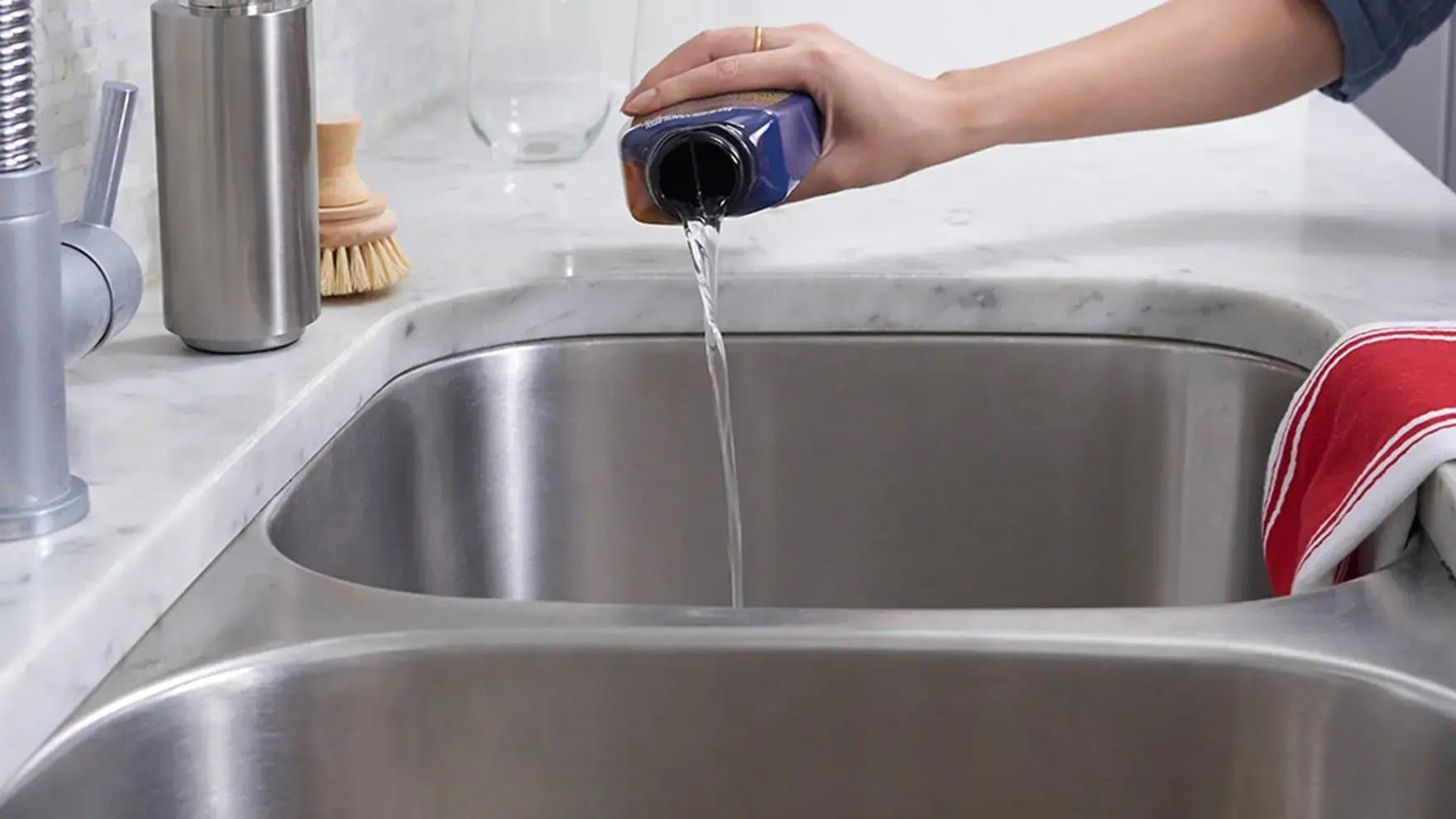
Is your kitchen sink draining slowly or completely blocked? You might think a plunger is the only way to fix it, but what if you don’t have one nearby?
Don’t worry—you can clear that stubborn clog without a plunger, using simple methods you probably already have at home. You’ll discover easy, effective tricks to unblock your kitchen sink drain quickly. Keep reading, and you’ll be back to washing dishes without the hassle or stress in no time.
Common Causes Of Sink Clogs
Understanding the common causes of sink clogs helps you tackle the problem effectively without a plunger. Knowing what usually blocks your kitchen drain lets you prevent future issues and keeps your sink running smoothly. Let’s break down the main culprits behind those stubborn blockages.
Food Particles And Grease
Food scraps are the top offenders in kitchen sink clogs. Small bits of vegetables, rice, or coffee grounds can get stuck in the pipes. Over time, these particles build up and slow down the drainage.
Grease is even trickier. When hot grease cools, it solidifies inside your pipes, creating a sticky barrier. Have you ever poured leftover bacon fat down the drain? That’s a quick way to invite a clog.
Soap Scum And Residue
Soap might seem harmless, but it leaves behind a residue called soap scum. This sticky film clings to the insides of your pipes. Over weeks, it hardens and narrows the passage where water flows.
Combined with minerals in your water, soap scum can create tough blockages. If your sink drains slowly after washing dishes, soap residue might be the reason.
Foreign Objects
Sometimes, the cause of a clog is obvious: small items accidentally dropped down the drain. Think of food packaging bits, bottle caps, or even utensils like forks and spoons.
Kids might drop toys or tiny objects that block water flow. Have you checked your sink drain for anything unusual? Removing foreign objects early saves you from bigger plumbing headaches.
Tools You’ll Need
Before starting to clear a kitchen sink drain, gather the right tools. Having the correct items saves time and effort. Some tools are common in most homes. Others are made specifically for drain cleaning tasks.
Basic Household Items
- Rubber gloves: Protect your hands from dirt and bacteria.
- Bucket: Catch water or debris that might spill out.
- Old toothbrush or small brush: Clean around the drain opening.
- Baking soda and vinegar: Natural agents to help dissolve clogs.
- Boiling water: Useful to flush away grease and buildup.
- Wire hanger: Can be straightened and used to fish out blockages.
Specialized Drain Tools
- Drain snake or auger: A flexible tool to break up tough clogs deep inside.
- Zip-it tool: A plastic strip with barbs to pull out hair and gunk.
- Drain cleaning brush: Designed to scrub inside pipes and traps.
- Screwdriver: Helps to remove drain covers or trap screws.
- Pipe wrench or adjustable pliers: Useful to loosen plumbing fittings safely.
Using Baking Soda And Vinegar
Baking soda and vinegar are a powerful, natural duo for clearing clogged kitchen sink drains. Their chemical reaction creates fizzing bubbles that help break down grime and loosen blockages. Plus, these ingredients are safe for your pipes and the environment.
Step-by-step Process
- First, remove any standing water from the sink to expose the drain opening.
- Pour about half a cup of baking soda directly into the drain.
- Next, slowly add half a cup of white vinegar to the drain. You’ll see fizzing and bubbling—that’s the reaction working.
- Cover the drain with a plug or a damp cloth to keep the reaction concentrated inside the pipe.
- Wait for 15 to 30 minutes to let the mixture break down the clog.
- After waiting, flush the drain with boiling water to clear away loosened debris.
Tips For Best Results
- Use hot, but not boiling, water when flushing if your pipes are PVC, to avoid damage.
- Repeat the process if the drain is still slow—sometimes tough clogs need multiple treatments.
- Try to avoid using chemical drain cleaners afterward, as they can interfere with this natural method.
- Pour the vinegar slowly to prevent it from bubbling out of the sink.
- Consider doing this treatment regularly to keep your drains fresh and clog-free.
Have you ever tried this simple fix and been surprised by how well it works? It’s an easy, inexpensive way to tackle clogs without reaching for harsh chemicals or a plunger. Why not give it a shot next time your sink feels sluggish?

Credit: www.express.co.uk
Boiling Water Method
The boiling water method is a simple yet effective way to clear a clogged kitchen sink drain without needing a plunger. It uses the power of hot water to dissolve grease, soap scum, and minor blockages that often cause slow drainage. This method requires only boiling water and a bit of patience, making it a convenient option for many households.
How It Works
Boiling water helps break down and melt the greasy buildup inside your drain pipes. As the hot water flows through, it loosens the blockage, allowing it to move along the pipe and clear the drain.
If your clog is caused by soap scum or fat, boiling water can soften these materials, making them easier to flush away. It’s important to pour the boiling water slowly and in stages, giving it time to work through the clog.
Have you noticed how sometimes your sink drains slowly after cooking with lots of oil? This method targets exactly that kind of problem by cutting through the grease that solidifies in your pipes.
Safety Precautions
Handling boiling water requires care to avoid burns and injuries. Always use oven mitts or heat-resistant gloves when carrying the pot of boiling water to your sink.
Pour the water slowly to prevent splashing, which can cause serious burns. Avoid using this method if your plumbing is made of PVC pipes that may soften or warp from high temperatures.
If you're unsure about your pipe material, check your plumbing specifications or consult a professional before trying this method. Taking these safety steps ensures you clear your drain safely without damaging your plumbing or harming yourself.
Manual Removal Techniques
Manual removal techniques can clear a kitchen sink drain without a plunger. These methods focus on physically removing the blockage. They work well for common clogs caused by food scraps, grease, or hair. Patience and simple tools often do the trick.
Removing The Stopper
The stopper often traps debris causing the clog. Start by removing it to check inside the drain. Most stoppers lift straight out or twist to unlock. Use a flashlight to look for visible blockages.
Clean the stopper using warm water and soap. Remove any hair or gunk stuck around it. This clears the path for water to flow freely again.
Clearing The Trap
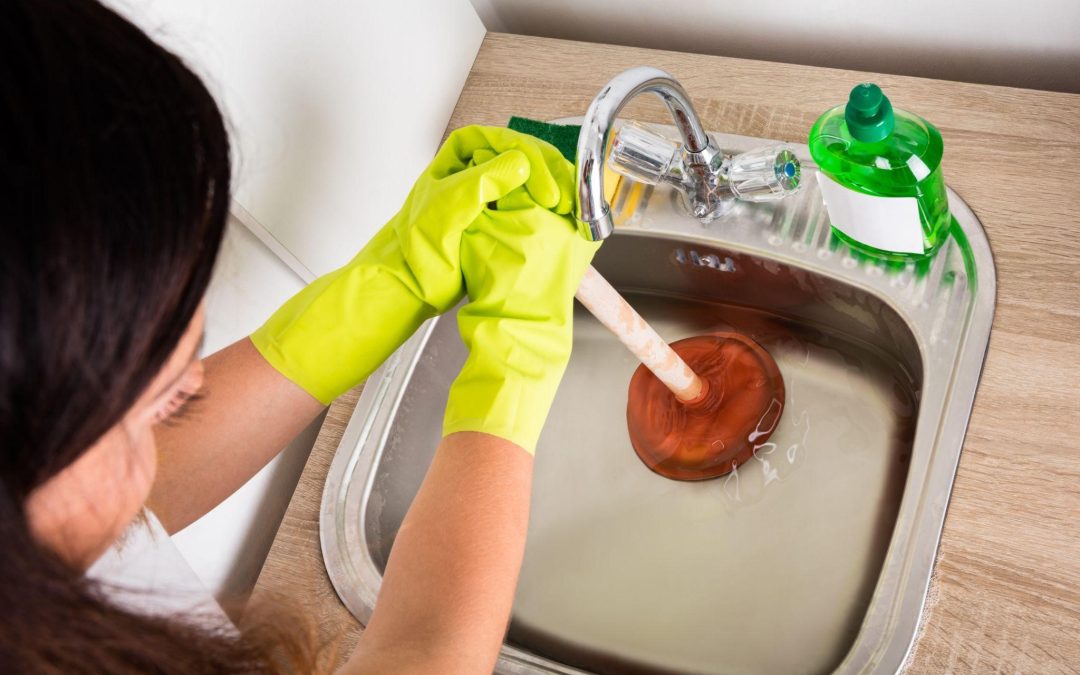
The P-trap is the curved pipe under the sink. It holds water to block sewer gases but can catch debris. Place a bucket underneath to catch water and loosen the slip nuts.
Remove the trap carefully and inspect inside. Use a brush or wire to clear out any buildup. Rinse the trap before reattaching it securely.
Credit: brisbanedraincleaning.com.au
Using A Wire Hanger Or Drain Snake
A wire hanger or drain snake can clear stubborn clogs in kitchen sinks. Straighten a wire hanger, then create a small hook at one end. Insert it into the drain and remove debris. Alternatively, use a drain snake to reach deeper blockages.
Both methods are effective and simple.
Clogged kitchen sinks can be a real hassle, especially when you don't have a plunger on hand. But, don't worry! A wire hanger or drain snake can come to your rescue. These tools are surprisingly effective at tackling stubborn blockages. Let's explore how you can utilize them to get your kitchen sink flowing smoothly again.
Preparing The Tool
Before diving into the task, ensure you have the right tools ready. A simple wire hanger can be transformed into a handy tool by straightening it out and bending one end to form a small hook. This hook will help grab onto debris causing the blockage. If you have a drain snake, ensure it's clean and functioning properly. The advantage of a drain snake is its flexibility and reach. It can navigate through the pipe bends more easily than a wire hanger.
Effective Maneuvers
Once your tool is ready, carefully insert it into the drain. Use gentle, twisting motions to guide the wire hanger or drain snake deeper into the pipe. The twisting action helps the tool latch onto any clogs. As you feel resistance, slowly pull the tool back out. This should bring along clumps of debris. Repeat the process a few times to ensure you've removed as much blockage as possible. Remember, patience is key. If the clog is stubborn, take a break and try again. Have you ever wondered how many times we give up too soon? Sometimes persistence is all you need to clear that drain effectively.
Enzyme-based Drain Cleaners
Enzyme-based drain cleaners offer a natural way to clear blockages in kitchen sinks. These products use enzymes that break down organic materials like grease, food scraps, and soap scum. The enzymes digest the clog slowly without harming pipes or the environment. This makes enzyme cleaners safe for regular use and eco-friendly compared to harsh chemicals.
Enzyme cleaners work best on minor to moderate clogs and require some time to be effective. They do not provide instant results but help maintain clear drains over time. Many households prefer enzyme-based solutions for their gentle yet effective cleaning power.
Choosing The Right Product
- Select a cleaner labeled for kitchen drains or grease clogs.
- Check for active enzymes like protease, lipase, or amylase.
- Choose non-toxic, biodegradable formulas to protect pipes and environment.
- Avoid products with harsh chemicals or strong odors.
- Read reviews to find trusted brands with consistent results.
Application Instructions
- Pour the recommended amount of enzyme cleaner into the drain.
- Allow the product to sit for at least 30 minutes, or overnight for tough clogs.
- Avoid using the sink during this time to let enzymes work effectively.
- Flush the drain with hot water to clear loosened debris.
- Repeat treatment weekly for maintenance and to prevent future blockages.
Preventing Future Clogs
Preventing future clogs in your kitchen sink saves you time and stress. It’s easier to avoid a blockage than to fix one. Simple habits and regular upkeep can keep your drain flowing smoothly for months.
Regular Maintenance Tips
Clean your drain regularly to stop buildup. Pour a mixture of baking soda and vinegar down the drain once a week. Let it sit for 10 minutes, then flush with hot water to clear out grease and debris.
Use a drain strainer to catch food scraps and prevent them from going down the drain. Empty the strainer after each meal to avoid unpleasant smells and blockages.
Check your sink pipes for leaks or corrosion every few months. A small leak can attract dirt and cause clogs over time. Fixing these early can save you from bigger plumbing problems.
Smart Usage Habits
Think about what goes down your drain. Avoid pouring grease, oil, or coffee grounds into the sink. These substances harden and stick to pipes, causing blockages.
Scrape plates and pans into the trash before washing. This reduces solid waste that might clog the drain. It’s a small change that makes a big difference.
Run cold water while using the garbage disposal. Cold water solidifies any grease, allowing the disposal to chop it up before it reaches the pipes. Have you tried this simple trick yet?

Credit: www.youtube.com
Frequently Asked Questions
How Can I Unblock A Kitchen Sink Without A Plunger?
You can use baking soda and vinegar to clear minor clogs. Pour half a cup of baking soda, then half a cup of vinegar. Wait 15 minutes, then flush with hot water. This natural method is effective and safe for pipes.
What Household Items Help Unclog A Kitchen Sink Drain?
Common items like baking soda, vinegar, and boiling water help. These ingredients dissolve grease and debris causing blockages. Avoid harsh chemicals to protect your pipes and the environment.
Is Using A Wire Hanger Effective For Sink Clogs?
Yes, a straightened wire hanger can remove hair and debris. Insert it carefully into the drain and pull out the clog. This method is simple and inexpensive for minor blockages.
Can Hot Water Alone Unblock A Kitchen Sink?
Hot water can dissolve grease buildup causing slow drainage. Pour boiling water slowly into the drain in stages. Repeat if necessary. This method works best for grease-related clogs.
Conclusion
Unclogging a kitchen sink drain without a plunger is doable. Simple household items can help clear the blockage fast. Take your time to try each method carefully. Avoid harsh chemicals that might damage your pipes. Regular cleaning prevents future clogs and keeps water flowing.
Keep these tips handy for any drain issues. You can fix small clogs yourself and save money. Stay patient, and your sink will work smoothly again.