
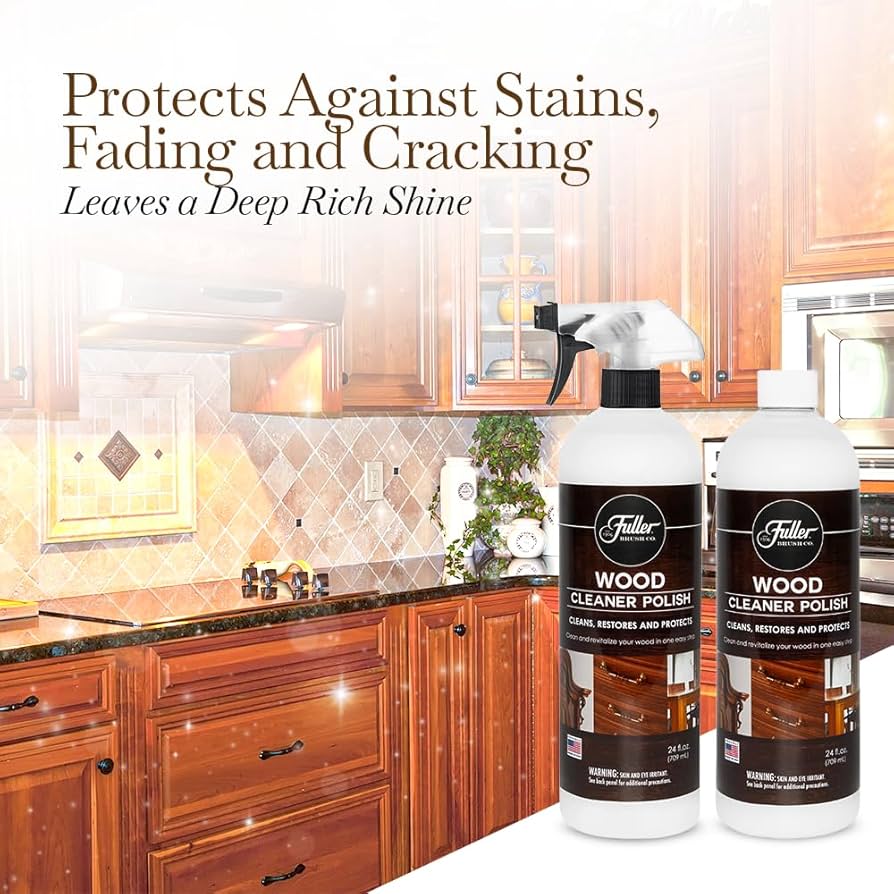
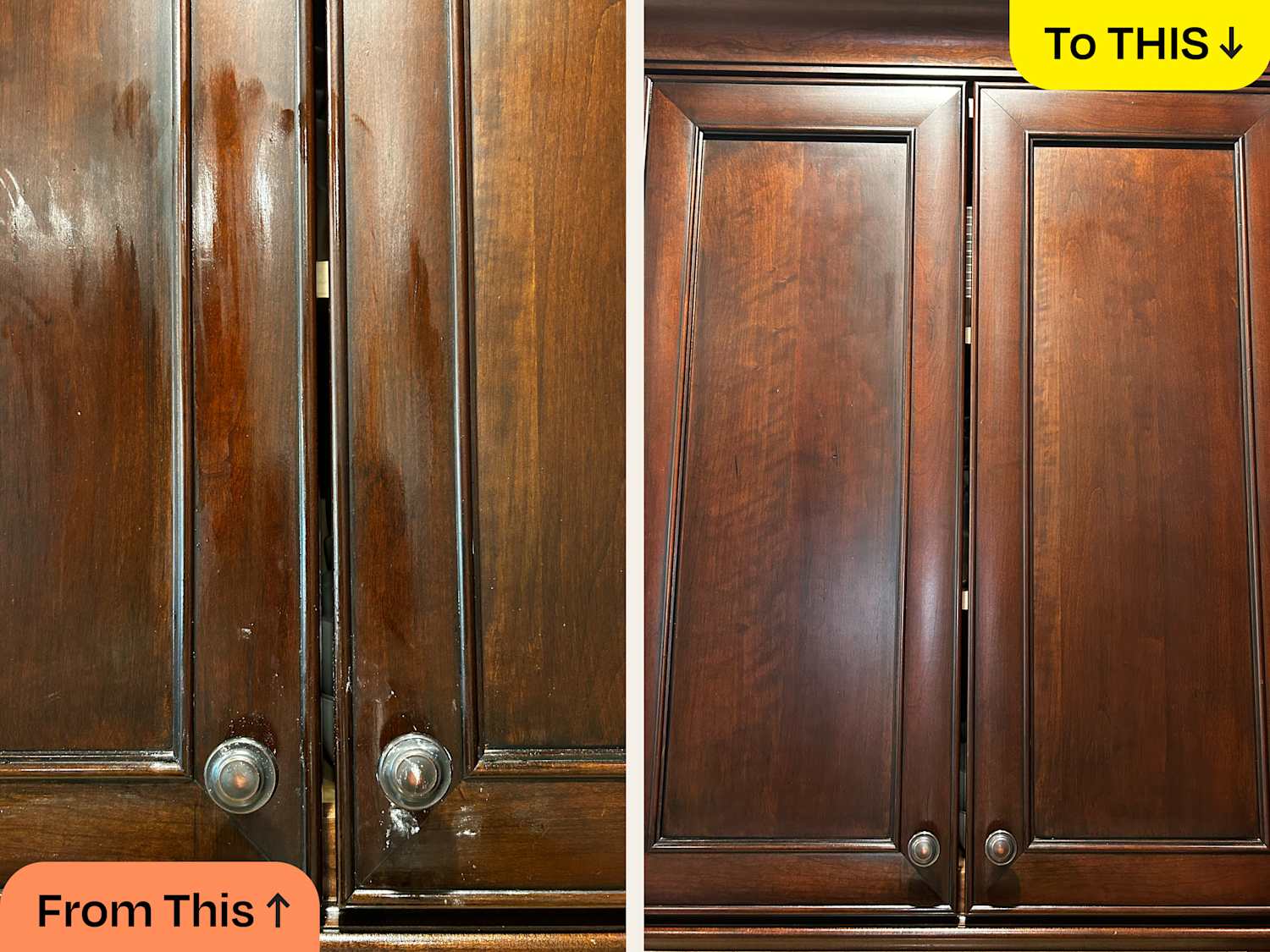
Are your kitchen cabinets looking dull or sticky? Choosing the right wood cleaner can make all the difference in bringing back their shine and keeping them protected.
But with so many products on the market, how do you know which one is truly the best for your cabinets? You want a cleaner that’s effective, safe, and easy to use—something that works without damaging your wood or leaving behind harmful residues.
Keep reading, because we’re about to reveal the top wood cleaners that will transform your kitchen cabinets and make your cleaning routine simpler than ever. Your cabinets deserve the best care, and you’re just one step away from discovering it.

Credit: www.amazon.com
Types Of Wood Cleaners
Choosing the right wood cleaner for your kitchen cabinets depends largely on understanding the different types available. Each cleaner type offers distinct benefits and suits specific needs. Knowing these options helps you pick a solution that keeps your cabinets looking fresh without damaging the wood.
Natural Cleaners
Natural cleaners use ingredients you might already have at home, like vinegar, lemon juice, or olive oil. These options are gentle on wood and free from harsh chemicals, making them perfect if you prefer eco-friendly products. I once cleaned my oak cabinets with a simple mix of vinegar and water, and the results were surprisingly good without any residue.
Natural cleaners work well for regular maintenance and light dirt. However, they may struggle with tough stains or sticky grease. Are you ready to try something simple that’s also safe for your family and pets?
Commercial Cleaners
Commercial wood cleaners are specially formulated to tackle dirt, grime, and grease on kitchen cabinets. Brands often include added conditioners to nourish the wood while cleaning. If your cabinets have stubborn stains or a thick layer of buildup, these cleaners can save you time and effort.
Be sure to choose a product designed for wood surfaces and test it on a small area first. Some cleaners contain strong chemicals that may strip finishes or discolor wood. Have you checked the label for ingredients and wood type compatibility?
Diy Solutions
DIY wood cleaners let you customize the mix to fit your specific needs. Popular recipes combine ingredients like baking soda, castile soap, and essential oils. This approach is budget-friendly and gives you control over what touches your cabinets.
One time, I added a few drops of tea tree oil to a mild soap solution to tackle sticky spots and was impressed by how it cut through grease naturally. Would you be willing to experiment with your own cleaner for a more personalized touch?
Credit: www.thekitchn.com
Key Features To Consider
Choosing the best wood cleaner for kitchen cabinets means looking at several key features. These features ensure the cleaner works well and protects your cabinets. Understanding these points helps pick a cleaner that keeps wood fresh and safe.
Effectiveness On Grease And Grime
Kitchens often have grease, dirt, and food stains on cabinets. A good cleaner must remove these quickly and completely. It should dissolve tough grime without harsh scrubbing. Effective cleaners save time and effort while making cabinets shine.
Safety For Wood Finish
Wood finishes can be delicate and easily damaged by strong chemicals. The cleaner should be gentle and protect the wood’s natural look. It must not strip away varnish or cause discoloration. Safe cleaners keep cabinets looking new longer.
Ease Of Use
A cleaner should be simple to apply and rinse off. It should not leave sticky or oily residues behind. Spray bottles or wipes add convenience. Easy-to-use products encourage regular cleaning and better cabinet care.
Top Wood Cleaner Picks
Choosing the right wood cleaner for your kitchen cabinets can make a huge difference in maintaining their beauty and longevity. Each type of cleaner serves a specific purpose depending on the level of dirt, the delicacy of the surface, and your budget. Below are some top picks that have proven effective for different needs, helping you keep your cabinets looking fresh and well-cared for.
Best For Deep Cleaning
If your kitchen cabinets are covered in grease and grime, a deep cleaner is essential. Products with natural citrus oils or enzyme-based formulas break down stubborn dirt without damaging the wood.
One standout option is a cleaner that combines strong degreasing power with gentle ingredients. It removes tough buildup from cooking without stripping the wood’s finish.
Have you ever wondered why some cleaners leave a sticky residue? Choosing one that rinses clean ensures your cabinets don’t attract more dirt after cleaning.
Best For Delicate Surfaces
Delicate or antique wood cabinets require extra care. A cleaner with mild ingredients and a pH-balanced formula protects the wood's finish and prevents discoloration.
Look for products that are free of harsh chemicals and abrasives. These keep your cabinets looking natural and polished without causing damage.
When you use a gentle cleaner, you preserve the character of your cabinets while keeping them spotless. Isn’t it worth investing in a product that respects your wood’s unique texture?
Best Budget Option
Maintaining your kitchen cabinets doesn’t have to break the bank. There are affordable wood cleaners that deliver great results without compromising quality.
Simple solutions, like diluted vinegar or castile soap-based cleaners, can be very effective for regular upkeep. They’re easy to make at home and safe for most wood finishes.
What if you could maintain your cabinets’ shine with ingredients already in your pantry? Sometimes, the best budget choice is the one you create yourself.

Credit: www.cabinetdoors.com
How To Clean Kitchen Cabinets
Cleaning kitchen cabinets keeps them looking fresh and extends their life. Dirt, grease, and spills build up over time. Regular cleaning removes grime and restores shine. Use the right techniques to avoid damage. Follow simple steps for a clean, beautiful kitchen.
Preparation Steps
- Remove all items from the cabinets.
- Use a soft cloth to dust surfaces.
- Test the cleaner on a hidden spot first.
- Gather cleaning supplies like a mild wood cleaner, water, and soft sponges.
- Open windows for good ventilation.
Cleaning Techniques
- Mix the wood cleaner with water as per instructions.
- Dampen a soft cloth or sponge with the solution.
- Wipe cabinets gently in the direction of the wood grain.
- Focus on greasy or stained areas for better results.
- Use a clean, dry cloth to wipe away excess moisture.
Aftercare Tips
- Dry cabinets thoroughly to prevent water damage.
- Apply a wood polish or conditioner for extra shine.
- Clean spills immediately to avoid stains.
- Repeat cleaning every few weeks to maintain freshness.
- Avoid harsh chemicals that can strip the wood finish.
Common Mistakes To Avoid
Choosing harsh cleaners can damage wood and strip finishes. Avoid using too much water, which can cause warping or stains on cabinets. Always test cleaners on a small area first to prevent unwanted damage.
Cleaning kitchen cabinets might seem straightforward, but there are common mistakes that could damage your beautiful wood surfaces. Understanding these pitfalls can save you time, money, and unnecessary frustration. Here’s what you need to know to keep your cabinets looking their best.
Using The Wrong Cleaning Products
Not all cleaning products are suitable for wood. Some contain harsh chemicals that can strip the finish. Always check the label to ensure the cleaner is wood-safe. Opt for products specifically designed for wooden surfaces, or consider making a gentle homemade solution.
Ignoring Manufacturer Guidelines
Your cabinets likely came with care instructions. Ignoring these guidelines can lead to damage. Stick to the manufacturer’s recommendations for the best cleaning practices. This ensures the longevity and appearance of your cabinets.
Over-wetting The Wood
Excess moisture is wood’s enemy. Avoid soaking your cabinets with water or cleaner. Instead, use a damp cloth and wipe surfaces dry immediately. This prevents swelling and warping of the wood over time.
Skipping Regular Cleaning
Neglecting regular cleaning can lead to a buildup of grease and grime. This makes cleaning more difficult and could damage the wood. Establish a routine to keep cabinets fresh and free from accumulated dirt.
Using Abrasive Tools
Scrub brushes and steel wool might seem like good tools for tough spots. However, they can scratch and damage the finish of your cabinets. Stick to soft cloths or sponges for a gentler approach.
Not Testing On A Small Area First
Before using a new cleaner, test it on a hidden area of your cabinet. This ensures it won’t cause discoloration or damage. A quick spot test can save you from widespread mishaps. By avoiding these common mistakes, you can maintain the beauty and durability of your kitchen cabinets. Take a moment to reassess your cleaning routine. Are you making any of these errors? Adjusting your approach can make all the difference in preserving your kitchen’s charm.
Maintaining Cabinet Shine
Maintaining the shine of your kitchen cabinets keeps your kitchen looking fresh and inviting. Wood cabinets can lose their luster over time due to dirt, grease, and moisture. Regular care helps preserve their natural beauty and extends their life.
Regular Cleaning Routine
Keep cabinets clean by wiping them often with a soft cloth. Use a gentle wood cleaner designed for kitchen cabinets. Avoid harsh chemicals that can damage the finish. Clean spills immediately to prevent stains and buildup.
- Dust cabinets weekly using a microfiber cloth.
- Use a mild wood cleaner diluted with water for deeper cleaning.
- Wipe surfaces dry after cleaning to avoid water spots.
- Avoid abrasive scrubbers that can scratch the wood.
Protective Treatments
Protect wood cabinets with treatments that nourish and shield the surface. Applying a wood polish or conditioner enhances shine and creates a barrier against dirt. Choose products made for kitchen cabinets to avoid buildup.
- Apply wood polish every few months for lasting shine.
- Use natural oils like lemon or mineral oil for conditioning.
- Test any product on a small area before full application.
- Reapply treatments after cleaning to maintain protection.
Frequently Asked Questions
What Is The Safest Wood Cleaner For Kitchen Cabinets?
The safest wood cleaner is a gentle, non-toxic solution. Look for products labeled as natural or plant-based. Avoid harsh chemicals that can damage finish or cause allergies. Always test cleaners on a small hidden area before full use.
Can Vinegar Clean Wood Kitchen Cabinets Effectively?
Yes, vinegar diluted with water is an effective natural cleaner. It removes grease and grime without harsh chemicals. Use one part vinegar to three parts water. Avoid using undiluted vinegar as it may dull the wood’s finish.
How Often Should I Clean Kitchen Cabinet Wood?
Clean kitchen cabinets weekly to prevent dirt buildup. Light wiping with a damp cloth and mild cleaner keeps wood fresh. Deep cleaning can be done monthly to maintain shine and remove stubborn stains.
Are Commercial Wood Cleaners Better Than Homemade Solutions?
Commercial cleaners are formulated for wood and often more effective. However, homemade solutions like mild soap or vinegar can be safer and cheaper. Choose based on your cabinet’s finish and personal preference.
Conclusion
Choosing the right wood cleaner keeps kitchen cabinets bright and fresh. Regular cleaning stops dirt and grease buildup fast. Gentle cleaners protect wood without causing damage. Natural options work well for safe, eco-friendly care. Test any product on a small spot first.
Clean cabinets often to maintain their beauty and shine. A little effort makes your kitchen look new again. Simple steps lead to lasting cabinet care and charm.