
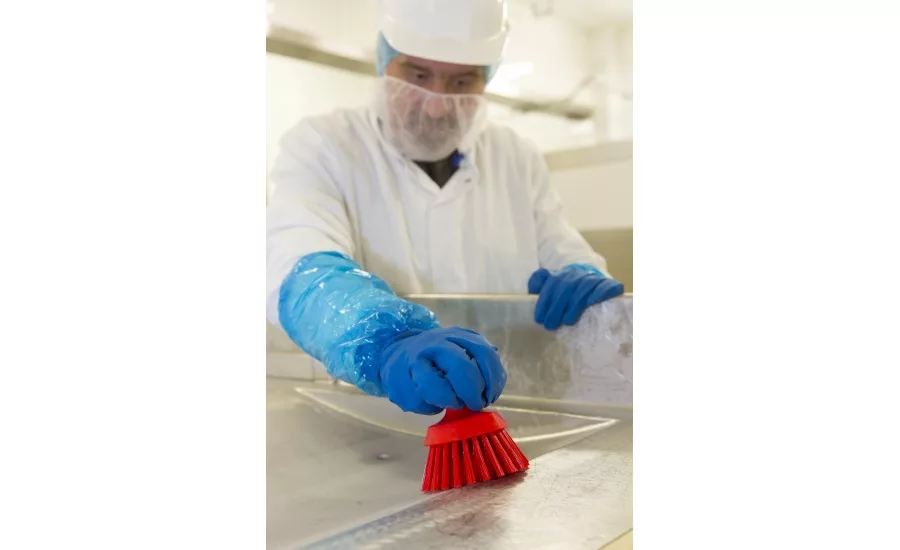
Imagine you just finished a long day in the kitchen. You cleaned every surface, sanitized every tool, and made sure everything is spotless.
But do you know why this step is so important for your food safety and health? If you want to protect yourself, your family, or your customers from harmful bacteria and keep your kitchen running smoothly, understanding the cleaning and sanitizing process is key.
Keep reading to discover how a food worker’s careful attention to this task can make all the difference in your kitchen.
Cleaning Procedures
Cleaning procedures in a kitchen are more than just a routine—they are the backbone of food safety and hygiene. Knowing exactly what to clean, how to clean, and which products to use can make a huge difference in maintaining a safe environment for both workers and customers. Let’s break down the key steps to ensure your kitchen shines with cleanliness every time.
Selecting Cleaning Agents
Choosing the right cleaning agents matters. You need products that effectively remove grease, food residue, and bacteria without harming surfaces or leaving harmful residues behind. Always check labels for food-safe certifications and proper usage instructions.
Think about the surfaces you clean daily—stainless steel, cutting boards, countertops—they each require different types of cleaners. For instance, a degreaser works wonders on stovetops but might be too harsh for wooden cutting boards. Have you ever noticed a cleaner that left streaks or a slippery finish? That’s usually a sign you need a better-suited product.
Proper Use Of Equipment
Using cleaning equipment correctly saves time and prevents damage. Mops, brushes, and cloths should be chosen based on the area you’re cleaning. For example, microfiber cloths are great for wiping down surfaces because they trap dirt and bacteria effectively.
Don’t forget the importance of regular equipment maintenance. Dirty mops or worn-out brushes spread germs instead of removing them. How often do you check your cleaning tools for wear and tear? Keeping equipment clean is just as vital as cleaning the kitchen itself.
Step-by-step Cleaning Process
- Clear the area:Remove food, utensils, and debris before starting.
- Pre-rinse surfaces:Use warm water to wash off loose dirt and grime.
- Apply cleaning agent:Follow the product instructions carefully for concentration and contact time.
- Scrub thoroughly:Use the appropriate brush or cloth to remove stubborn residues.
- Rinse with clean water:Make sure no cleaning agents remain on surfaces.
- Sanitize:Apply a food-safe sanitizer to kill any remaining bacteria.
- Air dry or wipe dry:Ensure surfaces are completely dry before use.
Have you ever rushed through cleaning and noticed a sticky spot later? Taking the time to follow each step carefully prevents that. Each action builds on the previous one to ensure your kitchen is not only clean but truly safe.
Sanitizing Techniques
Sanitizing techniques are essential to keep a kitchen clean and safe. They reduce harmful germs and prevent food contamination. Proper sanitizing protects both workers and customers. The right methods ensure all surfaces are free from bacteria and viruses.
Choosing Effective Sanitizers
Pick sanitizers that kill a wide range of germs quickly. Common types include chlorine, quaternary ammonium compounds, and iodine. Check the label for approval by health authorities. Use sanitizers suitable for kitchen surfaces and food contact areas. Avoid products that leave harmful residues or strong odors.
Contact Time And Concentration
Sanitizers need enough time to work properly. Follow instructions for how long the surface should stay wet. Usually, contact time ranges from 30 seconds to several minutes. Concentration matters too. Too weak won’t kill germs, too strong can damage surfaces or be unsafe. Measure sanitizer carefully to get the right mix.
Safety Precautions During Sanitizing
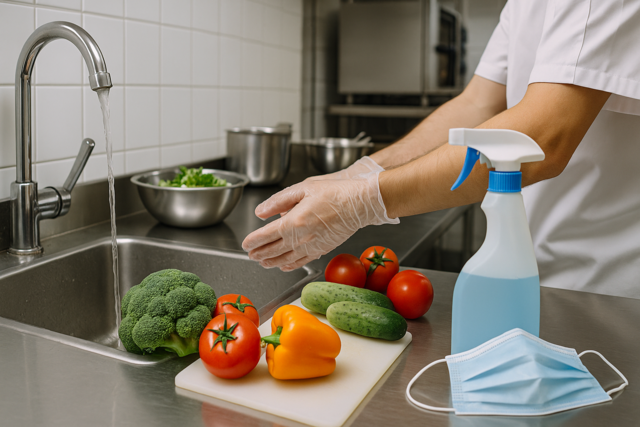
Wear gloves and protective clothing to avoid skin contact. Work in well-ventilated areas to reduce inhaling fumes. Store sanitizers away from food and children. Never mix different chemicals; it can cause dangerous reactions. Rinse surfaces if the sanitizer label advises doing so before use.
Personal Hygiene Practices
Personal hygiene is vital for food workers to keep kitchens safe and clean. Good hygiene stops germs from spreading. It protects both the worker and the customers. Following simple habits maintains a healthy environment.
Handwashing Guidelines
Hands must be washed often and correctly. Use warm water and soap. Rub all hand parts for at least 20 seconds. Clean under nails and between fingers. Rinse well and dry with a clean towel. Always wash hands before handling food and after touching raw items.
Protective Clothing Use
Wear clean uniforms, aprons, and hairnets. Protective clothing prevents dirt and germs from reaching food. Change clothes if they become dirty. Avoid wearing jewelry that can fall into food. Keep shoes clean and closed to avoid slips and contamination.
Avoiding Cross-contamination
Use separate tools for raw and cooked foods. Clean and sanitize surfaces between tasks. Store raw meat below other foods in the fridge. Avoid touching face, hair, or body while working. Dispose of waste promptly to keep the area tidy.

Credit: www.foodengineeringmag.com
Post-cleaning Inspection
Post-cleaning inspection ensures kitchens remain sanitary after cleaning. It's crucial for food safety. This step verifies that all cleaning efforts were effective. A thorough inspection protects against contamination. It also maintains hygiene standards.
Visual Checks
Visual checks are the first step in post-cleaning inspection. Inspectors examine surfaces for visible dirt or residue. They also check for any leftover cleaning supplies. All equipment should appear clean and shiny. Proper lighting helps spot missed areas. Inspecting hard-to-reach spots is vital.
Swab Testing Methods
Swab testing confirms cleanliness on a microscopic level. This method involves using swabs on surfaces. Swabs collect samples for lab analysis. This process identifies invisible germs. Swab testing ensures surfaces are truly clean. Regular swab testing helps maintain high standards.
Documentation And Reporting
Documentation records findings from the inspection. It includes details of any issues found. Reports should note corrective actions taken. Keeping records helps track cleaning effectiveness over time. This process supports compliance with health regulations. Proper documentation builds trust with inspectors.
Maintaining A Safe Kitchen Environment
Keeping a kitchen safe goes beyond just cleaning; it’s about creating a consistent routine that protects everyone who works or eats there. You need to think of safety as a daily habit, not a one-time task. Every surface, tool, and corner must be regularly checked and sanitized to prevent any health risks.
Regular Cleaning Schedules
Setting a clear cleaning schedule helps you stay on top of kitchen hygiene without feeling overwhelmed. Break down tasks into daily, weekly, and monthly duties. For example, wiping down countertops and sanitizing cutting boards should happen multiple times a day, while deep cleaning ovens or refrigerators might be weekly.
Try to stick to these schedules even during busy shifts. You’ll notice how a clean kitchen feels less chaotic and more inviting. Have you ever worked in a kitchen where cleanliness was ignored? It’s hard to focus and stay motivated in that environment.
Training And Staff Awareness
Cleaning is only effective if every food worker understands why it matters. Regular training sessions can keep everyone informed about best practices and common mistakes. Use simple demonstrations to show the right way to clean and sanitize equipment.
Encourage staff to ask questions and share their own tips. When everyone feels responsible, the whole kitchen stays safer. Have you ever seen how a team that communicates well handles cleaning faster and better?
Handling Waste Properly
Waste can be a hidden source of contamination if not managed correctly. Make sure trash bins are emptied frequently and placed away from food prep areas. Use separate containers for recyclables, organic waste, and general trash to avoid cross-contamination.
Also, clean and sanitize waste bins regularly to prevent odors and bacteria build-up. Think about how much easier it is to maintain hygiene when waste is handled with care. What small changes can you make today to improve your kitchen’s waste management?
Credit: www.universalclass.com

Credit: www.dreamstime.com
Frequently Asked Questions
What Are The Steps To Clean And Sanitize A Kitchen?
Cleaning involves removing dirt and debris. Sanitizing uses chemicals to kill germs. Both steps ensure a safe food environment.
Why Is Sanitizing After Cleaning Important In Kitchens?
Sanitizing kills bacteria that cleaning alone can't remove. It prevents foodborne illnesses and keeps the kitchen safe for food preparation.
How Long Should A Food Worker Spend Sanitizing?
Sanitizing time depends on the chemical used, usually between 30 seconds to 10 minutes. Follow product instructions for best results.
What Tools Are Essential For Kitchen Cleaning And Sanitizing?
Essential tools include gloves, scrub brushes, cleaning cloths, sanitizing solution, and disposable towels. Proper tools ensure effective cleaning and safety.
Conclusion
A food worker cleaned and sanitized the kitchen carefully. This keeps the space safe and healthy. Clean kitchens stop germs from spreading. Workers can prepare food with less risk. Customers feel better about eating there. Regular cleaning helps the kitchen last longer.
It also meets health rules and standards. A clean kitchen shows good care and respect. Everyone benefits from a tidy, safe place. Remember, cleaning is a key part of food safety.