
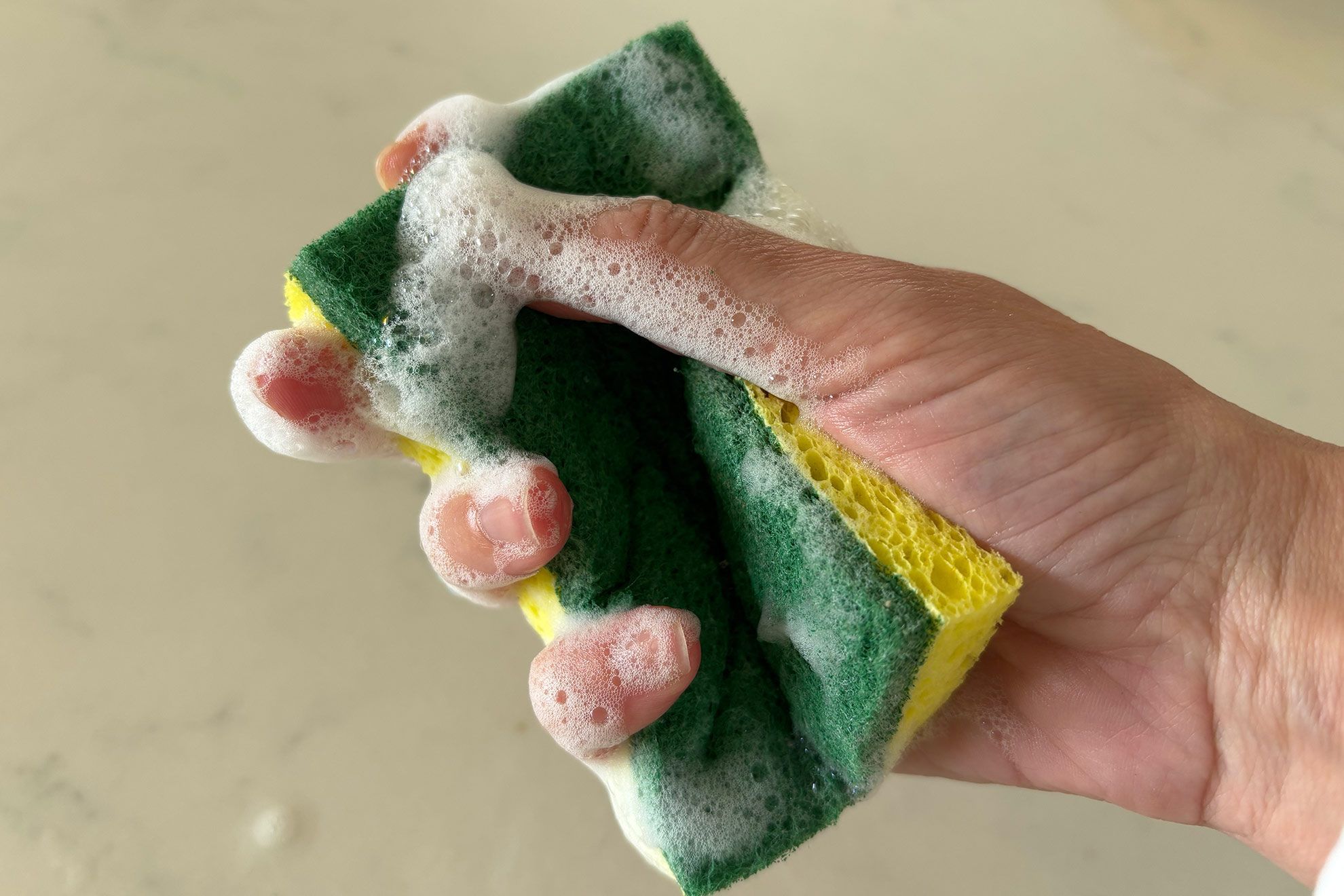
Your kitchen sponge is one of the busiest tools in your home. You use it every day to clean dishes, wipe counters, and tackle spills.
But have you ever stopped to think about how often you should clean it? If you don’t clean your sponge regularly, it can become a breeding ground for germs and bacteria that could harm you and your family. You’ll discover simple and effective ways to keep your kitchen sponge fresh and safe.
Keep reading to learn how often you should clean your sponge and why it matters more than you might think.

Credit: www.absolutecleaning.com.sg
Why Kitchen Sponge Hygiene Matters
Keeping your kitchen sponge clean is very important. Sponges are used every day for washing dishes and wiping surfaces. They often stay wet and warm, which creates a perfect home for germs. These germs can multiply quickly if you do not clean or replace your sponge regularly. Understanding why kitchen sponge hygiene matters can help you keep your kitchen safe and healthy.
Bacteria And Germs In Sponges
Kitchen sponges hold many types of bacteria. These include harmful ones like Salmonella and E. coli. These bacteria come from raw food, dirty dishes, and unclean surfaces. Because sponges stay damp, bacteria grow fast inside them. Simply rinsing the sponge with water does not remove all germs. Using a dirty sponge can spread bacteria around your kitchen.
Health Risks Of Dirty Sponges
Using a dirty sponge can cause health problems. Germs from the sponge can reach your food or hands. This can lead to stomach pain, diarrhea, and food poisoning. People with weak immune systems are at higher risk. Children and elderly people need extra care. Cleaning or changing your sponge often lowers these health risks.

Credit: www.yahoo.com
Signs Your Sponge Needs Cleaning
Knowing when your kitchen sponge needs cleaning helps keep your kitchen hygienic. Sponges can harbor bacteria and germs quickly. Spotting clear signs can prevent illness and maintain a fresh kitchen environment.
Unpleasant Odors
A foul or sour smell from your sponge signals bacteria growth. This odor often appears after the sponge stays wet too long. A fresh sponge should not have any strong or bad smells.
Visible Wear And Tear
Look for cracks, holes, or frayed edges on the sponge. Worn-out sponges trap more dirt and bacteria. These damaged parts reduce cleaning power and can spread germs.
Reduced Cleaning Efficiency
If your sponge no longer removes stains or food scraps easily, it needs cleaning. A clogged or dirty sponge leaves surfaces less clean. Regular cleaning restores its scrubbing ability and hygiene.
Recommended Cleaning Frequency
Knowing how often to clean your kitchen sponge is key to keeping your kitchen hygienic and safe. Sponges are breeding grounds for bacteria if left dirty, so regular cleaning is essential. But how often should you actually clean it? Here’s a clear guide to help you keep your sponge fresh and effective.
Daily Cleaning Tips
After each use, rinse your sponge thoroughly with hot water to remove food particles and soap. Squeeze out excess water to slow down bacterial growth. Consider keeping a small bowl of diluted bleach or vinegar nearby to quickly disinfect your sponge between uses.
Another easy daily habit is to microwave your damp sponge for about 30 seconds. This kills many germs but make sure your sponge has no metal parts and is microwave-safe. Have you noticed how much fresher your sponge feels after this quick step?
Weekly Deep Cleaning
Once a week, give your sponge a thorough deep clean to kill stubborn bacteria. Soak it in a mixture of one part bleach to nine parts water for five minutes, then rinse well. Alternatively, you can boil the sponge in water for five minutes to sanitize it.
Replacing your sponge once every 1 to 2 weeks is still the best practice, even with regular cleaning. The texture and integrity of sponges break down over time, making them less effective and more prone to harboring germs. How long has your current sponge been in use?

Credit: www.absolutesolutions.com.sg
Effective Cleaning Methods
Kitchen sponges should be cleaned daily to prevent bacteria buildup. Replace sponges every one to two weeks for best hygiene. Regular cleaning keeps your kitchen safe and fresh.
Cleaning your kitchen sponge regularly is vital. Sponges can harbor harmful bacteria. Using effective cleaning methods keeps them safe and fresh. Here, discover three simple ways to disinfect your kitchen sponge.
Microwave Disinfection
Microwaving your sponge kills bacteria. Wet the sponge completely. Place it in the microwave for 1-2 minutes. Ensure the sponge is microwave-safe. The heat will sanitize it effectively. This method is quick and easy. Always handle the sponge carefully after microwaving.
Dishwasher Cleaning
Use your dishwasher for sponge cleaning. Place the sponge on the top rack. Run it through a regular wash cycle. The hot water and detergent sanitize the sponge. This method is convenient if you use the dishwasher often. It cleans multiple sponges at once.
Soaking In Bleach Or Vinegar
Bleach or vinegar kills germs in sponges. Mix 3/4 cup bleach in a gallon of water. Soak the sponge for five minutes. Rinse thoroughly afterward. Alternatively, use vinegar. Soak the sponge in full-strength vinegar for five minutes. This method is eco-friendly and effective.
When To Replace Your Sponge
Knowing when to replace your kitchen sponge is key to keeping your kitchen clean and safe. Sponges quickly become a breeding ground for bacteria, which can lead to unpleasant odors and even health risks. Paying attention to certain signs can help you decide the right time to toss out your sponge before it becomes a problem.
Signs It's Time To Toss
Does your sponge smell bad even after rinsing? That’s a major red flag. A persistent foul odor means bacteria have taken over, and no amount of rinsing will fix it.
Look for visible wear and tear like cracks, tears, or thinning areas. These damaged spots harbor germs and reduce your sponge’s effectiveness.
If your sponge feels slimy or mushy, it’s time to say goodbye. A healthy sponge should feel firm and springy, not soggy or fragile.
Choosing Long-lasting Sponges
Not all sponges are created equal. Consider investing in antimicrobial sponges that slow down bacterial growth, helping them last longer and stay fresher.
Sponges made with cellulose or natural fibers tend to dry faster, which reduces bacteria buildup. You might find these options more durable and hygienic than traditional synthetic ones.
Think about how often you clean your sponge too. Even the best sponge won’t last if you don’t rinse and dry it thoroughly after each use.
Preventing Sponge Contamination
Preventing sponge contamination is key to a healthy kitchen. Sponges collect bacteria and germs easily. Keeping them clean and stored properly stops harmful buildup. This reduces the risk of spreading germs to your dishes and surfaces.
Simple habits can protect your kitchen sponge from becoming a health hazard. Choosing the right storage and using different sponges for specific tasks helps a lot. These small steps keep your sponge cleaner for longer and your kitchen safer.
Proper Storage
Store your sponge in a dry place after use. Avoid leaving it in the sink or a wet dish rack. Water encourages bacteria growth and bad smells.
Use a sponge holder or a container that allows air flow. This helps the sponge dry quickly. Change the holder or container often to keep it clean.
- Rinse the sponge well before storing
- Keep it away from food scraps and dirty dishes
- Place it in a spot with good air circulation
Using Separate Sponges For Different Tasks
Use different sponges for dishes, counters, and cleaning the sink. This prevents cross-contamination between surfaces.
Label or color code your sponges to keep tasks clear. It helps everyone in the household use the right sponge for the right job.
- One sponge for washing dishes
- Another for wiping counters and tables
- A separate one for cleaning bathroom or sink areas
Frequently Asked Questions
How Often Should You Clean Your Kitchen Sponge?
You should clean your kitchen sponge at least once a day. Frequent cleaning prevents bacteria buildup and keeps your sponge hygienic. Regular sanitation extends sponge life and maintains kitchen safety.
What Is The Best Way To Disinfect A Kitchen Sponge?
Microwaving a damp sponge for two minutes is an effective disinfecting method. Alternatively, soak it in bleach or vinegar solution for five minutes. These methods kill most bacteria and keep your sponge safe for use.
Can Kitchen Sponges Harbor Harmful Bacteria?
Yes, kitchen sponges can harbor harmful bacteria like E. coli and Salmonella. Their moist environment makes them ideal for bacterial growth. Regular cleaning and replacement reduce health risks in your kitchen.
How Often Should You Replace Your Kitchen Sponge?
Replace your kitchen sponge every one to two weeks. Even with regular cleaning, sponges degrade and accumulate bacteria over time. Frequent replacement ensures better hygiene and food safety.
Conclusion
Keeping your kitchen sponge clean is important for health. Clean it at least once a week to stop germs. Replace your sponge every two weeks for best results. Use hot water or microwave to kill bacteria. A clean sponge helps keep your kitchen safe and fresh.
Small steps make a big difference in hygiene. Don’t let dirt build up. Stay safe by cleaning often and changing sponges regularly. Simple care keeps your kitchen healthy and pleasant.