
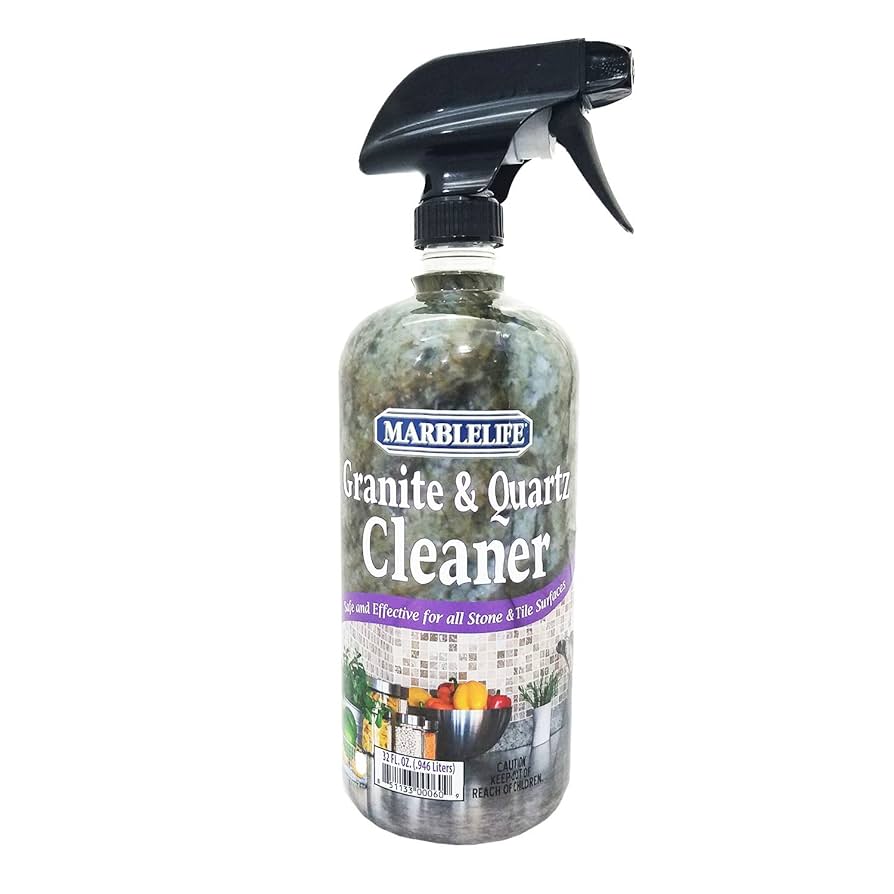
Your kitchen counter is where meals are made, snacks are prepared, and memories are created. But with all that activity, it can quickly become a hotspot for dirt, grease, and germs.
You want a cleaner that not only makes your counters sparkle but also keeps your family safe. So, what is the best cleaner for kitchen counters? You'll discover effective options that fit your needs and lifestyle. Keep reading to find the perfect solution that will make your kitchen shine every day.
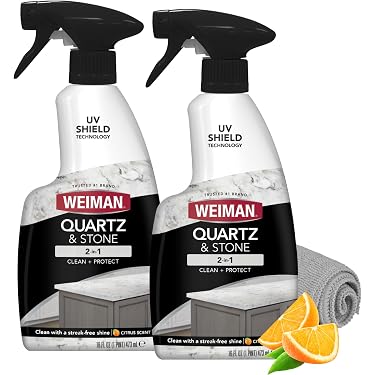
Credit: www.amazon.com
Types Of Kitchen Counter Surfaces
Kitchen counters come in many materials, each with unique qualities. Choosing the right cleaner depends on the surface type. Understanding common kitchen counter surfaces helps in selecting the best cleaning method. Here are the main types of kitchen counters and what makes them special.
Granite And Marble
Granite and marble are natural stones. They look beautiful and add value to kitchens. These surfaces need gentle cleaning to avoid damage. Acidic or harsh cleaners can dull their shine. Use pH-balanced cleaners made for stone. Wipe spills quickly to prevent stains.
Quartz And Solid Surface
Quartz and solid surfaces are man-made and very durable. They resist stains and scratches well. Clean with mild soap and water or a non-abrasive cleaner. Avoid bleach or strong chemicals that can harm the resin. Regular wiping keeps these counters looking new.
Laminate And Tile
Laminate and tile counters are budget-friendly and versatile. Laminate can chip or scratch, so use gentle cleaners. Tile grout can get dirty and may need scrubbing. A mix of warm water and mild detergent works best. Avoid abrasive pads that can damage surfaces.
Butcher Block And Wood
Butcher block and wood counters add warmth to kitchens. They require special care to avoid water damage. Use a mild soap and water solution, then dry immediately. Oil the wood regularly to keep it from drying out. Avoid harsh chemicals that strip natural oils.
Common Stains And Cleaning Challenges
Kitchen counters face a variety of stains and cleaning challenges every day. Understanding these common issues helps you choose the best cleaner and keep your surfaces spotless. Let’s look closely at the typical messes you’ll encounter and how they test your cleaning routine.
Grease And Oil
Grease and oil are the toughest stains on kitchen counters. They come from cooking splatters, oily hands, or spilled dressings. If you don’t clean them quickly, they leave a sticky residue that attracts dust and dirt.
Have you noticed how regular soap sometimes fails to remove greasy spots completely? This happens because grease needs a cleaner that can break down oils effectively. Using a degreasing cleaner or a mixture of vinegar and water often works well to cut through the stubborn film.
Food Residue And Spills
Food residue like crumbs, sauces, or sticky syrup can make your counters look messy and attract pests. These spills often dry quickly, making them harder to wipe away later. Waiting too long only makes the cleanup more frustrating.
To tackle these, wipe spills immediately with a damp cloth. For dried spots, a gentle scrubbing with a mild cleaner usually does the trick without damaging the surface. Think about how much easier your cleanup is when you don’t let food residue sit for hours.
Water Spots And Mineral Deposits
Water spots and mineral deposits come from hard water splashes and evaporated droplets. They leave behind white or cloudy marks that dull your counters' shine. These spots are common near sinks and can be tricky to remove with just water.
Using a cleaner with mild acidity, like lemon juice or vinegar, helps dissolve these minerals. But be careful with delicate surfaces like marble or granite, which can be damaged by acidic substances. Have you checked your water hardness? It might be the hidden reason behind those persistent spots.
Bacteria And Germs
Kitchen counters are a hotspot for bacteria and germs due to raw foods and frequent hand contact. Simply wiping the surface might not eliminate harmful microbes. This is a real health risk, especially if you prepare raw meat or eggs on your counters.
Disinfectants or cleaners with antibacterial properties are essential in killing germs effectively. Look for products that specify germ-killing abilities or use natural options like diluted bleach or hydrogen peroxide safely. How often do you disinfect your counters compared to just cleaning them?
Top Cleaner Ingredients To Look For
Choosing the right cleaner for kitchen counters depends on the ingredients it contains. Certain ingredients enhance cleaning power and safety. Knowing these key ingredients helps in selecting the best product for your home.
Natural Vs Chemical Cleaners
Natural cleaners use ingredients from plants and minerals. They are gentle on surfaces and safer for families. Chemical cleaners contain synthetic substances that may clean faster but can irritate skin or airways. Natural options often include vinegar, baking soda, and essential oils. Chemical cleaners might have ammonia or bleach for strong stains. Balance safety and effectiveness based on your needs.
Antibacterial Agents
Antibacterial agents kill germs and bacteria on surfaces. Common ingredients include alcohol, hydrogen peroxide, and triclosan. Alcohol-based cleaners work fast and dry quickly. Hydrogen peroxide breaks down into water and oxygen, leaving no residue. Avoid overuse of harsh antibacterial chemicals, as they can harm beneficial microbes and skin.
De-greasers
Kitchen counters often get greasy from cooking oils. De-greasers break down these stubborn fats. Look for ingredients like citrus extracts, surfactants, or enzymes. Citrus oils, like lemon or orange, naturally dissolve grease. Surfactants help water mix with oil for easy cleaning. Enzymes target and break down organic grease particles effectively.
Eco-friendly Options
Eco-friendly cleaners reduce harm to the environment. Ingredients should be biodegradable and non-toxic. Plant-based surfactants, vinegar, and baking soda are common in these products. Avoid phosphates and synthetic fragrances that pollute water. Choosing green cleaners supports a healthier home and planet.
Best Cleaners For Different Countertops
Kitchen countertops require specific cleaners for different materials. Each countertop type has unique needs to maintain its appearance and longevity. Using the right cleaner ensures your counters stay beautiful and functional. Let's explore the best options for various countertop materials.
Cleaners For Stone Surfaces
Stone surfaces like granite and marble need special care. Use pH-neutral cleaners to avoid damage. Look for products specifically made for stone. Avoid acidic or harsh cleaners as they can dull the finish. A gentle dish soap mixed with water also works well.
Solutions For Laminate Counters
Laminate counters are versatile and easy to clean. A mild detergent with warm water effectively cleans laminate surfaces. Avoid abrasives as they may scratch the surface. For stains, a mix of baking soda and water can help.
Wood-safe Cleaners
Wood countertops need gentle, moisture-controlled cleaning. Use a wood-safe cleaner to preserve the finish. A mixture of vinegar and water can also work. Always dry wood surfaces immediately after cleaning to prevent damage.
Multi-surface Cleaners
Some cleaners work on multiple surfaces. They offer convenience for busy kitchens. These cleaners are safe for stone, laminate, and metal. Always check the label to ensure compatibility with your countertops. Multi-surface cleaners simplify cleaning routines.
Diy Cleaner Recipes
Creating your own kitchen counter cleaner can be both effective and satisfying. These DIY recipes use simple ingredients you likely already have at home. They allow you to control what touches your surfaces, avoiding harsh chemicals and unnecessary additives.
Vinegar And Baking Soda Mix
Combine equal parts white vinegar and water in a spray bottle for a powerful cleaner. When you add a sprinkle of baking soda, it creates a fizzing reaction that lifts grime effortlessly.
This mix is excellent for cutting through grease and disinfecting. However, avoid using it on natural stone counters like granite, as vinegar can cause damage.
Lemon And Olive Oil Blend
Mix fresh lemon juice with a small amount of olive oil to clean and polish your counters. Lemon acts as a natural degreaser and adds a fresh scent, while olive oil nourishes the surface.
This blend works especially well on wood countertops, helping to restore shine without leaving residue. Have you ever tried a cleaner that doubles as a conditioner?
Castile Soap Solution
Castile soap, a gentle plant-based soap, can be diluted with water to create a safe and effective cleaning solution. It removes dirt and bacteria without harsh chemicals.
Add a few drops of soap to warm water, shake well, and use a soft cloth to wipe your counters. This solution is perfect if you want a mild cleaner suitable for all surfaces.
Essential Oil Additions
Enhance any DIY cleaner by adding essential oils like tea tree, lavender, or eucalyptus. These oils have natural antibacterial properties and introduce a pleasant aroma.
Just 5-10 drops per spray bottle can boost your cleaner’s effectiveness and make your kitchen smell inviting. Which scent would brighten your cleaning routine?
:max_bytes(150000):strip_icc()/sea-dawn-attitude-goo-gone-degreasers-bryan-belknap-02-dd652aa1618040788c90bfa50e3517ca.jpeg)
Credit: www.seriouseats.com
Tips For Safe And Effective Cleaning
Keeping your kitchen counters clean is essential, but doing it safely and effectively takes more than just wiping with any cleaner. The right approach protects your surfaces and keeps your kitchen looking fresh for longer. Here are some practical tips to help you clean smartly without causing damage or extra work.
Avoiding Damage To Surfaces
Not all kitchen counters respond the same way to cleaners. Some materials like granite or marble can be sensitive to acidic or abrasive substances. Always check the cleaner’s label and test it on a small, hidden spot before full use.
Use gentle, pH-neutral cleaners for delicate surfaces to avoid dulling or scratching. Harsh scrubbing pads can leave marks, so opt for soft cloths or sponges instead. Have you ever ruined a countertop by rushing with the wrong cleaner? Taking a moment to verify can save you costly repairs.
Proper Cleaning Tools
Your choice of cleaning tools impacts both effectiveness and surface safety. Microfiber cloths are excellent because they pick up dirt without scratching. Avoid steel wool or rough brushes that might harm your counters.
Consider using spray bottles for even application of cleaners. This prevents overuse and reduces residue build-up. A small handheld brush can help clean grout lines or textured surfaces without damage.
Frequency Of Cleaning
How often should you clean your kitchen counters? Daily wiping with a mild cleaner keeps germs and stains at bay. Deep cleaning once or twice a week helps remove any build-up that daily cleaning might miss.
Waiting too long between cleanings can make stains harder to remove and may encourage bacteria growth. You don’t need to spend hours every day—just consistent, quick cleanups after cooking or meal prep make a big difference.
Stain Prevention Strategies
Prevention is key to keeping your counters spotless. Wipe up spills immediately, especially liquids like wine, coffee, or oils that can stain. Use cutting boards and trivets to avoid direct contact with acidic foods and hot pots.
Sealing porous surfaces such as granite or quartz regularly creates a barrier against stains. Think about how much time you spend scrubbing stubborn spots—preventing stains upfront saves you from tough scrubbing later. What small habit can you start today to protect your counters better?
Maintaining Shine And Durability
Maintaining the shine and durability of kitchen counters keeps them looking fresh and new. Proper care protects surfaces from stains, scratches, and wear. Simple habits and the right products extend the life of your counters. This section covers key steps for long-lasting beauty and strength.
Sealing Stone Counters
Stone counters need sealing to protect against stains and damage. Sealers create a thin barrier that stops liquids from soaking in. Apply sealant once or twice a year, depending on use. Clean the surface well before sealing to ensure good adhesion.
Use a sealer made for your specific stone type. Granite, marble, and quartz each require different formulas. Follow the instructions carefully for the best results.
Polishing Techniques
Polishing enhances shine and smooths minor scratches. Use a soft cloth or polishing pad for gentle buffing. Avoid abrasive tools that can dull the surface. Polishing products designed for your counter type work best.
Buff in small circles until the surface gleams. Regular polishing prevents buildup and keeps counters looking new.
Avoiding Harsh Chemicals
Harsh cleaners can damage finishes and dull counters. Stay away from bleach, ammonia, and acidic cleaners. These may eat away at sealers and stone.
Choose mild, pH-neutral cleaners instead. Homemade solutions with water and gentle soap often work well. Always rinse thoroughly to remove residue.
Routine Maintenance
Daily care keeps counters clean and prevents damage. Wipe spills immediately to avoid stains. Use cutting boards and trivets to protect from cuts and heat.
- Use soft cloths or sponges for cleaning
- Dry surfaces after cleaning to prevent water spots
- Inspect counters regularly for chips or cracks
- Address small issues promptly to avoid bigger repairs
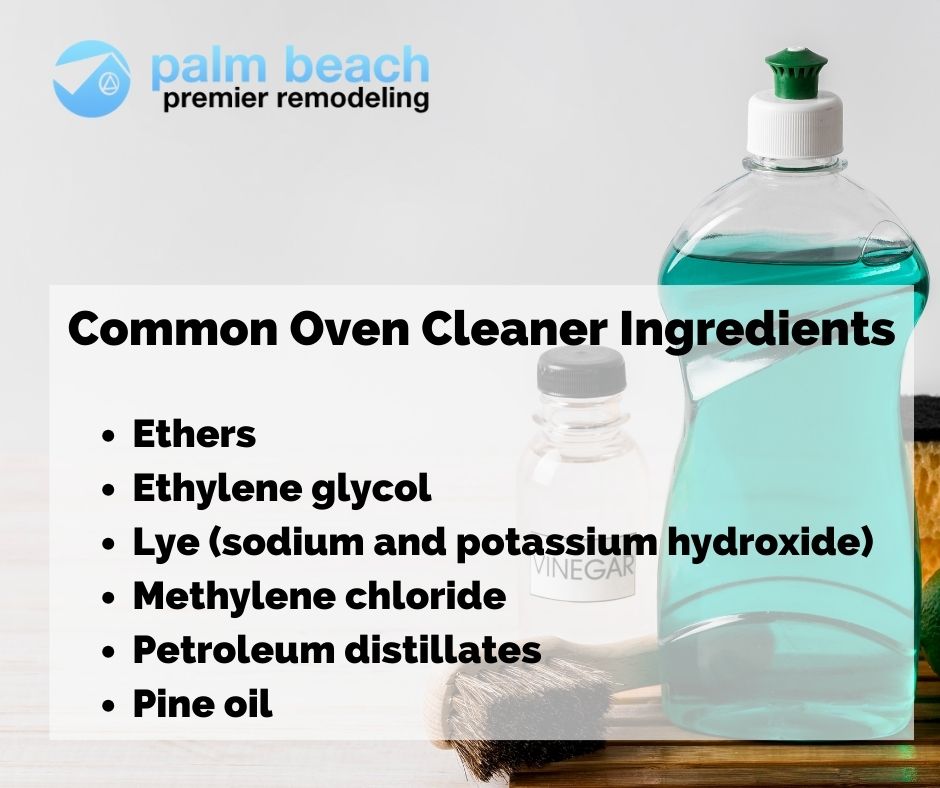
Credit: pbphomerepair.com
Frequently Asked Questions
What Is The Safest Cleaner For Kitchen Counters?
The safest cleaner is a mild dish soap mixed with water. It effectively removes dirt without harsh chemicals. Avoid bleach or ammonia on sensitive surfaces. Always test cleaners on a small area first to prevent damage.
Can Natural Cleaners Work Well On Kitchen Counters?
Yes, natural cleaners like vinegar and baking soda are effective. They remove stains and kill bacteria safely. However, avoid vinegar on stone counters as it can etch the surface. Natural options are eco-friendly and gentle.
How Often Should Kitchen Counters Be Cleaned?
Clean kitchen counters daily to prevent bacteria buildup and stains. Wipe down after food preparation with an appropriate cleaner. Deep clean weekly using disinfectants suitable for your counter material to maintain hygiene and appearance.
Which Cleaner Is Best For Granite Kitchen Counters?
Use a pH-neutral cleaner specifically designed for granite. Avoid acidic or abrasive cleaners that can dull or damage granite. Regular soap and water also work well. Always dry counters to prevent water spots.
Conclusion
Choosing the right cleaner keeps your kitchen counters fresh and safe. Simple ingredients often work best for daily cleaning. Avoid harsh chemicals that can damage surfaces or harm your health. Regular wiping stops germs and stains from building up. Clean counters help you cook with confidence every day.
Remember, consistency matters more than fancy products. Find a cleaner that fits your needs and stick with it. Your kitchen will stay spotless and inviting for family and guests. Clean counters, happy kitchen.