
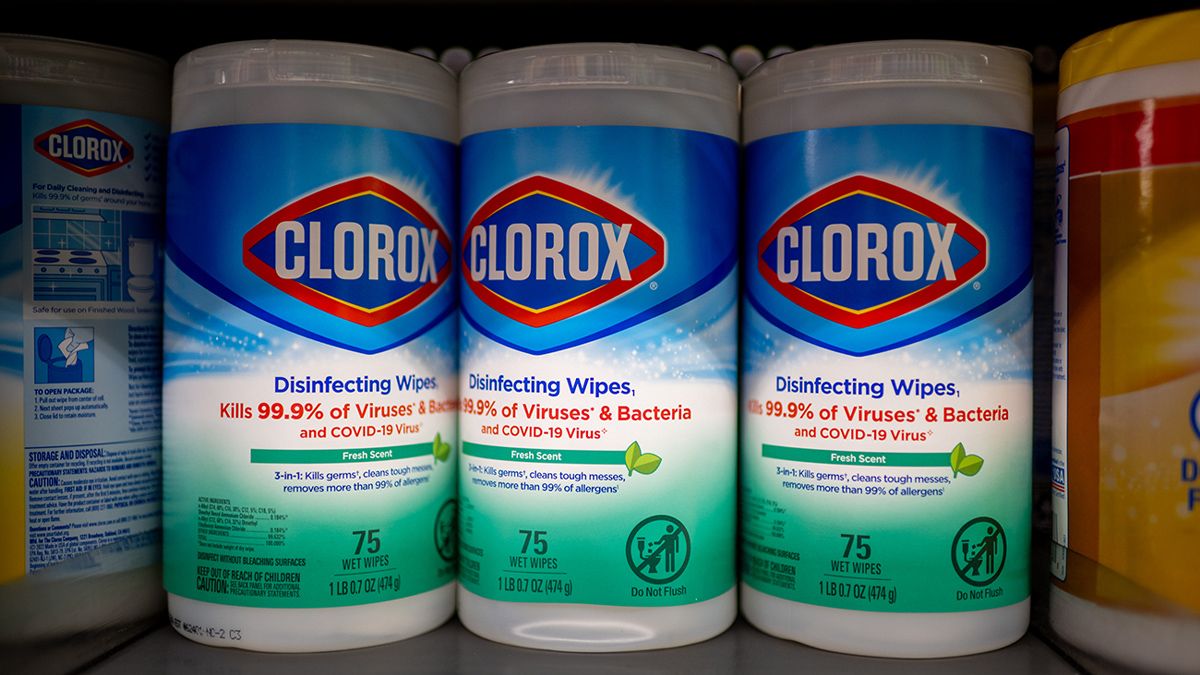
You want your kitchen counters to be clean and safe, but are Clorox wipes the right choice? When it comes to wiping down surfaces where you prepare food, safety is key.
You might wonder if these popular disinfecting wipes leave harmful residues or if they’re tough enough to kill germs. You’ll discover what makes Clorox wipes effective and whether they are truly safe for your kitchen counters. Keep reading to learn how to keep your space both spotless and secure for you and your family.
Clorox Wipes Composition
Clorox wipes are widely used for cleaning kitchen counters. Understanding their composition helps in knowing how they work and their safety. These wipes contain a mix of ingredients designed to kill germs and clean surfaces quickly. The balance of chemicals ensures effectiveness without causing damage to most kitchen materials. Below is a breakdown of the main components in Clorox wipes.
Active Ingredients
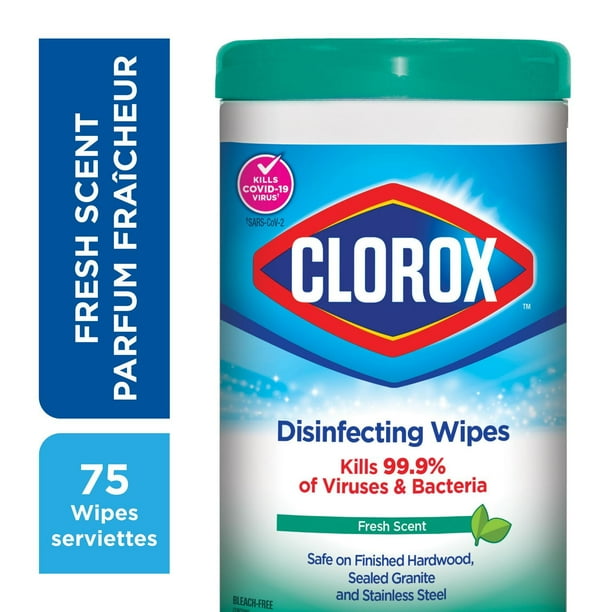
The active ingredients in Clorox wipes are responsible for killing bacteria and viruses. The primary disinfectant is sodium hypochlorite, commonly known as bleach. It destroys germs by breaking down their cell walls. Another key ingredient is benzalkonium chloride, a type of disinfectant that targets bacteria and fungi. These ingredients work together to provide strong antimicrobial action.
Chemical Properties
Clorox wipes contain chemicals that are effective yet safe for hard surfaces. The solution has a balanced pH to avoid surface damage. It includes surfactantsthat help lift dirt and grease from counters. The wipes also have moisturizersto keep the fabric soft and wet. This combination allows easy cleaning without harsh scrubbing or residue.
Credit: www.walmart.ca
Effectiveness Against Germs
Keeping your kitchen counters germ-free is essential for food safety and family health. Clorox wipes are a popular choice, but how well do they actually perform against harmful bacteria and viruses? Understanding their effectiveness helps you decide if they’re the right option for your cleaning routine.
Bacteria And Virus Removal
Clorox wipes are designed to kill a wide range of germs, including common kitchen bacteria like E. coli and Salmonella. They also target many viruses, such as the flu virus and cold-causing pathogens. This makes them a powerful tool for reducing the risk of contamination on surfaces where you prepare food.
What’s impressive is how quickly these wipes work. Many Clorox products kill 99.9% of germs within just a few seconds of contact. This speed means you don’t have to wait long before your counters are safe to use again.
Have you ever wondered if a quick wipe is enough? Clorox wipes not only clean but disinfect, which means they destroy germs rather than just moving them around. This can give you real peace of mind in your kitchen.
Surface Compatibility
While Clorox wipes are effective, not all surfaces react the same way to them. They are generally safe on sealed countertops like granite, quartz, and laminate. However, using them on unsealed wood or delicate stone can cause damage or discoloration.
It’s a good habit to test a small, hidden area first before wiping the entire surface. This helps avoid any unwanted marks or dulling. You might also want to avoid prolonged exposure by wiping and then rinsing the surface with water if needed.
Do you know what type of countertop you have? Checking the manufacturer’s care instructions can guide you on whether Clorox wipes are safe to use. This small step can save you from costly repairs or replacements later.
Safety Concerns
Cleaning your kitchen counters is essential for hygiene, but safety should never take a backseat. Clorox wipes are popular for their disinfecting power, yet many wonder if they pose any risks when used around food preparation areas. Understanding the safety concerns helps you make smarter choices for your home and family.
Toxicity Risks
Clorox wipes contain chemicals like bleach and quaternary ammonium compounds, which are effective at killing germs. However, these substances can be toxic if ingested or if they come into direct contact with your skin for long periods.
Have you ever noticed a strong chemical smell after wiping your counters? That’s a sign these wipes leave residues behind, which might transfer to your food if not properly wiped off with water afterward.
To minimize risk, always allow the surface to dry completely and consider rinsing your counters with water after using Clorox wipes, especially if you’re about to prepare fresh produce or meals directly on them.
Allergic Reactions
Some people may experience skin irritation or respiratory issues from the chemicals in Clorox wipes. If you have sensitive skin or allergies, using these wipes without gloves can cause redness, itching, or even rash.
In my own experience, a quick swipe of these wipes without gloves led to itchy hands that lasted for hours. It made me realize how important it is to protect your skin during cleaning.
If you notice sneezing, coughing, or eye irritation while using these wipes, consider switching to milder alternatives or improving ventilation in your kitchen.
- Use gloves to protect your skin
- Ensure good airflow when cleaning
- Test a small area first if you have known allergies

Credit: www.fynesdesigns.com
Using Clorox Wipes On Kitchen Counters
Clorox wipes effectively kill germs on kitchen counters and are safe for most surfaces. Always follow the instructions and let the surface air dry for best results. Avoid using on unfinished wood or delicate materials to prevent damage.
Using Clorox Wipes on Kitchen Counters can be a practical cleaning method. They are handy and can kill germs effectively. But using them correctly is crucial to avoid damage.
Proper Application
Clean the counter to remove debris. Then, wipe with a Clorox Wipe. Ensure the surface stays wet for four minutes to disinfect effectively. Let it air dry completely. This ensures germs are eliminated.
Avoiding Surface Damage
Clorox Wipes can be harsh on some surfaces. Avoid using them on natural stone like granite or marble. They may dull or damage the finish. Test a small, hidden area first. If safe, proceed with caution. Always check the manufacturer's guidelines for your countertop type.
Alternatives To Clorox Wipes
Finding alternatives to Clorox wipes helps keep kitchen counters clean and safe. Many people want effective options without harsh chemicals. Several choices offer good cleaning power while being gentle on surfaces and health.
Natural Cleaning Options
Natural cleaners use simple ingredients to remove dirt and germs. They are safe for most kitchen surfaces and easy to make at home.
- Vinegar and Water:Mix equal parts white vinegar and water. Spray on counters and wipe with a cloth. It kills many bacteria and removes stains.
- Baking Soda Paste:Combine baking soda with water to form a paste. Apply to tough spots and scrub gently. It cleans without scratching surfaces.
- Lemon Juice:Lemon’s acidity helps break down grime and adds a fresh scent. Use lemon juice directly or with water for wiping.
- Castile Soap:A gentle soap that cleans well without chemicals. Mix with water for a mild, natural cleaner.
Other Disinfectant Products
Several commercial products can disinfect kitchen counters safely. Choose those labeled safe for food contact surfaces.
- Hydrogen Peroxide:A mild disinfectant that kills germs quickly. Spray and let sit for a few minutes before wiping.
- Isopropyl Alcohol:Use 70% alcohol for disinfecting. It evaporates fast and leaves no residue.
- Disinfectant Sprays:Products with ingredients like thymol or ethanol work well. Check labels for kitchen surface safety.
- Microfiber Cloths:Use with water or mild soap to remove dirt and bacteria physically.

Credit: www.gianteagle.com
Expert Tips For Safe Cleaning
Keeping your kitchen counters clean is essential, but using Clorox wipes safely makes all the difference. Experts recommend simple but effective tips that help you protect your health and maintain a spotless kitchen. These tips focus on how often you should use the wipes, how to handle them properly, and ways to avoid any risks.
Ventilation And Usage Frequency
Good airflow is key when using Clorox wipes. Make sure your kitchen windows or vents are open to help fumes escape quickly. This reduces any irritation to your eyes or lungs.
Using wipes too often can cause surface damage or build up chemicals. Try not to clean with Clorox wipes more than once a day on the same spot. Save them for tough germs, not daily wipe-downs.
Ask yourself: Could fresh air and less frequent cleaning protect my counters and my family’s health better? A little caution goes a long way.
Storage And Disposal
Store Clorox wipes in a cool, dry place away from kids and pets. Keep the container tightly sealed to prevent them from drying out or becoming a hazard.
When you’re done, toss used wipes in the trash, never the toilet. Flushing can clog pipes and harm the environment.
Think about your storage habits and disposal choices. Are they safe enough to avoid accidents or damage? Small changes can make your cleaning routine safer and more eco-friendly.
Frequently Asked Questions
Are Clorox Wipes Safe For Kitchen Counters?
Yes, Clorox wipes are safe for most kitchen counters. They effectively kill germs and bacteria without damaging surfaces when used as directed.
Can Clorox Wipes Damage Granite Or Marble?
Clorox wipes can harm granite or marble over time. Use pH-neutral cleaners specifically designed for these natural stones instead.
How Often Should I Use Clorox Wipes On Counters?
Use Clorox wipes daily or after food prep to keep counters germ-free. Avoid overuse to prevent surface wear.
Do Clorox Wipes Kill Kitchen Bacteria Effectively?
Yes, Clorox wipes kill 99. 9% of bacteria and viruses, making them reliable for kitchen sanitation.
Conclusion
Clorox wipes can clean kitchen counters safely when used right. Always follow the instructions on the label for best results. Avoid using them on surfaces that may get damaged. Let the surface dry completely after wiping. Keep wipes away from children and pets.
Using these wipes helps keep your kitchen clean and germ-free. Small steps like this make a big difference in home hygiene. Choose safe cleaning habits that protect your family every day. Simple, careful cleaning works well and keeps your kitchen fresh.