
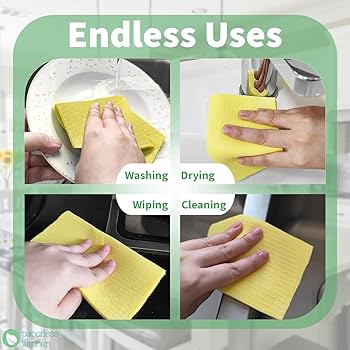
Your kitchen sponge wipes work hard every day, soaking up spills and scrubbing away messes. But did you know they can quickly become a breeding ground for germs if not cleaned properly?
If you want to keep your kitchen fresh and safe, learning how to clean your sponge wipes is a must. You’ll discover simple and effective ways to refresh your sponges, making them last longer and keeping harmful bacteria at bay.
Keep reading—your kitchen’s hygiene depends on it!
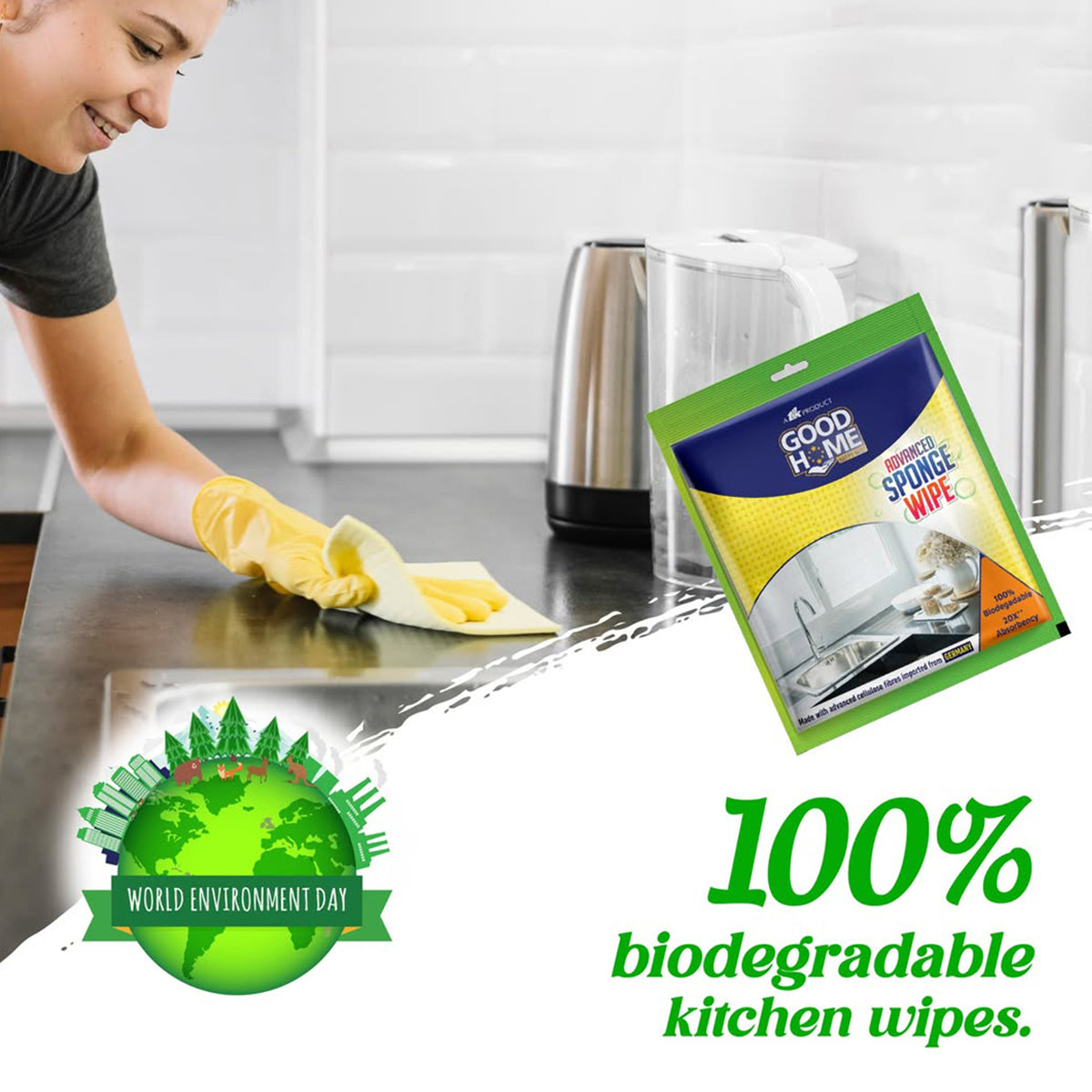
Credit: amd.deodap.com
Why Clean Kitchen Sponge Wipes
Keeping your kitchen sponge wipes clean is more important than you might think. These small cleaning tools come into contact with food particles, moisture, and bacteria daily. If you ignore their cleanliness, you could be inviting health risks right into your kitchen.
Risks Of Dirty Sponges
Dirty sponges are a breeding ground for harmful bacteria like E. coli and Salmonella. These germs can transfer to your dishes, countertops, and even your hands.
Have you ever noticed a foul smell from your sponge? That’s a sign of bacterial growth. Using such a sponge can lead to foodborne illnesses and allergies.
Benefits Of Regular Cleaning
Regularly cleaning your kitchen sponge wipes reduces bacteria build-up and eliminates unpleasant odors. This keeps your kitchen environment safer and more hygienic.
Cleaning also extends the life of your sponges, saving you money over time. Imagine wiping your counters with a fresh, clean sponge every time—your dishes will sparkle, and your family will stay healthier.
Daily Cleaning Methods
Keeping kitchen sponge wipes clean every day helps stop germs and bad smells. Simple daily care keeps them fresh and ready to use. Use easy habits to clean and dry them after each use. This stops bacteria from growing and keeps your kitchen safe.
Rinsing And Squeezing
Rinse your sponge wipe under hot water right after use. Squeeze it hard to remove food and soap. Repeat rinsing until the water runs clear. Squeezing out water helps the sponge dry faster. Store it in a dry place to avoid mold and bacteria.
Microwave Sanitizing
Wet the sponge wipe before placing it in the microwave. Heat it on high for one to two minutes. The heat kills most germs and bacteria inside. Let the sponge cool before taking it out. Use this method daily to keep your sponge safe.
Dishwasher Cleaning
Place the sponge wipe on the top rack of the dishwasher. Run it through a hot water cycle with your dishes. The dishwasher’s heat and soap clean and sanitize the sponge. This method is quick and works well for daily cleaning. Allow the sponge to dry fully after the cycle.
Deep Cleaning Techniques
Keeping your kitchen sponge wipes truly clean requires more than just a quick rinse. Deep cleaning techniques help remove stubborn bacteria and odors that regular washing might miss. These methods are easy to do at home and can extend the life of your sponges, making your kitchen safer and fresher.
Boiling Water Method
Boiling water is a simple yet effective way to sanitize your sponge wipes. Just place the sponge in a pot of boiling water for about 5 minutes. This heat kills most germs and bacteria quickly.
Be careful when handling the hot sponge—it will be very hot right after boiling. Let it cool naturally before using it again. Have you ever noticed how fresh a sponge feels after this quick heat treatment?
Vinegar Soak
Vinegar is a natural disinfectant that can break down grime and kill bacteria. Fill a bowl with equal parts white vinegar and water, then soak your sponge for 5 to 10 minutes.
After soaking, rinse thoroughly with water and squeeze out the excess liquid. This method also helps reduce unpleasant smells without harsh chemicals. Do you keep vinegar in your kitchen for cleaning already?
Bleach Solution Soak
For a more powerful clean, a bleach solution soak can eliminate nearly all bacteria on your sponge wipes. Mix 3/4 cup bleach in 1 gallon of water and soak the sponge for 5 minutes.
Make sure to rinse the sponge well afterward to remove any bleach residue. Use gloves to protect your hands, and ensure good ventilation. How comfortable are you with using bleach around your kitchen tools?

Credit: www.amazon.com
Natural Alternatives For Sanitizing
Use vinegar or lemon juice to soak kitchen sponge wipes. These natural cleaners kill germs without harsh chemicals. Rinse well and let dry to keep sponges fresh and safe.
Natural Alternatives for Sanitizing Kitchen sponge wipes can harbor bacteria. Natural alternatives provide effective sanitizing solutions. These options are safe for the environment and easy to find.
Lemon Juice
Lemon juice is a powerful natural cleaner. Its acidity kills bacteria on contact. To clean a sponge, soak it in fresh lemon juice. Let it sit for about 10 minutes. Rinse thoroughly with warm water. This method leaves a fresh citrus scent.
Baking Soda Paste
Baking soda is a versatile cleaning agent. It deodorizes and sanitizes kitchen sponges. Make a paste by mixing baking soda with water. Apply the paste generously on the sponge. Rub gently to scrub away grime. Rinse with warm water to finish. This method is both effective and gentle.
Tips To Extend Sponge Life
Keeping kitchen sponge wipes clean and lasting longer saves money and reduces waste. Simple habits help keep sponges fresh and effective. Caring for them properly stops bacteria build-up and foul smells.
Follow these tips to extend the life of your kitchen sponge wipes and keep your kitchen healthier.
Proper Storage
Store sponges in a dry, well-ventilated place. Avoid leaving them in a wet sink or closed container. Moisture causes bacteria growth and breaks down sponge fibers faster.
- Use a sponge holder with drainage holes.
- Keep sponges away from kitchen sprays and food particles.
- Allow sponges to air dry fully between uses.
Regular Replacement Schedule
Replace sponges often to keep your kitchen clean. Even with good care, sponges wear out and trap germs.
- Change sponges every one to two weeks.
- Replace sooner if the sponge smells bad or falls apart.
- Use different sponges for dishes and cleaning surfaces.
Signs To Replace Your Sponge Wipes
Knowing when to replace your kitchen sponge wipes is just as important as cleaning them. Over time, these handy tools can harbor bacteria and lose their effectiveness. Paying attention to certain signs helps you avoid spreading germs and keeps your kitchen hygienic.
Unpleasant Odors
If your sponge wipes start smelling bad even after rinsing and drying, it's a clear warning sign. Odors often mean bacteria and mold have settled deep inside. Have you ever noticed a foul smell that won’t go away no matter how much you clean your sponge? That’s your cue to toss it out.
Using a smelly sponge can contaminate your dishes and surfaces, defeating the purpose of cleaning. To prevent this, try to air dry your sponges after use and check them regularly for any lingering smells.
Visible Wear And Tear
Look closely at your sponge wipes for any cracks, tears, or crumbling edges. These damages create perfect hiding spots for germs and reduce the sponge’s ability to clean effectively. I once ignored a few small tears and ended up spreading food residue instead of cleaning it.
When sponge wipes start falling apart or lose their texture, it’s time to replace them. Keeping a fresh sponge ensures better scrubbing power and a safer kitchen environment.

Credit: www.amazon.com
Frequently Asked Questions
How Often Should I Clean Kitchen Sponge Wipes?
Clean kitchen sponge wipes daily to prevent bacteria buildup. Rinse thoroughly, wring out excess water, and air dry completely. Regular cleaning helps maintain hygiene and extends sponge life.
Can I Clean Kitchen Sponge Wipes In The Microwave?
Yes, dampen the sponge wipe and microwave it on high for one to two minutes. This kills most bacteria. Ensure the sponge has no metal parts before microwaving to avoid fire hazards.
What Is The Best Method To Disinfect Sponge Wipes?
Soak sponge wipes in a mixture of hot water and bleach for five minutes. Alternatively, use vinegar or hydrogen peroxide for natural disinfection. Always rinse well after disinfecting to remove chemical residues.
Can Kitchen Sponge Wipes Be Cleaned In A Dishwasher?
Yes, place sponge wipes on the top rack of a dishwasher. Use the heated dry cycle for thorough cleaning. This method sanitizes and removes food particles effectively.
Conclusion
Cleaning kitchen sponge wipes keeps your kitchen fresh and safe. Regular washing stops germs from growing. Use warm water and soap or a quick microwave step. Let them dry fully to avoid bad smells. Change sponges often for the best results.
Clean sponges help dishes look better and keep your family healthy. Small efforts make a big difference in kitchen hygiene. Keep these tips in mind to enjoy a cleaner kitchen every day. Simple habits protect your home and save you money too.