
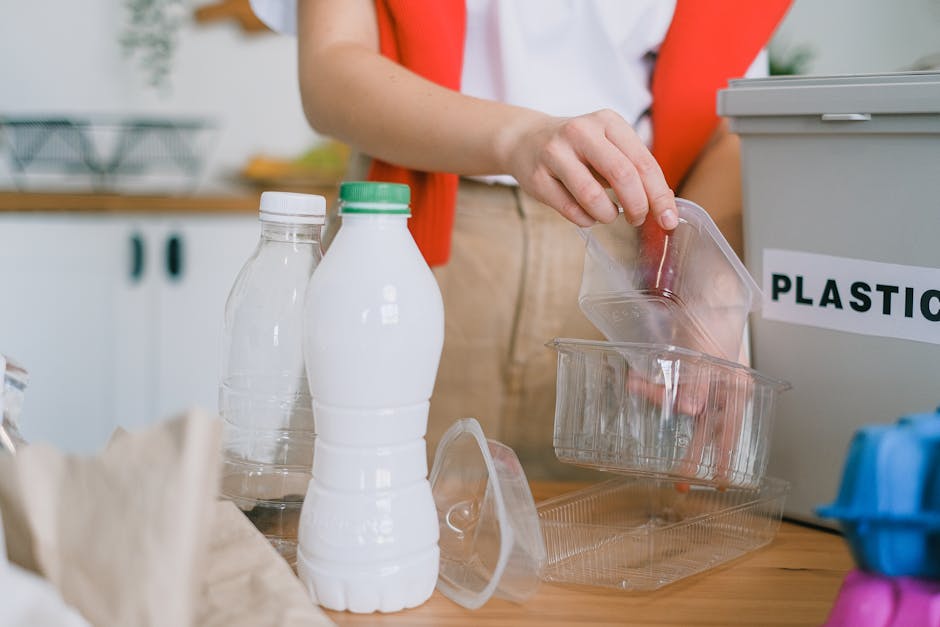
Where should kitchen trash containers be cleaned? You might not think much about this question, but the answer can make a big difference for your home’s hygiene and smell.
If your trash bins aren’t cleaned properly, they can become a breeding ground for germs and unpleasant odors. You’ll discover the best places and methods to clean your kitchen trash containers easily and effectively. Keep reading to learn how to keep your kitchen fresh and your family safe with simple cleaning tips you can start using today.

Credit: www.familyhandyman.com
Choosing The Right Location
Choosing the right location to clean your kitchen trash containers can make the task much easier and more effective. The spot you pick affects not only convenience but also hygiene and mess control. Think about where you’re most comfortable working and what will keep your space clean and fresh.
Indoor Vs Outdoor Cleaning Spots
Cleaning trash containers indoors might seem convenient, especially during bad weather. However, it can create unwanted smells and moisture inside your home.
Outdoor spots, like a backyard or garage, offer better air circulation and less risk of spreading odors. But consider your climate—cold or rainy days can make outdoor cleaning uncomfortable or impractical.
Which space fits your lifestyle better? Sometimes, a covered outdoor area strikes the best balance.
Ventilation And Drainage Considerations
Good ventilation prevents lingering odors and helps containers dry faster. Avoid enclosed spaces without airflow, as they can trap smells and moisture.
Drainage is equally important. Water and cleaning solutions should flow away easily to avoid puddles or slippery floors.
Look for spots with nearby drains or gravel surfaces that allow water to seep away quickly. Could your current cleaning area be improved with a small drainage mat or a portable drain tray?
Proximity To Kitchen Area
Cleaning close to the kitchen saves time and reduces the chance of spills or drips along the way. You can quickly rinse containers after emptying them, keeping your workflow smooth.
However, proximity means you need to control mess and odors carefully. A small utility sink or a washable mat can help contain spills.
Think about how often you clean your trash containers—does a nearby spot encourage you to keep up with the task more regularly?

Credit: www.tastingtable.com
Tools And Supplies Needed
Cleaning kitchen trash containers requires the right tools and supplies. Proper equipment makes the process easier and more effective. It also ensures a hygienic and safe cleaning routine.
Gathering the right cleaning agents, protective gear, and scrubbing tools helps remove dirt, grease, and bacteria efficiently. These items protect your hands and surfaces from damage while delivering a thorough clean.
Cleaning Agents And Disinfectants
- Multipurpose kitchen cleaner to remove grease and grime
- Disinfectant spray or wipes to kill germs and bacteria
- Baking soda for deodorizing and gentle scrubbing
- White vinegar as a natural disinfectant and deodorizer
- Dish soap to break down food residue and oils
Protective Gear For Safe Cleaning
- Rubber gloves to protect hands from harsh chemicals
- Face mask to avoid inhaling strong fumes
- Apron or old clothes to prevent stains and spills
- Safety goggles if using strong disinfectants or sprays
Equipment For Effective Scrubbing
- Scrub brushes with stiff bristles for tough stains
- Sponges for gentle cleaning of container surfaces
- Old toothbrushes to reach tight corners and crevices
- Spray bottles for even application of cleaning solutions
- Bucket or basin to hold cleaning water and rinse
Step-by-step Cleaning Process
Cleaning kitchen trash containers is essential for maintaining a fresh and hygienic space. A clear process makes the task easier and more effective. Follow these steps to clean your trash containers thoroughly.
Emptying And Pre-rinsing Containers
Start by removing all trash from the container. Check for any stuck debris or spills inside. Rinse the container with warm water to loosen dirt and residue. This step prepares the surface for better cleaning.
Applying Cleaning Solutions
Choose a cleaning solution suitable for plastic or metal containers. You can use dish soap, baking soda, or a vinegar-water mix. Apply the solution generously inside and outside the container. Let it sit for a few minutes to break down grime.
Scrubbing And Removing Residue
Use a scrub brush or sponge to clean all surfaces. Focus on corners and edges where dirt builds up. Scrub until all stains and sticky spots are gone. For tough grime, add more cleaning solution and scrub again.
Rinsing And Drying Techniques
Rinse the container thoroughly with clean water. Make sure no soap or cleaning residue remains. Shake off excess water and dry the container with a clean towel. Air drying in the sun can help remove odors and kill bacteria.
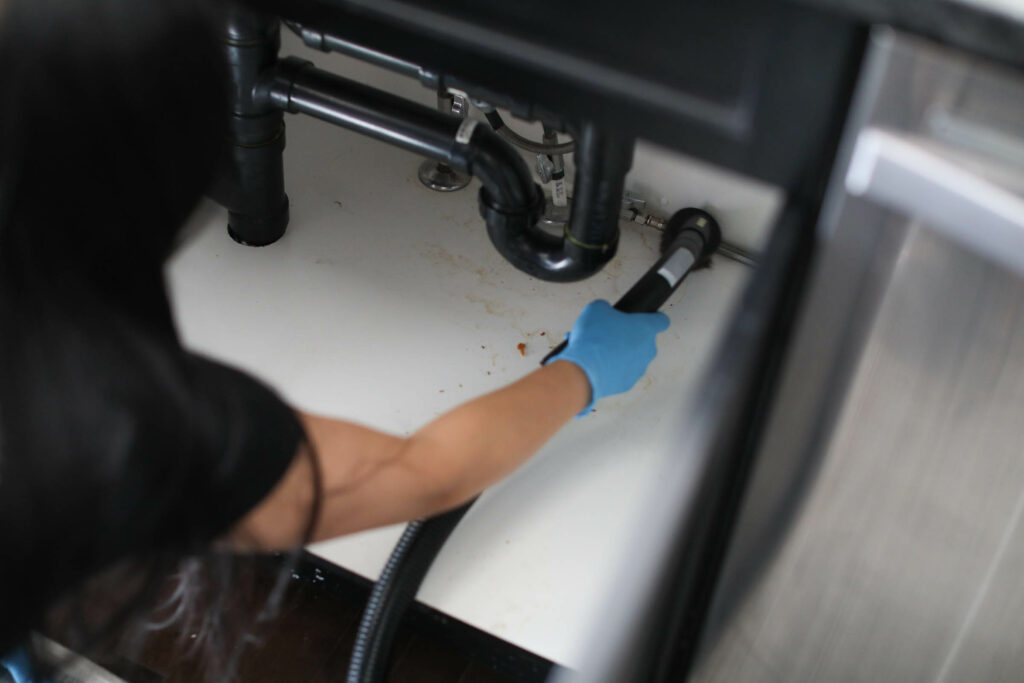
Credit: www.housework.com
Best Practices For Different Trash Container Types
Kitchen trash containers should be cleaned in a well-ventilated area to prevent odors. Using warm water and mild soap keeps containers fresh and safe. Regular cleaning stops bacteria and keeps your kitchen healthy.
Cleaning your kitchen trash containers might not be your favorite chore, but it's necessary for a hygienic kitchen. Different types of trash containers require specific cleaning methods to ensure they remain odor-free and germ-free. Understanding these best practices can make your cleaning routine more efficient and less of a hassle.
Plastic Bins
Plastic bins are common due to their lightweight and affordability. To clean them effectively, remove all debris and rinse with warm, soapy water. Use a brush to scrub stubborn stains, then rinse thoroughly. Let them air dry in the sun for added sanitization. Sunlight can help eliminate lingering bacteria and odors. Consider using a disinfectant spray if your bin has been particularly smelly or grimy.
Metal Containers
Metal containers are known for their durability and sleek appearance. Begin by emptying the contents and wiping down the interior with a damp cloth. Mix a solution of vinegar and water to tackle tough stains and odors. Rinse with water and dry immediately to prevent rust. A stainless steel cleaner can give a nice shine and protect the surface. Remember, it’s crucial to keep these containers dry to maintain their longevity.
Compost And Recycling Bins
Compost and recycling bins often harbor strong odors if not cleaned regularly. Start by removing any debris and rinsing with water. For compost bins, a mixture of baking soda and water can neutralize odors. Recycling bins might just need a simple rinse unless sticky residue is present. Use a mild detergent for any stubborn spots. Regular maintenance keeps these bins from becoming a breeding ground for bacteria, making your kitchen a healthier place. Are you maintaining your trash containers properly, or is it time to upgrade your cleaning routine?
Avoiding Common Cleaning Mistakes
Cleaning kitchen trash containers properly keeps your space fresh and hygienic. Avoiding common mistakes helps maintain cleanliness and prevents bad odors. Small errors can lead to bacteria buildup and unpleasant smells. Follow simple tips to keep your trash containers clean and safe.
Using Harsh Chemicals
Harsh chemicals can damage your trash containers. They may cause cracks or discoloration. Strong chemicals can leave harmful residues. These residues can mix with your trash and cause health risks. Use gentle cleaners or natural solutions like vinegar and baking soda. They clean well without damage or risk.
Neglecting Regular Cleaning Schedule
Waiting too long between cleanings lets bacteria grow. Trash containers hold food scraps and liquids. These create the perfect place for germs. Clean your containers at least once a week. More often if you have a lot of waste. Regular cleaning stops stains and bad smells from building up.
Ignoring Odor Control
Bad smells come from leftover waste and bacteria. Simply washing may not remove all odors. Use odor absorbers like baking soda inside the container. Empty trash often to reduce smell. Keep the lid closed to trap odors. Fresh scents or charcoal bags can help keep the area smelling clean.
Maintaining Cleanliness Between Deep Cleans
Maintaining kitchen trash containers between deep cleans keeps odors and germs away. A clean bin prevents bacteria growth and keeps your kitchen fresh. Small daily actions reduce the need for frequent heavy cleaning sessions. Simple care helps your trash container last longer and stay hygienic.
Daily Wipe-down Tips
Use a damp cloth or sponge to wipe the container’s exterior and lid daily. Focus on corners and edges where dirt gathers. A mild soap solution works well for quick cleaning. Dry the surface with a clean towel to avoid moisture buildup.
Using Deodorizers
Place a small deodorizer inside the trash container to control smells. Baking soda absorbs odors naturally and is safe to use. You can also use charcoal bags or commercial odor absorbers. Replace deodorizers regularly for best results.
Quick Rinse Methods
Rinse the container with warm water every few days to remove residue. Use a spray bottle or hose for easy rinsing. Add a little dish soap to cut grease and grime. Let the container air dry completely before use.
Frequently Asked Questions
Where Is The Best Place To Clean Kitchen Trash Containers?
The best place to clean kitchen trash containers is outdoors or in a large utility sink. Outdoors prevents odors and messes inside. Utility sinks allow easy access to water and drainage. Both options help maintain hygiene and keep your kitchen clean.
Can Kitchen Trash Containers Be Cleaned In The Dishwasher?
Yes, small kitchen trash containers can be cleaned in the dishwasher. Use a hot water cycle and mild detergent. This method sanitizes and removes odors effectively. However, check the container’s material to ensure dishwasher safety.
How Often Should Kitchen Trash Containers Be Cleaned?
Kitchen trash containers should be cleaned at least once a week. Regular cleaning prevents bacteria build-up and unpleasant odors. If spills or leaks occur, clean immediately to maintain hygiene and freshness in your kitchen.
What Cleaning Agents Work Best For Trash Containers?
A mixture of warm water, dish soap, and white vinegar works best. This combination disinfects and removes odors naturally. Avoid harsh chemicals that may damage the container or leave harmful residues.
Conclusion
Cleaning kitchen trash containers in the right place matters a lot. Choose an area that is easy to clean and well-ventilated. Outdoors or in the garage often works best. Avoid spots near food preparation to keep germs away. Regular cleaning helps stop bad smells and bacteria growth.
Use simple soap and water to scrub the containers. Dry them fully before putting them back. A clean trash container keeps your kitchen fresh and healthy. Small effort, big difference.