
Keeping your kitchen spotless can feel like a never-ending task. You might wonder, where do you even start?
That’s where a cleaning schedule in a kitchen comes in. It’s a simple plan that helps you stay on top of chores without feeling overwhelmed. Imagine having a clear guide that tells you exactly what to clean and when—making your kitchen safer, healthier, and more inviting.
Ready to discover how a cleaning schedule can transform your kitchen routine and save you time? Keep reading, because this could change the way you clean forever.
Benefits Of A Kitchen Cleaning Schedule
Having a kitchen cleaning schedule isn’t just about keeping your space tidy—it brings real, tangible benefits that affect your daily life and health. It turns the chore of cleaning into a manageable routine that protects your kitchen and everything in it. Let’s look at why setting a cleaning schedule could change the way you experience your kitchen.
Maintaining Hygiene And Safety
Regular cleaning stops germs and bacteria from building up on surfaces where you prepare food. This lowers the risk of foodborne illnesses that can make you and your family sick.
Think about spills or crumbs left unattended—they attract pests and create a breeding ground for harmful microbes. A schedule helps you catch these issues before they become a problem.
By cleaning consistently, you also reduce the chance of accidents like slips or fires caused by grease buildup. How often do you check behind appliances or under the sink for hidden messes?
Saving Time And Effort
Cleaning a little each day or week prevents dirt from piling up, which means you don’t have to spend hours scrubbing later. It’s easier to wipe down a countertop daily than to tackle weeks of grime.
Think of it as breaking a big task into small, quick actions. You’ll find that your kitchen stays welcoming and ready to use without the stress of marathon cleaning sessions.
Have you ever noticed how a small mess can feel overwhelming when ignored? A schedule keeps your cleaning consistent and your effort minimal.
Extending Appliance Lifespan
Appliances like ovens, refrigerators, and dishwashers work better and last longer when they’re clean. Grease, dust, and food particles can cause damage or make them work harder than they should.
Regular cleaning prevents buildup that can lead to costly repairs or replacements. Simple actions like cleaning refrigerator coils or wiping down stove burners can save money down the line.
When was the last time you gave your appliances a thorough clean? A schedule ensures you don’t forget these important maintenance tasks.

Credit: dailymom.com
Key Areas To Include In The Schedule
Creating a cleaning schedule for your kitchen means targeting the right spots that often get dirty or overlooked. You want to make sure every essential area is covered to keep your kitchen safe and pleasant. Paying attention to these key areas helps prevent buildup and makes your cleaning routine more effective.
Countertops And Surfaces
Your countertops and surfaces are where most kitchen activities happen. Wiping them down daily with a mild cleaner removes food particles and bacteria before they multiply.
Don’t forget about less obvious spots like backsplash tiles and cutting boards. These areas can harbor germs if left unattended. Have you checked under your sink or around faucets lately? They often need extra attention too.
Appliances And Equipment
Appliances like your microwave, refrigerator, and stove are magnets for spills and crumbs. Cleaning these regularly prevents odors and keeps them running smoothly.
Small tools like blenders and toasters also require a quick wipe down after use. Think about the last time you cleaned your oven door glass or the inside of the fridge—could it use some TLC?
Floors And Walls
Kitchen floors get dirty fast with dropped food and spills. Sweeping and mopping at least twice a week keeps dirt from accumulating.
Walls near cooking areas can collect grease and splashes. Wiping these down occasionally can brighten your kitchen and reduce sticky spots. Have you noticed grime building up around light switches or door handles?
Storage And Pantry
Pantries and cabinets are easy to forget, but they need regular checks too. Wiping shelves and checking for expired items helps keep your food fresh and organized.
Cleaning storage containers and bins prevents pests and mold. When was the last time you decluttered your spice rack or wiped inside your refrigerator door shelves?
Types Of Cleaning Tasks
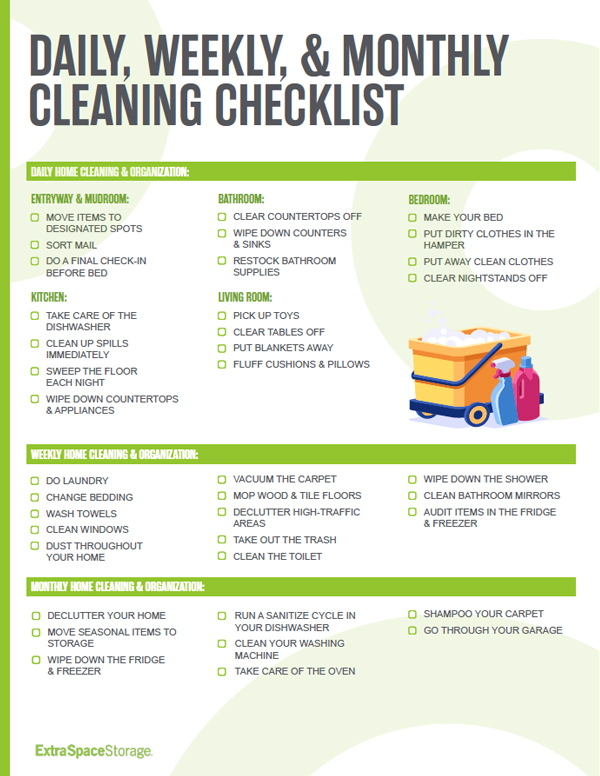
Understanding the different types of cleaning tasks in your kitchen helps you stay organized and maintain a hygienic space effortlessly. These tasks vary by frequency and intensity, ensuring every corner of your kitchen gets the attention it needs. Knowing what to tackle daily, weekly, or monthly can save you time and avoid overwhelming messes.
Daily Cleaning Duties
Daily cleaning keeps your kitchen safe and pleasant. You should wipe down countertops, clean spills immediately, and wash dishes or load the dishwasher after every meal. Taking out the trash and sweeping the floor also prevents dirt buildup and bad odors.
Have you noticed how a quick daily wipe can stop stains from setting in? This small habit makes a big difference in keeping your kitchen fresh.
Weekly Deep Cleaning
Weekly tasks dig deeper than daily routines. This includes scrubbing sinks, cleaning the stovetop, and wiping down cabinet doors. Don’t forget to mop the floor and clean inside the microwave or oven to remove stubborn food residues.
Setting aside just one day each week for these chores can reduce stress and keep your kitchen sparkling without feeling like a huge job.
Monthly Maintenance Tasks
Monthly tasks focus on areas that don’t need constant attention but require periodic care. Clean behind appliances like the refrigerator and stove, check your pantry for expired items, and descale your coffee maker or kettle. Also, inspect and clean the exhaust fan to improve air quality.
These tasks might seem minor, but skipping them can lead to bigger problems later. How often do you check the hidden parts of your kitchen?
Credit: www.extraspace.com
Creating Your Personalized Cleaning Plan
Creating your personalized cleaning plan turns a daunting kitchen chore into a manageable routine tailored just for you. It’s about understanding your space, your habits, and choosing the right tools. This approach helps you keep your kitchen spotless without wasting time or energy.
Assessing Kitchen Size And Usage
Start by looking closely at your kitchen’s size. Is it a small kitchenette or a large family kitchen? The bigger the space, the more detailed your cleaning plan should be.
Next, think about how often you use your kitchen. Do you cook daily or just on weekends? A busy kitchen demands more frequent cleaning, while a lightly used one may need less.
Ask yourself: Which areas get the most use? The sink, stove, or refrigerator might need daily attention, while cupboards and walls can be cleaned weekly or monthly.
Assigning Responsibilities
Cleaning doesn’t have to be a solo task. If you live with others, divide the chores based on preferences and schedules. This makes the plan realistic and easier to maintain.
Consider who is best suited for certain tasks. Maybe someone enjoys wiping down surfaces, while another prefers taking out the trash. Assigning specific duties helps avoid confusion and missed spots.
Don’t forget to schedule regular check-ins to adjust responsibilities if needed. Flexibility keeps everyone motivated and your kitchen consistently clean.
Choosing Cleaning Products
Your cleaning products play a big role in efficiency and safety. Pick ones that are effective but gentle on surfaces and safe for your family.
Look for multi-purpose cleaners to reduce clutter, but keep specialty products handy for tough jobs like oven grease or stainless steel polish. Natural options like vinegar and baking soda can also be powerful allies.
Think about allergies and sensitivities too. You don’t want strong scents or harsh chemicals causing discomfort. Have you found a product that works perfectly for your kitchen needs? If not, it might be time to experiment.
Tips For Staying Consistent
Maintaining a consistent cleaning schedule in your kitchen can be a game-changer for your home or workplace. It ensures hygiene, reduces stress, and can even make cooking more enjoyable. But sticking to that schedule? That's where many people struggle. Here are some practical tips to help you stay consistent, making your kitchen a cleaner, more organized space.
Setting Reminders And Alarms
Setting reminders and alarms is a simple yet effective way to stay on track. Use your phone or a kitchen timer to alert you when it's time to clean. This method helps integrate cleaning into your daily routine, much like brushing your teeth or having your morning coffee.
Imagine this: every evening at 7 PM, your phone buzzes, reminding you to do a quick sweep of your kitchen. This regular nudge can quickly transform into a habit. Are you ready to set that reminder and see the difference?
Using Checklists And Logs
Checklists and logs are powerful tools to keep your cleaning schedule organized. Create a checklist of daily, weekly, and monthly tasks and place it where you can easily see it. Checking off tasks gives a sense of accomplishment and keeps you motivated.
Log your cleaning activities to track your progress and identify any areas that need extra attention. Over time, you'll develop a rhythm and find that maintaining cleanliness becomes second nature.
Involving Family Or Staff
Why not turn cleaning into a team effort? Involving family members or staff can lighten the load and make the process more fun. Assign specific tasks to each person, turning cleaning into a shared responsibility.
Think about how much quicker and more efficient cleaning can be when everyone pitches in. Plus, it fosters a sense of community and cooperation. Are you ready to rally your crew and tackle the kitchen together?
Common Cleaning Challenges And Solutions
Keeping a kitchen clean often comes with specific challenges. Some issues are tougher to tackle and need special care. Understanding these problems helps maintain a tidy space. Simple solutions make cleaning easier and faster.
Removing Stubborn Stains
Stains on countertops and appliances can be hard to remove. Use a gentle scrub brush and baking soda paste. Let it sit for a few minutes before scrubbing. Avoid harsh chemicals that can damage surfaces.
For stains on fabrics like dish towels, soak them in warm water with vinegar. This helps break down tough marks without fading colors. Regular cleaning prevents stains from setting in deeply.
Dealing With Grease Build-up
Grease can build up on stovetops, walls, and vents quickly. Use hot water mixed with dish soap for daily wipe-downs. For heavy grease, try a mixture of vinegar and baking soda. Spray it on, wait a bit, then scrub gently.
Using a degreaser spray helps in harder cases. Always wear gloves to protect your skin. Regular cleaning stops grease from piling up and becoming sticky.
Managing Clutter Effectively
Clutter slows down kitchen cleaning and creates mess. Sort items into groups: keep, toss, or donate. Store frequently used items within easy reach. Use drawer dividers and shelves to organize better.
Clear countertops by putting away appliances not in use. A clean surface makes wiping faster. Set a daily 5-minute tidy-up habit to keep clutter low and maintain order.
Eco-friendly Cleaning Alternatives
Eco-friendly cleaning alternatives help keep your kitchen clean without harming the planet. They use natural ingredients and reduce waste. These methods protect your health and keep the air fresh. Simple swaps make a big difference in your cleaning routine.
Natural Cleaning Agents
Natural cleaning agents use everyday ingredients like vinegar, baking soda, and lemon. These products break down grease and kill germs safely. They do not contain harsh chemicals that irritate skin or lungs. Using natural agents helps maintain a fresh kitchen environment.
Reducing Waste And Chemicals
Reducing waste means using less plastic and fewer disposable products. Refillable bottles and reusable cloths cut down trash. Avoiding harsh chemicals protects waterways and soil. These small changes support a cleaner, greener kitchen space.
Safe Practices For Health
Safe cleaning keeps your family free from harmful toxins. Always read labels to choose non-toxic products. Use gloves to protect your hands. Open windows for fresh air during cleaning sessions. These habits prevent allergies and breathing problems.
Credit: www.lemon8-app.com
Frequently Asked Questions
What Is A Cleaning Schedule In A Kitchen?
A cleaning schedule in a kitchen is a planned routine to keep the space hygienic. It organizes tasks by frequency, ensuring all areas are cleaned regularly. This helps prevent contamination, maintain safety, and improve kitchen efficiency.
Why Is A Kitchen Cleaning Schedule Important?
A kitchen cleaning schedule ensures consistent cleanliness and food safety. It reduces the risk of pests and cross-contamination. Following a schedule helps maintain equipment and prolongs kitchen lifespan. It also creates a healthier cooking environment.
How Often Should A Kitchen Be Cleaned?
Daily cleaning includes wiping counters and washing dishes. Weekly tasks cover deep cleaning appliances and floors. Monthly, clean vents and behind equipment. Frequency depends on kitchen use and size, but regular cleaning is essential for hygiene and safety.
What Tasks Are Included In A Kitchen Cleaning Schedule?
Tasks include wiping surfaces, mopping floors, cleaning appliances, and emptying trash. It also involves sanitizing sinks, organizing storage, and checking for spoilage. Proper task division ensures every area is addressed timely and effectively.
Conclusion
A cleaning schedule keeps your kitchen neat and safe every day. It helps avoid germs and bad smells. You save time by knowing what to clean and when. Everyone in the home can join in and share tasks. A simple plan makes cleaning less stressful and more quick.
Keep your kitchen fresh with a clear, easy schedule. Small steps lead to a big difference in cleanliness. Try it and enjoy a tidy kitchen all the time.