
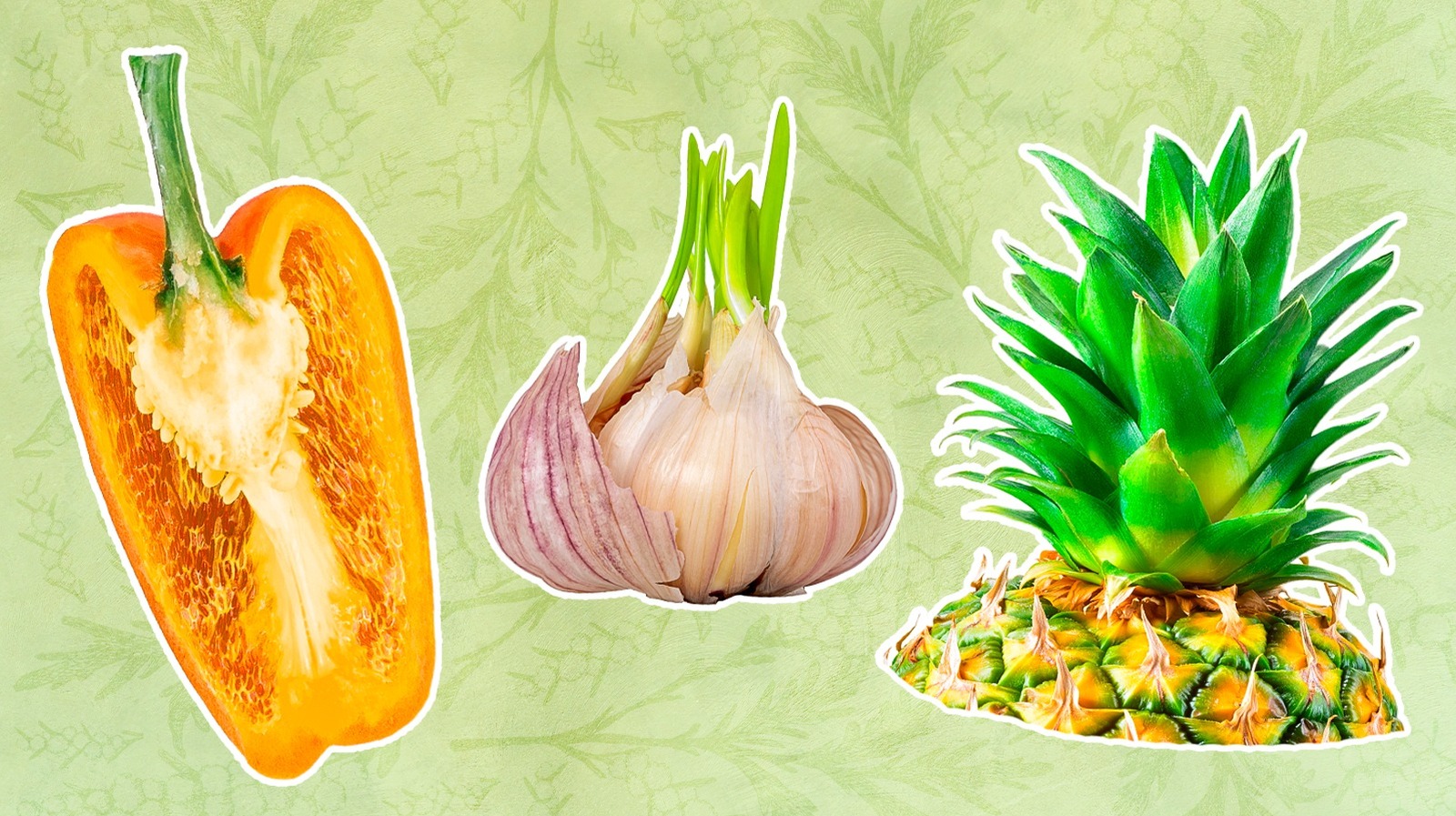
Have you ever wondered if you could turn your kitchen scraps into something amazing? What if you could grow a fresh, juicy pineapple right at home using just the top of a pineapple you’ve already eaten?
It’s easier than you think, and the process is surprisingly rewarding. You’ll discover simple, step-by-step tips to grow your own pineapple from kitchen scraps. By the end, you’ll have all the tools you need to start your own mini pineapple garden.
Ready to impress yourself and your friends? Let’s get started!
Choosing The Right Pineapple
Choosing the right pineapple is the first key to growing a healthy plant from kitchen scraps. A good pineapple gives you the best chance to grow roots and new leaves. Focus on the fruit’s freshness and the condition of the crown. These parts affect how well your pineapple will grow in your home garden.
Picking A Healthy Fruit
Choose a pineapple that looks fresh and ripe. The skin should be firm, not soft or bruised. Avoid fruits with brown spots or mold. A sweet smell at the base shows the fruit is ripe. The color can be yellow or golden, but green can also work if the fruit feels heavy. Pick a pineapple that feels heavy for its size. This means it is juicy and fresh.
Selecting The Top Crown
The top crown is the leafy part of the pineapple. It must be green and healthy-looking. Avoid crowns with brown or dry leaves. The leaves should be firm and not wilted. Check the base of the crown for any signs of rot or damage. A strong, healthy crown helps the plant grow roots faster. Twist the crown gently to remove it from the fruit. Make sure to include a small part of the fruit’s base attached to the crown for better growth.

Credit: www.youtube.com
Preparing The Pineapple Crown
Preparing the pineapple crown is the first key step in growing a new pineapple plant from kitchen scraps. This part of the pineapple holds the roots and leaves needed to start your plant. Taking time to prepare the crown well increases the chances of healthy growth and a strong plant.
Removing The Crown
Start by twisting or cutting off the leafy top of the pineapple. Hold the fruit firmly. Twist the crown until it comes off with a small portion of the fruit attached. Avoid cutting too low to keep the crown healthy. A clean break helps the crown root better.
Cleaning And Trimming
Remove the excess fruit flesh from the base of the crown. Use your fingers or a knife to gently clean it. Trim any dead or damaged leaves at the bottom. This helps prevent rot and encourages root growth. Let the crown dry for a few days in a cool, dry place. This step allows the cut area to heal before planting.
Rooting The Pineapple Crown
Rooting the pineapple crown is the key step to growing a new plant from your kitchen scraps. This process lets you turn the top of a pineapple into a thriving green plant. With a little patience and care, you can watch roots develop and set the stage for healthy growth.
Water Method
Start by removing any leftover fruit from the base of the crown. This prevents rotting and encourages root growth.
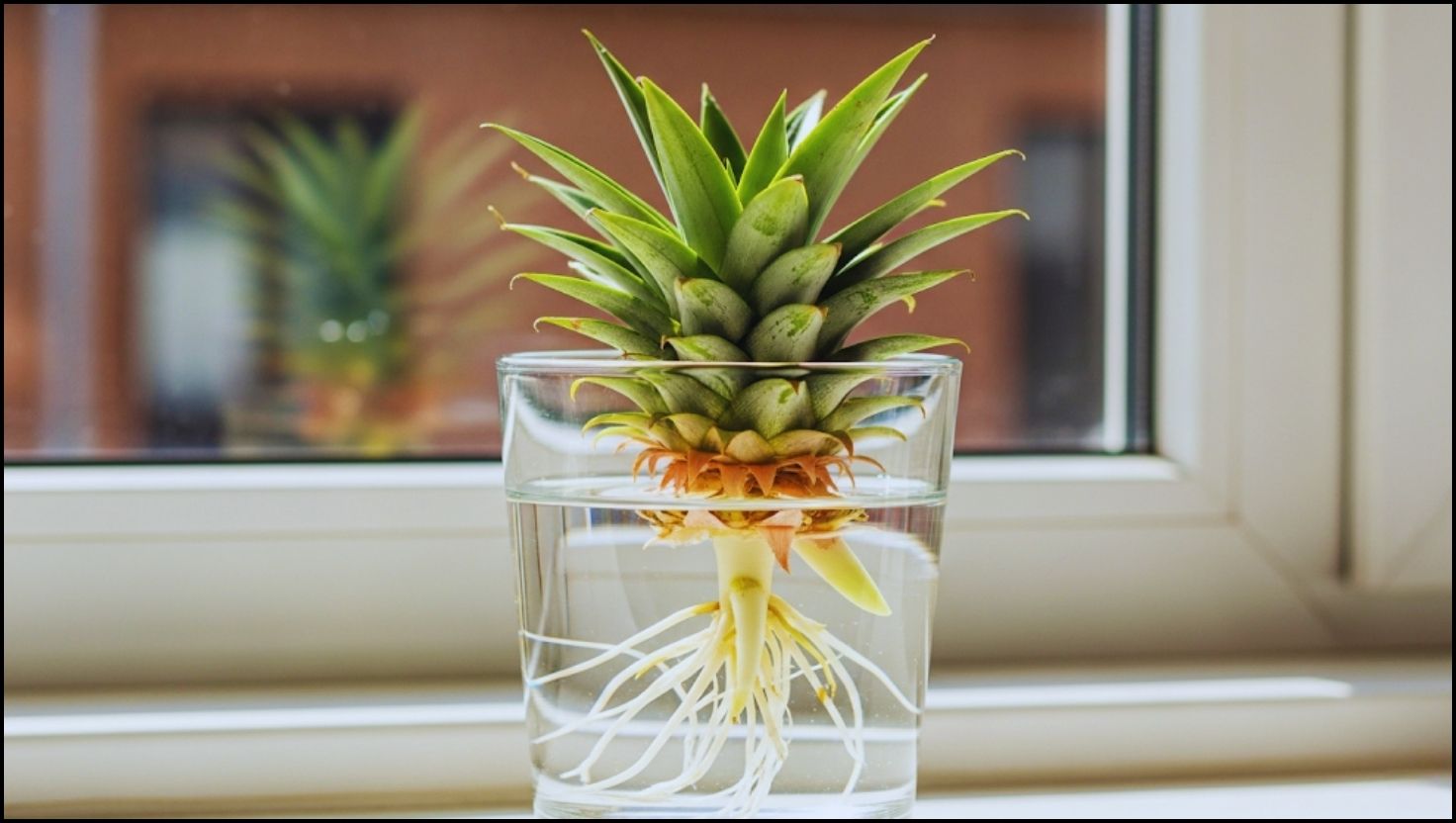
Place the crown in a glass of water, submerging only the bottom part where roots will grow. Make sure the leaves stay dry to avoid mold.
- Change the water every few days to keep it fresh.
- Keep the glass in a warm, bright spot but out of direct sunlight.
- Watch for roots to appear within two to three weeks.
Have you noticed how quickly roots can pop up when conditions are just right? It’s rewarding to see this transformation happening right on your windowsill.
Soil Method
Another way is to plant the pineapple crown directly into soil. Use well-draining potting mix to avoid waterlogged roots.
Trim a few of the lower leaves to expose more stem, then plant the crown about an inch deep in the soil.
- Water lightly to keep the soil moist but not soggy.
- Place the pot in a warm area with indirect sunlight.
- Roots should start forming after a few weeks, and new growth will follow.
This method feels more natural, and you get to see the crown settle in its new home. Which method do you think fits your lifestyle better? Both have their perks, so it depends on how hands-on you want to be.

Credit: m.youtube.com
Planting The Rooted Crown
Cut the top of a pineapple and remove some leaves to reveal roots. Plant this crown in soil and water it regularly. Watch new growth emerge as your pineapple plant develops from kitchen scraps.
Planting the rooted crown of a pineapple is a rewarding experience. It transforms kitchen scraps into a flourishing plant. Start by ensuring the crown has grown strong roots. This step is crucial for successful planting. Follow the steps below to plant your pineapple crown with confidence.
Choosing The Right Pot And Soil
Select a pot with drainage holes. This prevents water from accumulating. A pot about 6-8 inches deep works well. Choose a sandy, well-draining soil. A cactus mix is ideal for pineapples. It provides necessary nutrients and good drainage. Avoid heavy soils that hold too much moisture.
Planting Steps
Place a layer of soil in the pot. Hold the crown above the soil. Spread the roots gently. Cover the roots with more soil. Press the soil down lightly. Ensure the crown stands upright. Water the plant thoroughly. Let the excess water drain away. Position the pot in a sunny spot. Pineapples love sunlight. Keep the soil slightly moist. Avoid overwatering to prevent root rot.
Caring For Your Pineapple Plant
Caring for your pineapple plant is simple and rewarding. Proper care helps your plant grow healthy and strong. It also increases the chance of growing sweet pineapples right at home.
Understanding the right watering, light, and fertilizing needs is key. Each part plays a role in your plant’s growth and vitality.
Watering Schedule
Water your pineapple plant once or twice a week. Keep the soil moist but not soaked. Pineapples do not like too much water. Overwatering can cause root rot. Check the soil by touching it. If it feels dry, it’s time to water. Use room temperature water to avoid shock.
Light Requirements
Pineapple plants need plenty of bright light to thrive. Place your plant where it gets at least 6 hours of sunlight. A sunny window or a spot outside is perfect. Avoid direct harsh midday sun, which may burn leaves. If indoors, a south-facing window works well. Insufficient light slows growth and makes leaves pale.
Fertilizing Tips
Feed your pineapple plant every 6 to 8 weeks. Use a balanced, water-soluble fertilizer with equal parts nitrogen, phosphorus, and potassium. Follow package instructions for amounts. Too much fertilizer can harm the plant. Organic options like compost tea also work well. Fertilizing supports healthy leaves and fruit development.
Credit: adonicollege.com
Troubleshooting Common Issues
Growing pineapple from kitchen scraps is fun and rewarding. Some challenges may arise during growth. Knowing how to handle common problems helps keep your plant healthy. Here are some tips to troubleshoot usual issues.
Pest Control
Small insects can attack your pineapple plant. Watch for tiny bugs like mealybugs or aphids. They suck the plant’s juice and cause damage.
- Wipe leaves gently with a damp cloth to remove pests.
- Use mild soap mixed with water to spray affected areas.
- Keep plants clean and avoid overcrowding to reduce pests.
Dealing With Yellow Leaves
Yellow leaves show signs of stress or poor care. It may mean too much sun or not enough nutrients.
- Move the plant to a spot with bright, indirect light.
- Check soil moisture; water only when the top feels dry.
- Feed the plant with a balanced fertilizer every 6-8 weeks.
- Trim yellow leaves to improve appearance and growth.
Preventing Root Rot
Root rot happens when roots stay too wet for long. It can kill your pineapple plant fast.
- Use well-draining soil to keep water from pooling.
- Choose pots with drainage holes to let extra water escape.
- Water sparingly and allow soil to dry between watering.
- Remove any rotten roots if you repot the plant.
Harvesting Your Pineapple
Harvesting your pineapple is a rewarding moment after months of care. Knowing when and how to pick your fruit ensures the best flavor and texture. Watch your pineapple closely as it nears ripeness to catch the perfect time to harvest.
Signs Of Maturity
Check the color of the pineapple skin. It should change from green to a golden yellow.
The fruit will emit a sweet, fragrant smell near the base.
The leaves on top might start to look dry or turn brown.
Gently press the pineapple; it should feel firm but slightly soft.
Size matters: your pineapple should look full and plump.
Harvesting Techniques
Use a sharp knife or garden shears to cut the fruit from the plant.
Cut close to the base, leaving a bit of stem attached.
Hold the pineapple firmly to avoid dropping it.
Do not pull or twist the fruit off; this can damage the plant.
After harvesting, let the pineapple sit at room temperature for a few days to enhance sweetness.
Frequently Asked Questions
How Do I Prepare A Pineapple Top For Planting?
Cut off the pineapple top with about an inch of fruit. Remove lower leaves to expose the stem. Let it dry for 2-3 days to prevent rot. Then, place it in water or soil to root and grow.
How Long Does Pineapple Take To Grow From Scraps?
Pineapples grown from scraps usually take 18-24 months to produce fruit. Initial growth is slow, focusing on root and leaf development. Patience is key for a successful harvest.
What Soil Type Is Best For Growing Pineapple?
Pineapples thrive in well-draining, sandy loam soil with a slightly acidic pH (4. 5-6. 5). Good drainage prevents root rot and supports healthy growth. Use organic compost to enrich the soil.
Can I Grow Pineapple Indoors From Kitchen Scraps?
Yes, pineapple can grow indoors with enough sunlight and warmth. Place the plant near a sunny window and maintain temperatures above 65°F (18°C). Ensure proper watering and drainage.
Conclusion
Growing a pineapple from kitchen scraps is fun and rewarding. It takes patience but needs little care. Water the plant well and give it sunlight. Watch new leaves grow and roots develop. Soon, a small pineapple will start to form.
This simple project brings fresh fruit and green beauty to your home. Give it a try and enjoy the process. Gardening can be easy and satisfying for everyone. Start today and see how your kitchen scraps can grow.