
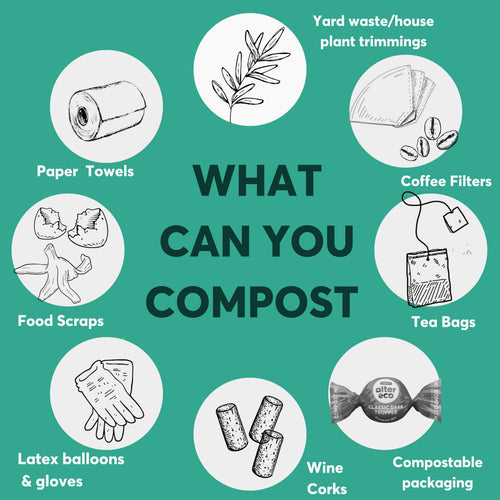
Are you looking to reduce waste and make your garden flourish at the same time? Composting is an easy and effective way to turn your kitchen scraps into nutrient-rich soil.
But not all scraps belong in your compost bin. Knowing exactly what kitchen scraps are good for composting can save you time, prevent bad odors, and help your compost break down faster. Keep reading to discover which everyday food leftovers you should be adding—and which ones you should avoid—to create the best compost for your garden.
Your plants will thank you!
Kitchen Scraps That Boost Compost
Kitchen scraps can make a big difference in your compost pile. Certain scraps break down quickly and add valuable nutrients to the soil. Knowing which scraps boost your compost helps you create richer, healthier soil for your garden.
Fruit And Vegetable Peels
Fruit and vegetable peels are some of the best compost boosters. They break down fast and provide essential nutrients like nitrogen and potassium. Citrus peels, banana skins, and carrot tops all add moisture and organic matter.
Have you noticed how your banana peels disappear quickly in the compost? That’s a good sign they are feeding the microbes. Just chop tougher peels into smaller pieces to speed up decomposition.
Coffee Grounds And Tea Leaves
Used coffee grounds and tea leaves enrich compost with nitrogen. They improve soil structure and attract earthworms, which help aerate the pile. Sprinkle these scraps evenly to avoid clumping and odor issues.
If you drink coffee every morning, saving the grounds can be a simple habit that boosts your compost daily. Don’t forget to remove staples from tea bags before adding them.
Eggshells
Eggshells add calcium to your compost, which helps strengthen plant cell walls. Rinse and crush them before tossing them in to speed up breakdown. They also help balance soil pH, making nutrients more available to plants.
Next time you bake or cook eggs, save those shells. Over time, they’ll turn into a valuable mineral source for your garden soil.
Bread And Grains
Bread and grains can be composted, but only in small amounts to avoid pests and mold. They provide carbohydrates that feed microbes, helping the compost heat up. Break bread into small pieces and mix well with other scraps.
Have you ever tried adding leftover rice or pasta? They compost, but keep an eye on moisture levels to prevent sliminess.
Nut Shells
Hard nut shells like those from walnuts or almonds take longer to break down but add carbon to the pile. Crushing them speeds up decomposition and helps balance nitrogen-rich scraps. Use them sparingly to avoid slowing down the compost process.
Think about cracking shells into smaller bits before adding. It’s a small step that makes a big difference over time.
Scraps To Avoid In Compost
Not all kitchen scraps belong in your compost pile. Some materials cause bad smells, attract pests, or slow down the composting process. Avoiding these scraps helps keep compost healthy and effective.
Meat And Dairy Products
Meat and dairy can create strong odors as they break down. These smells attract rodents and flies. They also take longer to decompose and can cause harmful bacteria to grow. Avoid adding bones, cheese, milk, or cooked meats to your compost.
Oils And Fats
Oils and fats coat other compost materials and prevent air from circulating. This slows down decomposition and causes unpleasant smells. Avoid cooking oils, butter, and greasy food scraps. These substances do not break down well in compost piles.
Diseased Plants
Plants with diseases can spread infections through compost. The heat in some compost piles may not kill all pathogens. Avoid adding leaves, stems, or fruits showing signs of disease. This helps protect your garden from future problems.
Pet Waste
Pet waste contains harmful bacteria and parasites. It can contaminate your compost and garden soil. Avoid adding dog or cat feces, as well as litter or bedding. These materials are unsafe for compost used around edible plants.
Balancing Green And Brown Scraps
Balancing green and brown scraps is crucial for creating healthy compost. It helps maintain the right moisture and nutrient levels, speeding up the decomposition process. Understanding the difference between these scraps will make your composting more effective and less smelly.
What Are Green Scraps?
Green scraps are rich in nitrogen, which is essential for microbial growth in compost. These include vegetable peels, fruit scraps, coffee grounds, and fresh grass clippings.
They add moisture and nutrients, helping the compost heat up quickly. However, adding too many greens can make your pile soggy and smelly.
What Are Brown Scraps?
Brown scraps provide carbon, a key energy source for microbes breaking down materials. Examples are dry leaves, cardboard, paper, and small branches.
They help absorb excess moisture and improve airflow inside the compost. Too many browns can slow decomposition because they dry out the pile.
Ideal Ratios For Composting
Striking the right balance between green and brown scraps is essential. Aim for about 2 to 3 parts brown scrapsto 1 part green scraps.
This ratio keeps your compost moist but not wet, and warm but not overheated. If your compost smells bad, try adding more browns to fix the balance.

Credit: www.robingreenfield.org
Tips For Preparing Scraps
Kitchen scraps like fruit peels, vegetable ends, coffee grounds, and eggshells make great compost material. Avoid meat, dairy, and oily foods to keep compost healthy and odor-free. Chop scraps into smaller pieces for faster breakdown.
Preparing your kitchen scraps for composting is like setting the stage for a successful compost pile. It involves a few simple yet crucial steps that can make all the difference in how efficiently your compost breaks down. Let's dive into some practical tips to ensure your scraps are compost-ready.
Chopping And Shredding
Chopping your kitchen scraps into smaller pieces speeds up the decomposition process. It's similar to how smaller pieces of wood burn faster in a fire. Grab a cutting board and a sharp knife, and take a few minutes to chop up those carrot peels and apple cores. Consider using a food processor for tougher scraps like corn cobs or melon rinds. It can save you time and effort while ensuring everything breaks down faster. Plus, it's a great way to relieve some stress with a little chopping session!
Avoiding Odors
Nobody wants a smelly kitchen, especially when you're trying to do something good for the environment. To keep odors at bay, ensure you balance your green and brown materials. Greens are your kitchen scraps like vegetable peels, while browns are dry leaves or shredded paper. Layering these materials can help control moisture and odors. If you notice a smell, add more brown materials to absorb excess moisture. Remember, a well-balanced compost pile shouldn't stink.
Storing Scraps Before Composting
You might not have time to run to your compost pile every day. That's okay! Use a countertop bin to store scraps for a few days. Make sure it has a lid to keep any unwanted smells contained. Consider keeping a small container in your freezer for highly perishable items. Freezing can prevent odors and makes it easy to transport the scraps to your compost pile when you're ready. How do you store your compost scraps? Share your tips in the comments!
Benefits Of Composting Kitchen Waste
Composting kitchen waste offers many benefits for the environment and your garden. It turns scraps into valuable resources instead of trash. This process helps reduce pollution and supports healthy plant growth naturally. Many people find composting an easy way to make a positive impact.
Reducing Landfill Waste
Kitchen scraps make up a large part of landfill trash. Composting these scraps lowers the amount sent to landfills. Less landfill waste means fewer harmful gases like methane. This helps reduce air pollution and slows climate change.
Enriching Soil
Compost adds important nutrients back into the soil. It improves soil texture and water retention. Healthy soil supports strong roots and prevents erosion. Using compost reduces the need for chemical fertilizers.
Supporting Plant Growth
Plants grow better in nutrient-rich compost. Compost provides essential minerals and improves soil health. It encourages beneficial microbes that protect plants. This leads to greener leaves and more flowers or fruits.

Credit: www.youtube.com

Credit: greenlivingguy.com
Frequently Asked Questions
What Kitchen Scraps Are Best For Composting?
Vegetable and fruit peels, coffee grounds, eggshells, and tea bags are ideal for composting. They decompose quickly and add valuable nutrients to compost.
Can I Compost Meat And Dairy Scraps?
No, meat and dairy scraps attract pests and cause odor. It's best to avoid composting them in a home compost bin.
How Do Citrus Scraps Affect Composting?
Citrus scraps can slow composting due to acidity but are fine in small amounts. Balance with neutral scraps like leaves or grass.
Are Bread And Grains Good For Compost?
Yes, bread and grains compost well but in moderation. They add carbon and nutrients but can attract pests if overused.
Conclusion
Composting kitchen scraps helps reduce waste and enrich soil. Fruit peels, vegetable bits, coffee grounds, and eggshells break down quickly. Avoid meat, dairy, and oily foods to keep compost healthy. Regularly turning your compost speeds up the process. A small effort creates rich soil for plants.
Start saving scraps today for a greener home. Composting is easy and good for the planet. You’ll see the benefits in your garden soon. Give it a try and watch nature work.