
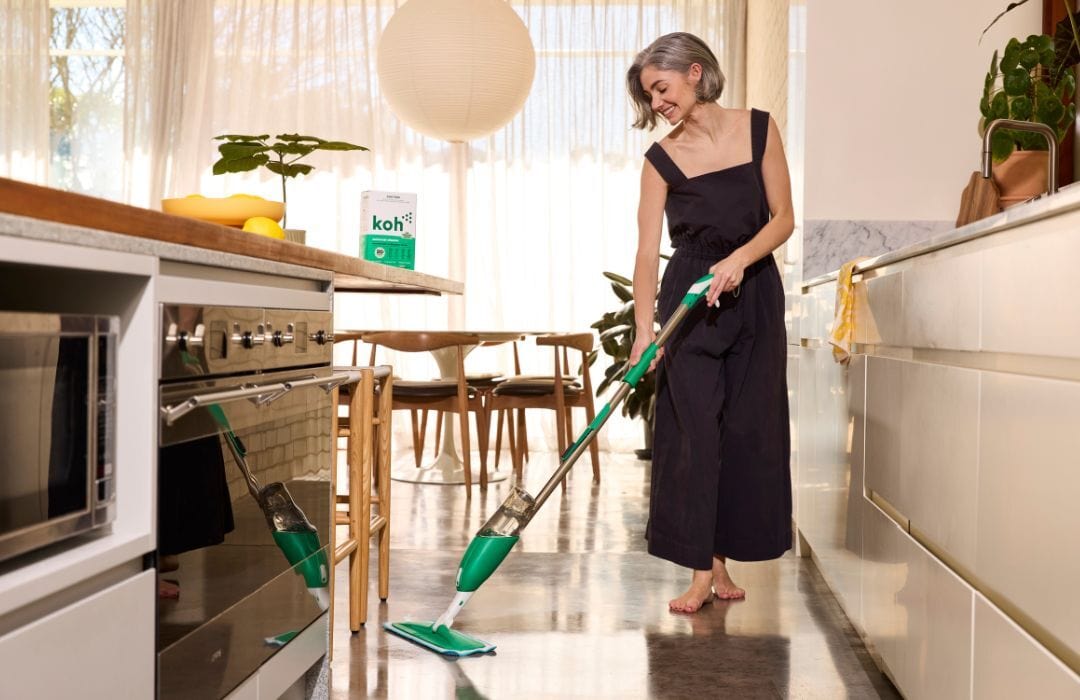
Keeping your kitchen clean can feel like a constant battle. You want a mop that not only makes your floors sparkle but also saves you time and effort.
A good kitchen mop can change the way you clean, turning a chore into a quick, almost enjoyable task. Imagine gliding over spills and stains with ease, leaving your kitchen spotless every time. If you’ve ever struggled with a mop that just doesn’t get the job done, this guide is for you.
Let’s explore how to find the perfect kitchen mop that fits your needs and makes your cleaning routine smoother than ever.

Credit: www.amazon.ca
Choosing The Right Mop
Choosing the right kitchen mop can make cleaning faster and easier. A good mop helps keep your kitchen floor spotless without much effort. Picking the right type depends on your kitchen size, floor type, and cleaning needs. Consider the mop’s material, size, and how easy it is to use.
Types Of Kitchen Mops
- String mops absorb liquids well but take time to dry.
- Flat mops clean smooth floors quickly and dry faster.
- Sponge mops work well for small spills and tile floors.
- Spray mops have built-in spray bottles for easy cleaning.
Materials And Durability
Mop heads come in cotton, microfiber, sponge, or synthetic fibers. Microfiber cleans better and dries fast. Cotton absorbs more water but can get heavy. Synthetic fibers resist wear and last longer. Check if the mop head can be washed and reused. Durable materials save money over time.
Size And Maneuverability
Choose a mop size that fits your kitchen space. Small mops reach tight corners and small areas easily. Large mops cover more floor quickly but may be hard to handle. A lightweight mop reduces fatigue during long cleaning sessions. Look for mops with swivel heads for easy turning.
:strip_icc()/bhg-swiffer-power-mop-wood-quincy-bulin-08-e38c5920c12448a2a1925cae3110a502.jpeg)
Credit: www.bhg.com
Features To Look For
Choosing a good kitchen mop requires attention to key features. These features affect how well the mop cleans and how easy it is to use. Understanding these aspects helps select a mop that suits your kitchen needs.
Absorbency And Cleaning Power
A mop must soak up spills quickly. High absorbency reduces the time spent mopping. The material should hold water and cleaning solution well.
Look for mop heads made of microfiber or cotton. These materials trap dirt and grime effectively. Strong cleaning power means fewer passes on the floor.
Ease Of Use And Handling
The mop should be light and easy to move. A comfortable handle reduces hand fatigue during cleaning. Adjustable handles help mop hard-to-reach spots.
Consider mops with swivel heads for better control. A mop that spins or wrings easily saves effort. Smooth movement makes cleaning faster and less tiring.
Maintenance And Storage
A mop must be easy to clean after use. Machine-washable mop heads save time and keep the mop fresh. Quick-drying materials prevent odors and mold.
Storage features like hanging loops or compact design help save space. A mop that dries quickly can be stored safely without damage.
Mopping Techniques For Sparkling Floors
Keeping your kitchen floor spotless isn’t just about grabbing a mop and wiping away dirt. The right mopping techniques can make a huge difference in how clean and shiny your floors look. Have you ever noticed streaks or missed spots after mopping? That usually happens when the floor isn’t prepared properly or when drying is rushed. Let’s break down how you can get those sparkling floors every time you mop.
Preparing The Floor
Start by clearing the floor of any loose debris. Sweep or vacuum thoroughly to remove crumbs, dust, and pet hair. If you skip this, your mop will just push dirt around instead of cleaning.
Check for sticky spots or stains and spot clean them with a damp cloth before mopping the whole floor. This small step saves you from repeating the mopping process.
Effective Mopping Methods
Use a mop that suits your floor type—microfiber mops work well on most surfaces and trap dirt effectively. Dip your mop in a bucket of warm water mixed with a gentle cleaner, then wring it out well. Too much water can damage certain floors or leave behind streaks.
Mop in sections, moving the mop in a figure-eight or back-and-forth motion. This helps cover every inch without missing spots. Change your water regularly to avoid spreading dirt around.
Drying And Aftercare
After mopping, don’t leave the floor wet. Use a dry microfiber cloth or mop to go over the floor quickly and absorb excess moisture. This prevents water spots and speeds up drying.
Keep the kitchen well-ventilated by opening windows or turning on a fan. Ask yourself—how often do you let your floors air dry naturally? A little airflow helps maintain that fresh, clean look longer.

Credit: www.amazon.ca
Cleaning Solutions And Mop Care
Keeping your kitchen floor spotless depends heavily on the right cleaning solutions and proper mop care. The products you use can either make your floor shine or leave behind streaks and residue. Similarly, maintaining your mop extends its life and ensures it cleans effectively every time you use it.
Best Cleaning Agents For Kitchen Floors
Choosing the right cleaning agent is essential for protecting your kitchen floor’s finish. Avoid harsh chemicals like bleach or ammonia unless your floor’s material can handle it—these can cause discoloration or damage.
- pH-neutral cleanerswork well on most surfaces, including tile and laminate.
- Vinegar and water solutionis a natural, budget-friendly option that cuts grease but avoid on stone floors.
- Specialized floor cleanersdesigned for hardwood or vinyl offer targeted care without stripping protective layers.
Have you noticed how some cleaners leave a sticky film behind? Picking a product that rinses clean without residue can save you from extra scrubbing.
How To Clean And Maintain Your Mop
After mopping, rinse your mop thoroughly with hot water to remove dirt and cleaning agents. Wring it out well to prevent mold and bacteria growth.
Let your mop dry completely in a well-ventilated area. Storing a damp mop can cause unpleasant odors and shorten its lifespan.
Regularly washing mop heads, either by hand or in a washing machine (if the material allows), keeps them fresh and effective. Have you ever used a dirty mop and wondered why the floor didn’t look clean?
Replacing Mop Heads
Even the best mops need new heads from time to time. Signs it’s time to replace include frayed fibers, persistent odors, or reduced cleaning power.
Check the manufacturer’s recommendations for replacement frequency, but generally, every 3-6 months is a good rule of thumb if you mop frequently.
Keeping spare mop heads on hand means you’ll never be caught with a worn-out tool when it’s time to clean. What’s your current mop replacement routine like?
Common Mistakes To Avoid
Cleaning your kitchen floor might seem like a simple task, but many people unknowingly make mistakes that can lead to less-than-perfect results. Understanding these common errors can save you time and effort, ensuring your kitchen always looks its best. Let's dive into some frequent mistakes you should avoid while mopping your kitchen.
Using The Wrong Mop For Your Floor
Choosing the right mop for your kitchen floor is crucial. Not all mops are created equal, and using the wrong one can damage your floor. For instance, if you have hardwood floors, a steam mop might cause warping due to excessive heat and moisture. On the other hand, a sponge mop might not be effective on textured tiles, missing dirt in the crevices.
Consider your floor type and choose a mop designed for it. A flat microfiber mop is versatile and works well on most surfaces, providing efficient cleaning without harming the floor. Always check the manufacturer's recommendations to ensure you're using the best tool for the job.
Overwetting The Floor
Excess water can be a hidden enemy when mopping your kitchen. It might seem that more water equals cleaner floors, but too much moisture can lead to problems like slippery surfaces and water damage. This is particularly true for wooden floors, which can swell or warp from prolonged exposure to water.
Always wring out your mop thoroughly before using it. Your mop should be damp, not dripping. A good rule of thumb is to pass the mop over the floor, allowing it to dry within a minute or two. This practice helps maintain the integrity of your flooring while ensuring a streak-free shine.
Neglecting Mop Maintenance
Maintaining your mop is essential for effective cleaning. A dirty mop head can spread bacteria and grime rather than removing it, undoing all your hard work. Regularly cleaning or replacing mop heads is crucial to keeping your kitchen spotless.
After each use, rinse the mop head thoroughly with hot water and a bit of detergent. Allow it to dry completely before storing to prevent mold and mildew growth. If your mop head is removable, consider washing it in the washing machine for a deeper clean. By caring for your cleaning tools, you ensure they last longer and perform better.
Are you guilty of any of these common mopping mistakes? Correcting these habits can transform your cleaning routine and keep your kitchen looking pristine. Share your experiences or any tips you have found helpful in the comments below!
Top Kitchen Mop Recommendations
Choosing the right kitchen mop can make a huge difference in how clean and fresh your cooking space feels. Whether you’re scrubbing up spills or doing a thorough weekly clean, the mop you pick affects your efficiency and comfort. Below are some top kitchen mop recommendations tailored to different needs and budgets.
Budget-friendly Options
If you’re looking for effective cleaning without spending a fortune, there are plenty of reliable mops under $20. These usually come with microfiber heads that trap dirt well and are easy to rinse. Many budget options have adjustable handles, making them comfortable for various heights.
- O-Cedar EasyWring Microfiber Spin Mop:Affordable, spins to wring out water, and has a washable head.
- Vileda Ready Mop:Lightweight with a flat head, perfect for quick kitchen cleanups.
- AmazonBasics Microfiber Mop:Simple design, reusable pads, and great for daily messes.
Premium Mops For Heavy Use
Do you clean a large kitchen or deal with stubborn stains often? Premium mops offer durability and extra features that make tough jobs easier. These mops come with sturdy handles, high-quality microfiber, and sometimes even spray mechanisms for targeted cleaning.
- Bissell SpinWave Hard Floor Mop:Powerful motorized mop heads scrub without damaging floors.
- O-Cedar Dual Action Microfiber Mop:Combines scrubbing and dusting with replaceable pads.
- Rubbermaid Reveal Spray Mop:Built-in spray and ergonomic handle for heavy daily use.
Eco-friendly Choices
Want to keep your kitchen clean and reduce your environmental impact? Eco-friendly mops use sustainable materials and often come with washable, long-lasting pads. These options cut down on waste and help you make greener choices without sacrificing cleanliness.
- Full Circle Sustainable Mop:Made with recycled plastic and bamboo, with washable microfiber pads.
- Method Squirt + Mop Hard Floor Cleaner:Comes with a refillable bottle and plant-based cleaning solution.
- Casabella Loop Mop:Features a reusable looped microfiber head and a handle made from recycled materials.
Which of these mop types fits your kitchen routine best? Think about your cleaning frequency, spill types, and whether you want to support eco-friendly products. The right mop can turn a dreaded chore into a quick, even enjoyable task.
Frequently Asked Questions
What Makes A Kitchen Mop Good For Cleaning?
A good kitchen mop has absorbent material, a sturdy handle, and a wringing mechanism. It efficiently picks up spills, grease, and dirt. Durability and ease of use also matter for thorough cleaning and convenience.
How Often Should You Replace A Kitchen Mop?
Replace your kitchen mop every 2-3 months or when it shows wear. Frequent use and exposure to dirt reduce its effectiveness. Regular replacement ensures better hygiene and cleaning performance.
Which Mop Type Is Best For Kitchen Floors?
Microfiber mops are ideal for kitchen floors. They pick up fine dust and grease effectively. They are lightweight, easy to clean, and dry quickly, making them perfect for kitchen use.
Can A Kitchen Mop Remove Grease Stains Effectively?
Yes, a kitchen mop with microfiber or sponge material can remove grease stains. Using a suitable cleaning solution enhances its effectiveness. Regular mopping prevents buildup and keeps floors shiny.
Conclusion
A good kitchen mop makes cleaning faster and easier. It helps keep your floors spotless and safe. Choose a mop that suits your needs and budget. Regular use keeps your kitchen fresh and tidy. Clean floors create a healthy home environment.
Simple tools can save you time and effort. A reliable mop is a smart addition to any kitchen. Clean well, live well.