
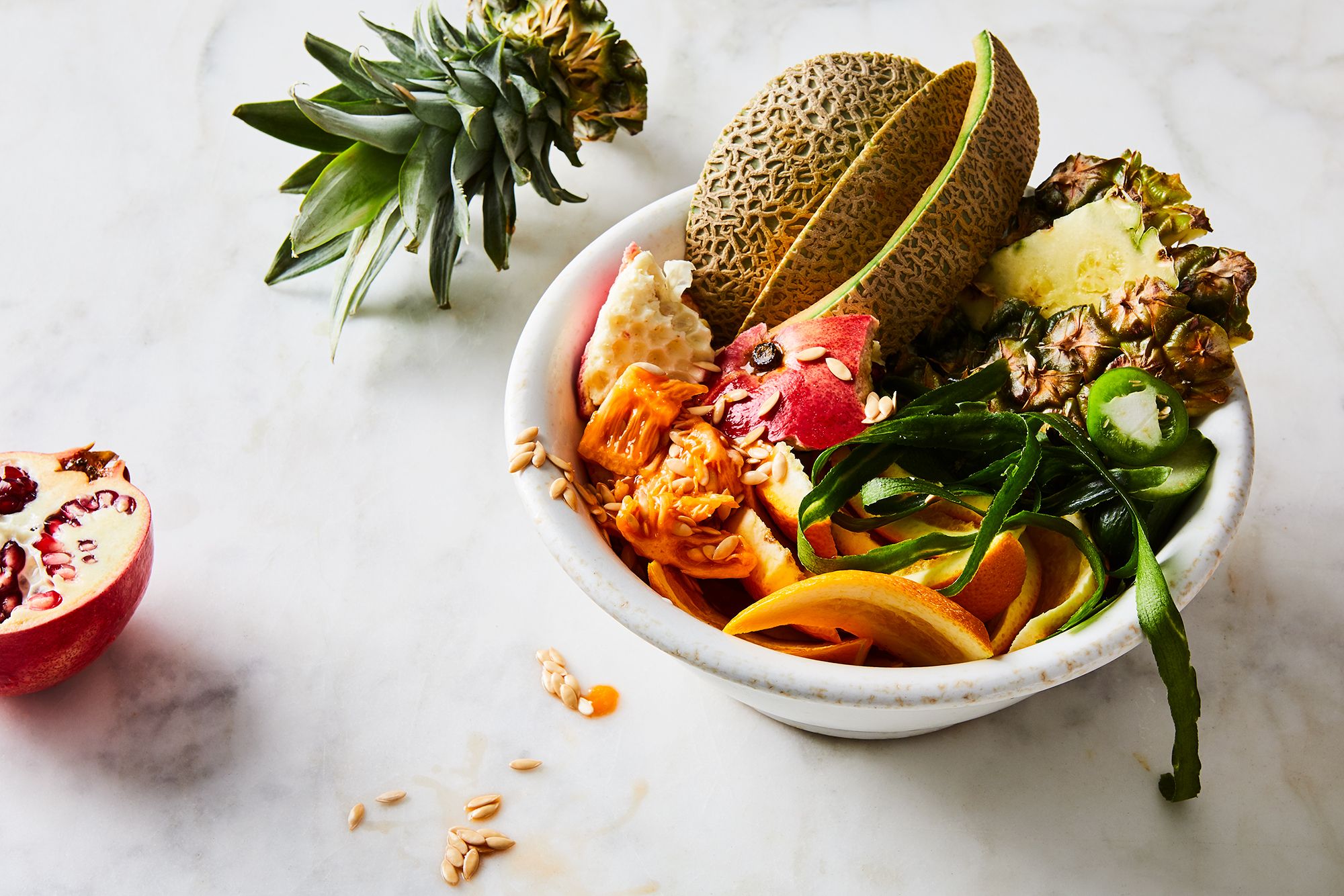
Have you ever tossed out kitchen scraps without a second thought? What if those leftover peels, cores, and bits could actually help you save money, reduce waste, and even boost your garden?
You might be surprised at how easy it is to turn what you usually throw away into something valuable. Keep reading, and you’ll discover simple, practical ways to give your kitchen scraps a second life—making your home greener and your life a little easier.

Credit: thewoodlandstownshipblog-environment.com
Save Scraps For Cooking
Saving kitchen scraps for cooking is a smart way to reduce waste and add depth to your meals. Instead of tossing peels, stems, and ends, you can transform them into delicious ingredients that enhance your dishes. This practice not only saves money but also brings out new flavors you might not expect.
Make Vegetable Broth
Collect vegetable scraps like onion skins, carrot ends, celery leaves, and mushroom stems in a freezer bag. Once you have enough, simmer them in water with a few spices for about an hour. The result is a rich, homemade broth that’s perfect as a base for soups or stews.
I used to buy store-bought broth, but after trying this, I realized how much fresher and tastier homemade broth can be. Plus, it turns scraps that would have gone in the trash into something useful.
Create Flavorful Stocks
Save bones from cooked chicken, beef, or fish along with vegetable scraps to make stocks. Slow-cook them for several hours to extract maximum flavor and nutrients. This stock adds a deep, savory taste to sauces, gravies, and risottos.
Try freezing scraps in portions so you always have stock ingredients ready. It’s easier than you think and elevates your cooking without extra effort.
Use Citrus Peels In Recipes
Don’t throw away lemon, lime, or orange peels. They add brightness and complexity to both sweet and savory dishes. You can zest them fresh, candy them for a snack, or infuse oils and vinegars for unique flavors.
Have you ever added a twist of lemon peel to your pasta or salad? It can instantly brighten the dish. Keeping citrus peels handy opens up many creative cooking possibilities.
Compost Kitchen Waste
Composting kitchen waste turns scraps into valuable soil for plants. It reduces trash and helps the environment. Instead of throwing away peels and leftovers, compost them. This process breaks down organic matter naturally. It creates rich compost that improves garden soil and plant growth.
Set Up A Home Compost Bin
Choose a bin size that fits your kitchen space. Place it in a cool, dry spot outside or near a window. Use a bin with a lid to keep pests away. Drill small holes for air flow. Line the bin with newspaper or compostable bags to keep it clean. Empty the bin regularly into your outdoor compost pile or bin.
Best Scraps For Composting
- Fruit and vegetable peels
- Coffee grounds and filters
- Eggshells, crushed
- Tea bags (without staples)
- Leftover grains and bread
- Nut shells
- Fresh garden waste like leaves and grass clippings
Avoid meat, dairy, and oily foods to prevent bad odors and pests.
Tips For Quick Composting
- Chop scraps into small pieces for faster breakdown
- Turn or mix the compost pile weekly to add air
- Keep the compost moist but not too wet
- Balance green (wet) and brown (dry) materials in the pile
- Add a small amount of garden soil to introduce helpful microbes
Feed Your Garden
Feeding your garden with kitchen scraps is a smart way to reduce waste and boost plant growth. Instead of tossing leftovers into the trash, you can turn them into valuable resources for your soil. This not only saves money but also helps your garden thrive naturally.
Use Coffee Grounds As Fertilizer
Used coffee grounds are rich in nitrogen, a key nutrient for plants. Sprinkle them around your garden beds or mix them into compost to enrich the soil. I noticed my tomato plants grew stronger and healthier after adding coffee grounds regularly.
Coffee grounds also help improve soil structure and attract beneficial earthworms. Just remember to avoid using too much at once, as it can make the soil acidic. Are you ready to give your plants a caffeine boost?
Eggshells For Soil Health
Crushed eggshells add calcium to your garden soil, which is essential for plant cell development. I save my eggshells, rinse, dry, and crush them before sprinkling around peppers and tomatoes to prevent blossom end rot.
Besides calcium, eggshells can deter pests like slugs and snails when scattered around plants. This natural pest control method keeps your garden healthier without chemicals. Have you tried eggshells as a garden helper yet?
Fruit Peels For Plant Nutrition
Fruit peels contain vitamins and minerals that nourish plants. You can chop peels from oranges, bananas, or apples and bury them near your garden plants to slowly release nutrients.
Banana peels, in particular, are high in potassium and phosphorus, boosting flowering and fruiting. Just make sure to cut the peels into small pieces to speed up decomposition. What fruit peels do you usually throw away that could feed your garden?

Credit: www.youtube.com
Diy Household Products
Kitchen scraps can do more than just compost. They transform into useful household products. This saves money and reduces waste. Using scraps in your home is simple and eco-friendly.
Natural Cleaning Solutions
Citrus peels, like lemon or orange, work well for cleaning. Soak peels in vinegar for two weeks. Strain and pour into a spray bottle. Use this mix to clean counters and glass. It leaves a fresh scent and cuts grease naturally.
Homemade Air Fresheners
Boil leftover herbs or fruit scraps to freshen air. Cinnamon sticks and apple peels simmer nicely together. Place the pot on low heat and enjoy the aroma. You can also dry orange peels and place them in small sachets. Put these in closets or drawers for a gentle scent.
Repel Pests With Scraps
Some kitchen scraps keep bugs away naturally. Coffee grounds sprinkled around plants deter ants and slugs. Crushed eggshells create a barrier against soft-bodied pests. Garlic peel water sprayed on plants can repel aphids. These scraps protect your garden without chemicals.
Creative Food Uses
Kitchen scraps can be turned into delicious broths or added to compost for a healthy garden. Even peels and stems have tasty, creative uses. Save food and reduce waste with simple ideas.
Transforming kitchen scraps into delicious, new food items is not only a smart way to reduce waste, but it's also an opportunity to explore your creativity in the kitchen. These scraps, often discarded without a second thought, can be the hidden gems you need to elevate your culinary skills. From turning vegetable ends into crispy snacks to transforming fruit peels into delightful preserves, the possibilities are endless and rewarding.
Make Crispy Vegetable Chips
Those potato peels you usually toss away have the potential to become your next favorite snack. Simply wash them thoroughly, pat dry, and toss with olive oil, salt, and your preferred spices. Bake until crisp, and you’ve got a healthier alternative to store-bought chips. Kale stems, carrot tops, or even beet peels can all be transformed into crunchy delights. Experiment with different seasonings like paprika or garlic powder for a unique twist. You’ll not only reduce waste but also discover new flavors.
Turn Stale Bread Into Croutons
Before you throw out that stale bread, consider its second life as crispy croutons. Cut the bread into cubes, drizzle with olive oil, and sprinkle with herbs like rosemary or thyme. Bake until golden, and you’ll have the perfect topping for soups and salads. You can also get creative with flavors. Add a dash of chili flakes for some heat or Parmesan cheese for a savory touch. This simple transformation adds a satisfying crunch to your dishes.
Fruit Peel Jams And Preserves
Don’t let fruit peels go to waste. Citrus peels, apple skins, and other fruit scraps can be cooked down with sugar to make delightful jams. This is a wonderful way to extend the life of your fruits while creating something utterly delicious. Imagine spreading apple peel jam on your morning toast or gifting a jar of homemade citrus preserve to a friend. You can adjust the sweetness and spices to suit your taste, making it a truly personal creation. Embrace these creative food uses, and you'll be amazed at how much flavor and fun you can extract from what was once considered waste. What will you create next from your kitchen scraps?

Credit: www.imperfecthomemaking.com
Donate Or Share Excess
Donating or sharing excess kitchen scraps helps reduce waste and supports your community. It offers a practical way to give back and promotes sustainability. Instead of throwing away extra food or scraps, find places or people who can use them.
Find Local Food Banks
Food banks accept unused food and some kitchen scraps. They provide food to families in need. Contact nearby food banks to learn what they accept. Donate only fresh, safe items that meet their guidelines. Your contributions can help feed many people.
Community Compost Programs
Many towns have compost programs for kitchen scraps. These programs turn scraps into nutrient-rich soil. Check if your community offers curbside pickup or drop-off sites. Composting reduces landfill waste and enriches gardens. Join these programs to make a positive environmental impact.
Share With Neighbors And Friends
Sharing kitchen scraps with neighbors is simple and friendly. Offer leftover vegetables, fruit peels, or coffee grounds. Neighbors may use scraps for their gardens or compost bins. This builds good relationships and cuts down on waste. A little sharing goes a long way.
Frequently Asked Questions
What Are The Best Ways To Reuse Kitchen Scraps?
You can compost kitchen scraps to create nutrient-rich soil. Use vegetable peels for homemade broth. Some scraps can feed animals or be used in garden mulch. Reusing scraps reduces waste and benefits the environment.
How Can I Compost Kitchen Scraps Effectively?
Collect fruit and vegetable scraps in a compost bin. Avoid meat, dairy, and oily foods. Turn the pile regularly for aeration. Maintain moisture levels like a damp sponge. Composting transforms scraps into valuable fertilizer.
Which Kitchen Scraps Are Best For Homemade Broth?
Vegetable peels, onion ends, garlic skins, and carrot tops work well. Simmer these scraps in water for hours. This creates flavorful, nutritious broth and reduces food waste. Freeze broth for later use in soups and stews.
Can Kitchen Scraps Be Used In Gardening?
Yes, kitchen scraps enrich garden soil as compost or mulch. Avoid using meat or dairy scraps in gardens. Eggshells can deter pests and add calcium. Healthy soil promotes strong plant growth and reduces waste.
Conclusion
Kitchen scraps do not have to go to waste. They can feed plants, make compost, or create broth. Small efforts can reduce trash and help the environment. Try saving peels, stems, and cores for useful purposes. Everyone can make a difference with simple kitchen habits.
Start today and see how easy it is. Waste less, save more, and enjoy a cleaner home.