
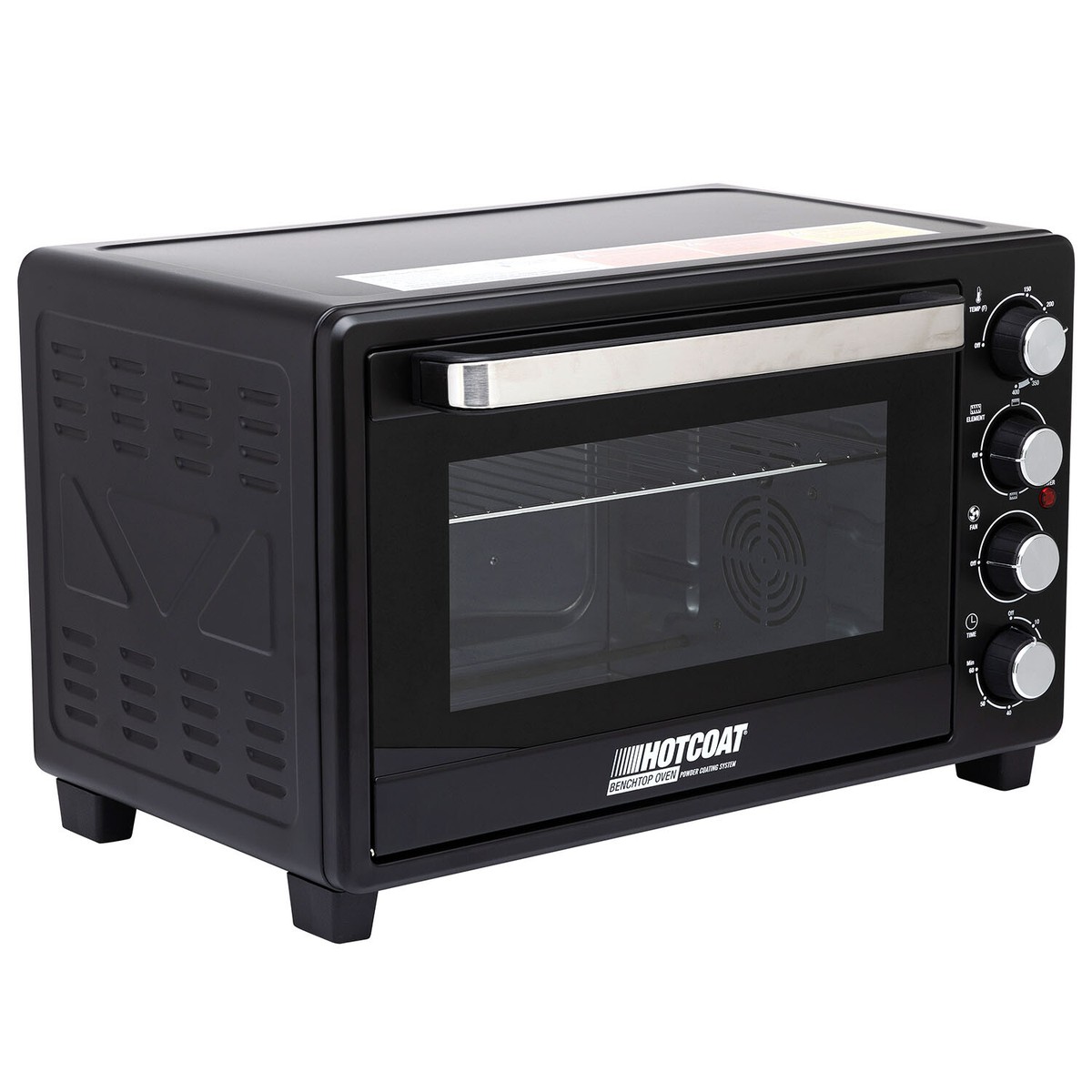
Are you thinking about giving your kitchen oven a fresh, durable finish? You might have heard about powder coating and wondered, "Can I use kitchen oven powder coat safely and effectively?"
This question is important because your oven faces high heat and constant use, so choosing the right coating matters. You’ll discover what powder coating is, if it’s suitable for your oven, and what you need to know before applying it.
Keep reading to make the best choice for your kitchen’s look and safety.
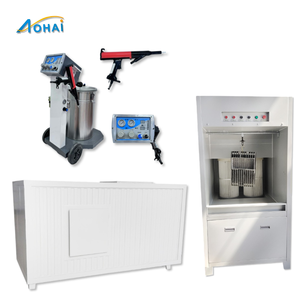
Credit: www.alibaba.com
Basics Of Powder Coating
Understanding the basics of powder coating is key if you're considering using it on kitchen ovens or other appliances. Powder coating offers a durable finish, but knowing what it involves helps you decide if it's right for your project. Let's break down what powder coating is, its different types, and why it might be beneficial for your kitchen oven.
What Is Powder Coating
Powder coating is a dry finishing process that applies a fine powder to a surface, which is then heated to form a smooth, hard layer. Unlike traditional paint, it doesn't use solvents, making it more environmentally friendly. This coating creates a tough, protective barrier that resists scratches and corrosion.
Have you ever noticed how some oven surfaces stay looking new despite constant use? That’s often due to a quality powder-coated finish.
Types Of Powder Coatings
There are several types of powder coatings, each suited for different uses:
- Thermoplastic Powders:These soften when heated and harden on cooling, allowing for re-melting and reshaping.
- Thermoset Powders:These chemically react during curing to form a hard, infusible coating.
- Epoxy Powders:Known for excellent adhesion and chemical resistance but less UV stable.
- Polyester Powders:Offer great weather resistance and color retention, often used outdoors.
Choosing the right type depends on the heat exposure and environment your oven will face.
Benefits Of Powder Coating
Powder coating provides several advantages over traditional paint finishes. It is highly durable, resisting chipping, scratching, and fading, which is perfect for kitchen appliances exposed to heat and frequent cleaning.
It also creates a uniform finish without drips or runs, enhancing your oven's appearance. Plus, the coating process is faster and produces less waste, making it cost-effective and eco-friendly.
Considering these benefits, do you think powder coating could extend the life and look of your kitchen oven?
Kitchen Oven Powder Coating
Kitchen oven powder coating is a popular finishing method used on various oven parts. It provides a smooth, durable surface that resists heat and wear. This coating enhances the oven’s look and protects metal surfaces from rust and damage. Choosing the right powder coating is important for safety and performance in kitchen ovens.
Is Oven-safe Powder Coating Available
Yes, oven-safe powder coatings exist. These coatings are specially made to withstand high temperatures without breaking down. They use heat-resistant resins that remain stable inside ovens. Not all powder coatings are safe for ovens. Using the wrong type can cause fumes or peeling. Always select coatings labeled as heat or oven resistant.
Temperature Limits For Kitchen Ovens
Most kitchen ovens reach temperatures between 300°F and 500°F (150°C to 260°C). Oven-safe powder coatings can usually handle this range. Some coatings tolerate even higher heat, up to 600°F (315°C). Exceeding these limits can cause the coating to discolor or degrade. Check the product specifications for exact temperature ratings before use.
Safety Standards For Oven Coatings
Oven coatings must meet strict safety standards. These rules ensure coatings are non-toxic and stable at high heat. Common standards include FDA approval for food safety and ASTM tests for heat resistance. Certified coatings reduce health risks and improve durability. Always verify the coating’s compliance with recognized safety regulations.
Materials Suitable For Oven Powder Coating
Oven powder coating is a popular finishing method for many materials. It involves applying a dry powder, then heating it until it melts and forms a smooth, durable layer. Not all materials suit this process. Choosing the right material ensures the coating bonds well and lasts long.
Metals Commonly Coated
Metals are the best choice for oven powder coating. They handle high heat without damage. Common metals include:
- Steel
- Aluminum
- Iron
- Brass
- Copper
These metals provide a strong base for the powder to stick. The heat in the oven melts the powder and fuses it to the metal surface.
Coating On Cookware And Appliances
Many cookware and appliances use powder coating for durability. It protects surfaces from scratches and corrosion. Examples include:
- Oven racks
- Toaster exteriors
- Microwave casings
- Cookware like pots and pans
Powder coating on these items helps them last longer and look better. The coating is food-safe when applied properly.
Limitations With Certain Materials
Some materials cannot handle oven powder coating well. Plastics often melt or warp under heat. Wood and fabrics burn or char. Glass and ceramics do not bond well with powder.
These materials need special coatings or methods. Using oven powder coating on unsuitable materials may cause damage or poor results.
Application Process
Using a kitchen oven for powder coating can be risky. Powder coating requires precise temperature control and proper ventilation. Ovens used for food can become contaminated, affecting both safety and quality.
The application process for using kitchen ovens to powder coat can be a fascinating and rewarding experience, blending creativity with precision. It's not just about coating a surface; it's about ensuring the finish is both durable and appealing. Each step in the application process is crucial for achieving a high-quality finish that withstands time and usage.
Preparing Surfaces For Coating
Before you start, ensure that the surface is clean and free from any contaminants. Grease, dust, and old paint can prevent the powder from adhering properly. Use a degreaser and a thorough rinse with water to get rid of any residue. Sanding might be necessary for smoother surfaces to create a rough texture that the powder can grip. Remember, a well-prepped surface is your best ally in achieving a flawless finish.
Techniques For Even Coating
Achieving an even coating can be tricky but not impossible. Use a powder coating gun to apply the powder evenly across the surface. Maintain a steady hand and move the gun consistently to avoid thicker layers in one spot. Consider practicing on a scrap piece to perfect your technique before the actual project.
Curing Process In Ovens
Once you've applied the powder, curing it in your kitchen oven is the next step. Preheat the oven to the recommended temperature, usually around 350°F to 400°F, depending on the powder specifications. Place the coated object carefully on a baking sheet or hang it inside the oven. Monitor the curing process closely; it typically takes about 15 to 30 minutes. The powder will melt and form a smooth, hard finish. Doesn't it feel great to create something long-lasting with your own hands? How do you ensure that the surface is evenly coated?
Health And Safety Considerations
Health and safety play a big role when using powder coat in kitchen ovens. Understanding risks helps protect your well-being and food quality. Careful steps keep your kitchen safe and clean.
Fume And Chemical Safety
Powder coating releases fumes that may irritate eyes and lungs. Avoid breathing these fumes by wearing a mask. Use gloves to protect your skin from chemicals. Always handle powder coat materials with care. Keep children and pets away during application and curing.
Food Safety Concerns
Powder coat may not be food-grade safe unless specified. Non-food-safe coatings can leach harmful substances into food. Choose coatings that are certified for food contact. Avoid using powder coat on surfaces that touch food directly. Ensure the coating fully cures to prevent contamination.
Proper Ventilation And Handling
Good airflow is essential during powder coating and curing. Open windows or use fans to remove fumes. Work in well-ventilated areas to reduce health risks. Store powders and solvents in sealed containers. Clean up spills immediately to prevent accidents.
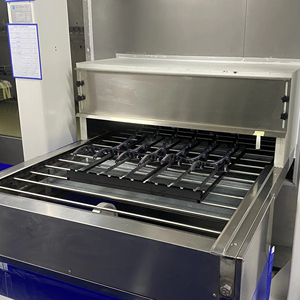
Credit: www.alibaba.com
Alternatives To Powder Coating For Kitchen Use
Choosing the right coating for kitchen ovens is vital for durability and safety. Powder coating may not suit all kitchen applications. Several alternatives offer heat resistance and protect surfaces effectively. These coatings handle high temperatures and resist wear from daily cooking.
High-temperature Paints
High-temperature paints resist heat up to 1200°F or more. They protect metal surfaces from rust and corrosion. These paints dry quickly and maintain color under heat. They come in various colors and finishes. Ideal for oven parts and grills exposed to heat.
Ceramic Coatings
Ceramic coatings provide excellent heat resistance and durability. They form a smooth, hard layer that withstands high temperatures. These coatings are non-toxic and easy to clean. Often used on cookware and oven interiors. Ceramic coatings improve heat distribution and prevent sticking.
Enamel Coatings
Enamel coatings are glass-like and highly heat resistant. They offer a smooth, glossy surface that resists scratches and stains. Enamel is safe for cooking surfaces and easy to maintain. It protects metal from rust and heat damage. Commonly used in kitchen ovens and cookware finishes.
Maintaining Powder Coated Kitchen Items
Maintaining powder coated kitchen items is essential to keep their vibrant finish and durability intact. These coatings resist heat and stains better than many alternatives, but they still need your care to avoid premature wear. Understanding how to clean, protect, and repair these surfaces can extend their life and save you money.
Cleaning Tips
Use mild soap and warm water to clean powder coated surfaces. Harsh chemicals or abrasive scrubbers can dull or scratch the finish, so opt for soft cloths or sponges instead.
Wipe spills promptly to prevent stains from setting in. For stubborn spots, a gentle vinegar solution can help without damaging the coating.
How often do you clean your kitchen tools? Regular cleaning prevents buildup that can degrade the coating over time.
Avoiding Damage
Always handle powder coated items with care to avoid chips or scratches. Avoid dropping heavy pots or utensils on these surfaces.
Do not use metal scouring pads or steel wool. These abrasive materials can easily damage the protective layer.
Ask yourself: Are you using the right utensils and cleaning tools to protect your powder coating? Switching to silicone or wooden tools can reduce wear.
Repairing Coating Flaws
Small chips or scratches can be touched up with a matching powder coat repair kit available online or in hardware stores. Follow the instructions carefully for the best results.
If damage is extensive, professional refinishing might be necessary to restore the surface fully.
Have you noticed any peeling or flaking? Addressing flaws early prevents rust and further damage that could ruin your kitchen items.
Common Mistakes To Avoid
Using a kitchen oven to powder coat can seem simple but often leads to mistakes. These errors reduce the quality and durability of the finish. Avoiding common pitfalls ensures better results and safer use of your equipment.
Using Non-oven-safe Powders
Not all powder coatings can withstand kitchen oven heat. Some powders release toxic fumes or burn at lower temperatures. Choose powders labeled as safe for home ovens only. This prevents health risks and protects your oven from damage.
Incorrect Curing Temperatures
Each powder requires a specific curing temperature. Too low, and the coating won't harden properly. Too high, and the powder can burn or discolor. Use a reliable oven thermometer to maintain the correct heat. Follow the temperature guidelines strictly for a strong finish.
Ignoring Manufacturer Guidelines
Powder coating products come with detailed instructions. Skipping these can cause poor results or safety hazards. Always read and follow the manufacturer’s directions. Pay attention to curing times, temperature, and preparation steps. This ensures the coating performs as expected and lasts longer.

Credit: reliantfinishingsystems.com
Frequently Asked Questions
Can I Use Oven Powder Coat In My Kitchen Oven?
Oven powder coating is not recommended for kitchen ovens. It requires high curing temperatures that typical kitchen ovens cannot safely provide. Using it may damage the appliance or result in poor coating quality. Always opt for coatings specified for kitchen oven use to ensure safety.
Is Kitchen Oven Powder Coat Safe For Cookware?
Kitchen oven powder coating is generally not safe for cookware. It may release harmful fumes when heated. Always check if the powder coat is food-safe and heat-resistant. For cookware, use coatings specifically designed to handle cooking temperatures and food contact.
What Temperature Is Needed For Powder Coating Curing?
Powder coating curing typically requires 300°F to 400°F (150°C to 200°C). Kitchen ovens may not maintain consistent high temperatures needed for proper curing. Insufficient curing can cause coating defects and reduce durability. Use industrial ovens designed for powder coating to ensure quality.
Can I Powder Coat Oven Racks In A Kitchen Oven?
Powder coating oven racks in a kitchen oven is not advisable. Kitchen ovens may not reach the required curing temperature uniformly. This risks uneven coating and potential damage. Use professional powder coating services or industrial ovens for best results.
Conclusion
Using kitchen oven powder coat can protect and improve metal surfaces. It offers a strong, durable finish that resists heat and stains. This coating is safe for kitchen use if applied correctly. Always choose powder coat products made for cookware or food areas.
Proper preparation and curing are essential for lasting results. Powder coating adds style and strength to kitchen items. Consider it a practical choice for metal appliances and tools. Remember, following safety guidelines ensures the best outcome. Powder coating can keep your kitchen gear looking new longer.