
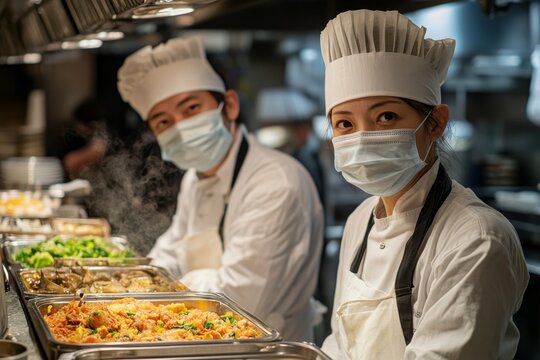
Have you ever wondered if cooks really need to wear masks in the kitchen? Whether you’re a food lover, a home cook, or someone curious about kitchen safety, this question might have crossed your mind.
Masks can feel uncomfortable, but are they necessary to keep your food safe? You’ll discover the reasons behind mask rules in kitchens, how they affect food quality, and what experts say about keeping your meals both delicious and safe. Keep reading to find out if those masks are just a hassle or a must-have in every kitchen.

Credit: www.shutterstock.com
Mask Policies In Kitchens
Mask policies in kitchens have become a hot topic, especially as health concerns continue to evolve. Whether you are a professional cook or a home chef, understanding the rules around wearing masks can impact your daily routine and kitchen safety. Let's look at how these policies are shaped by regulations and vary depending on where you work or live.
Industry Regulations
The food industry often follows strict rules set by governing bodies to ensure safety. Many regulations require cooks to wear masks to prevent contamination from respiratory droplets. This is especially true in large-scale operations like restaurants and catering services where maintaining hygiene is critical.
Some kitchens may also require additional protective gear, such as gloves and hairnets, alongside masks. These rules aim to protect both the food and the staff. Have you noticed how some kitchens strictly enforce these policies while others seem more relaxed?
Health Department Guidelines
Local health departments provide guidelines that kitchens must follow to reduce illness spread. These guidelines often recommend or mandate mask use during outbreaks of contagious diseases. Following these recommendations can help keep both workers and customers safe.
For example, during flu seasons or pandemics, health departments may require masks even if industry regulations don’t. This flexibility means kitchens have to stay updated and ready to adapt their mask policies quickly. Are you prepared to adjust your kitchen habits based on health alerts?
Variations By Location
Mask policies in kitchens can vary widely depending on geographic location. Some countries or states have strict mask mandates, while others leave it up to individual businesses. This variation means what applies in one kitchen might not apply in another just a few miles away.
Climate and cultural attitudes also influence mask use. In places with high humidity or hot weather, wearing masks might be more challenging for cooks. How does your location affect your kitchen mask rules? Understanding local expectations helps you stay compliant and comfortable.
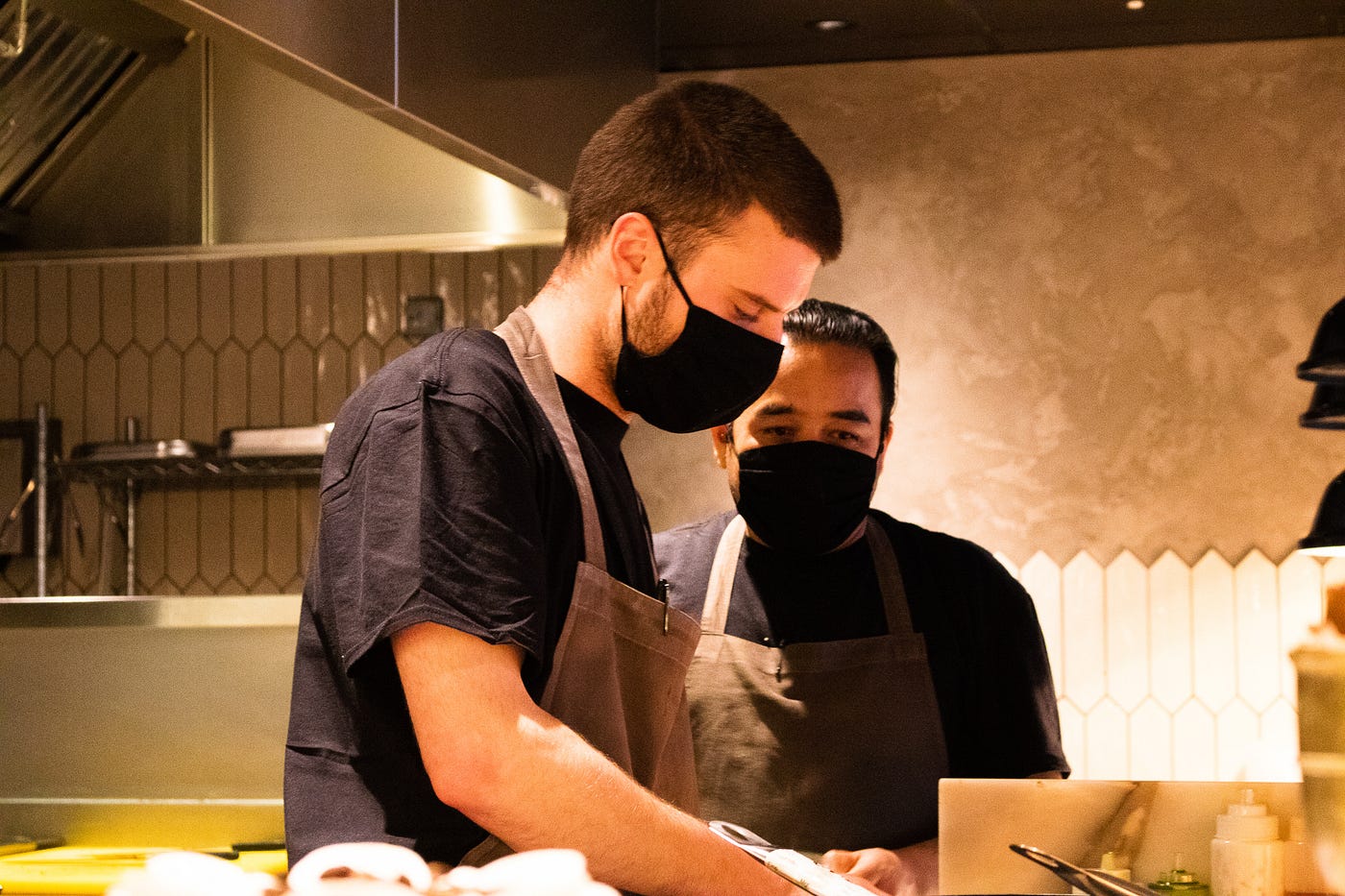
Credit: medium.com
Health Benefits Of Masks For Cooks
Wearing masks in the kitchen is more than just a rule—it's a powerful way to protect both the food you prepare and your own health. Masks serve as a barrier that helps keep kitchens safer and cleaner. Let’s look at how masks benefit cooks in practical, everyday ways.
Preventing Food Contamination
When you cook, tiny droplets from your mouth or nose can easily land on food or surfaces. Masks stop these droplets from spreading, which reduces the risk of food contamination significantly. Have you ever noticed how a simple sneeze or cough could send germs flying? Wearing a mask keeps your meals safer for everyone.
Protecting Against Respiratory Illnesses
Kitchens can be busy, close spaces where viruses spread quickly. Masks help protect you from catching illnesses like colds or the flu while you work. Staying healthy means fewer sick days and more consistent cooking—something every kitchen benefits from.
Reducing Spread Of Germs
You touch many things in the kitchen—utensils, ingredients, and your face. Masks reduce the chance of spreading germs through your breath or accidental coughs. This simple step supports a cleaner environment and shows respect for your colleagues and customers.
Challenges Of Wearing Masks In Kitchens
Wearing masks in the kitchen brings unique challenges that can affect both the comfort and efficiency of cooks. Kitchens are hot, busy environments, and adding a mask into the mix can sometimes feel like an obstacle rather than a help. Understanding these challenges can help you find better ways to work safely without sacrificing performance.
Comfort And Breathability
Masks can quickly become uncomfortable when you’re moving around a hot kitchen. The fabric often traps heat and restricts airflow, making it harder to breathe freely during long shifts.
Many cooks notice that some masks feel too tight or rub against the skin, causing irritation. Choosing masks with breathable materials and adjustable fittings can make a big difference in comfort.
Communication Barriers
Clear communication is essential in a busy kitchen where timing and coordination matter. Masks muffle voices and hide facial expressions, making it harder to understand instructions or warnings.
Have you ever had to repeat yourself several times just to be heard? That’s a common frustration. Using hand signals or walkie-talkies can help bridge this gap when verbal communication falls short.
Heat And Moisture Concerns
The kitchen’s heat combines with your breath to create moisture inside the mask. This can cause the fabric to become damp, which not only feels uncomfortable but can also reduce the mask’s effectiveness.
Some cooks find that switching masks every few hours or using moisture-wicking liners helps manage this problem. It’s worth experimenting with different mask types to find what works best for your kitchen environment.
Credit: www.alibaba.com
Alternatives To Masks In Food Preparation
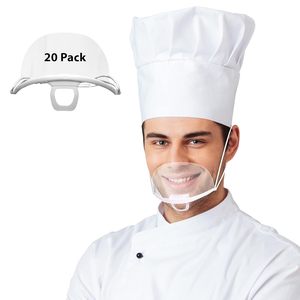
Cooks can use face shields or maintain strict hand hygiene as alternatives to masks in the kitchen. Proper ventilation and physical distancing also help reduce risks without wearing masks.
In kitchens, cooks often wear masks for safety. Masks help reduce the spread of germs. Some cooks find masks uncomfortable. They might look for other options. These alternatives can maintain safety without masks. Let's explore some options.
Face Shields
Face shields cover the entire face. They allow easy breathing. Cooks can see clearly through them. Shields protect from splashes and droplets. They are easy to clean and reuse. Many chefs prefer shields for comfort.
Physical Barriers
Physical barriers are protective screens. They separate cooking areas. Barriers can be made of glass or plastic. They stop germs from spreading. Cooks can work safely without wearing masks. These barriers are common in busy kitchens.
Enhanced Hygiene Practices
Good hygiene reduces the need for masks. Cooks wash hands regularly. They keep surfaces clean. Sanitizing tools is essential. Keeping a clean kitchen prevents contamination. This practice ensures food safety and health.
Best Practices For Mask Use In Culinary Settings
Maintaining mask use in kitchens helps keep food safe and staff healthy. Following best practices ensures masks serve their purpose without disrupting kitchen work. Proper mask use reduces contamination risks and supports hygiene standards.
Choosing The Right Mask
Pick masks that fit well and cover nose and mouth completely. Use masks made from breathable, moisture-resistant materials. Surgical masks or high-quality cloth masks work best in kitchens. Avoid masks with valves that release unfiltered air.
Proper Mask Handling
Wash hands before putting on or removing masks. Touch only the ear loops or ties to avoid contamination. Replace masks if they become wet or dirty during shifts. Store clean masks in a dry, safe place. Dispose of single-use masks properly after use.
Training And Compliance
Train kitchen staff on why masks matter for food safety. Show correct ways to wear and remove masks. Monitor mask use regularly to ensure compliance. Encourage staff to speak up if masks cause discomfort or issues. Reinforce mask policies through clear, simple rules.
Impact Of Mask Use On Kitchen Operations
Mask use in kitchens affects daily operations in many ways. It changes how employees work and how customers feel about the food service. Kitchens must balance safety and efficiency to keep running smoothly.
Employee Comfort And Productivity
Wearing masks for long hours can cause discomfort. Some cooks feel hot or find it hard to breathe easily. This can lower their focus and slow down work. Staff may take more breaks or need time to adjust. Proper mask fit and breathable materials help improve comfort. Employers must support workers to maintain productivity.
Customer Perceptions
Customers notice when kitchen staff wear masks. Many see it as a sign of cleanliness and care. It builds trust and confidence in food safety. Some may worry about food quality or communication barriers. Clear communication about safety steps reassures customers. Mask use can improve the restaurant’s reputation for hygiene.
Adapting To Safety Protocols
Kitchens adjust routines to fit mask rules. Staff learn new ways to communicate without removing masks. Kitchens organize shifts and workspaces to reduce crowding. Training sessions help employees follow safety guidelines correctly. These changes create a safer environment for everyone. Adaptation takes effort but protects health and business.
Frequently Asked Questions
Do Cooks Legally Have To Wear Masks In Kitchens?
Mask requirements for cooks depend on local health regulations and COVID-19 guidelines. Many areas recommend or mandate masks to reduce virus spread. Restaurants may also set their own policies to protect staff and customers. Always check current rules for your location and establishment.
How Do Masks Affect Cooks’ Performance In Kitchens?
Masks can slightly impact breathing and communication but generally do not hinder cooking tasks. Proper mask fit and material help maintain comfort. Many cooks adapt quickly, ensuring safety without compromising food preparation quality or speed.
Are Masks Necessary For Food Safety In Kitchens?
Masks help prevent respiratory droplets from contaminating food and surfaces. While good hygiene and handwashing are crucial, masks add an extra layer of protection. They reduce the risk of spreading illnesses, promoting a safer kitchen environment for staff and diners.
Can Cooks Remove Masks When Cooking Hot Food?
Cooks should keep masks on while preparing food, even with heat present. Masks protect against airborne germs and do not pose a safety risk near hot items. Removing masks increases contamination risk and is generally discouraged in professional kitchens.
Conclusion
Cooks wearing masks helps keep kitchens safe and clean. Masks reduce the spread of germs while cooking food. Many health rules require masks in busy kitchens. Some places may not need masks, depending on local laws. Wearing a mask also shows care for others’ health.
It creates trust between cooks and customers. Following mask rules keeps everyone healthier and happier. Simple steps like this protect food and people alike. Safety in the kitchen always comes first.