
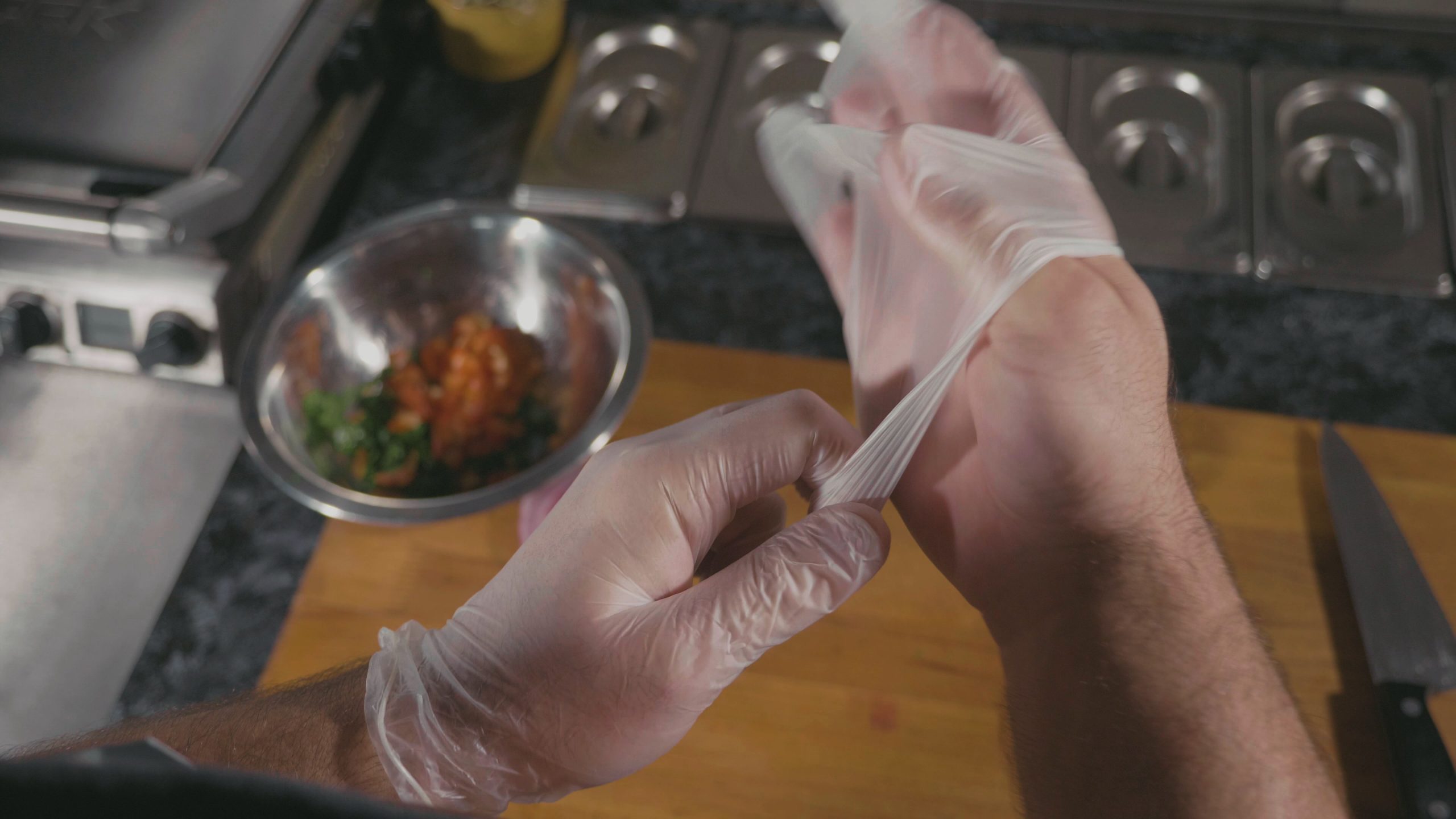
Have you ever wondered if you should be wearing gloves while cooking? Knowing exactly when to wear gloves in the kitchen can protect your hands and keep your food safe.
But the rules aren’t always clear. Should you wear gloves while chopping vegetables? What about handling raw meat? This article will help you understand the right moments to put on gloves, so you can cook confidently and keep your kitchen clean.
Keep reading to find out how a simple pair of gloves can make a big difference in your cooking routine.
Credit: www.temu.com
Gloves For Food Safety
Wearing gloves in the kitchen plays a key role in maintaining food safety. They act as a barrier between your hands and the food, helping to reduce the spread of harmful bacteria and other contaminants. Understanding when and how to use gloves correctly can protect you and those enjoying your cooking.
Preventing Cross-contamination
Cross-contamination happens when bacteria or allergens transfer from one surface or food item to another. Gloves can help stop this if you change them between tasks.
For example, if you handle raw chicken and then touch salad ingredients without changing gloves, you risk contaminating the salad. Always switch gloves after touching raw foods or anything that might carry germs.
Handling Raw Meat And Seafood
Raw meat and seafood often carry bacteria like Salmonella or E. coli. Wearing gloves when handling these foods keeps your hands safe from direct contact with these harmful germs.
But remember, gloves are not a substitute for washing your hands. Always wash your hands before putting on gloves and after taking them off. This double protection keeps your kitchen safer.
Working With Ready-to-eat Foods
Ready-to-eat foods like sandwiches or salads don't require cooking to kill bacteria. This means any germs on your hands can easily transfer to these foods.
Wearing gloves while preparing ready-to-eat items cuts down this risk. Change gloves often and avoid touching your face or other surfaces to keep these foods safe.
Protecting Hands From Heat And Chemicals
Protecting your hands from heat and chemicals in the kitchen is crucial for safe and comfortable cooking. Burns and skin irritation can easily ruin your day and your ability to prepare meals. Knowing when to wear gloves can prevent painful accidents and keep your hands healthy over time.
Using Heat-resistant Gloves
Heat-resistant gloves are essential when handling hot pots, pans, or baking trays. These gloves provide a strong barrier against burns and allow you to confidently move hot items without hesitation.
Look for gloves made from materials like silicone or aramid fibers, which can withstand high temperatures. Avoid using regular dishwashing gloves for heat protection—they aren’t designed for such intense heat and can fail unexpectedly.
Have you ever grabbed a hot pan with bare hands and regretted it instantly? Investing in quality heat-resistant gloves can save you from that shock. Keep them near your stove or oven for quick access.
Handling Cleaning Chemicals Safely
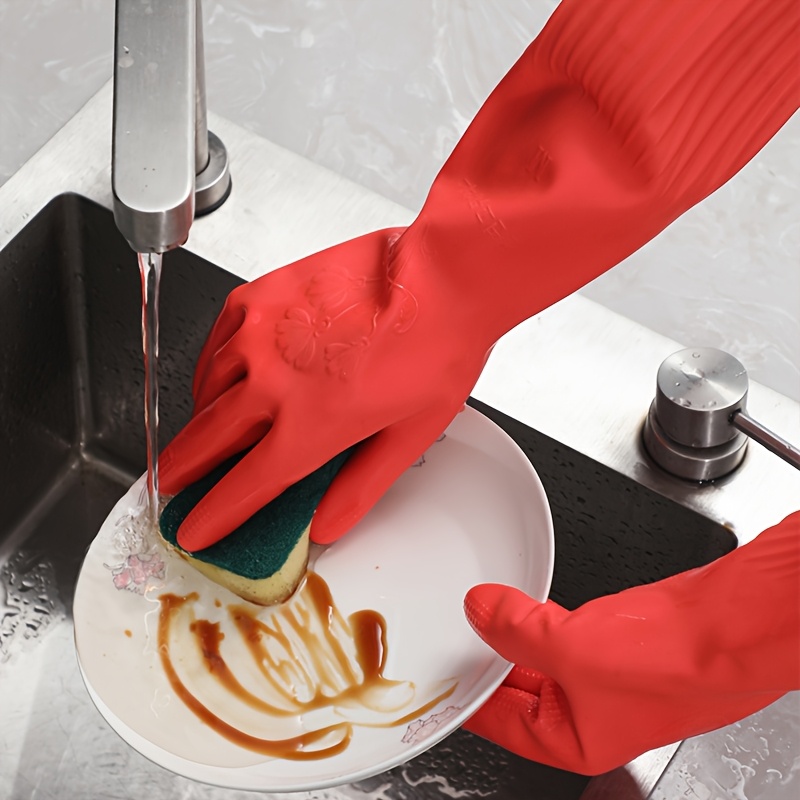
Many kitchen cleaning products contain harsh chemicals that can irritate or damage your skin. Wearing gloves during cleaning tasks protects your hands from dryness, redness, and chemical burns.
Use gloves made of nitrile or latex for chemical resistance, but check for allergies before picking latex. Also, make sure gloves fit well to maintain dexterity and avoid accidents.
Cleaning your kitchen after cooking is necessary, but are you protecting your hands properly? Gloves act as a shield between your skin and strong detergents or bleach, preserving your skin’s health.
Choosing The Right Gloves
Choosing the right gloves is key for safety and hygiene in the kitchen. Gloves protect hands and help prevent food contamination. Picking gloves depends on the task and the type of food handled. Understanding different materials and glove types helps make the best choice.
Material Types And Their Uses
Gloves come in various materials. Each suits different kitchen tasks and food types. Here are common materials:
- Latex:Flexible and fits snugly. Good for delicate tasks but can cause allergies.
- Nitrile:Strong and chemical resistant. Ideal for handling raw meat and cleaning.
- Vinyl:Affordable and loose-fitting. Best for short tasks with low risk of contamination.
- Polyethylene:Lightweight and disposable. Suitable for quick food prep and serving.
Choose gloves based on comfort, protection, and the kitchen job.
Disposable Vs Reusable Gloves
Disposable gloves offer convenience and hygiene. Use them for tasks with high contamination risk. Throw them away after one use to avoid cross-contamination.
Reusable gloves are thicker and made for heavy-duty jobs. Ideal for washing dishes or handling harsh chemicals. Clean and dry them properly to keep safe.
Both types have their place. Match glove type to the kitchen activity for best results.

Credit: www.reddit.com
Proper Glove Hygiene
Proper glove hygiene in the kitchen ensures food safety and cleanliness. Gloves protect hands from direct contact with food and prevent cross-contamination. Yet, improper use can lead to hygiene issues. Knowing when to change gloves and avoiding common mistakes is key.
When To Change Gloves
Changing gloves regularly keeps the kitchen safe and clean. Replace gloves after handling raw meat or seafood. This prevents harmful bacteria transfer. Switch gloves when moving between different food types. This includes switching from vegetables to ready-to-eat foods. Change gloves if they become torn or dirty. A fresh pair reduces contamination risks.
Avoiding Common Mistakes
Avoid wearing gloves for long periods without changing. This can lead to bacteria buildup. Never wash and reuse disposable gloves. This compromises their protective barrier. Ensure gloves fit properly. Loose gloves can cause accidents or contamination. Store gloves in a clean, dry place. This keeps them free from bacteria before use.
Gloves And Food Allergies
Gloves play a crucial role in managing food allergies in the kitchen. Using gloves properly can stop allergens from spreading and keep everyone safe. But it’s not just about putting on gloves; understanding when and how to use them is key to preventing allergic reactions.
Preventing Allergen Transfer
Gloves act as a barrier between your hands and allergenic foods like nuts, shellfish, or dairy. If you handle these ingredients, wearing gloves helps stop the allergens from spreading to other foods or surfaces.
Always change gloves after touching allergenic ingredients. Reusing the same gloves can transfer allergens and cause cross-contamination. Think about how often you touch different items—do you change gloves as frequently as you should?
Also, wash your hands before putting on gloves. This extra step reduces the chance of allergens sticking to the gloves. Remember, gloves are not foolproof; they work best combined with good hygiene.
Special Considerations For Allergy Safety
Not all gloves are created equal. Some people may react to latex gloves, so using nitrile or vinyl gloves is safer in kitchens serving those with latex allergies. Choose gloves that fit well and don’t tear easily during food prep.
Glove use should be part of a larger allergy safety plan. Label allergen-free zones clearly and keep allergenic ingredients separate. How do you currently manage allergen risks in your kitchen? Could gloves be your first line of defense?
Training your team on the proper glove use and allergen handling is essential. Even one slip-up can cause a serious allergic reaction. Make glove use a habit, not an afterthought, to protect your customers and yourself.
Credit: www.performancefoodservice.com
Frequently Asked Questions
When Should You Wear Gloves In The Kitchen?
Wear gloves when handling raw meat, seafood, or ready-to-eat foods. Gloves prevent cross-contamination and protect against bacteria. Use them during food prep and serving to maintain hygiene and food safety.
Can Gloves Prevent Food Contamination In Kitchens?
Yes, gloves reduce the risk of contaminating food with germs. They create a barrier between hands and food. Proper glove use, combined with handwashing, keeps kitchens cleaner and safer.
Are Gloves Necessary When Handling Hot Foods?
Gloves are not heat-resistant unless specifically designed for heat protection. Use oven mitts or heat-resistant gloves for hot foods. Food handling gloves mainly protect against contamination, not burns.
How Often Should Kitchen Gloves Be Changed?
Change gloves after handling different food types or when they become torn or dirty. Frequent glove changes prevent bacteria transfer and ensure hygiene. Never reuse disposable gloves to maintain safety.
Conclusion
Wearing gloves in the kitchen helps keep food safe and clean. Use gloves when handling raw meat or fish to avoid germs. Change gloves often to stop spreading bacteria. Gloves protect your hands from hot or spicy ingredients too. Remember, gloves are not a replacement for washing hands.
Always wash your hands before and after using gloves. Following these tips keeps your kitchen safe and healthy. Gloves are a simple tool to make cooking safer for everyone.