
Have you ever wondered if your kitchen towels can be cleaned in the dishwasher? You use them every day to wipe spills, dry dishes, and handle food, so keeping them fresh is important.
But is the dishwasher a good way to clean them, or could it cause more harm than good? You’ll discover the surprising truth about washing kitchen towels in your dishwasher. By the end, you’ll know exactly how to keep your towels spotless and ready for your next cooking session.
Keep reading to find out what really works for your kitchen towels!
Credit: ecologieliving.com
Dishwasher Basics
Understanding dishwasher basics helps in deciding if kitchen towels can be cleaned inside. Dishwashers use water, heat, and detergent to remove food and grime from dishes. Knowing how they work clarifies their cleaning power and limits.
How Dishwashers Work
Dishwashers spray hot water mixed with detergent onto items. Rotating spray arms push water to reach all surfaces. Heating elements raise water temperature for better cleaning. After washing, a rinse cycle removes leftover detergent. Finally, warm air dries the dishes.
Common Uses For Dishwashers
Dishwashers clean plates, glasses, pots, and utensils. They remove food stains and grease efficiently. Most people avoid washing fabrics or soft items in dishwashers. Hard, non-porous items do best in dishwashers. Kitchen towels usually need different care due to fabric type.
Kitchen Towels Material
Understanding the material of your kitchen towels is key to deciding if they can be safely washed in a dishwasher. Different fabrics react differently to heat, water pressure, and detergents, which can affect their cleanliness and longevity. Knowing what your towels are made of helps you choose the right cleaning method and avoid damage.
Types Of Kitchen Towels
Kitchen towels come in various materials, each with unique properties. The most common types include:
- Cotton:Soft, absorbent, and widely used for everyday kitchen tasks.
- Linen:Stronger and dries faster than cotton, but can be less absorbent.
- Microfiber:Synthetic, highly absorbent, and quick-drying, ideal for streak-free drying.
- Blends:Combinations like cotton-polyester blends add durability and reduce wrinkles.
Each fabric responds differently to dishwasher conditions, so identifying your towel type is the first step.
Durability Of Different Fabrics
Cotton towels are durable but may shrink or fade when exposed to high dishwasher temperatures. Linen holds up well to heat but might become stiff after multiple cycles. Microfiber towels can melt or lose their fibers due to harsh dishwasher detergents.
From my experience, cotton towels survive occasional dishwasher washes but require air drying to avoid stiffness. If you have microfiber towels, avoid the dishwasher entirely—they do better with gentle machine or hand washing.
Ask yourself: Is the convenience of using your dishwasher worth the potential wear on your towels? Sometimes, sticking to traditional washing methods can save you money and keep your towels looking fresh longer.
Washing Towels In A Dishwasher
Washing towels in a dishwasher is a question many wonder about. Dishwashers clean dishes using hot water and strong detergents. This process differs from washing machines designed for fabrics. Understanding this difference helps decide if dishwashers are suitable for kitchen towels.
Some believe dishwashers save time and water by cleaning towels along with dishes. Others worry about damage to the towel’s fabric or hygiene issues. The idea sounds convenient but needs careful thought before trying.
Feasibility And Risks
Dishwashers use high heat and powerful sprays. These can be too harsh for towels. The fabric may wear out faster or shrink. The rough washing action can cause damage to fibers.
Dishwashers do not rinse detergents as well as washing machines. Soap residue may remain in the towel. This can cause skin irritation or bad smells. Towels might not dry properly inside a dishwasher. Damp towels encourage mold growth.
There is also the risk of cross-contamination. Dirty dishes and towels share space. This could spread bacteria rather than remove it. Towels need thorough cleaning and rinsing, not guaranteed in a dishwasher.
Step-by-step Process
- Choose only small, lightly soiled towels to try washing.
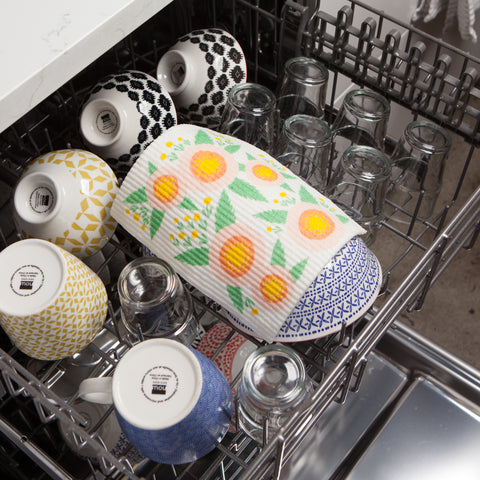
- Place towels flat on the top rack to avoid blocking spray arms.
- Use a mild detergent and select a gentle or low-heat cycle.
- Skip the heated drying option to prevent fabric damage.
- After the cycle, remove towels immediately to air dry fully.
- Check towels for any detergent residue before reuse.
- Repeat only if towels show no signs of damage or smell.
Using a dishwasher for towels is possible but not ideal. It suits emergency use or very light cleaning. For regular cleaning, a washing machine remains the best choice.
Pros And Cons
Many wonder about washing kitchen towels in a dishwasher. This unconventional method has its own pros and cons. Understanding these can help you make an informed choice.
Advantages Of Using A Dishwasher
Using a dishwasher for kitchen towels offers convenience. You can clean several towels at once. No need to wait for a washing machine load. This saves time, especially for busy households. Dishwashers also use hot water, which can sanitize the towels effectively. This can help in reducing germs and bacteria. The process is mostly automated, reducing manual effort significantly.
Potential Drawbacks
There are some drawbacks to using a dishwasher for towels. Dishwashers can be rough on fabric, leading to wear and tear. Kitchen towels might not dry completely in a dishwasher. This might leave them slightly damp, which can lead to musty smells. Food particles from dishes can sometimes stick to towels. This can defeat the purpose of cleaning them. Finally, the dishwasher's detergent might not be suitable for fabric.
Alternative Cleaning Methods
Finding the right way to clean your kitchen towels can be tricky, especially if you're wondering whether a dishwasher can do the job. While dishwashers aren't designed for fabrics, there are alternative cleaning methods that work well and keep your towels fresh and long-lasting. Let’s look at some practical ways you can wash your kitchen towels effectively.
Machine Washing Tips
Machine washing is the most common and effective way to clean kitchen towels. Use hot water to kill germs and remove stains, but check the care label first to avoid damage. Adding a cup of white vinegar during the rinse cycle can help eliminate odors and soften the fabric naturally.
Use a mild detergent and avoid fabric softeners, which can reduce the towel's absorbency. Washing towels separately prevents lint from other clothes sticking to them. How often do you wash your towels? Washing them every 2-3 days keeps bacteria from building up.
Hand Washing Best Practices
If you prefer hand washing, soak your towels in hot water mixed with a bit of detergent for at least 30 minutes. Scrub any stubborn stains gently using a soft brush or your hands. Rinse thoroughly with clean water to remove all soap residues.
To disinfect, add a small amount of bleach or baking soda during soaking—just be sure to rinse well afterward. Hang towels in direct sunlight to dry, as sunlight naturally kills bacteria and freshens fabrics. Have you noticed how much brighter and fresher towels smell after drying in the sun?
Credit: www.housework.com
Maintaining Kitchen Towels
Maintaining kitchen towels keeps them fresh and ready for daily use. Clean towels prevent bad odors and bacteria growth. Proper care extends their life and keeps them looking good.
Stain Removal Techniques
Act fast on stains to stop them from setting. Use cold water to rinse fresh stains right away. For tough spots, apply a small amount of liquid detergent directly. Let it sit for 10 to 15 minutes before washing.
For stubborn stains, try soaking towels in a mixture of warm water and baking soda. Another option is using white vinegar to break down stains and odors. Avoid bleach often as it can weaken fabric fibers over time.
Proper Drying And Storage
Dry towels completely after washing to avoid mold and mildew. Use a high heat setting in the dryer or hang towels outside. Make sure towels are fully dry before folding or storing.
Store towels in a clean, dry place. Avoid overcrowding storage spaces to keep towels fresh. Rotate towels regularly to ensure even use and cleaning.

Credit: food52.com
Frequently Asked Questions
Can Kitchen Towels Be Washed In A Dishwasher Safely?
Yes, kitchen towels can be washed in a dishwasher safely. Use a high-temperature setting to kill bacteria. Avoid mixing towels with dishes to prevent lint transfer. Dishwashers sanitize towels but may not remove heavy stains effectively.
Does Washing Towels In A Dishwasher Sanitize Them?
Washing towels in a dishwasher sanitizes them well due to high heat. The hot water and steam kill most germs. However, it may not clean deep stains or heavy dirt as thoroughly as a washing machine.
Will A Dishwasher Remove Stains From Kitchen Towels?
A dishwasher may not effectively remove tough stains from kitchen towels. Dishwashers focus on sanitizing rather than stain removal. For heavy stains, pre-treat towels or use a washing machine for better results.
Is It Energy Efficient To Wash Towels In A Dishwasher?
Washing towels in a dishwasher is generally less energy-efficient than a washing machine. Dishwashers use more water and energy per load. For multiple towels, a washing machine is more practical and eco-friendly.
Conclusion
Washing kitchen towels in a dishwasher is not the best choice. Dishwashers focus on cleaning dishes, not fabrics. Towels may not get fully clean or dry properly. This can cause smells or bacteria to stay. Using a washing machine is safer and more effective.
It cleans towels deeply and keeps them fresh. Always follow towel care labels for best results. Clean towels help keep your kitchen hygienic and safe. Choose the right method to keep your kitchen towels clean and ready.