
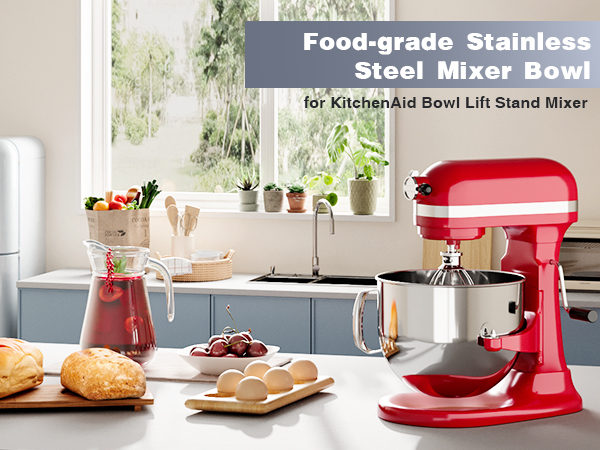
If you own a KitchenAid Lift Stand Mixer, you might wonder if you can use bowls other than the one it came with. Maybe you want a bigger bowl for large batches or a different material for special recipes.
Using the right bowl can make your cooking easier and more enjoyable. But is it safe to switch bowls? Will other bowls fit properly and work well with your mixer? Keep reading to find out everything you need to know before trying a different bowl with your KitchenAid Lift Stand Mixer.
This could save you time, money, and frustration in your kitchen.
Credit: www.costco.com
Compatibility Of Kitchenaid Lift Stand Mixer Bowls
The compatibility of KitchenAid Lift Stand Mixer bowls is an important factor to consider if you want to expand your kitchen tools or replace a damaged bowl. Understanding which bowls fit your mixer model can save you time and money while ensuring smooth operation. Let’s break down the key aspects that determine bowl compatibility so you can make the best choice for your baking and cooking needs.
Standard Bowl Sizes
KitchenAid Lift Stand Mixers typically come with bowls in standard sizes like 4.5, 5, or 6 quarts. Each size is designed to handle a specific amount of ingredients, so swapping bowls of different sizes can affect mixing performance.
If you own a 5-quart mixer, using a 6-quart bowl might not attach securely, while a smaller bowl could limit your batch size. Always check your mixer's model specifications to match the bowl size accurately.
Material Variations
You’ll find KitchenAid bowls made from stainless steel, glass, and even ceramic. Stainless steel bowls are the most common and durable, offering excellent resistance to stains and odors.
Glass bowls allow you to see the mixing process, which can be handy for monitoring consistency. Ceramic bowls add a stylish touch but may be heavier and require careful handling to avoid chips.
Think about what material fits your cooking style and maintenance preferences. Have you ever struggled with a bowl that stained or retained odors? Choosing the right material can make all the difference.
Bowl Attachment Mechanism
The way a bowl attaches to your KitchenAid Lift Stand Mixer is crucial for safety and efficiency. Most models use a twist-and-lock system that securely holds the bowl in place during mixing.
Bowls designed for a specific lift mixer model won’t always fit others, even if the size and shape look similar. The attachment points and locking mechanisms vary slightly between models.
Before investing in a new bowl, test how it fits your mixer or consult the manufacturer’s compatibility chart. This small step can prevent wobbling or accidental detachment during use.
Types Of Bowls Compatible With The Lift Stand Mixer
The Kitchen Aid Lift Stand Mixer is a versatile tool in any kitchen, but the question of bowl compatibility often arises. Using the right bowl can affect not only the mixer’s performance but also the ease of your cooking process. Let’s take a closer look at the types of bowls you can use with this mixer and what you should consider for each option.
Stainless Steel Bowls
Stainless steel bowls are the standard choice for the Kitchen Aid Lift Stand Mixer. They are durable, lightweight, and resist stains and odors. If you’re mixing heavy dough or large batches, stainless steel provides excellent stability and is easy to clean.
One thing to keep in mind is that these bowls don’t allow you to see the contents while mixing. Have you ever wished you could watch your batter rise without stopping the mixer? That’s where other bowl options come in.
Glass Bowls
Glass bowls offer the advantage of visibility. You can monitor your ingredients without pausing your work, which helps prevent overmixing. They’re also microwave safe, so you can melt butter or warm ingredients directly in the bowl.
However, glass bowls tend to be heavier and more fragile. If you often multitask in the kitchen, you might want to handle them with extra care to avoid accidents.
Ceramic Bowls
Ceramic bowls bring a stylish look to your kitchen and provide excellent heat retention. They’re great for recipes that require slow and even mixing or for serving directly from the bowl. Plus, many ceramic bowls come with decorative designs that brighten up your workspace.
But keep in mind, ceramic is prone to chipping or cracking if dropped. Also, these bowls may not fit all Kitchen Aid Lift Stand Mixer models, so double-check compatibility before buying.
Specialty Bowls
Some brands offer specialty bowls designed for specific purposes, like dough rising or batter chilling. These bowls may feature insulation or non-stick coatings to make your baking easier. They can be a real time-saver if you frequently make specific recipes.
Before investing in a specialty bowl, ask yourself: Will this bowl fit the mixer securely? And does its material match the tasks you perform most often? Choosing the right specialty bowl can enhance your baking efficiency significantly.
Using Bowls From Other Kitchenaid Models
Using bowls from other KitchenAid models with your Lift Stand Mixer might seem like a convenient option, especially if you already own multiple mixers. But mixing and matching parts isn't always straightforward. Understanding the differences and compatibility issues can save you frustration and ensure your mixer works safely and efficiently.
Classic Vs. Lift Stand Mixer Bowls
Classic KitchenAid mixers typically use tilt-head designs, while Lift Stand Mixers feature a bowl-lift mechanism. This difference affects how the bowl locks into place. Bowls for Classic models often have a different locking system and shape compared to Lift Stand bowls.
For example, the Classic bowls usually have a more straightforward fit with the mixer base. Lift Stand Mixer bowls are designed to work with the height adjustment and locking arms of the stand. Using a Classic bowl on a Lift Stand Mixer may cause instability or improper locking, which can be risky during operation.
Compatibility Challenges
One challenge is the bowl's attachment points. Lift Stand Mixer bowls have specific tabs that lock securely into the mixer’s base. Bowls from other models might not align perfectly, leading to wobbling or even detachment while mixing.
Another issue is the bowl's size and shape. Some KitchenAid models have slightly different bowl depths or diameters. Even if a bowl fits physically, it may interfere with the movement of the mixing attachments or the lift mechanism.
Tips For Safe Use
- Check the model number:Always verify if the bowl model matches your Lift Stand Mixer’s specifications before using it.
- Test stability:Place the bowl on the mixer and gently lift or shake it to ensure it locks firmly and doesn’t wobble.
- Monitor mixing:Start mixing at low speed when using a non-standard bowl to watch for any unusual noises or movements.
- Avoid forcing:Never force a bowl into place. If it doesn’t fit easily, it probably isn’t compatible.
- Consult KitchenAid support:When in doubt, reach out to KitchenAid for guidance on bowl compatibility.
Have you ever tried fitting a bowl from one model to another and noticed unexpected issues? Sharing your experience can help others avoid similar pitfalls and make the most of their mixers safely.

Credit: www.amazon.com
Third-party And Aftermarket Bowls
When considering third-party and aftermarket bowls for the KitchenAid Lift Stand Mixer, many options exist. These bowls offer a chance to personalize your mixer. They come in various materials, colors, and styles. But choosing the right one involves more than aesthetics.
Quality Considerations
Quality matters when selecting a third-party bowl. High-quality materials ensure durability. Stainless steel and glass are popular choices. They resist wear and tear well. Always check the bowl's thickness and finish. A well-made bowl enhances your mixer's performance.
Fit And Seal Issues
Fit is crucial for mixing efficiency. A poorly fitting bowl can disrupt the process. Check the dimensions carefully. The bowl should snugly fit the mixer base. Seal is another aspect to consider. A good seal prevents spills and ensures even mixing.
Warranty Implications
Using third-party bowls may affect your warranty. KitchenAid's warranty might not cover non-original parts. Always read the warranty details thoroughly. Choose wisely to avoid unexpected costs. Consider contacting the manufacturer for more information.
How To Identify The Right Bowl For Your Mixer
Choosing the right bowl for your KitchenAid Lift Stand Mixer is more than just picking a container that fits. The right bowl affects your mixer's performance and your cooking results. Knowing how to identify the correct bowl can save you time and prevent damage to your mixer.
Measuring Bowl Dimensions
Start by measuring your current mixer's bowl. Note the diameter at the top, the width at the base, and the height. These dimensions help you find bowls that fit snugly without wobbling or being too tight.
Use a tape measure or ruler to get accurate numbers. Write them down and compare with any new bowls you consider. Remember, even a small difference can affect how the bowl locks into the mixer base.
Checking Manufacturer Recommendations
Always check what KitchenAid recommends for your model. The manual or the official website lists compatible bowl sizes and types. Following these guidelines ensures safety and optimal performance.
If you want to try a third-party bowl, look for those labeled specifically for KitchenAid Lift Stand Mixers. Some bowls might fit physically but miss key design features, like the locking mechanism or proper clearance for attachments.
Testing Bowl Stability
Once you have a potential bowl, test its stability on your mixer base. Place the bowl in position and try twisting it slightly to see if it locks firmly. A stable bowl won’t move during mixing, which prevents spills and damage.
Also, check how the bowl sits when the mixer arm lowers. It should clear all parts without hitting or scraping. If it wobbles or catches, it’s not the right fit—even if the size seems correct.
Maintenance And Care For Different Bowl Types
Taking good care of different bowl types for your Kitchen Aid Lift Stand Mixer keeps them working well. Proper maintenance helps avoid wear and tear. It also keeps your mixer safe and clean for every use. Each bowl material needs special handling to last longer.
Cleaning Tips
- Use warm, soapy water for most bowls.
- Stainless steel bowls can go in the dishwasher safely.
- Hand wash glass and ceramic bowls to avoid cracks.
- Dry bowls completely before storing to stop rust or stains.
- Use a soft sponge to prevent scratches on all surfaces.
Avoiding Damage
- Do not use metal tools on non-metal bowls.
- Handle glass bowls carefully to avoid chips or breaks.
- Check for cracks or dents before using the bowl.
- Match bowl size exactly to the mixer for safe operation.
- Keep bowls away from sudden temperature changes to prevent damage.
Storage Suggestions
- Store bowls in a dry, cool place to keep them fresh.
- Stack bowls carefully to avoid scratches or cracks.
- Use bowl covers to protect from dust and dirt.
- Keep bowls separate from heavy or sharp objects.
- Label bowls if you have many types for easy use.
Troubleshooting Bowl Compatibility Problems
Using different bowls with your Kitchen Aid Lift Stand Mixer can sometimes lead to compatibility issues. Identifying and fixing these problems quickly helps you get back to mixing without frustration. Let’s look at how to spot common issues and what you can do to solve them.
Common Issues
- Bowl not locking properly:This happens when the bowl doesn’t sit firmly in place, causing it to wobble or fall during mixing.
- Attachments not fitting:Some bowls may have different shapes or sizes, making it hard for attachments to connect correctly.
- Motor strain or unusual noises:Using a bowl that’s too large or heavy can put extra pressure on your mixer’s motor.
- Uneven mixing:If the bowl’s shape differs from the original, the beaters might miss parts of the mixture.
Quick Fixes
Try these simple solutions before considering a replacement bowl or professional help:
- Check if the bowl is seated correctly on the base; sometimes a slight adjustment can lock it in place.
- Clean the bowl and mixer base thoroughly—residue or moisture can prevent a secure fit.
- Test with your original bowl to rule out mixer issues; if the problem goes away, the bowl is likely the cause.
- Ensure attachments are designed to fit your specific mixer model; generic parts may not work properly.
- Use bowls recommended by Kitchen Aid or those with similar dimensions and locking mechanisms.
When To Contact Support
If you’ve tried these fixes and still face problems, it might be time to ask for professional help. Persistent motor strain or unusual noises could indicate damage or mechanical issues. Also, if your mixer won’t recognize the bowl or attachments despite correct installation, support can guide you on compatibility or repairs.
Have you ever struggled with a bowl that just wouldn’t fit right? Sharing your experience can help others avoid the same trouble. What solutions worked best for you?
Credit: www.costco.com
Frequently Asked Questions
Can Kitchenaid Lift Mixers Use Non-original Bowls?
KitchenAid lift stand mixers are designed for specific bowl types. Using non-original bowls may cause improper fitting and affect performance. It’s best to use official KitchenAid bowls to ensure safety and optimal mixing results.
Are All Kitchenaid Bowls Interchangeable Between Models?
Not all KitchenAid bowls fit every mixer model. Compatibility depends on the mixer’s size and design. Always check your model’s specifications before purchasing an additional or replacement bowl to avoid fitting issues.
What Materials Are Kitchenaid Mixer Bowls Made Of?
KitchenAid mixer bowls come in stainless steel, glass, and ceramic. Each material offers different benefits, like durability or aesthetic appeal. Choose the bowl type that suits your cooking needs and mixer compatibility.
Can I Use A Larger Or Smaller Bowl On My Mixer?
Using a bowl size different from your mixer’s recommended size can cause stability issues. It may also affect the mixing efficiency. Always use the bowl size specified for your KitchenAid mixer model.
Conclusion
The KitchenAid Lift Stand Mixer works best with its own bowls. Using other bowls can cause fit and safety issues. Its design matches specific bowl shapes and sizes. Choosing the right bowl helps the mixer perform well. Avoid mixing with bowls that don’t lock in place.
This keeps your kitchen safe and your baking easy. Always check your mixer’s manual for bowl options. That way, you get good results every time you cook. Simple care and the right bowl make a big difference.