
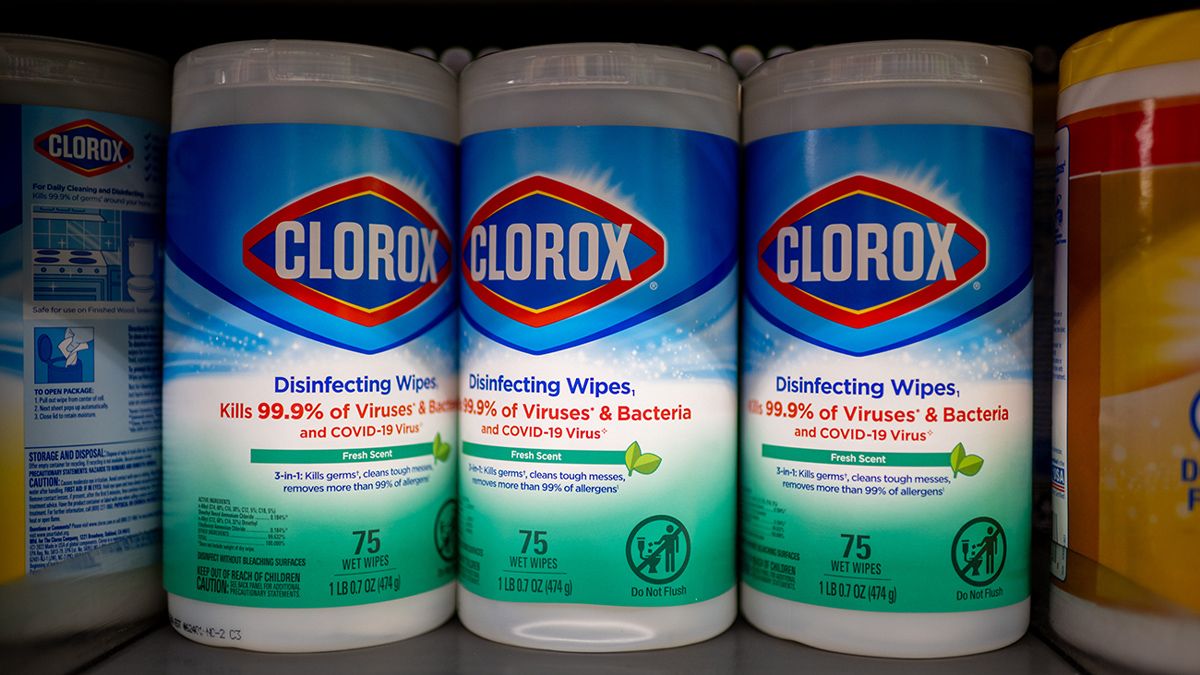
You want your kitchen appliances to stay clean and germ-free, but you might wonder if Clorox wipes are the right choice. Can you safely use them without damaging your appliances?
Or could they leave behind harmful residues? You’ll discover exactly how Clorox wipes interact with different kitchen surfaces. By the end, you’ll know the best way to keep your appliances spotless and safe—without any guesswork. Keep reading to protect your kitchen and make cleaning easier than ever.
Clorox Wipes And Kitchen Surfaces
Clorox wipes are a popular choice for quick cleaning in the kitchen, but you might wonder how safe they are for your appliances and surfaces. Knowing where and how to use them can keep your kitchen both spotless and damage-free. Let’s look closely at which kitchen surfaces work well with Clorox wipes and which ones you should avoid.
Materials Compatible With Clorox Wipes
Clorox wipes are great for many common kitchen materials. They work well on:
- Stainless steel:Easily removes fingerprints and smudges without harming the finish.
- Glass:Perfect for wiping down appliance screens or glass stovetops without leaving streaks.
- Plastic and laminate countertops:Effective for quick disinfecting and cleaning.
- Sealed granite or quartz countertops:Safe to use occasionally, but frequent use might dull the sealant.
These wipes kill germs fast, making them handy for daily surface cleaning. Have you ever noticed how a quick wipe can instantly refresh your kitchen’s look?
Surfaces To Avoid
Not all materials react well to the chemicals in Clorox wipes. Avoid using them on:
- Unsealed wood or butcher block:The moisture and chemicals can cause warping or discoloration.
- Aluminum or non-stick cookware:They might strip protective coatings or leave residue.
- Natural stone surfaces without sealant:Acidity in wipes can etch and dull the stone.
- Electronic appliance controls and screens:Excess moisture can damage sensitive parts; a damp microfiber cloth is safer.
Have you ever cleaned a surface only to see damage appear afterward? Choosing the right cleaner is key to avoiding this frustration.
Credit: www.rd.com
Cleaning Common Kitchen Appliances
Cleaning common kitchen appliances effectively can save you time and keep your kitchen hygienic. Knowing if Clorox wipes are safe and suitable for each appliance helps avoid damage while killing germs. Let’s look at how you can use these wipes on your everyday devices.
Refrigerators
Clorox wipes work well on the exterior surfaces of refrigerators. You can quickly wipe down handles and doors to remove fingerprints and bacteria. Avoid using them inside the fridge where food is stored, as the chemicals might contaminate your items.
For deeper cleaning, use mild soap and water inside, but keep the exterior germ-free with a quick swipe of Clorox wipes. Have you noticed how often fridge handles get overlooked? Regular wiping there stops germs from spreading.
Microwaves
Microwave exteriors are great candidates for Clorox wipes. They remove grease and sanitize without much effort. Inside the microwave, it’s safer to clean with a warm, damp cloth after heating a bowl of water to loosen food splatters.
Using wipes inside might leave harmful residues on surfaces that touch your food. Instead, focus on the buttons, door, and outside walls with the wipes to keep those high-touch areas clean and germ-free.
Toasters And Coffee Makers
Toasters and coffee makers have tricky surfaces and crevices. Clorox wipes can clean the outer shell and buttons effectively. Just be careful to avoid openings where moisture can get inside and damage the appliance.
I found that wiping these appliances after every use cuts down on crumbs and spills buildup. It’s a quick habit that keeps your morning routine smooth and your appliances looking fresh.
Dishwashers
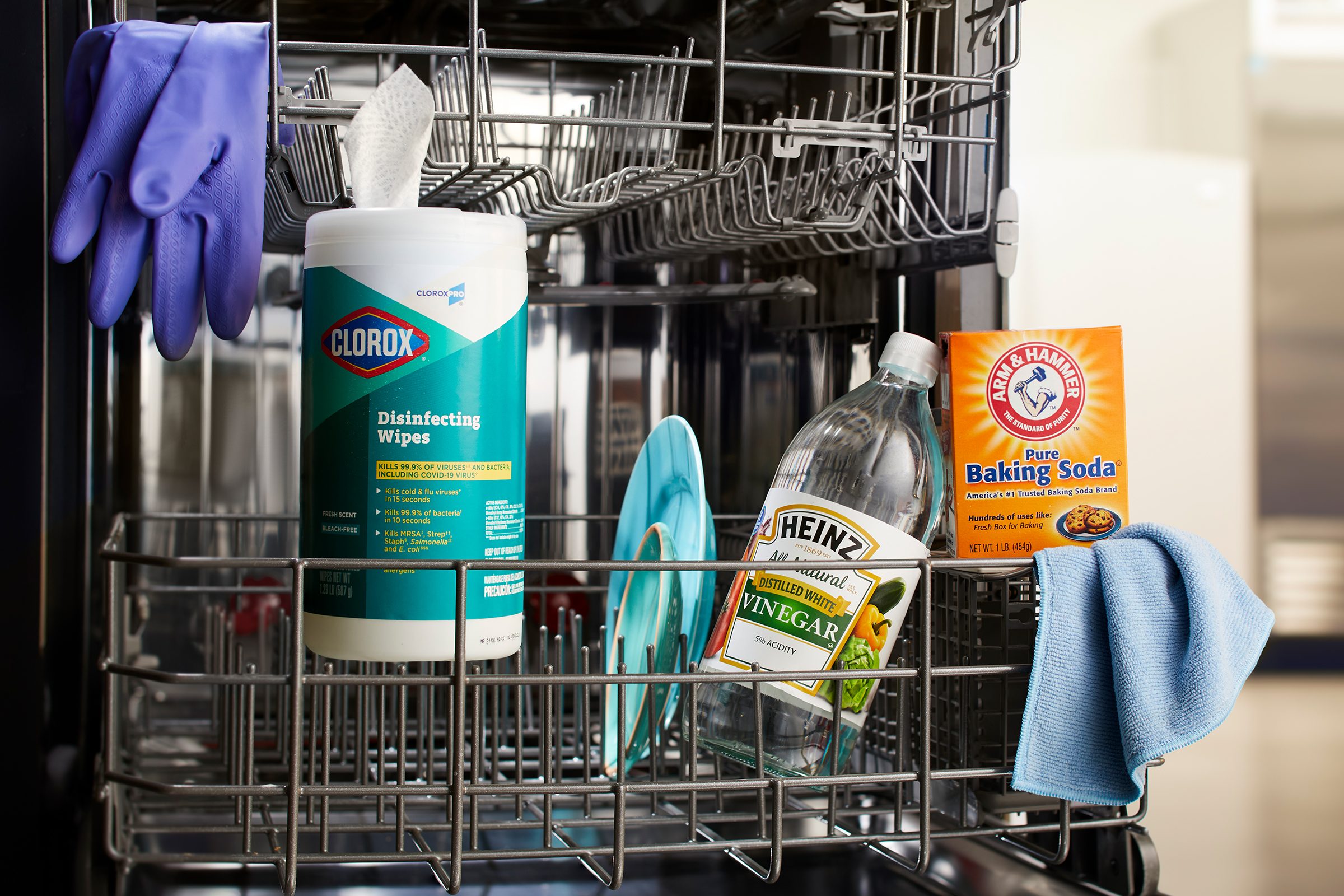
The dishwasher exterior is another spot where Clorox wipes shine. Wiping the control panel and door handles helps reduce germs in your kitchen. Inside, use dishwasher-safe cleaners or vinegar solutions instead of wipes to protect the interior components.
Have you checked your dishwasher handle lately? It’s one of the dirtiest spots in the kitchen. Keeping it clean with wipes can stop germs from moving from your hands to dishes.
Safety Precautions
Using Clorox wipes on kitchen appliances requires careful safety steps. These precautions help protect your health and keep your kitchen clean. Always follow these safety tips to avoid any risks while cleaning.
Ventilation And Skin Protection
Use Clorox wipes in a well-ventilated area. Open windows or turn on exhaust fans to reduce fumes. Wear gloves to protect your skin from irritation. Avoid touching your face during cleaning to prevent irritation or allergic reactions.
Avoiding Cross-contamination
Use a fresh wipe for each surface to stop spreading germs. Do not reuse wipes on different appliances or areas. Clean high-touch spots like handles and buttons carefully. Dispose of used wipes immediately after cleaning one surface.
Proper Disposal
Throw used Clorox wipes in the trash, not the toilet. Flushing wipes can cause plumbing problems. Seal the trash bag to contain germs and odors. Wash your hands thoroughly after disposal to stay safe.
Credit: www.lowes.com
Alternatives To Clorox Wipes
Clorox wipes can clean many kitchen appliances but may damage some surfaces. Gentle alternatives like vinegar, mild soap, or microfiber cloths work well and keep appliances safe. Choosing the right cleaner helps maintain appliance finish and hygiene.
If you want to avoid Clorox wipes on kitchen appliances, try alternatives. These options are effective and gentle on surfaces. They also promote a healthier environment.
Natural Cleaning Solutions
Natural solutions are great for cleaning kitchen appliances. They are safe and easy to make at home. Vinegar and water mix well for a powerful cleaner. Combine equal parts in a spray bottle. Spray on surfaces, then wipe with a cloth. Baking soda is another option. It works well on stubborn stains. Make a paste with water, apply, then scrub gently. Lemon juice is effective, too. It cuts through grease and smells fresh. Use it alone or with vinegar.
Other Commercial Cleaners
Many commercial cleaners work well on kitchen appliances. Look for those labeled safe for appliances. Multi-surface cleaners are a good choice. They clean effectively without harsh chemicals. Read labels carefully to ensure safety. Disinfectant sprays are another option. They kill germs and leave surfaces sparkling. They are readily available and easy to use. Wipe with a clean cloth after spraying for best results.
Tips For Effective Cleaning
Cleaning kitchen appliances with Clorox wipes can be simple and effective. Following some tips ensures the appliances stay safe and spotless. Proper use of wipes helps kill germs and remove grease without damage.
Frequency Of Cleaning
Clean kitchen appliances regularly to keep germs away. Wipe down high-touch surfaces like handles and buttons daily. For less used appliances, clean once a week or after spills. Regular cleaning stops dirt buildup and keeps appliances looking new.
Best Practices For Wiping And Drying
- Use a fresh Clorox wipe for each appliance to avoid cross-contamination.
- Wipe surfaces gently to avoid scratches.
- Cover all areas, including edges and crevices.
- Let the surface stay wet for a few minutes to kill germs.
- Dry surfaces with a soft cloth if they feel sticky or wet.
- Avoid using wipes on hot appliances to prevent damage.

Credit: www.amazon.com
Frequently Asked Questions
Can Clorox Wipes Safely Clean Kitchen Appliances?
Yes, Clorox Wipes are safe for most kitchen appliances. They effectively remove germs and dirt without damaging surfaces. Avoid using on unfinished wood or delicate finishes to prevent damage.
Are Clorox Wipes Effective Against Kitchen Bacteria?
Clorox Wipes kill 99. 9% of bacteria and viruses on surfaces. They are ideal for sanitizing kitchen appliances, ensuring a hygienic cooking environment.
Can Clorox Wipes Damage Appliance Finishes?
Generally, Clorox Wipes do not harm stainless steel or plastic finishes. Test on a small area first to avoid discoloration or damage on sensitive surfaces.
How Often Should I Use Clorox Wipes On Appliances?
Use Clorox Wipes daily or after food preparation to maintain cleanliness. Regular wiping helps prevent bacteria buildup and keeps appliances looking fresh.
Conclusion
Clorox wipes work well to clean many kitchen appliances. They kill germs and remove dirt quickly. Always check the appliance label before wiping. Some surfaces may get damaged by strong chemicals. Use gentle wiping for sensitive areas like screens or stainless steel.
Let the surface dry completely after cleaning. Regular cleaning keeps your kitchen safe and fresh. Simple steps make your appliances last longer. Clean smart, clean safe.