
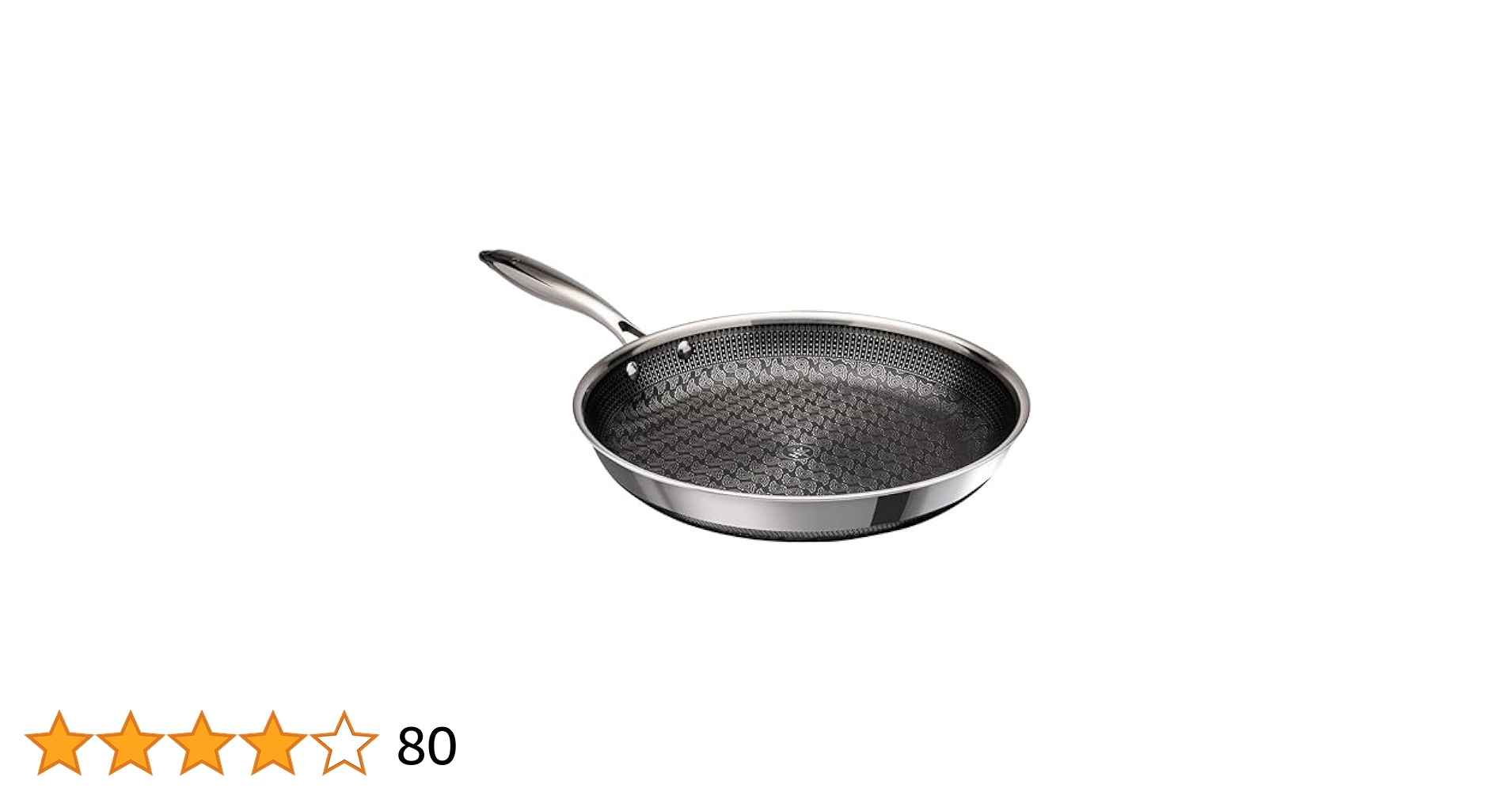
Are you wondering if your Hell’s Kitchen pans can go straight from the stove to the oven? Knowing whether your pans are oven safe is key to cooking meals perfectly without damaging your cookware.
Imagine preparing a delicious dish and then finishing it in the oven without switching pans or worrying about safety. You’ll discover everything you need to know about Hell’s Kitchen pans and their oven compatibility. Keep reading to make the most out of your cooking tools and avoid costly mistakes in the kitchen.

Credit: www.amazon.ca
Hells Kitchen Pans Material
Understanding the material of Hells Kitchen pans is key to knowing their oven safety. These pans come in various materials that affect their heat tolerance and durability. Choosing the right material ensures safe use in the oven and better cooking results.
Types Of Materials Used
- Stainless Steel: Known for strength and rust resistance.
- Cast Iron: Excellent heat retention but heavy.
- Aluminum: Lightweight and good heat conductor.
- Nonstick Coating: Easy to clean but may limit oven use.
- Ceramic: Natural nonstick surface and oven friendly.
Impact On Oven Safety
Materials like stainless steel and cast iron handle high oven temperatures well. Aluminum pans may warp if exposed to very high heat. Nonstick coatings often have maximum temperature limits to avoid damage. Ceramic pans usually tolerate oven heat but require careful handling. Always check the manufacturer's guidelines for safe oven use.

Credit: hellskitchenstore.com
Heat Tolerance Limits
Heat tolerance limits are key to knowing if Hell’s Kitchen pans can go in the oven. Each pan has a temperature it can safely handle. Exceeding this limit can cause damage or reduce the pan’s lifespan. Understanding these limits helps protect your cookware and ensures safe cooking.
Maximum Oven Temperatures
Hell’s Kitchen pans usually withstand high heat but have set limits. Most models tolerate oven temperatures up to 500°F (260°C). Some pans with silicone handles or non-stick coatings may have lower limits, often around 400°F (204°C). Always check the manufacturer’s guide for exact numbers. Using the pan beyond this limit can cause warping or coating damage.
Signs Of Damage From Heat
Overheating pans show clear signs. Warping or bending means the pan lost its shape. Discoloration or dark spots on the surface indicate heat damage. Peeling or bubbling of non-stick coatings also signals overheating. Handle damage, such as melting or cracking, may occur if exposed to too much heat. Spotting these signs early helps prevent further damage.
Handles And Oven Use
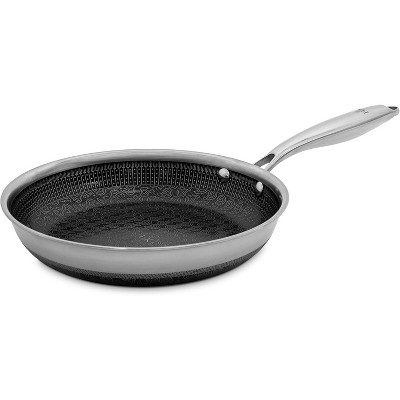
Handles play a crucial role when considering if your Hell's Kitchen pans are oven safe. Even if the pan itself can withstand high heat, the handle material can limit your oven use. Understanding what your handles are made of and their heat tolerance helps you avoid damage and keeps you safe while cooking.
Material Of Handles
Hell's Kitchen pans often feature handles made from different materials like stainless steel, silicone, or plastic. Stainless steel handles are usually the most oven-friendly, resisting heat well and allowing you to use the pan in the oven without worry. Silicone handles offer a comfortable grip but typically can only handle moderate oven temperatures.
Plastic handles, on the other hand, usually cannot withstand oven heat and may melt or release harmful fumes. If your pan has plastic handles, double-check the manufacturer’s guidelines before placing it in the oven. Sometimes, handles are removable, which can be a great feature if you want to switch between stovetop and oven cooking safely.
Safe Temperature For Handles
Knowing the safe temperature limit for your pan’s handles is key. Stainless steel handles often tolerate temperatures up to 500°F (260°C), making them suitable for most oven recipes. Silicone handles generally withstand up to 400°F (204°C), but going beyond can cause melting or damage.
Ask yourself: What temperatures do your recipes require? If you often bake or roast at high heat, check if your handles can handle that. Using a pan with heat-sensitive handles in a hot oven can ruin your cookware and create safety hazards.
Credit: www.target.com
Safe Cooking Techniques
Understanding safe cooking techniques with Hell’s Kitchen pans is essential to protect your cookware and ensure delicious results. Using these pans correctly in the oven can extend their lifespan and maintain food quality. Let’s dive into practical tips that will help you get the best from your pans without risking damage.
Using Pans In Oven
Hell’s Kitchen pans are designed to withstand oven heat, but each model has its limits. Always check the manufacturer’s recommended maximum temperature before placing your pan in the oven. Exceeding this temperature can cause warping or damage to non-stick surfaces.
Use oven mitts or gloves to handle hot pans safely. The handles may get hot, even if they are designed to stay cool. Avoid sudden temperature changes like moving a hot pan directly into cold water, as this can cause cracking or warping.
Consider preheating the oven with the pan inside if the recipe allows it. This helps avoid thermal shock and ensures even cooking. Also, placing the pan on the center rack usually provides the most stable heat distribution.
Avoiding Common Mistakes
One common error is using metal utensils on non-stick Hell’s Kitchen pans, especially after oven use. Metal can scratch the coating, reducing the pan’s effectiveness and safety. Opt for silicone, wooden, or plastic tools instead.
Never use sprays or oils that can build up residue on the pan’s surface. This residue can burn in the oven, causing unpleasant odors and sticking issues next time you cook. Instead, apply a small amount of cooking oil with a brush or paper towel.
Have you ever removed your pan from the oven only to find it warped or discolored? This often happens when the pan cools too quickly or is exposed to high heat without proper care. Give your pan time to cool naturally before washing to keep it in top shape.
Cleaning And Maintenance
Cleaning and maintenance play a vital role in keeping Hell's Kitchen pans in top shape. Proper care ensures the pans stay durable and safe to use in the oven. Simple steps after cooking can prevent damage and preserve the pan's finish.
Post-oven Care
Allow the pan to cool naturally before cleaning. Sudden temperature changes can warp the metal. Avoid placing a hot pan directly into cold water.
Use warm, soapy water and a soft sponge to clean. Harsh scrubbers can scratch the surface. For stuck-on food, soak the pan briefly to loosen residue.
Dry the pan completely to stop rust or stains. Store in a dry place to keep it rust-free.
Extending Pan Lifespan
Season the pan occasionally with a light coat of oil. This protects the surface and improves non-stick qualities. Avoid metal utensils that can scratch or chip the pan.
Do not use bleach or strong chemicals during cleaning. These can damage the coating and reduce the pan’s lifespan. Follow the manufacturer's instructions for best results.
Regular maintenance keeps Hell's Kitchen pans performing well. Proper care means better cooking and longer use.
Alternatives For Oven Cooking
Cooking in the oven offers a variety of delicious possibilities. But not all cookware is safe for this high-heat environment. If you're unsure about your Hells Kitchen pans, you may need alternatives. Discover some oven-safe options to ensure your meals turn out perfectly.
Oven-safe Cookware Options
There are many oven-safe cookware types available. Consider these popular choices:
- Cast Iron:Ideal for roasting and baking, it holds heat well.
- Stainless Steel:Durable and resistant to high temperatures.
- Ceramic:Provides even heat distribution for consistent cooking.
- Glass Bakeware:Great for casseroles and desserts.
- Hard-Anodized Aluminum:Lightweight and non-reactive with food.
Each option offers unique benefits for different dishes. Choose based on your cooking needs.
When To Avoid Hells Kitchen Pans
Not all Hells Kitchen pans are oven-safe. Check the manufacturer's guidelines before use. Avoid using pans with plastic handles or non-stick coatings in the oven. These materials can melt or release harmful fumes. Safety should always come first in your kitchen. If unsure, choose an alternative from the list above.
Frequently Asked Questions
Are Hells Kitchen Pans Safe For Oven Use?
Yes, most Hells Kitchen pans are oven safe. They are designed with materials that can withstand high oven temperatures.
What Is The Maximum Oven Temperature For Hells Kitchen Pans?
Hells Kitchen pans typically withstand up to 500°F (260°C). Always check the manufacturer’s guidelines for exact temperature limits.
Can The Handles Of Hells Kitchen Pans Go In The Oven?
Handles on Hells Kitchen pans are usually oven safe if made from metal or heat-resistant materials. Avoid plastic handles in the oven.
How To Confirm If A Hells Kitchen Pan Is Oven Safe?
Look for an oven-safe label or check the product manual. You can also visit the official Hells Kitchen website for details.
Conclusion
Hells Kitchen pans can handle oven heat well, but check the label first. Most pans work up to a certain temperature safely. Avoid sudden temperature changes to keep pans in good shape. Using the right pan helps cook food evenly and tastes better.
Always follow care instructions for longer pan life. Choosing oven-safe pans makes cooking easier and safer. Remember, proper use protects your pans and your food. Keep these tips in mind for the best cooking results.