
You probably want your kitchen countertops to stay clean and looking great for years. But have you ever wondered what happens when you use oven cleaner on them?
You might think it’s a quick fix for tough stains, but oven cleaners are powerful and can sometimes cause damage. If you’re curious about whether using oven cleaner on your countertops is safe or risky, keep reading. This article will reveal the surprising effects oven cleaner can have on different countertop materials—and help you protect your kitchen surfaces the right way.
Oven Cleaner Ingredients
Understanding the ingredients in oven cleaners can help you predict how they might affect your kitchen countertops. These products are powerful for a reason—they contain chemicals designed to break down tough grease and burnt-on food. But not all surfaces react the same way to these ingredients, and knowing what’s inside can guide you to safer cleaning choices.
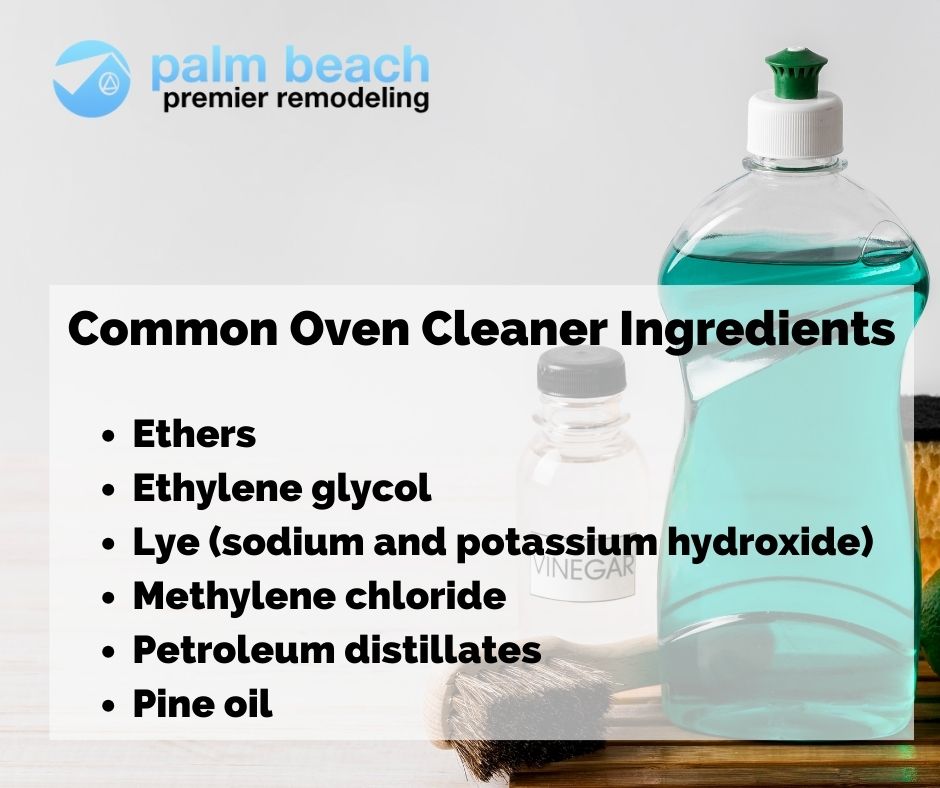
Common Chemicals Used
- Sodium Hydroxide (Caustic Soda):This is a strong alkaline compound that dissolves grease and food residues quickly.
- Potassium Hydroxide:Similar to sodium hydroxide, it’s also highly alkaline and effective at breaking down tough grime.
- Surfactants:These help the cleaner spread evenly and lift dirt from surfaces.
- Solvents:Ingredients like glycol ethers help dissolve oily residues.
- Fragrances and Dyes:Added to mask harsh chemical smells and give a fresh scent.
How These Chemicals Work
Alkaline substances like sodium hydroxide work by breaking down fats and proteins found in burnt food. They essentially turn stubborn grime into a softer, more water-soluble form that you can wipe away easily.
Surfactants reduce the surface tension between the cleaner and the dirt, allowing the solution to penetrate and lift grime more effectively. Solvents dissolve oily or greasy residues that water alone can’t handle.
Have you ever noticed a strong chemical smell after using oven cleaner? That’s often the solvent or alkaline reaction in action. While effective, these same chemicals can damage delicate countertop surfaces like granite or laminate by etching or discoloring them if left on too long.
Credit: pbphomerepair.com
Types Of Kitchen Countertops
Kitchen countertops come in many different materials, and each reacts differently to oven cleaner. Understanding the types of countertops you have is key to protecting your surfaces from damage. Let’s look at some common materials and how they hold up against harsh chemicals.
Natural Stone Surfaces
Granite, marble, and quartz are popular natural stones used in kitchens. These surfaces are durable but sensitive to acidic and alkaline substances. Oven cleaners often contain strong chemicals that can etch or dull the finish on natural stone.
If you’ve ever seen white spots or rough patches on your granite after cleaning, it might be due to harsh cleaners. Always check if your stone countertop needs a special cleaner or sealing before using anything strong.
Laminate And Synthetic Materials
Laminate countertops are made from layers of paper or fabric bonded with resin, topped with a plastic finish. They are budget-friendly and come in many designs. However, strong oven cleaners can strip the laminate’s protective layer and cause discoloration.
Similarly, synthetic materials like solid surface countertops (e.g., Corian) can be damaged by abrasive or chemical cleaners. These surfaces may resist stains but can be etched or dulled by harsh products.
Wood And Butcher Block
Wooden countertops add warmth and charm but require careful maintenance. Oven cleaners can dry out or discolor the wood, leading to cracks or uneven coloring. Because wood is porous, it can absorb chemicals, which might cause long-term damage.
Using gentle, natural cleaning methods is safer for wood surfaces. Have you noticed any roughness or changes in color after using a strong cleaner on your butcher block? That’s a warning sign to switch to milder products.
Impact On Different Surfaces
Oven cleaners contain strong chemicals that react differently with kitchen countertops. These reactions depend on the surface material. Some surfaces withstand cleaners, while others suffer damage. Understanding these effects helps protect your countertops and maintain their look.
Effects On Natural Stone
Natural stone like granite or marble is sensitive to oven cleaner. The harsh chemicals can etch or dull the surface. This damage often looks like permanent stains or discoloration. Stone sealants may protect, but repeated use still risks harm. Avoid using oven cleaner on natural stone counters.
Damage To Laminate
Laminate counters have a thin plastic layer over particleboard. Oven cleaner can break down this layer. It causes bubbling, peeling, or discoloration. The surface may become rough or sticky after contact. Damage is usually irreversible, so avoid oven cleaner on laminate.
Risks For Wood Countertops
Wood counters are porous and absorb chemicals easily. Oven cleaner can strip the finish and dry out the wood. This leads to cracks, stains, or warping. Wood may also lose its natural shine. Use gentle cleaners designed for wood to keep countertops safe.

Credit: pbphomerepair.com
Signs Of Oven Cleaner Damage
Oven cleaner can cause discoloration and dull spots on kitchen countertops. You might notice a rough texture or small cracks where the cleaner touched the surface. These signs show the cleaner has damaged the countertop material.
Oven cleaners are powerful, but they can be harsh on your kitchen countertops. If you've ever accidentally spilled a bit of cleaner and noticed a change, you’re not alone. Recognizing the signs of damage early can help you save your countertops from further deterioration.
Discoloration And Stains
One of the most noticeable effects is discoloration. You might see dull spots or changes in color where the cleaner was used. These stains can be permanent if not addressed quickly. Even on surfaces like granite or quartz, which are generally resilient, oven cleaner can leave behind unsightly marks. If your countertop suddenly appears patchy or faded, take a closer look at your cleaning habits.
Surface Erosion And Texture Changes
Have you ever felt your countertop and noticed a rough patch or a change in texture? Oven cleaner can eat away at the surface, causing erosion. This can lead to uneven surfaces that might affect the look and feel of your kitchen. If the texture changes, it might be time to reconsider how you're cleaning. Once the surface is compromised, it might require professional repair or replacement.
Chemical Residue And Odor
Lingering chemical smells can be a telltale sign that oven cleaner has left a residue. These odors not only affect the ambiance of your kitchen but might also be harmful to your health. Do you notice a persistent chemical smell every time you enter your kitchen? This could be a sign that your countertops need a deep clean to remove any remaining residue. Consider using natural cleaning alternatives to avoid this problem in the future.
Safe Cleaning Alternatives
Oven cleaners can harm kitchen countertops due to their strong chemicals. Safe cleaning alternatives protect your surfaces without damage. These options keep your countertops clean and looking fresh. Use gentle methods that work well for daily cleaning tasks.
Natural Cleaning Solutions
Natural ingredients like vinegar, baking soda, and lemon work well for cleaning. They remove stains and grease without harsh chemicals. Mix baking soda and water to make a paste. Apply it to spots and scrub gently. Use diluted vinegar to wipe surfaces and kill germs. Lemon juice helps brighten and freshen countertops naturally.
Specialized Countertop Cleaners
Choose cleaners made for specific countertop materials like granite or laminate. These products clean effectively without causing damage. Read labels to ensure the cleaner suits your countertop type. Spray the cleaner and wipe with a soft cloth. Avoid abrasive pads that can scratch surfaces. Specialized cleaners maintain shine and protect countertops longer.
Preventive Care Tips
- Wipe spills immediately to prevent stains.
- Use cutting boards to avoid scratches.
- Avoid placing hot pots directly on countertops.
- Clean regularly with mild soap and water.
- Dry surfaces after cleaning to prevent water spots.
Following these tips extends the life of your countertops. Prevent damage before it happens for easier kitchen upkeep.

Credit: www.angi.com
Emergency Steps After Exposure
Accidental exposure of kitchen countertops to oven cleaner can cause serious damage. Acting quickly reduces harm and protects your surfaces. Knowing the right emergency steps helps you manage the situation safely and effectively.
Immediate Cleaning Actions
Wipe off the oven cleaner using a soft cloth immediately. Avoid scrubbing hard to prevent scratching the countertop. Rinse the area thoroughly with cool water to remove any residue. Use mild soap if needed to neutralize the chemicals. Dry the surface gently with a clean towel.
When To Call A Professional
Contact a professional if stains or damage remain after cleaning. Deep etching or discoloration may require expert repair. Professionals can assess the countertop material and recommend proper treatment. For natural stone or delicate surfaces, expert advice prevents further damage. Don’t delay if damage worsens or spreads.
Restoration Options
Minor damage can sometimes be fixed with gentle polishing products. For serious damage, refinishing or resurfacing may be necessary. Stone countertops may need sealing or honing to restore the finish. Laminate counters could require patching or replacement of damaged sections. Choose restoration based on material type and damage extent.
Frequently Asked Questions
Can Oven Cleaner Damage Kitchen Countertops?
Yes, oven cleaner can damage countertops, especially if they are made of natural stone or laminate. Harsh chemicals can cause discoloration, etching, or surface degradation. Always check the cleaner's label and test on a small area first to avoid permanent damage.
Is Oven Cleaner Safe For Granite Countertops?
Oven cleaner is not safe for granite. Its strong chemicals can erode the sealant and cause dull spots. Use granite-specific cleaners instead to maintain the surface's shine and durability without risking damage.
How To Protect Countertops From Oven Cleaner Damage?
To protect countertops, avoid using oven cleaner directly on them. Use gentle, countertop-safe cleaners and wipe spills immediately. If oven cleaner accidentally contacts the surface, rinse and clean it thoroughly with water to minimize harm.
What Happens If Oven Cleaner Spills On Laminate Counters?
Oven cleaner can cause discoloration and surface damage on laminate counters. The harsh chemicals break down the laminate coating, leading to staining or peeling. Clean spills promptly and avoid using oven cleaner near laminate surfaces.
Conclusion
Oven cleaner can harm many kitchen countertops. It may cause stains, discoloration, or surface damage. Always test a small area first. Use cleaners made for your countertop type. Avoid harsh chemicals to keep surfaces safe. Gentle cleaning helps maintain your kitchen’s look.
Protect your counters for longer use and beauty. Choose safe products to avoid costly repairs. A little care goes a long way. Your kitchen stays clean and damage-free.