
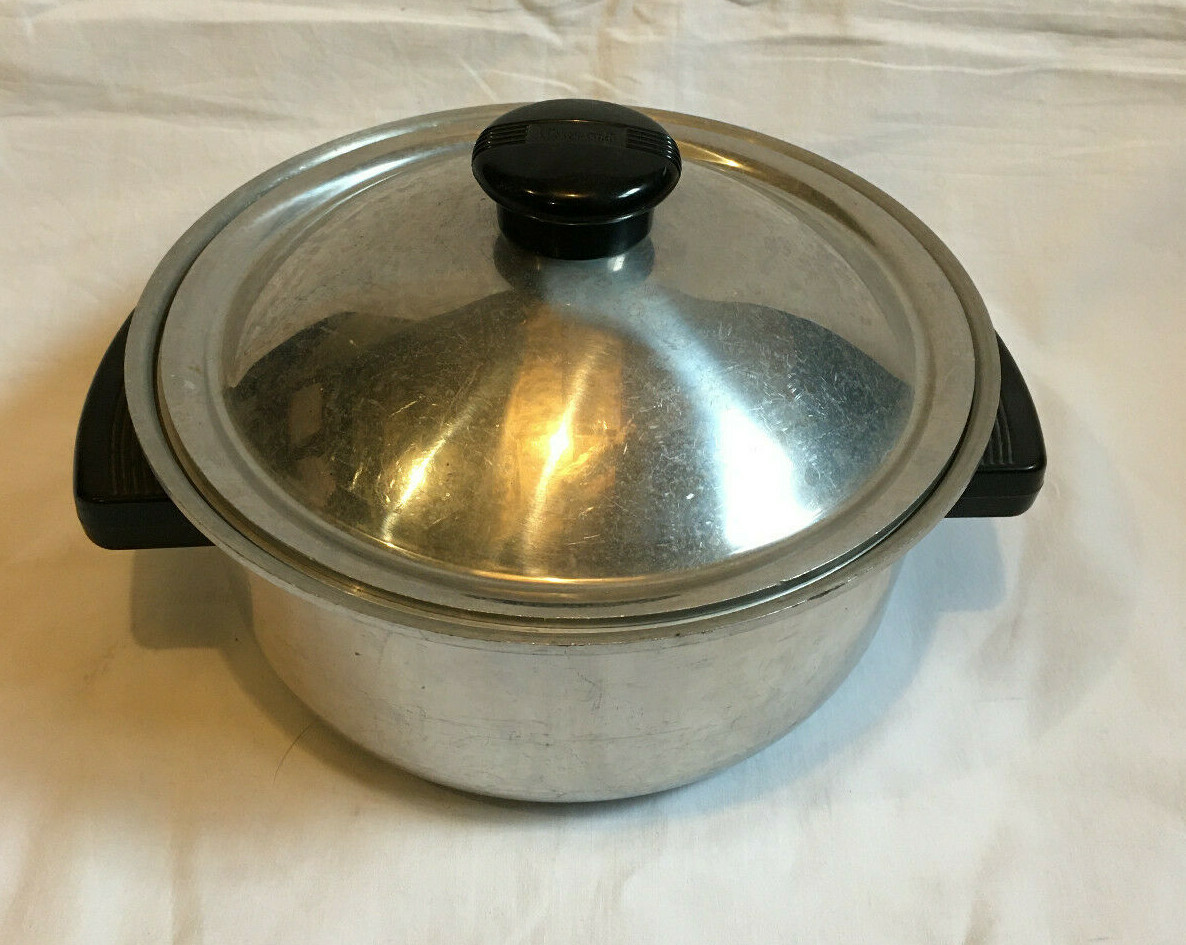
Are you wondering if your Kitchen Craft pan lids can safely go in the oven? It’s a common question that can save you from ruined cookware and ruined meals.
Knowing the answer helps you cook smarter and avoid costly mistakes. You’ll discover exactly what you need to know to use your pan lids confidently—whether you’re baking, roasting, or simmering. Keep reading to protect your kitchen tools and make the most of your cooking time.
Credit: store.177milkstreet.com
Kitchen Craft Pan Lids Material
Understanding the material of your Kitchen Craft pan lids is essential before using them in the oven. Different materials handle heat in different ways, and knowing what your lid is made of can save you from damaging your cookware or ruining your meal. Let’s look closely at the types of materials commonly used and their heat resistance.
Common Lid Materials
Kitchen Craft pan lids typically come in a few common materials, each with unique benefits and limitations.
- Glass:Most popular for visibility, allowing you to watch your cooking without lifting the lid. However, glass lids often have heat limits.
- Stainless Steel:Durable and oven-safe at high temperatures. They retain heat well but don’t let you see inside without lifting.
- Aluminum:Lightweight and good at conducting heat, but not always oven-safe, especially if coated.
- Silicone or Plastic Handles:Commonly found on lids but can limit oven use if they cannot withstand high heat.
Have you ever tried placing a glass lid in the oven only to find it cracked? That’s often because the material wasn’t designed for that temperature.
Heat Resistance Levels
Each lid material has a specific heat resistance level that dictates if it’s safe for oven use.
| Material | Typical Heat Resistance | Oven Suitability |
|---|---|---|
| Tempered Glass | Up to 350°F (175°C) | Safe for low to moderate oven temperatures |
| Stainless Steel | Up to 500°F (260°C) or higher | Safe for most oven cooking |
| Aluminum | Varies, often up to 400°F (205°C) | Depends on coating and construction |
| Plastic/Silicone Handles | Typically up to 350°F (175°C) | May restrict oven use; check manufacturer’s guidelines |
Do you know the maximum temperature your lid can handle? Checking this before oven use is key. A lid rated for lower heat might warp or release harmful fumes if exposed to high temperatures.
Oven Compatibility Of Pan Lids
Knowing whether your Kitchen Craft pan lids can go in the oven is essential for safe cooking and perfect results. Oven compatibility depends largely on the material of the lid, and mixing up lids can lead to damage or safety hazards. Let’s break down the oven use potential for each type of lid so you can cook confidently.
Metal Lids
Metal lids are typically the most oven-friendly option. They can usually withstand high temperatures without warping or melting. If your Kitchen Craft pan has a stainless steel or aluminum lid, it’s often safe to use in the oven, but check for any plastic knobs or handles.
Be cautious with lids that have decorative elements or rubber seals, as these parts might not handle oven heat well. Have you ever tried roasting something with a metal lid only to find the handle melted? Avoid that by verifying the entire lid’s material before placing it in the oven.
Glass Lids
Glass lids offer the advantage of seeing your food as it cooks. Many Kitchen Craft glass lids are oven-safe up to a certain temperature, often around 350°F (175°C). Always check the manufacturer’s instructions because exceeding this limit can cause the glass to crack or shatter.
If your glass lid has a metal rim and a heat-resistant handle, it’s more likely to be oven-safe. However, sudden temperature changes, like moving it directly from the fridge to the oven, can cause damage. Have you ever experienced a glass lid cracking unexpectedly? That’s why slow temperature changes matter.
Plastic And Silicone Lids
Plastic lids generally cannot go in the oven. Most Kitchen Craft plastic lids are designed only for stovetop or storage use and will melt or release harmful chemicals if heated. Silicone lids, however, can tolerate oven temperatures better but still have limits, usually up to 400°F (204°C).
Be sure to confirm if your silicone lid is oven-safe and check for any metal or plastic parts attached. Do you know the temperature limit of your silicone lid? Using it beyond its range can ruin your cookware and your meal.
Temperature Limits To Consider
Understanding the temperature limits of Kitchen Craft pan lids is crucial before placing them in the oven. Overheating lids can cause warping, melting, or even dangerous fumes. Knowing these limits helps you avoid costly mistakes and keeps your cookware in great shape.
Manufacturer Guidelines
Always check the manufacturer's instructions first. Kitchen Craft usually provides clear details about oven safety for their pan lids. These guidelines tell you the maximum temperature the lids can handle without damage.
For example, some lids have silicone or plastic handles that are not oven-safe above certain temperatures. Ignoring these details can ruin your lids quickly. Have you ever experienced a melted handle? It’s a costly lesson that can be avoided by reading these guidelines.
Typical Oven Safe Temperatures
Most Kitchen Craft pan lids are safe up to around 180°C (350°F). Metal lids often tolerate higher temperatures, sometimes up to 230°C (450°F). However, glass lids generally have a lower limit, usually around 175°C to 200°C (350°F to 400°F).
- Glass lids:typically safe up to 175-200°C (350-400°F)
- Metal lids:can handle up to 230°C (450°F)
- Handles and knobs:may reduce overall oven-safe temperature
Can your lids handle the temperature your recipe requires? If not, you might need to remove the lid or use a different one. Understanding these limits lets you cook confidently without risking your cookware.

Credit: food52.com
Potential Risks Of Oven Use
Using Kitchen Craft pan lids in the oven carries several risks. These lids often contain materials not suited for high heat. Exposure to oven temperatures can cause problems that affect safety and performance. Understanding these risks helps protect your cookware and ensures safe cooking.
Cracking And Breaking
Many Kitchen Craft pan lids are made from glass or plastic. These materials can crack or shatter under oven heat. Sudden temperature changes increase this risk. A broken lid can cause injury or damage other cookware. Avoid placing lids in the oven unless manufacturer instructions allow it.
Chemical Leaching
Plastic lids may release harmful chemicals when heated too much. These chemicals can contaminate food and pose health risks. Even tempered glass lids with plastic parts may leach toxins. Always check the lid’s heat tolerance before oven use. Safety comes first to avoid health hazards.
Warping And Damage
Heat can warp lids made from plastic or thin metal. Warped lids may not fit properly afterward. This reduces their effectiveness in sealing heat and moisture. Warping also weakens the lid’s structure, leading to breakage later. Proper care extends the life of your pan lids.
Safe Practices For Oven Use
Check the material of Kitchen Craft pan lids before placing them in the oven. Some lids may not withstand high heat and could warp or break. Always follow the manufacturer’s instructions to ensure safe oven use.
Safe oven practices are essential to ensure both your kitchenware and your culinary creations come out in perfect condition. Using Kitchen Craft pan lids in the oven requires careful attention to detail. Just because a lid fits your pan doesn't automatically make it oven-safe. Understanding the nuances of what can safely go in your oven can save your kitchenware and elevate your cooking game.
Checking Lid Labels
Before using a Kitchen Craft pan lid in the oven, always check the label. Manufacturers often provide specific heat tolerance levels, which are crucial to follow. Ignoring these guidelines might result in warped lids or even shattered glass. Take a moment to inspect the bottom or side of the lid. Look for any indications of temperature limits. This simple step can save you from a mess and potential safety hazards.
Avoiding Sudden Temperature Changes
Sudden temperature shifts can be disastrous for your lids. Going from a cold environment to a hot oven can cause materials to crack or shatter. This is especially true for glass lids. Imagine you're sautéing vegetables on the stove and plan to finish them off in the oven. It's tempting to transfer everything quickly, but resist the urge. Allow your pan and lid to gradually adjust to the oven's heat for best results.
Using Alternative Covers
If your Kitchen Craft lid isn't oven-safe, don't worry. There are plenty of alternatives available. Aluminum foil can be a handy substitute to trap heat and moisture. Consider using a baking sheet as a makeshift lid. It might not be as snug, but it can effectively cover your dish and withstand high temperatures. Get creative and resourceful with what you have, without compromising safety or quality.

Credit: www.ebay.com
Cleaning And Maintenance Tips
Keeping your Kitchen Craft pan lids clean and well-maintained extends their life and keeps your cooking safe. Proper care after using them in the oven prevents damage and ensures they stay in top shape. Let’s look at some practical tips to help you handle your lids with care.
Post-oven Cleaning
After using your pan lids in the oven, let them cool down naturally before cleaning. Sudden temperature changes can cause warping or cracking. Use warm, soapy water and a soft sponge to gently remove any food residue or grease.
Avoid abrasive scrubbers or harsh chemicals that might scratch the surface or damage any coating. If stubborn stains remain, soak the lid in warm soapy water for 10-15 minutes before wiping. Dry your lids thoroughly with a soft cloth to prevent water spots or rust, especially if they have metal components.
Handling Damaged Lids
If you notice cracks, chips, or warping on your pan lids, stop using them in the oven immediately. Damaged lids can compromise cooking safety and affect heat distribution. Small chips might be fixable with food-safe sealants, but extensive damage usually means replacement is the safest choice.
Have you ever tried to salvage a warped lid only to find it no longer fits properly? This can lead to heat loss and uneven cooking. Inspect your lids regularly for signs of wear, and treat them gently to avoid damage from drops or sudden temperature changes.
Frequently Asked Questions
Can Kitchen Craft Pan Lids Be Used In The Oven?
Most Kitchen Craft pan lids are oven-safe up to a certain temperature. Always check the manufacturer’s guidelines before use. Glass lids generally tolerate up to 350°F, while metal lids can withstand higher heat. Avoid sudden temperature changes to prevent damage.
What Materials Are Kitchen Craft Pan Lids Made Of?
Kitchen Craft pan lids are commonly made from tempered glass or stainless steel. Tempered glass lids allow monitoring food without heat loss. Stainless steel lids provide durability and oven safety. Material type influences the lid’s oven compatibility and heat resistance.
How To Safely Use Kitchen Craft Lids In The Oven?
Ensure the lid is labeled oven-safe before placing it inside. Avoid direct contact with heating elements. Use oven mitts to handle hot lids and prevent burns. Gradually heat the lid to avoid thermal shock and potential cracking.
Can Plastic Handles On Lids Go In The Oven?
Plastic handles on Kitchen Craft lids are usually not oven-safe. High heat can melt or warp plastic components. If the lid has plastic parts, it’s best to remove the lid before oven use or avoid putting it inside altogether.
Conclusion
Kitchen Craft pan lids are usually safe for the oven, but check the label first. Most lids can handle moderate oven heat, but avoid very high temperatures. Glass lids may break if heated too fast or too hot. Always follow the manufacturer’s guidelines to keep your lids in good shape.
Using lids in the oven can help cook food evenly and keep moisture inside. Remember, safety first—know your lid’s limits before placing it in the oven. This small step can save your kitchen tools and make cooking easier.