
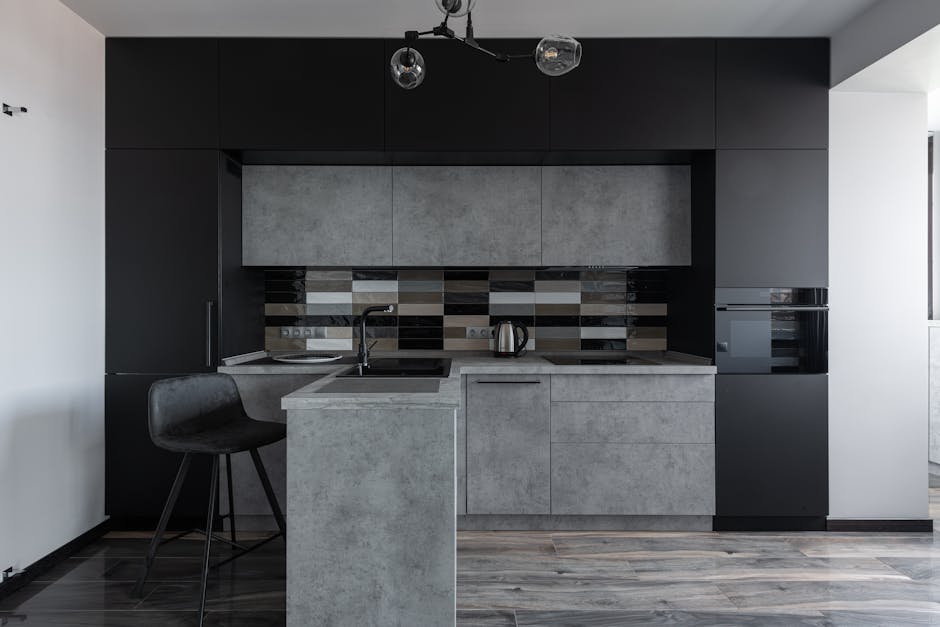
Have you ever wondered if an oven can be placed in a kitchen island? If you’re thinking about redesigning your kitchen or making it more functional, this idea might have crossed your mind.
Placing an oven in your kitchen island can change how you cook and interact with your space. But is it practical? Is it safe? And will it fit your lifestyle? Keep reading to discover the surprising benefits and important things you need to know before making this bold kitchen move.
Your perfect kitchen setup could be just one decision away.
Benefits Of An Oven In A Kitchen Island
Placing an oven in a kitchen island can transform how you cook and interact in your kitchen. It offers several practical benefits that improve both functionality and style. Let's look at how this setup can enhance your kitchen experience.
Enhanced Kitchen Workflow
Having the oven in your kitchen island creates a natural cooking zone. You can easily move between the cooktop, prep space, and oven without backtracking across the kitchen. This layout reduces steps and makes multitasking smoother.
Imagine preparing a roast while chopping vegetables right next to the oven. You save time and keep everything within reach, which means fewer interruptions and better focus on your cooking.
Social Cooking Experience
Ovens in kitchen islands invite interaction. Instead of facing a wall, you face your guests or family while cooking. This setup encourages conversations and lets you share the cooking process.
Have you ever noticed how much more fun cooking can be when you’re part of the social flow? With an oven in the island, you stay connected without sacrificing efficiency.
Space Optimization
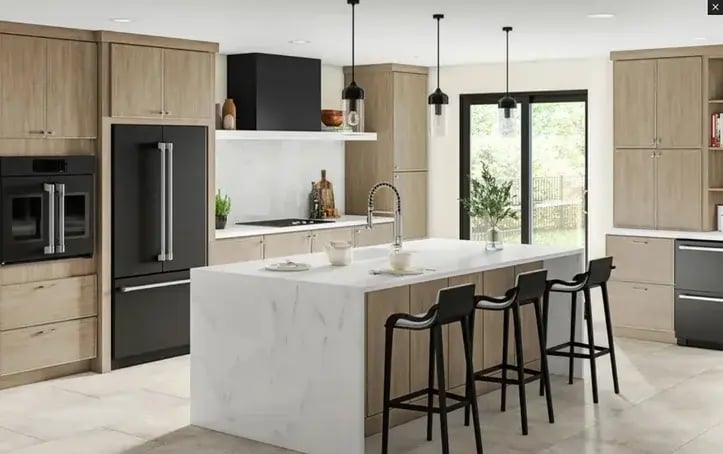
Kitchen islands are often the centerpiece of your kitchen’s layout. Installing an oven there frees up wall space for more storage or other appliances. This is especially helpful in smaller kitchens.
You can also use the area above or below the oven for drawers, making it easier to organize baking trays, pots, or pans. This smart use of space keeps your kitchen tidy and functional.
Credit: blog.kitchenmagic.com
Types Of Ovens Suitable For Kitchen Islands
Choosing the right oven for a kitchen island shapes the cooking experience. Some ovens fit better in islands due to size and ventilation needs. Space efficiency and style also play big roles. Below are common oven types perfect for kitchen islands.
Wall Ovens
Wall ovens fit neatly into kitchen islands. They save countertop space and offer a sleek look. These ovens come in single or double units. Installation requires proper ventilation and electrical setup. Wall ovens usually provide even heating and precise controls. They work well for baking, roasting, and broiling.
Microwave Ovens
Microwave ovens suit kitchen islands well. They are compact and easy to install below the countertop. Microwaves heat food quickly and are energy efficient. Many models include convection features for baking and grilling. They add convenience without taking much space. Ideal for reheating and quick cooking tasks.
Combination Ovens
Combination ovens blend microwave and conventional cooking. They offer versatility in one appliance. These ovens fit into kitchen islands smoothly. Users can bake, roast, and microwave in the same space. Combination ovens reduce the need for multiple devices. They save space while expanding cooking options.
Design Considerations For Island Ovens
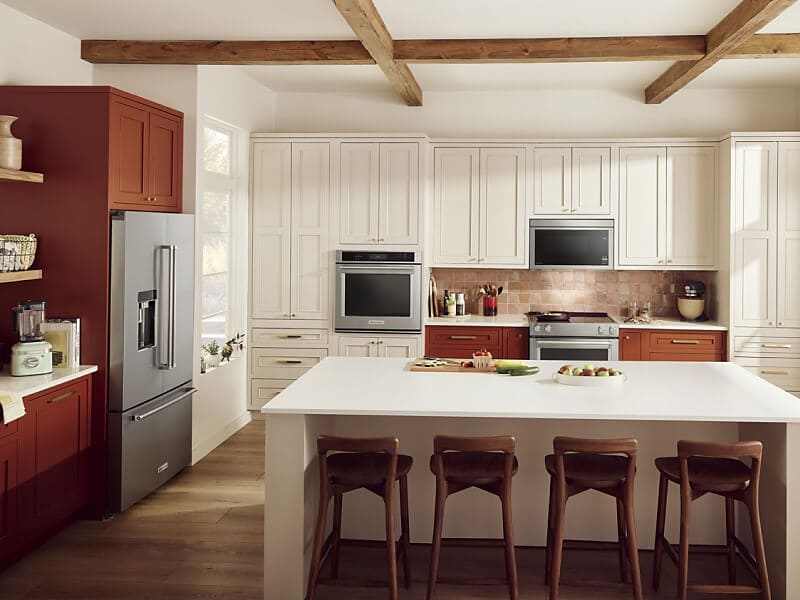
Designing an oven into a kitchen island requires careful planning. The island becomes a central cooking area, so safety and comfort are key. The oven's location affects airflow, wiring, and user ease. Each detail impacts the kitchen's function and style.
Ventilation And Heat Management
Ovens produce heat that needs proper ventilation. Islands often lack nearby walls for vent hoods. Use downdraft vents or ceiling hoods to remove heat and smoke. Good airflow prevents overheating and keeps the kitchen comfortable. Consider materials around the oven that resist heat damage.
Ergonomic Placement
Place the oven at a height that avoids bending or stretching. Eye-level ovens offer easy access to food and controls. Keep enough space around the oven for safe movement. Plan for clear paths to sinks and prep areas. This layout reduces spills and accidents.
Electrical And Plumbing Needs
Ovens need proper electrical connections with the right voltage. Plan wiring inside the island carefully for safety and access. Some ovens require plumbing for steam or water features. Coordinate with electricians and plumbers early to avoid costly changes. Check local codes for compliance.
Credit: www.kitchenaid.com
Safety Tips For Island Oven Installation
Installing an oven in a kitchen island adds style and convenience. Safety must be a top priority during installation. Proper measures protect users and ensure smooth kitchen use. Follow these essential safety tips for island oven installation.
Heat Protection Measures
Ovens produce intense heat. Protect surrounding surfaces with heat-resistant materials. Use insulation panels between the oven and island cabinetry. Ensure proper ventilation to prevent heat buildup. Avoid placing flammable items near the oven. Heat shields can protect nearby cabinets and floors. These steps reduce fire risks and damage.
Child Safety Features
Kitchen islands are often central gathering spots. Keep children safe around the oven with these tips:
- Choose ovens with child lock controls.
- Install oven doors with cool-touch technology.
- Use safety gates to restrict access if needed.
- Keep oven knobs out of children's reach.
These features prevent burns and accidental oven use by kids.
Clearance And Accessibility
Ensure enough space around the oven for safe use. Maintain proper clearance for opening doors fully. Allow space for hot trays and cookware. Keep walkways clear to avoid accidents. Position the oven at a comfortable height for cooking. Good accessibility helps prevent spills and injuries.
Popular Kitchen Island Oven Layouts
Placing an oven in a kitchen island creates a modern and functional space. It allows easy access and enhances cooking efficiency. This layout also maximizes kitchen space and promotes a sleek design. Ideal for open-plan homes, it blends cooking with social interaction effortlessly.
Popular Kitchen Island Oven Layouts Integrating an oven into a kitchen island can transform your cooking space into a more functional and aesthetically pleasing area. The right layout not only enhances your kitchen's efficiency but also makes meal preparation a more delightful experience. Let's explore some popular kitchen island oven layouts that can elevate your culinary adventures.
Single Oven Setup
A single oven setup is perfect for those who prefer simplicity and minimalism. It provides ample space for other kitchen essentials and maintains an uncluttered look. Imagine having a seamless cooking experience where everything you need is within arm's reach. This layout is ideal for small families or those who primarily use their oven for baking. By integrating a single oven into your kitchen island, you can optimize your workflow and make the most of your kitchen space.
Double Oven Configuration
A double oven configuration offers unparalleled flexibility for avid home cooks. If you love hosting dinner parties or cooking multiple dishes simultaneously, this setup is a game-changer. With two ovens, you can bake a cake in one and roast vegetables in the other without compromising on time or temperature. This layout may require a larger kitchen island, but the benefits are undeniable. Consider how much easier your holiday cooking could be with this versatile setup.
Integrated Oven And Cooktop
An integrated oven and cooktop layout combines the best of both worlds, offering a compact and efficient cooking station. This setup allows you to seamlessly transition between oven and stove tasks, making it perfect for those who appreciate multitasking. Think about the convenience of sautéing vegetables on the cooktop while your main course bakes below. This configuration is perfect for anyone who values efficiency and style in their kitchen design. Which layout resonates most with your cooking style? Each offers unique benefits, so consider your needs and kitchen space to find the perfect fit.
Material And Finish Options
Choosing the right materials and finishes for an oven installed in a kitchen island can dramatically influence both the look and functionality of your space. Every detail, from cabinetry to oven doors, plays a part in creating a cohesive and practical kitchen. Your choices should reflect your style while standing up to daily use.
Cabinetry Choices
Your kitchen island cabinetry needs to be sturdy enough to support the oven’s weight and heat. Solid wood cabinets offer durability and a warm, classic feel, while plywood provides strength with moisture resistance. If you want a sleek, modern look, consider MDF with a high-gloss laminate finish—easy to clean and stylish.
Think about how the cabinet finish coordinates with the rest of your kitchen. Matte finishes can hide fingerprints better than glossy ones, which is handy around a busy cooking area. Also, don’t forget ventilation; your cabinetry should allow for proper airflow to keep the oven running safely.
Countertop Materials
The countertop surrounding your oven island must handle heat and spills effortlessly. Granite and quartz stand out for their heat resistance and durability. They also add a polished look that matches many kitchen styles.
Alternatively, stainless steel countertops provide industrial strength and are super easy to clean, perfect if you love a professional kitchen vibe. If budget is a concern, solid surface materials like Corian offer a smooth finish and moderate heat resistance, though they require a bit more care.
Oven Door Styles
The oven door is more than just a barrier; it’s a design statement. Glass-front doors let you keep an eye on your cooking without opening the oven, saving energy and heat. Choose between clear, tinted, or frosted glass depending on how much visibility you want.
Handles also impact the look and feel. Bar handles give a modern edge, while integrated handles create a seamless appearance. Think about how the door style fits your kitchen’s overall vibe and how easy it is to clean, especially if you cook often.
Common Challenges And Solutions
Placing an oven in a kitchen island can enhance your cooking space, but it brings certain challenges. These challenges affect the oven’s performance and your kitchen’s layout. Addressing these issues early makes the installation smoother and safer. Below are common problems and practical solutions.
Ventilation Issues
Ovens generate heat that needs proper ventilation. Kitchen islands often lack walls for venting, causing heat buildup. Poor ventilation can damage the oven and surrounding cabinets.
Solutions include:
- Install a downdraft vent that pulls air down through the island.
- Use an oven with a built-in ventilation system designed for island placement.
- Create vents or openings in the island’s base to improve airflow.
Space Constraints
Kitchen islands usually have limited space. Fitting an oven requires careful measurement and planning. Too small an island can make the oven feel cramped and hard to use.
Solutions include:
- Choose compact or wall ovens designed for small spaces.
- Design the island with extra depth or width to fit the oven comfortably.
- Plan storage and countertop space around the oven to avoid clutter.
Maintenance Accessibility
Ovens need regular cleaning and occasional repairs. An island placement can restrict access to the back or sides. Difficult access raises maintenance costs and effort.
Solutions include:
- Ensure enough clearance around the oven for easy removal and servicing.
- Use slide-out panels or removable sections in the island.
- Hire professionals to plan the installation with maintenance in mind.
Cost Factors And Budget Planning
Planning a kitchen island with an oven requires careful budgeting. Many costs influence the total price. Understanding these cost factors helps create a realistic budget. It also prevents unexpected expenses during the project. Below are key areas to consider for cost planning.
Appliance Costs
Ovens for kitchen islands often cost more than standard models. Built-in or drawer ovens come with a higher price tag. Brands and features also affect the cost. Basic models start at affordable prices. Premium ovens with smart technology or convection features can be costly. Remember to budget for additional accessories or warranties.
Installation Expenses
Installing an oven in an island differs from wall or cabinet installations. It may require extra electrical or ventilation work. Hiring a licensed professional is essential for safety. Labor costs vary based on location and complexity. Preparing the island for oven installation might increase expenses. Plumbing adjustments may be necessary if the oven includes steam features.
Long-term Maintenance
Ovens in islands need regular upkeep to stay efficient. Cleaning costs depend on oven type and usage. Repairs might be more expensive due to unique installation. Check if your oven model requires special parts. Energy consumption affects monthly utility bills. Planning for these ongoing costs ensures no budget surprises later.
Credit: www.homedepot.com
Frequently Asked Questions
Can An Oven Be Installed In A Kitchen Island?
Yes, ovens can be installed in kitchen islands. This design maximizes space and improves kitchen workflow. Proper ventilation and electrical setup are essential for safety and efficiency.
What Are The Benefits Of An Oven In A Kitchen Island?
An oven in a kitchen island offers better accessibility and a modern look. It frees up wall space and allows more interaction while cooking. It also enhances kitchen functionality and aesthetics.
Are There Safety Concerns With Island Ovens?
Safety concerns include proper ventilation, heat protection, and electrical wiring. Ensure professional installation and follow local building codes. Installing safety barriers can prevent accidental burns and injuries.
How Does An Island Oven Affect Kitchen Layout?
An island oven changes kitchen traffic flow and work zones. It centralizes cooking and allows multiple users to work simultaneously. Planning is crucial to maintain comfort and efficiency in the kitchen.
Conclusion
Placing an oven in a kitchen island can save space and add style. It offers easy access and keeps the cooking area open. Make sure to plan for ventilation and safety. Choose the right size to fit your needs and kitchen layout.
This setup suits many kitchens but requires careful thought. A kitchen island oven can make cooking more fun and efficient. Think about your daily use before making a decision. It might be the perfect fit for your home.