
Imagine opening your kitchen cabinet and reaching for the perfect seasoning that instantly transforms any dish from bland to brilliant. You don’t need a shelf full of spices, just a few key seasonings that bring out the best flavors in your cooking.
Whether you’re a beginner or a seasoned home chef, having these must-have seasonings in your kitchen will make every meal more delicious and satisfying. Ready to discover the simple secrets that will elevate your cooking game? Keep reading—you’ll wonder how you ever cooked without them.
Essential Salt Varieties
Salt is a kitchen essential that enhances every dish. Different types of salt add unique flavors and textures. Knowing which salt to use can improve your cooking results. Essential salt varieties include sea salt, kosher salt, and Himalayan pink salt. Each has distinct qualities and uses.
Sea Salt
Sea salt comes from evaporated seawater. It retains natural minerals that add flavor. Its crystals are coarse and crunchy. Chefs use sea salt as a finishing touch. It brings a mild, clean saltiness to dishes.
Kosher Salt
Kosher salt has large, flaky crystals. It dissolves quickly and spreads evenly. This salt is popular for seasoning meat. It is less salty by volume than table salt. Many cooks prefer kosher salt for its texture and taste.
Himalayan Pink Salt
Himalayan pink salt is mined from ancient salt deposits. It contains trace minerals that give it a pink color. This salt has a gentle flavor and firm texture. It works well for grilling and roasting. It also adds a decorative touch to food.

Credit: rawspicebar.com
Popular Pepper Choices
Pepper is a staple seasoning in kitchens worldwide, but did you know there are several popular types, each bringing its own unique flavor and aroma? Choosing the right pepper can elevate your dishes from simple to spectacular. Let’s dive into some popular pepper choices and how you can use them to enhance your cooking.
Black Pepper
Black pepper is the most common and versatile pepper you’ll find. Its sharp, pungent flavor adds a warm heat that works well in almost any dish. Whether freshly cracked over a salad or ground into a marinade, black pepper brings out the best in your food.
Have you ever noticed how a pinch of freshly ground black pepper can transform even plain scrambled eggs? That simple addition can make a big difference in taste.
White Pepper
White pepper has a milder flavor compared to black pepper and is often used in light-colored dishes like cream sauces and mashed potatoes. It adds heat without the black specks, keeping your food’s appearance clean. Its subtle earthiness works great in soups and seafood recipes.
If you want peppery heat without altering the color of your dish, white pepper is your go-to. Have you tried swapping black for white pepper in your next creamy recipe?
Pink Peppercorns
Pink peppercorns aren’t true pepper but have a sweet, fruity flavor with a mild peppery bite. They add a pop of color and a unique taste to salads, roasted vegetables, and even desserts. Using pink peppercorns can surprise your guests and add an unexpected twist to your meals.
Next time you want to impress without overwhelming flavors, sprinkle some pink peppercorns over your dish. What new flavor combinations could you create with this colorful seasoning?
Classic Herbs To Keep
Classic herbs are the backbone of countless dishes, bringing fresh and vibrant flavors to your cooking. Keeping a few essential herbs in your kitchen ensures you can always add a burst of taste to your meals without hunting for rare ingredients. These herbs are versatile, easy to store, and can elevate simple recipes into something memorable.
Basil
Basil is a staple in many kitchens, especially if you enjoy Italian or Mediterranean flavors. Its sweet, slightly peppery taste brightens up pasta sauces, salads, and even drinks like lemonade or cocktails. Have you ever tried fresh basil on a homemade pizza? It transforms the dish instantly.
Oregano
Oregano adds a warm, aromatic punch that works beautifully in tomato-based dishes and grilled meats. It’s often the secret behind that authentic Italian or Greek flavor you crave. Keep dried oregano handy too—it packs a strong punch and lasts longer.
Thyme
Thyme offers a subtle earthiness that complements roasted vegetables, stews, and poultry. It’s one of those herbs that quietly enhances dishes without overpowering them. Have you noticed how thyme changes the flavor of a simple chicken soup? It makes all the difference.
Rosemary
Rosemary has a bold, pine-like aroma that pairs perfectly with roasted potatoes, lamb, and bread. Fresh rosemary sprigs can be added whole or chopped finely for a more intense flavor. If you haven’t tried rosemary with garlic and olive oil on crusty bread, you’re missing out on a quick kitchen win.

Credit: makeitdairyfree.com
Bold Spice Staples
Bold spices transform simple meals into unforgettable dishes. These seasonings bring depth, warmth, and a punch of flavor that can brighten your everyday cooking. Having a few key bold spices in your kitchen lets you experiment freely and add a unique twist to your recipes.
Cumin
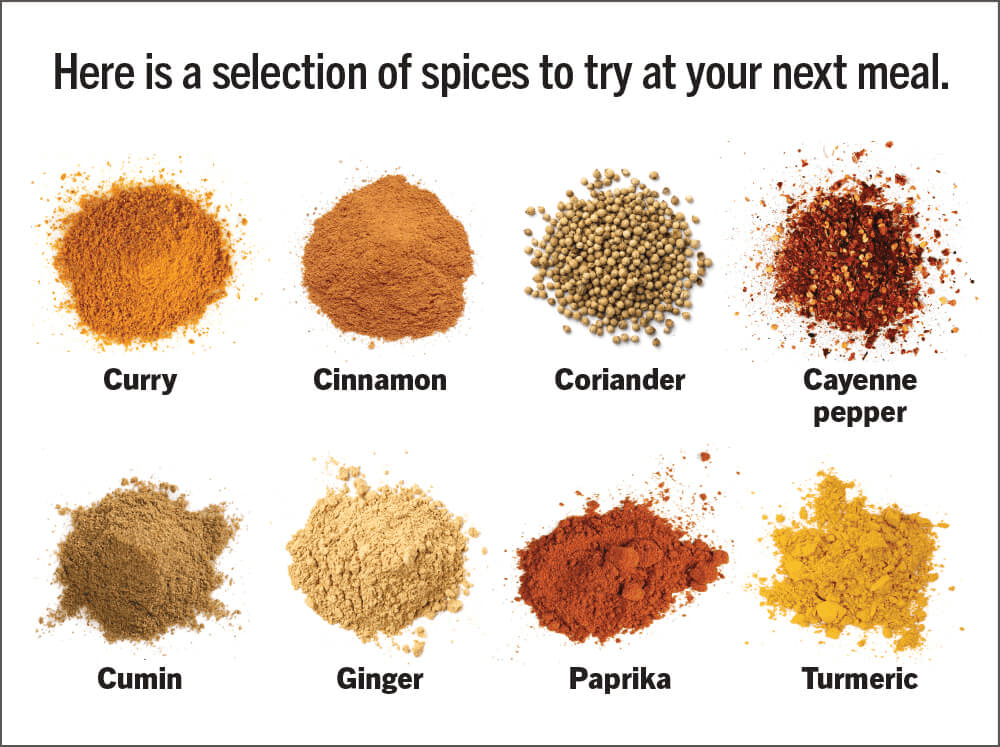
Cumin adds a warm, earthy flavor with a slightly nutty edge. It’s essential for dishes like chili, curries, and Mexican cuisine. Toasting cumin seeds before grinding releases even more aroma—try it once and you’ll notice the difference immediately.
Paprika
Paprika ranges from sweet to smoky and even hot, giving you versatility in one spice. It’s perfect for adding color and a mild heat to stews, roasted vegetables, and grilled meats. Ever tried smoked paprika on roasted potatoes? It’s a simple way to upgrade your side dish.
Cinnamon
Cinnamon isn’t just for desserts—it adds warmth to savory dishes too. Think Moroccan tagines or spiced rice. If you haven’t used cinnamon in savory cooking, you might be missing out on a subtle but powerful flavor boost.
Chili Powder
Chili powder offers heat and complexity, blending several spices to create a balanced kick. It’s a must for chili con carne, tacos, and barbecue rubs. Wondering how to adjust your spice level? Start with a small amount and add more as you cook to find your perfect heat.
Aromatic Blends
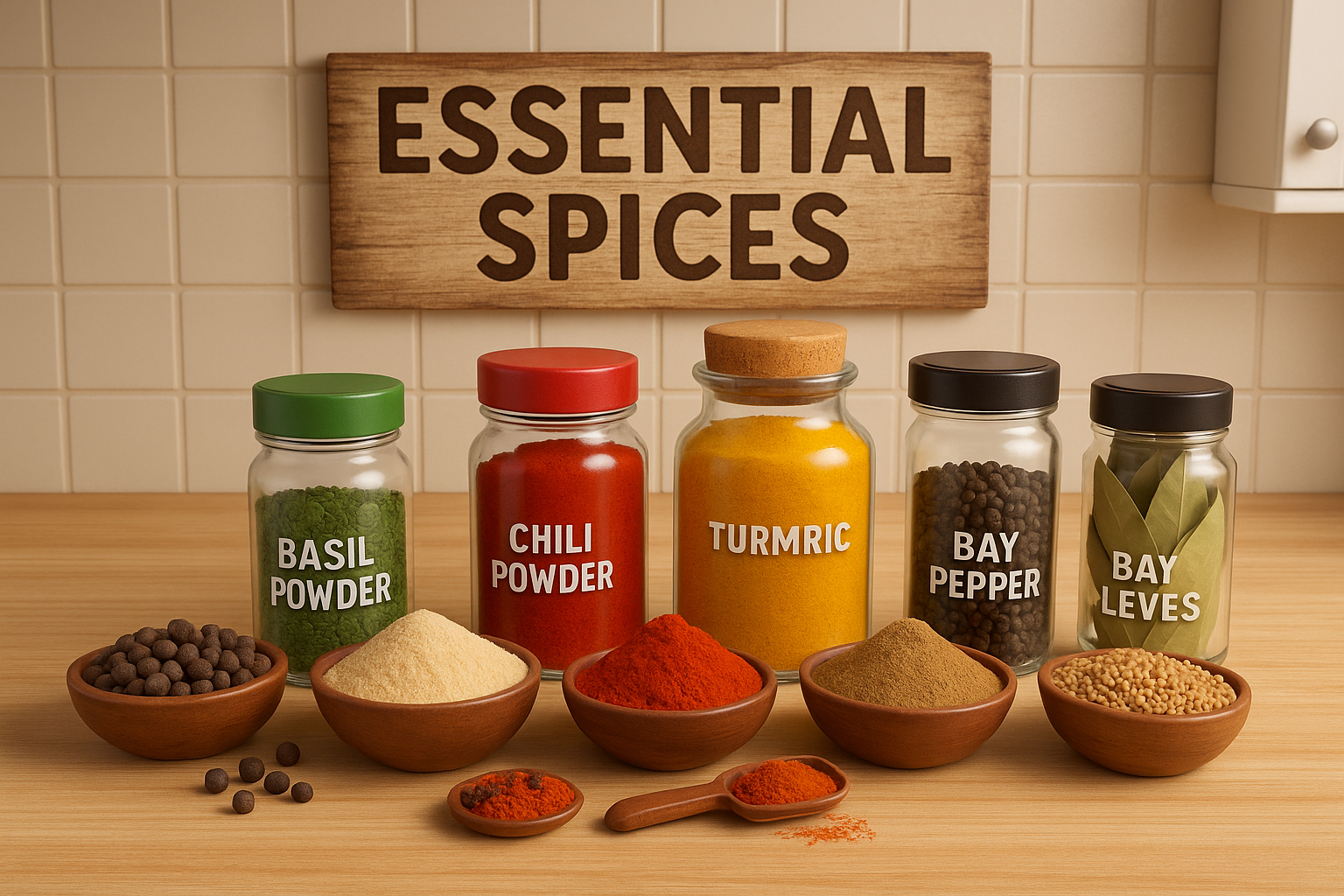
Aromatic blends bring rich flavors to everyday meals. Essential seasonings like garlic, basil, and cumin enhance taste and aroma. These spices turn simple dishes into delicious experiences.
Aromatic blends bring life to your culinary creations. These seasonings transform ordinary dishes into flavorful experiences. Rich in history and taste, they offer depth and character. Their diverse profiles can elevate simple meals into gourmet delights.
Italian Seasoning
Italian seasoning is a harmonious mix of herbs. It's perfect for adding a Mediterranean touch. This blend usually includes basil, oregano, and rosemary. It complements pasta, pizza, and roasted vegetables. A sprinkle of Italian seasoning can enhance soups and sauces. Its aroma brings a warm, comforting feel to any dish.
Curry Powder
Curry powder is a vibrant spice mix. It originates from South Asian cuisine. Common ingredients are turmeric, cumin, and coriander. Each blend varies in heat and flavor. Curry powder is essential for making curries and stews. It adds a rich, earthy taste to your recipes. This aromatic blend is versatile and flavorful.
Garam Masala
Garam masala is a staple in Indian cooking. This blend is warm and fragrant. It usually includes cardamom, cloves, and cinnamon. Garam masala enhances both vegetarian and meat dishes. It's added towards the end of cooking for maximum flavor. This spice blend adds a touch of spice and warmth.
Credit: dubaistore36.com
Unique Flavors To Experiment
Adding unique seasonings to your kitchen arsenal can transform everyday meals into exciting culinary adventures. These flavors bring depth and character that might surprise your taste buds. Have you ever thought about how a simple sprinkle can change the whole mood of a dish?
Smoked Paprika
Smoked paprika offers a rich, smoky flavor with a hint of sweetness. It’s perfect for adding warmth to stews, roasted vegetables, or grilled meats. I once added it to a basic tomato sauce, and it instantly felt like a homemade barbecue sauce.
Try using smoked paprika in your next batch of chili or sprinkle it on deviled eggs for a smoky twist. It’s subtle but powerful, enhancing dishes without overpowering them.
Sumac
Sumac has a tangy, lemony taste that brightens up any dish. It’s common in Middle Eastern cooking but can easily fit into your everyday recipes. I like sprinkling it over salads and grilled chicken to add a fresh, zesty punch.
Use sumac as a finishing spice on hummus or roasted potatoes. It’s a fantastic way to add acidity without using extra lemon juice or vinegar.
Za'atar
Za'atar is a blend of herbs, sesame seeds, and sumac, giving it a complex, earthy flavor. It works great as a seasoning for flatbreads, roasted veggies, or even popcorn. One time, I sprinkled za'atar on avocado toast, and it gave a delicious herbal note I hadn’t expected.
Mix za'atar with olive oil for an easy dip or rub it on chicken before roasting. This seasoning invites you to experiment with textures and tastes in your kitchen.
Tips For Storing Seasonings
Properly storing seasonings keeps them fresh and flavorful for longer. Good storage preserves aroma and taste, making meals better. Simple habits protect spices from damage and clumping. Follow these tips to keep your seasonings in top shape.
Avoiding Moisture
Moisture ruins dry seasonings fast. It causes clumps and mold. Always keep spice jars tightly closed. Avoid storing seasonings near the sink or stove steam. Use a dry spoon when scooping spices to stop water from entering.
Proper Containers
Use airtight containers for best results. Glass jars with tight lids work well. Avoid plastic containers that can absorb odors. Dark containers help block light, preserving color and flavor. Label containers clearly to find spices easily.
Shelf Life Awareness
Seasonings lose strength over time. Ground spices last about 1-2 years. Whole spices can keep flavor for 3-4 years. Check spices regularly for smell and color changes. Replace old spices to maintain meal quality and taste.
Frequently Asked Questions
What Are The Essential Seasonings For Every Kitchen?
Essential seasonings include salt, black pepper, garlic powder, paprika, and dried herbs. These add flavor and versatility to meals.
How Do Seasonings Improve Cooking Flavor?
Seasonings enhance natural food flavors and add depth. They balance taste and can transform simple dishes into tasty meals.
Which Seasonings Work Best For All Cuisines?
Salt, black pepper, garlic, cumin, and chili powder suit many cuisines. They provide a balanced base for diverse dishes.
How Should I Store Seasonings For Freshness?
Store seasonings in airtight containers away from heat and sunlight. This preserves their aroma and flavor for longer use.
Conclusion
Having the right seasonings makes cooking more fun and tasty. These spices bring flavor to every dish you make. Keep them handy to spice up meals quickly. A well-stocked spice rack saves time and adds variety. Start with these basics and explore new tastes later.
Your kitchen becomes a place of endless flavor possibilities. Enjoy cooking with confidence and simple ingredients. Seasonings turn ordinary food into something special. Try them and see how much better meals can be. Cooking is easier when you have the right flavors nearby.