
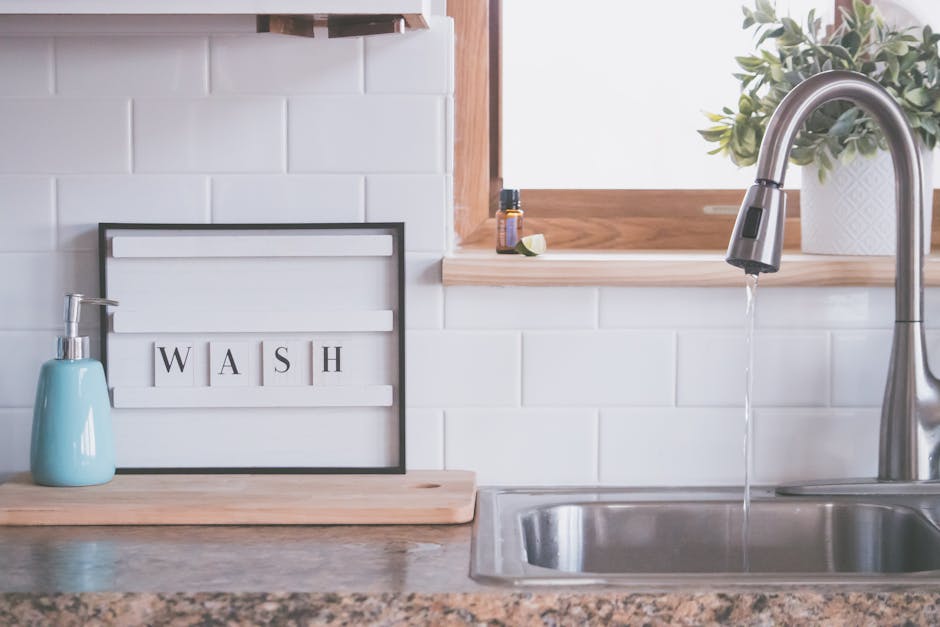
Have you ever stopped to think about how clean your kitchen really is? Sanitation in the kitchen isn’t just about looking tidy—it’s about keeping you and your loved ones safe from harmful germs and bacteria.
When your kitchen is properly sanitized, you reduce the risk of foodborne illnesses and create a healthier environment for cooking and eating. You’ll discover simple yet powerful ways to keep your kitchen spotless and safe. Keep reading, because what you learn here could protect your health and transform your cooking space.
Kitchen Sanitation Basics
Kitchen sanitation is the foundation of a safe cooking space. It involves practices that keep your kitchen free from harmful germs and dirt. Clean surfaces, utensils, and hands reduce the risk of foodborne illnesses. Understanding basic sanitation helps maintain a healthy environment for food preparation.
Importance Of Cleanliness
Cleanliness in the kitchen stops germs from spreading. It protects your family from sickness caused by bacteria and viruses. A clean kitchen also prevents pests like rodents and insects. Regular cleaning keeps your kitchen fresh and safe.
Common Kitchen Germs
Several germs hide in kitchens. Salmonella, E. coli, and Listeria are common and cause food poisoning. These germs grow on raw meat, unwashed vegetables, and dirty surfaces. Proper sanitation kills these germs and keeps food safe.
Sanitation Vs. Cleanliness
Cleanliness means removing visible dirt and spills. Sanitation goes further by killing germs. For example, washing a cutting board removes dirt. Sanitizing it with a disinfectant kills bacteria. Both are needed for a healthy kitchen.

Credit: alsaedco.com
Safe Food Handling
Safe food handling is essential to keep your kitchen clean and your family healthy. It reduces the risk of foodborne illnesses by controlling germs and bacteria. Following simple habits helps protect the food you prepare every day.
Proper Washing Techniques
Washing hands and food properly is the first step in safe food handling. Use warm water and soap to wash hands for at least 20 seconds before cooking. Rinse fruits and vegetables under running water to remove dirt and germs.
Never wash raw meat or poultry as it spreads bacteria. Use clean utensils and cutting boards for washing and cutting food.
Cross-contamination Prevention
Cross-contamination happens when germs spread from one food to another. Keep raw meat, poultry, and seafood separate from ready-to-eat foods. Use different cutting boards and knives for raw and cooked foods.
Clean surfaces and tools after each use. Store raw foods on the bottom shelf of the fridge to avoid drips on other items.
Safe Food Storage
Store food at the right temperature to stop bacteria from growing. Keep refrigerators at 40°F (4°C) or below and freezers at 0°F (-18°C) or below. Use airtight containers to keep food fresh and avoid contamination.
Label leftovers with dates and use them within 2-3 days. Thaw frozen food safely in the fridge, cold water, or microwave, never on the countertop.
Cleaning Kitchen Surfaces
Sanitation in the kitchen means keeping surfaces clean and free from harmful germs. It helps stop bacteria from spreading and keeps food safe to eat. Regular cleaning with proper tools and cleaners ensures a healthy cooking space.
Cleaning kitchen surfaces is a key part of kitchen sanitation. It ensures food safety and prevents bacteria growth. Regular cleaning maintains a hygienic cooking environment. Let's explore essential aspects of cleaning kitchen surfaces.
Effective Disinfectants
Choosing the right disinfectant is crucial. Use products proven to kill germs. Bleach solutions are effective for many surfaces. Vinegar and baking soda work well for natural cleaning. Always follow the manufacturer's instructions. This ensures safety and effectiveness.
Cleaning Cutting Boards
Cutting boards can harbor bacteria. Clean them after each use. Plastic boards are dishwasher-safe. Wooden boards need hand washing with hot, soapy water. Sanitize with vinegar or diluted bleach. Dry them thoroughly to prevent mold.
Maintaining Countertops
Countertops require regular attention. Wipe spills immediately to avoid stains. Use mild soap for daily cleaning. For deeper cleaning, use disinfectants suitable for your countertop material. Granite and marble need special cleaners. Always check cleaning product compatibility.
Credit: www.universalclass.com
Utensils And Equipment Care
Keeping your kitchen utensils and equipment clean is essential for safe food preparation. Proper care not only prevents contamination but also extends the life of your tools. Let's focus on how you can maintain these items effectively to ensure your kitchen stays hygienic and efficient.
Washing And Sanitizing Utensils
Simply washing utensils with soap and water is not enough. You need to sanitize them to kill harmful bacteria that survive washing. Use hot water above 171°F (77°C) or a sanitizing solution approved for kitchen use.
Pay special attention to items with grooves or handles where food particles can hide. Rinse thoroughly to avoid chemical residues. Air drying is best to prevent recontamination from towels.
Handling Appliances Safely
Appliances like blenders, mixers, and food processors require careful handling to avoid accidents and contamination. Always unplug appliances before cleaning to protect yourself from electric shock.
Detach removable parts and wash them separately. Wipe down non-removable surfaces with a damp cloth and mild detergent. Avoid using abrasive cleaners that can damage the finish and create places for bacteria to grow.
Regular Maintenance Tips
Regular checks can prevent unexpected breakdowns and hygiene issues. Inspect your utensils and equipment weekly for cracks, rust, or wear that could harbor germs.
- Sharpen knives regularly to avoid unsafe cutting techniques.
- Replace cutting boards that develop deep grooves.
- Clean appliance filters and vents to keep them running efficiently.
Have you ever noticed how a small crack in a spoon or a dull blade changes your cooking experience? Paying attention to these details can make a big difference in kitchen sanitation and safety.
Personal Hygiene In The Kitchen
Personal hygiene in the kitchen is essential for safe food preparation. It helps prevent the spread of harmful germs and bacteria. Clean habits protect both the cook and those who eat the food. Maintaining good hygiene lowers the risk of foodborne illnesses.
Handwashing Techniques
Washing hands properly removes dirt and germs. Use warm water and soap for at least 20 seconds. Rub all parts of your hands, including between fingers and under nails. Rinse well and dry with a clean towel or air dryer. Wash hands before and after handling food, after touching trash, or after using the restroom.
Using Gloves Properly
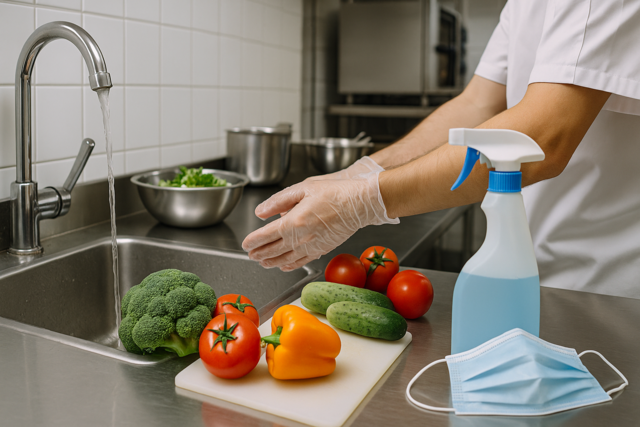
Gloves act as a barrier to keep food safe. Always use clean gloves for different tasks. Change gloves after handling raw meat or switching to ready-to-eat foods. Avoid touching your face or phone while wearing gloves. Never reuse disposable gloves. Gloves do not replace handwashing but add extra protection.
Avoiding Food Contamination
- Keep nails short and clean to prevent dirt buildup.
- Avoid wearing jewelry that can trap bacteria or fall into food.
- Cover cuts or wounds with waterproof bandages.
- Wear clean clothing and hair restraints to stop hair from falling in food.
- Do not cough or sneeze near food; use tissues and wash hands immediately.
Waste Management
Waste management plays a vital role in kitchen sanitation. Proper handling of kitchen waste keeps the area clean and safe. It helps stop the spread of germs and bad smells. Managing waste carefully also supports a healthier home environment.
Effective waste management reduces clutter and prevents contamination of food surfaces. It keeps pests away and makes cleaning easier. Every kitchen must have a clear plan for disposing of waste.
Proper Trash Disposal
Trash should go into covered bins with liners. Use bins that are easy to clean and empty. Separate recyclables from food waste to reduce landfill trash. Empty trash bins daily to avoid odors and bacteria growth. Use gloves when handling trash to protect your hands.
Composting Tips
Composting turns food scraps into nutrient-rich soil. Collect vegetable peels, coffee grounds, and eggshells for compost. Avoid putting meat or dairy in compost to prevent pests. Keep the compost pile moist and turn it regularly. Use compost in your garden to enrich the soil naturally.
Preventing Pest Infestations
Seal food tightly to stop pests from smelling it. Clean spills and crumbs immediately to remove pest food sources. Fix leaks to remove water that pests need. Use mesh screens on windows and doors to block insects. Regularly check trash areas for signs of pests and clean thoroughly.
Safety Tips For Kitchen Sanitation
Maintaining safety during kitchen sanitation protects everyone in the home. Clean kitchens prevent foodborne illnesses and accidents. Following safety tips helps avoid harmful exposure and injuries.
Avoiding Chemical Hazards
Chemicals can harm your skin, eyes, and lungs. Store cleaning products away from food and children. Never mix different chemicals; it creates dangerous gases. Use only the amount needed for cleaning. Always read product labels before use.
Safe Use Of Cleaning Products
Wear gloves and, if needed, masks to avoid irritation. Open windows or use fans for fresh air. Keep cleaning products in their original containers. Rinse surfaces well after cleaning to remove residues. Dispose of empty containers safely according to instructions.
Emergency Precautions
Keep a first aid kit nearby for quick treatment. Know the emergency phone numbers for poison control and medical help. In case of chemical spills, ventilate the area immediately. If chemicals contact skin or eyes, rinse with water for 15 minutes. Seek medical help if symptoms persist.

Credit: www.food-safety.com
Frequently Asked Questions
What Is Kitchen Sanitation And Why Is It Important?
Kitchen sanitation means keeping the kitchen clean and germ-free. It prevents foodborne illnesses and ensures food safety. Proper sanitation protects your health by reducing bacteria, viruses, and pests in food preparation areas.
How Do You Maintain Proper Sanitation In The Kitchen?
Maintain kitchen sanitation by regularly cleaning surfaces, utensils, and appliances. Wash hands frequently and store food properly. Use disinfectants and avoid cross-contamination to ensure a safe cooking environment.
What Are Common Kitchen Sanitation Mistakes To Avoid?
Common mistakes include neglecting hand washing, using dirty sponges, and improper food storage. Avoid cross-contamination by separating raw and cooked foods. Regularly clean refrigerators and trash bins to maintain hygiene.
How Often Should Kitchen Sanitation Be Performed?
Kitchen sanitation should be done daily, especially after food preparation. Clean and disinfect countertops, cutting boards, and sinks regularly. Deep cleaning of appliances and floors should be done weekly to maintain hygiene.
Conclusion
Keeping your kitchen clean helps stop germs from spreading. Clean surfaces and tools make food safer to eat. Washing hands often protects your family’s health. Good kitchen sanitation saves money by preventing illness. Small steps create a big difference every day.
Remember, safe food starts with a clean kitchen. Take care of your space, and enjoy cooking more. Simple habits keep your kitchen fresh and healthy.