
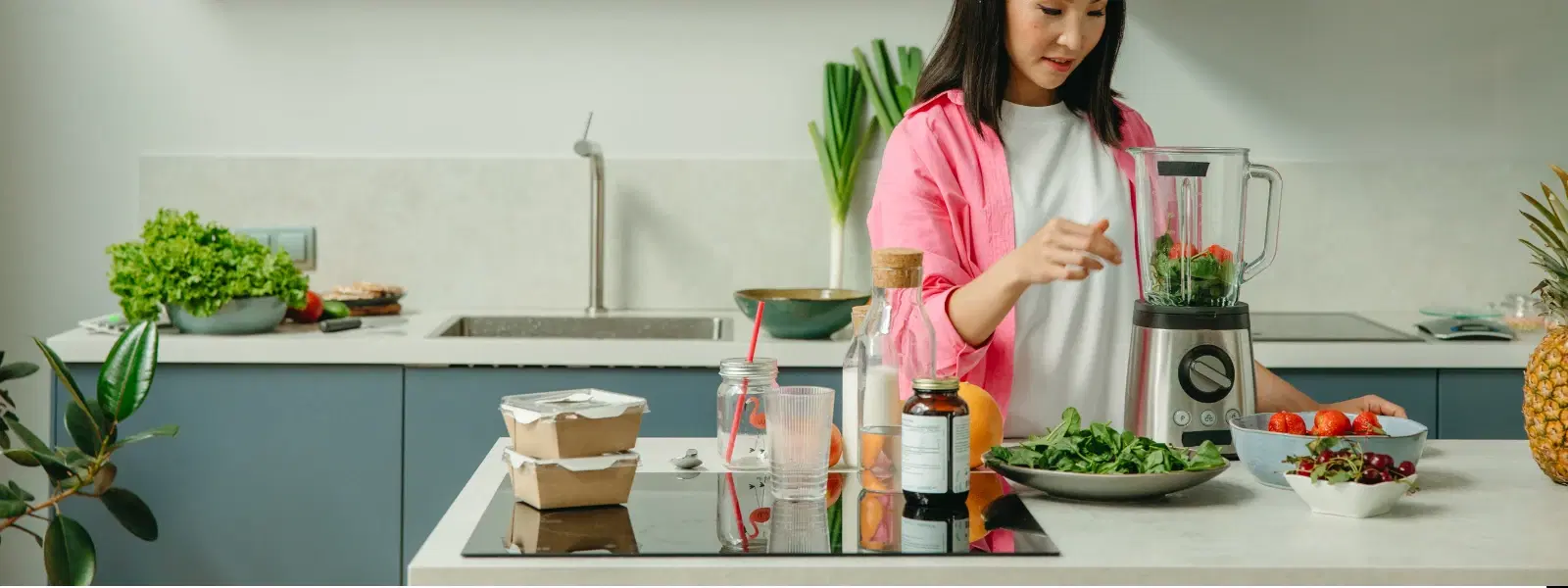
Are you ready to make your kitchen tasks faster and easier? Learning how to use a blender can transform the way you prepare meals and drinks.
Whether you want to whip up a creamy smoothie, chop veggies quickly, or create delicious sauces, your blender is the secret weapon you need. In this guide, you’ll discover simple steps and tips to get the most out of your blender, even if you’ve never used one before.
Keep reading, and you’ll be blending like a pro in no time!
Choosing The Right Blender
Choosing the right blender can completely change your kitchen experience. It’s not just about picking the most powerful model, but finding one that fits your cooking style and daily needs. Think about what you blend most often and how much space you have—these details matter.
Types Of Blenders
There are several types of blenders, each suited for different tasks. Countertop blenders are versatile and handle everything from smoothies to soups. Personal blenders are compact and perfect for single servings or quick shakes.
Immersion blenders let you blend directly in pots or bowls, which saves time and cleanup. High-performance blenders can crush ice and blend tough ingredients smoothly. Ask yourself: what do you blend most? This will guide your choice.
Power And Speed Settings
Blender power is measured in watts and affects how well it handles tough ingredients. For occasional use, a 300-500 watt blender can do the job. If you blend nuts, ice, or fibrous veggies regularly, look for models with 700 watts or more.
Speed settings give you control over texture. Multiple speeds and pulse options help you get the perfect consistency, whether you want chunky salsa or silky soup. Have you checked if the blender’s controls are easy to use? This can make a big difference in daily use.
Capacity And Size
Capacity matters depending on how many people you’re cooking for. Smaller blenders with 20-40 ounces are great for singles or couples. Larger models can hold 64 ounces or more, ideal for families or batch cooking.
Size also affects where you store the blender. If your kitchen is tight on space, a compact design is essential. Think about your countertop and cabinet space before deciding—will your new blender fit comfortably?
Credit: www.youtube.com
Preparing Ingredients
Preparing ingredients correctly is key to using a blender kitchen effectively. Proper preparation helps the blender work smoothly and creates better texture. It also saves time during cooking or baking.
Cutting And Chopping Tips
Cut ingredients into small, even pieces. This helps the blender chop them quickly and evenly. Hard items like carrots or nuts should be chopped into smaller chunks. Softer items like fruits and vegetables can be cut into medium pieces.
Avoid overfilling the blender with large pieces. This can cause uneven blending or damage the blades.
Optimal Ingredient Temperature
Use ingredients at the right temperature for better blending. Cold ingredients blend well for smoothies and frozen drinks. Room temperature items work best for sauces and soups.
Avoid using very hot ingredients in the blender. Heat can cause pressure build-up and spills. Let hot foods cool slightly before blending.
Balancing Liquids And Solids
Add enough liquid to help the blades move freely. Liquids create a smooth flow inside the blender jar. Too little liquid can cause the motor to strain or the mixture to clog.
Start with a small amount of liquid and add more if needed. Balance solid and liquid ingredients for the right texture. This approach prevents dry chunks or overly thin blends.
Blending Techniques
Mastering blending techniques can dramatically improve the results you get from your blender kitchen. Understanding how to control the process allows you to create smoother soups, chunkier salsas, or perfectly creamy smoothies every time. Let’s dive into key blending techniques that can help you take full control of your blender.
Pulse Vs. Continuous Blending
The pulse function gives you short bursts of power. It’s perfect when you want to chop ingredients coarsely or avoid over-blending. Use pulse for nuts, chunky salsa, or when you want to maintain some texture.
Continuous blending runs the motor steadily until you stop it. This is best for smooth purees, creamy soups, or fully blended drinks. Think about how you want your final dish—chunky or smooth—and choose your blending mode accordingly.
Layering Ingredients Correctly
How you add ingredients to the blender jar impacts blending quality. Start by adding liquids first; this helps the blades move freely and reduces air pockets. Next, add soft ingredients followed by harder or frozen items on top.
This layering technique prevents the blender from getting stuck and ensures even blending. Have you noticed your blender struggling or ingredients flying out? Changing the order you add them can make a big difference.
Adjusting Speed For Texture
Different foods need different speeds to get the right texture. Low speeds work well for crushing ice or breaking down fibrous vegetables gently. Higher speeds create smooth and creamy textures by fully emulsifying ingredients.
Try starting slow and gradually increasing the speed. This approach gives you more control and prevents over-processing. What texture do you prefer for your recipes? Adjusting speed lets you customize your blends every time.

Credit: www.yahoo.com
Cleaning And Maintenance
Keeping your blender kitchen clean ensures it works well and lasts longer. Regular cleaning stops food build-up and bad smells. Simple care protects the blades and motor from damage. Follow easy steps to maintain your blender’s performance and hygiene.
Quick Cleaning Hacks
- Fill the blender jar halfway with warm water.
- Add a drop of dish soap.
- Run the blender on low speed for 30 seconds.
- Rinse thoroughly with clean water.
- Wipe the base with a damp cloth.
This quick clean works after every use. It stops stains and food residue from hardening.
Deep Cleaning Process
- Disassemble the blender parts: jar, lid, gasket, and blades.
- Soak parts in warm, soapy water for 15 minutes.
- Use a soft brush to scrub hard-to-reach places.
- Rinse all parts with clean water.
- Dry completely before reassembling.
- Wipe the motor base carefully to avoid water damage.
Perform deep cleaning once a week or after blending sticky ingredients.
Blade Care And Replacement
- Check blades regularly for dullness or rust.
- Do not use blades on hard objects like ice without proper settings.
- Clean blades carefully to avoid injury.
- Replace blades if they are chipped or no longer cut well.
- Use manufacturer-approved replacement parts only.
Proper blade care keeps your blender safe and efficient. Sharp blades blend faster and smoother.
Troubleshooting Common Issues
Blender issues can interrupt kitchen tasks. Understanding common problems helps. This section offers solutions to typical blender issues. Learn to address overheating, uneven blends, and leaks. Keep your blender running smoothly.
Overheating Prevention
Blender motors overheat with excessive use. Let the blender cool between uses. Use shorter blending cycles to prevent overheating. Avoid overloading the blender with too many ingredients. Clean the blades and jar to ensure smooth operation.
Fixing Uneven Blends
Uneven blends frustrate many users. Start with soft ingredients, then add harder ones. Cut ingredients into smaller pieces for even blending. Use the pulse function for tough ingredients. Add liquid to help blend smoothly.
Handling Leaks And Noises
Leaks and noises indicate potential issues. Check the gasket and lid for proper sealing. Tighten all parts to prevent leaks. If noise persists, inspect the blade assembly. Replace worn-out parts to reduce noise.
Creative Recipes To Try
Using your blender in the kitchen opens up a world of creative recipes that go beyond just mixing ingredients. It can help you craft delicious, nutritious dishes quickly and with minimal effort. Here are some exciting ideas to get you started.
Smoothies And Shakes
Blenders are perfect for making smoothies and shakes that fuel your day. Try blending spinach, banana, Greek yogurt, and a splash of almond milk for a green smoothie packed with vitamins. You can also whip up a chocolate protein shake with cocoa powder, protein powder, and frozen berries.
Have you experimented with adding unexpected ingredients like avocado or oats? These add creaminess and keep you full longer. Don’t hesitate to mix flavors—you might discover your new favorite combo.
Soups And Sauces
Your blender can quickly transform cooked vegetables into smooth, comforting soups. Blend roasted tomatoes, garlic, and fresh basil for a vibrant tomato soup. You can also puree steamed carrots and ginger to create a warming carrot soup with a zing.
For sauces, try making a fresh pesto with basil, pine nuts, Parmesan, and olive oil. Blending ingredients this way lets you control the texture and flavor intensity. What flavor profiles do you want to explore in your sauces?
Nut Butters And Dips
Homemade nut butters are surprisingly easy with a powerful blender. Roast your choice of nuts, then blend them until creamy—add a pinch of salt or a drizzle of honey for extra taste. You can make almond, peanut, or even cashew butter this way.
Dips like hummus are also a breeze. Blend chickpeas, tahini, lemon juice, and garlic for a smooth, flavorful dip. Experiment with adding roasted red peppers or spices to keep things interesting. What new dip will you create for your next gathering?

Credit: food52.com
Frequently Asked Questions
How Do I Safely Operate A Blender In The Kitchen?
Always secure the lid tightly before blending. Start at low speed, then increase gradually. Never place hands or utensils inside while running.
What Ingredients Can I Blend In A Kitchen Blender?
You can blend fruits, vegetables, nuts, ice, and liquids. Avoid hard bones or hot liquids to prevent damage or spills.
How Do I Clean My Kitchen Blender Effectively?
Disassemble removable parts and wash them with warm soapy water. Wipe the base with a damp cloth. Dry all parts thoroughly before reassembling.
Can I Use A Blender For Hot Soups?
Yes, but blend in small batches. Allow hot soup to cool slightly and remove the center lid piece to release steam safely.
Conclusion
Using a blender in your kitchen saves time and effort. It makes cooking easier and food preparation faster. You can create smoothies, soups, sauces, and more with ease. Remember to follow safety tips and clean your blender after use. Practice helps you get better and more confident each time.
A good blender adds convenience to daily meals. Start simple and try new recipes often. Enjoy the process and tasty results.