
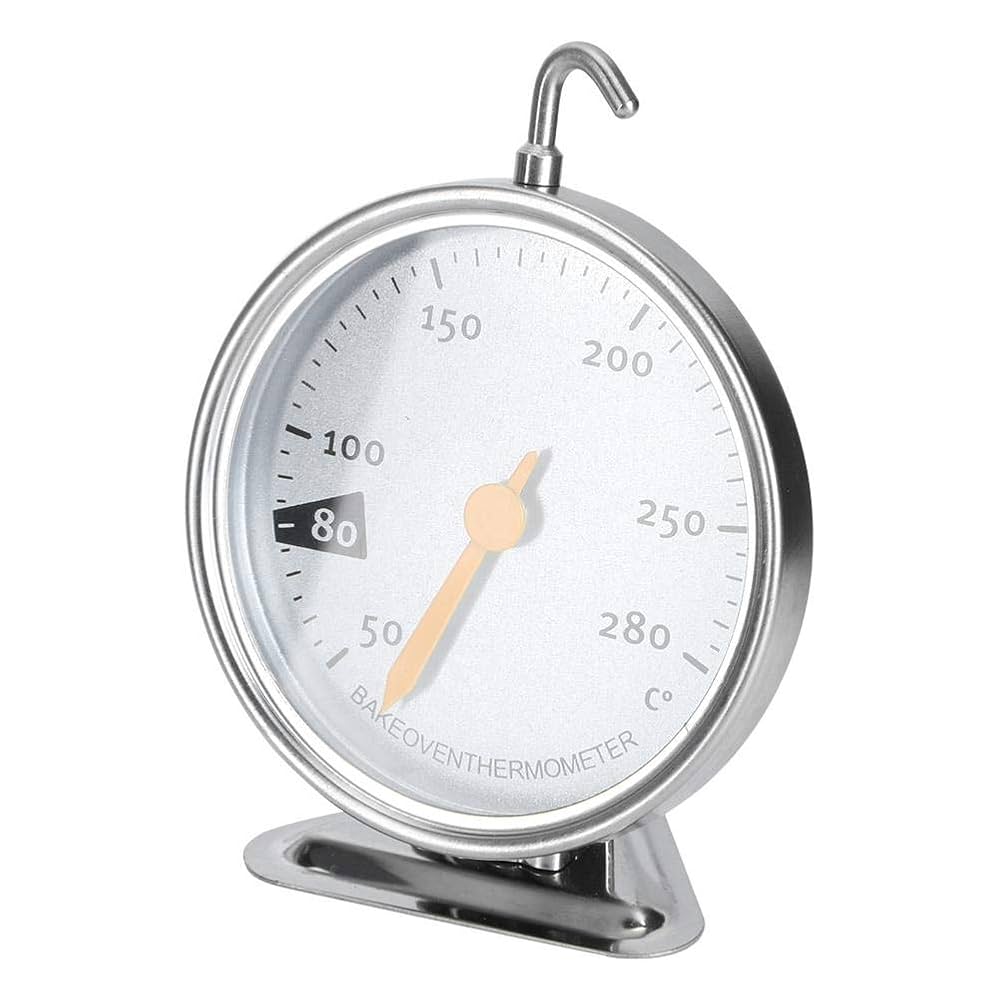
Have you ever wondered why your kitchen oven has a maximum operating temperature of 280°C? Understanding this limit is key to cooking your meals perfectly and keeping your oven safe.
If you push your oven beyond this point, you risk damaging your appliance or ruining your food. You’ll discover why this temperature matters, how it affects your cooking, and what you can do to get the best results every time.
Keep reading to unlock the secrets behind your oven’s heat limits and become a smarter, safer cook.
Max Temperature Limits
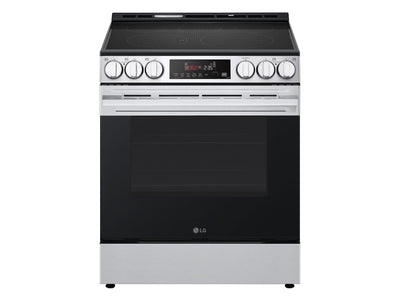
Kitchen ovens have a maximum operating temperature that affects cooking results. Most ovens cap at around 280 degrees Celsius. Understanding this limit helps users cook food properly and safely. It also prevents damage to the oven’s internal parts.
Why 280 Degrees Matters
Ovens set to 280 degrees Celsius reach a high heat suitable for many recipes. This temperature allows quick cooking and browning of food. It is hot enough to bake bread, roast meats, and grill vegetables well.
Using the oven beyond this limit can cause overheating. It may damage heating elements and reduce oven life. Also, food can burn on the outside but stay raw inside at extreme temperatures.
Common Oven Temperature Ranges
- Low heat: 90-150 degrees Celsius, used for slow cooking and warming.
- Medium heat: 150-220 degrees Celsius, suitable for baking cakes and cookies.
- High heat: 220-280 degrees Celsius, ideal for roasting and grilling.
Ovens rarely go above 280 degrees Celsius because of safety and design limits. This range covers most cooking needs in a home kitchen.

Credit: www.amazon.com.au
Safe Cooking Practices
Cooking safely in your kitchen oven means respecting its maximum operating temperature of 280°C. This limit exists to protect both your food and your oven from damage. By following safe cooking practices, you can ensure your meals turn out delicious without risking accidents or equipment wear.
Choosing The Right Cookware
Not all cookware can handle high temperatures. Using pots and pans rated for oven use helps avoid warping or melting. For example, glass and ceramic dishes often have a maximum temperature lower than 280°C, so double-check labels before using them.
Metal cookware like cast iron or stainless steel usually withstands high heat well. I once used a cheap non-stick pan beyond its heat limit, and it released harmful fumes and ruined the coating. Can your cookware safely handle the heat you plan to use?
Avoiding Overheating Foods
Overheating food can cause burning, uneven cooking, and dangerous smoke. Keep an eye on cooking times and temperatures, especially when baking or roasting at the oven's upper limit. Use a timer and don’t leave the oven unattended for long stretches.
Some foods, like sugar and oils, ignite at lower temperatures than 280°C. Knowing your ingredients’ safe temperature zones protects your kitchen from fire hazards. Have you noticed how your oven’s hot spots can make some dishes cook faster? Rotate your trays to distribute heat evenly.
Temperature Monitoring Tools
Keeping a close eye on your oven’s temperature is crucial, especially since most kitchen ovens have a maximum operating temperature of 280°C. Without proper monitoring tools, you risk overcooking or undercooking your dishes. Accurate temperature control helps you cook meals perfectly every time and protects your oven from damage caused by overheating.
Using Oven Thermometers
Oven thermometers are simple, reliable devices that show the actual temperature inside your oven. Many ovens’ built-in temperature settings can be off by 10-20 degrees, so having a dedicated thermometer gives you precise readings.
Place the thermometer in the center of the oven rack for the most accurate results. Check the temperature before and during cooking to adjust your oven settings if needed. This small step can dramatically improve your baking and roasting results.
Smart Oven Features
Modern ovens often come with smart features that help you monitor and control temperature remotely. Some models connect to your smartphone, sending alerts if the oven gets too hot or cools down unexpectedly.
These smart tools let you set custom temperature limits to avoid exceeding the 280°C maximum. Imagine getting a notification that your oven is about to overheat while you’re in another room—this level of control can save your food and your appliance.
Cooking Techniques Within Limits
Ovens with a maximum temperature of 280°C require careful cooking to avoid burning food. Adjust recipes and cooking times to fit this heat limit for best results. Understanding your oven’s temperature helps create tasty meals safely.
Cooking techniques often depend on temperature. A kitchen oven with a maximum temperature of 280 degrees Celsius offers various cooking styles. Despite the limit, you can create delicious meals. Each method has its benefits and unique outcomes. Let's explore how you can make the most of this temperature range.
Slow Roasting And Baking
Slow roasting creates tender and flavorful dishes. Lower temperatures allow flavors to develop. This method is perfect for meats and vegetables. Baking, on the other hand, transforms ingredients into delightful treats. Cakes, cookies, and bread rise beautifully at this temperature. Both techniques ensure even cooking and moist textures.
Broiling Alternatives
Broiling might not be an option, but alternatives exist. Use high heat for quick searing. This technique adds a crispy layer to meats and vegetables. Pan-searing works well for achieving a similar effect. A cast-iron skillet retains heat effectively. It creates a delicious crust without broiling.
Preventing Oven Damage
Ovens are built to handle heat up to a certain limit, usually around 280°C. Pushing beyond this can cause damage to the appliance. Preventing oven damage helps extend its life and keeps it working safely. Simple care and attention can avoid costly repairs.
Cleaning And Maintenance Tips
Keep the oven clean to prevent buildup of grease and food particles. These can catch fire or cause smoke. Use a soft cloth and mild cleaner after the oven cools. Avoid harsh chemicals that might harm the oven’s surface.
- Clean spills immediately to avoid hard stains.
- Check and clean oven racks regularly.
- Replace oven seals if they are cracked or worn.
- Inspect heating elements for damage or wear.
Regular maintenance checks help spot problems early. This keeps the oven working efficiently and safely.
Signs Of Overuse
Overusing the oven or heating it above 280°C can cause problems. Watch for these signs:
- Oven takes longer to heat up.
- Uneven cooking or hot spots.
- Unusual smells or smoke during use.
- Visible cracks or discoloration inside the oven.
- Frequent tripping of the circuit breaker.
Noticing these signs early can prevent further damage. Stop using the oven if these issues appear and get it checked.

Credit: www.tascoappliance.ca
Adjusting Recipes For 280 Max
Adjusting recipes for an oven with a maximum temperature of 280°C requires careful planning. Many recipes call for higher heat, so changes help achieve the best results. Small tweaks keep the texture and flavor intact. Understanding how to modify cooking times and convert temperatures is key.
Modifying Cooking Times
Lowering the oven temperature means cooking takes longer. Watch your food closely to avoid drying out. Start by increasing the cooking time by 10 to 20 percent.
- Check food doneness often after the original time ends.
- Use a timer but be ready to extend cooking if needed.
- Cover dishes with foil to keep moisture during longer cooking.
For baked goods, test with a toothpick or fork to check readiness. For meats, use a meat thermometer for accurate results. Adjust times based on your oven’s performance.
Temperature Conversion Tips
Recipes may list temperatures above 280°C. Convert these to fit your oven’s limit. Lower the temperature and increase cooking time slightly.
| Original Temperature (°C) | Adjusted Temperature (°C) | Notes |
|---|---|---|
| 300 | 280 | Increase time by 10-15% |
| 320 | 280 | Increase time by 15-20% |
| 350 | 280 | Increase time by 25-30% |
Keep notes of your adjustments to improve future cooking. Your oven’s heating style affects how you convert temperatures. Use these tips to maintain your recipe’s taste and texture.
Credit: www.leons.ca
Frequently Asked Questions
What Is The Maximum Temperature Of A Kitchen Oven?
The maximum operating temperature of a kitchen oven is typically 280°C (536°F). This limit ensures safe cooking without damaging oven components.
Why Do Kitchen Ovens Have A Temperature Limit?
Ovens have temperature limits to prevent overheating, which can cause damage and safety hazards. The 280°C max protects the appliance and users.
Can I Cook Food Above 280°c In A Kitchen Oven?
No, most kitchen ovens cannot safely exceed 280°C. Cooking above this can damage the oven and affect food quality.
How Does Oven Temperature Affect Cooking Results?
Oven temperature controls cooking speed and food texture. Staying within the max 280°C ensures even cooking and prevents burning or undercooking.
Conclusion
Knowing your oven’s maximum temperature of 280°C helps you cook safely. It keeps food tasty and avoids damage. Always check the oven’s settings before cooking. This way, you get the best results every time. Use your oven within its limits for long-lasting use.
Cooking becomes easier and more enjoyable this way. Keep these tips in mind for safe, delicious meals.