
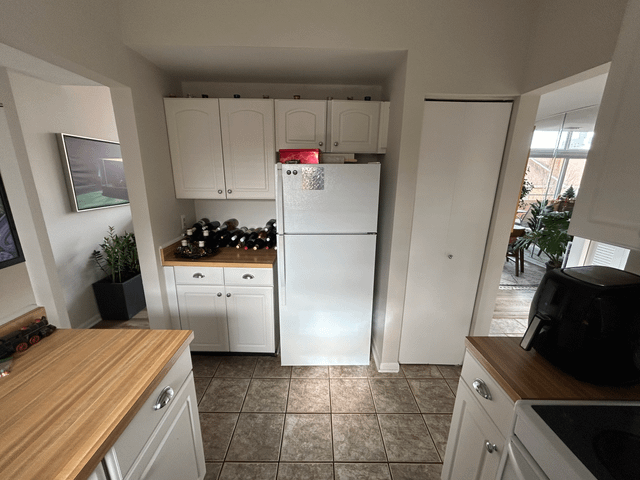
Have you ever paused to wonder if a refrigerator is really a must-have in your kitchen? You might think it’s obvious, but the truth could surprise you.
Whether you’re setting up a new home, downsizing, or just curious about your options, understanding the role of a refrigerator can change how you use your kitchen. Stick with me, and you’ll discover what you truly need to keep your food fresh, save space, and maybe even save money.
Ready to rethink your kitchen essentials? Let’s dive in.

Credit: food52.com
Kitchen Without A Refrigerator
Many kitchens function without a refrigerator. This idea may seem unusual today. Yet, kitchens without fridges have existed for centuries. People adapted to their needs and environments. Food storage methods were different before electricity. Exploring this topic reveals interesting facts about cooking and storage.
Historical Kitchen Setups
Before refrigerators, people stored food using natural methods. Iceboxes kept food cool with blocks of ice. Root cellars were common for vegetables and fruits. Smokehouses preserved meat for long periods. Salt and drying were popular ways to keep food safe. Kitchens were designed around these storage methods. Meals were planned daily to avoid spoilage. This lifestyle required more frequent shopping and cooking.
Modern Alternatives
Modern kitchens without refrigerators use creative solutions. Some rely on cool storage like wine coolers or mini cellars. People use insulated coolers for short-term storage. Fermentation helps preserve vegetables and dairy. Vacuum sealing extends shelf life of many foods. Meal planning focuses on fresh ingredients and quick use. Solar-powered coolers offer options in off-grid homes. These alternatives suit small spaces and simple lifestyles.
Benefits Of Having A Refrigerator
Having a refrigerator in your kitchen offers clear benefits that go beyond just keeping your drinks cold. It plays a key role in maintaining food quality, saving time, and cutting down on waste. Let’s look closely at why a refrigerator is more than just an appliance—it's a practical tool that shapes how you manage your daily meals and groceries.
Food Preservation
A refrigerator slows down the growth of bacteria, keeping your food fresh much longer. You can store perishable items like dairy, meat, and vegetables safely without worrying about quick spoilage. This means you can enjoy your favorite foods without the stress of them going bad overnight.
Imagine buying fresh fruits and having them ready to eat for days instead of rushing to consume them immediately. This preservation not only saves money but also ensures you always have quality ingredients on hand for your meals.
Convenience And Time-saving
Having a fridge means you can plan meals ahead, store leftovers, and avoid daily trips to the grocery store. It gives you the freedom to buy in bulk and store items for later use, saving you valuable time.
Think about those busy evenings when you just need to grab something ready-made or quickly thaw frozen ingredients. Your refrigerator becomes your kitchen assistant, simplifying your cooking routine and freeing up your schedule for other things you enjoy.
Reducing Food Waste
When food lasts longer, you naturally throw away less. A refrigerator helps you keep track of what you have and use it before it spoils. This means less money wasted on groceries that end up in the trash.
Have you ever opened your fridge and found forgotten leftovers? Storing food properly encourages you to use everything you buy, making your kitchen more efficient and eco-friendly. It’s a small change that can make a big difference in your household’s impact.
Alternatives To Refrigeration
Refrigerators are common in kitchens, but they are not the only option for keeping food fresh. Alternatives to refrigeration can work well, especially in small spaces or places without electricity. These options often use natural methods to keep food cool and safe.
Cool Pantries And Root Cellars
Cool pantries and root cellars use underground or shaded spaces to store food. These areas stay cooler than the rest of the house, slowing down food spoilage. Root cellars work best for vegetables like potatoes, carrots, and onions. They need good air circulation and moisture control to keep food fresh longer.
Using Ice Boxes
Ice boxes are simple containers that hold ice to keep food cold. They do not need electricity but require regular ice refills. Ice boxes are portable and good for short-term food storage. They keep perishable foods safe during picnics or power outages.
Preservation Techniques Without Cooling
Food preservation methods can extend shelf life without cooling. Drying removes moisture from food, stopping bacteria growth. Canning seals food in jars to keep it safe for months. Pickling uses vinegar or salt to preserve vegetables and fruits. These methods add variety to food storage options and reduce waste.
Credit: www.kitchenaid.com
Factors To Consider Before Skipping A Refrigerator
Choosing to skip a refrigerator affects food storage and freshness. Consider meal habits, electricity access, and space before deciding. Some kitchens can work without one, but planning is key.
Considering whether to forgo a refrigerator in your kitchen might seem unconventional, but it's a decision that can be influenced by various factors. While the modern kitchen often feels incomplete without a fridge, understanding your unique circumstances can lead to a thoughtful choice. Here are some critical aspects to weigh before deciding.
Lifestyle And Eating Habits
Your lifestyle and eating habits are pivotal in determining your need for a refrigerator. If you're someone who enjoys fresh produce daily and frequently visits local markets, you might manage well without one. Alternatively, if your schedule is hectic, and you rely on storing ready-to-eat meals or leftovers, a fridge could be indispensable. Consider how often you cook and whether your meals require perishable ingredients.
Space And Budget Constraints
A compact kitchen might not have room for a bulky appliance like a refrigerator. In such cases, prioritizing counter space or storage for other essentials could be more beneficial. Budget is another crucial element. Refrigerators can be a significant investment, not only in terms of purchase price but also electricity consumption. Weighing these costs against your usage can guide your decision.
Local Climate Impact
The climate you live in can significantly influence your need for a refrigerator. In warmer regions, preserving food without refrigeration can be challenging due to the risk of spoilage. Conversely, in cooler climates, you might find natural alternatives like utilizing a cellar or outdoor storage during certain seasons. Reflect on how your local climate affects food preservation and whether it aligns with your lifestyle needs. Choosing to skip a refrigerator isn't a one-size-fits-all decision. By examining these factors, you can make a choice that best suits your needs and priorities. How do you envision your kitchen adapting to such a change?
Energy And Environmental Aspects
Choosing to have a refrigerator in your kitchen impacts both energy use and the environment. Refrigerators run all day, using electricity that can add up. Understanding how they consume energy helps make better choices. Also, exploring eco-friendly options can reduce your home's carbon footprint.
Energy Consumption Of Refrigerators
Refrigerators use energy to keep food cold and fresh. They work nonstop, so energy use is steady. Older models often use more electricity than newer ones. Look for energy ratings like ENERGY STAR to find efficient models.
- Modern refrigerators use 20-40% less energy.
- Energy consumption depends on size and features.
- Keeping the fridge full helps save energy.
- Setting the temperature between 37-40°F is ideal.
Energy-efficient refrigerators help lower electricity bills. They also reduce the strain on power plants and cut greenhouse gas emissions.
Eco-friendly Cooling Options
Eco-friendly cooling options offer alternatives to traditional refrigerators. These choices use less energy or different cooling methods.
- Solar-powered refrigerators run on renewable energy.
- Thermoelectric coolers use solid-state cooling technology.
- Absorption refrigerators use heat instead of electricity.
- Mini fridges or coolers consume less power.
Choosing greener cooling options helps protect natural resources. It lowers environmental impact while still keeping food safe and fresh.
Choosing The Right Refrigerator
Choosing the right refrigerator is key to a functional kitchen. It affects food storage, energy use, and kitchen space. Picking a model that fits your needs helps keep food fresh and reduces waste. Consider size, features, and budget carefully. These factors make a big difference in daily use and long-term satisfaction.
Size And Capacity
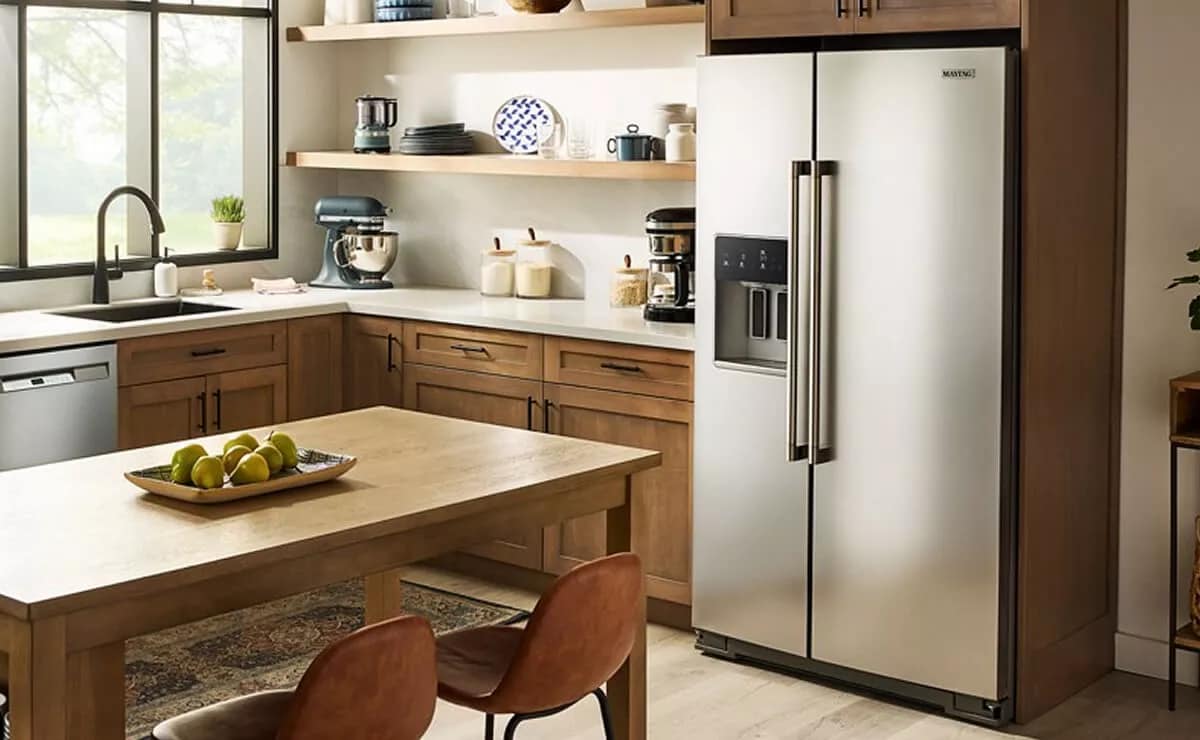
Measure your kitchen space before buying. The fridge should fit without blocking doors or pathways. Capacity depends on household size and eating habits. Small families need less space. Larger families or those who store bulk food need bigger models. Think about how much fresh, frozen, and chilled food you keep.
Features And Technology
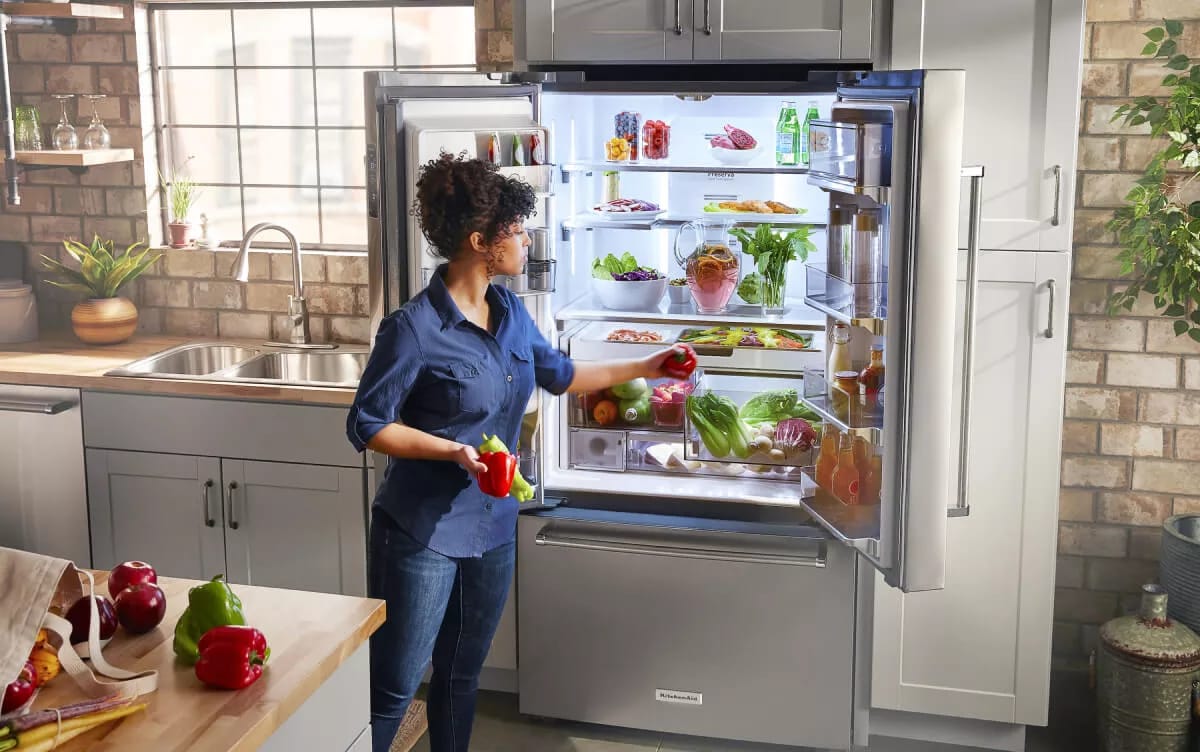
Modern refrigerators offer many useful features. Adjustable shelves help organize different foods. Temperature controls keep items fresh longer. Some models have water and ice dispensers built in. Energy-saving technology lowers electricity bills. Look for smart features like alerts for open doors or filter changes. Choose features that suit your lifestyle and make daily tasks easier.
Budget And Maintenance
Set a budget before shopping. Prices vary widely based on size and features. Consider long-term costs like energy use and repairs. Choose energy-efficient models to save money. Regular cleaning and maintenance extend your fridge’s life. Simple upkeep includes wiping coils and checking seals. A good refrigerator balances cost, performance, and upkeep needs.
Credit: www.maytag.com
Frequently Asked Questions
Do I Really Need A Refrigerator In My Kitchen?
A refrigerator is essential for food safety and preservation. It slows bacterial growth and extends the life of perishables. Without one, fresh foods spoil quickly, increasing waste and health risks. However, small kitchens or minimalists may use alternatives like coolers or frequent shopping.
Can I Use A Mini Fridge Instead Of A Full Refrigerator?
Yes, a mini fridge can replace a full-sized one in small spaces. It keeps essentials cold but offers limited storage. Mini fridges suit single users or dorm rooms but may not meet a family’s needs. Consider your storage and usage before deciding.
What Are Alternatives If I Don’t Want A Refrigerator?
Alternatives include coolers with ice, root cellars, or buying fresh daily. These methods work short-term or in specific climates. They lack the convenience and temperature control of refrigerators, making long-term food storage difficult. Evaluate your lifestyle before skipping a fridge.
How Does Not Having A Refrigerator Affect Kitchen Design?
Without a fridge, kitchen layouts change significantly. You save space and reduce electrical needs but lose cold storage. This affects meal planning and appliance placement. Consider your cooking habits and storage needs when designing a fridge-free kitchen.
Conclusion
A refrigerator often makes kitchen life easier and food last longer. It helps keep drinks cold and meals fresh. Some kitchens might work without one, but most find it very useful. Choosing to have one depends on your needs and lifestyle.
Think about how you store food and what fits your space. A fridge is not always required, but it usually adds convenience. Simple and practical. Your kitchen, your choice.