
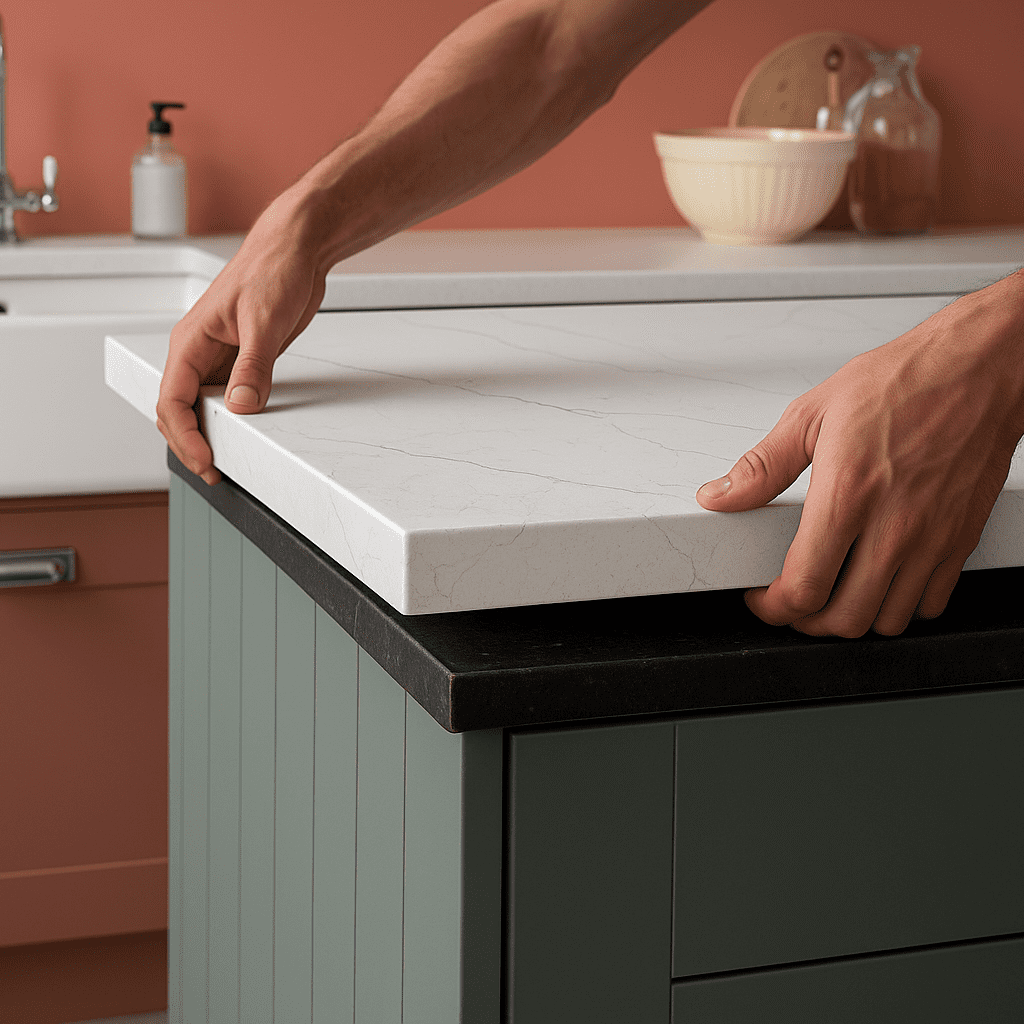
Are your kitchen worktops looking worn out or outdated? You might be wondering, “Can I cover kitchen worktops myself without a full renovation?” The good news is, you don’t have to replace your entire countertop to give your kitchen a fresh, new look.
Whether you want to save money, add style, or protect your surfaces, there are smart and simple ways to cover your worktops. Keep reading to discover easy, practical options that can transform your kitchen quickly and beautifully—without the hassle or expense of a full makeover.
Your dream kitchen update is closer than you think!
Choosing Worktop Covers
Choosing the right cover for your kitchen worktops can change the look and feel of your entire kitchen. You want a cover that fits your style, stands up to daily use, and matches your budget. Understanding the options available makes it easier to pick a cover that works best for you.
Materials To Consider
Worktop covers come in various materials, each with its own pros and cons. Vinyl and laminate are popular for their wide range of colors and patterns. They are easy to install and replace, making them ideal for a quick refresh.
If you want something more natural, wood or bamboo covers bring warmth and texture to your kitchen. Keep in mind that these may need regular sealing to protect against water damage.
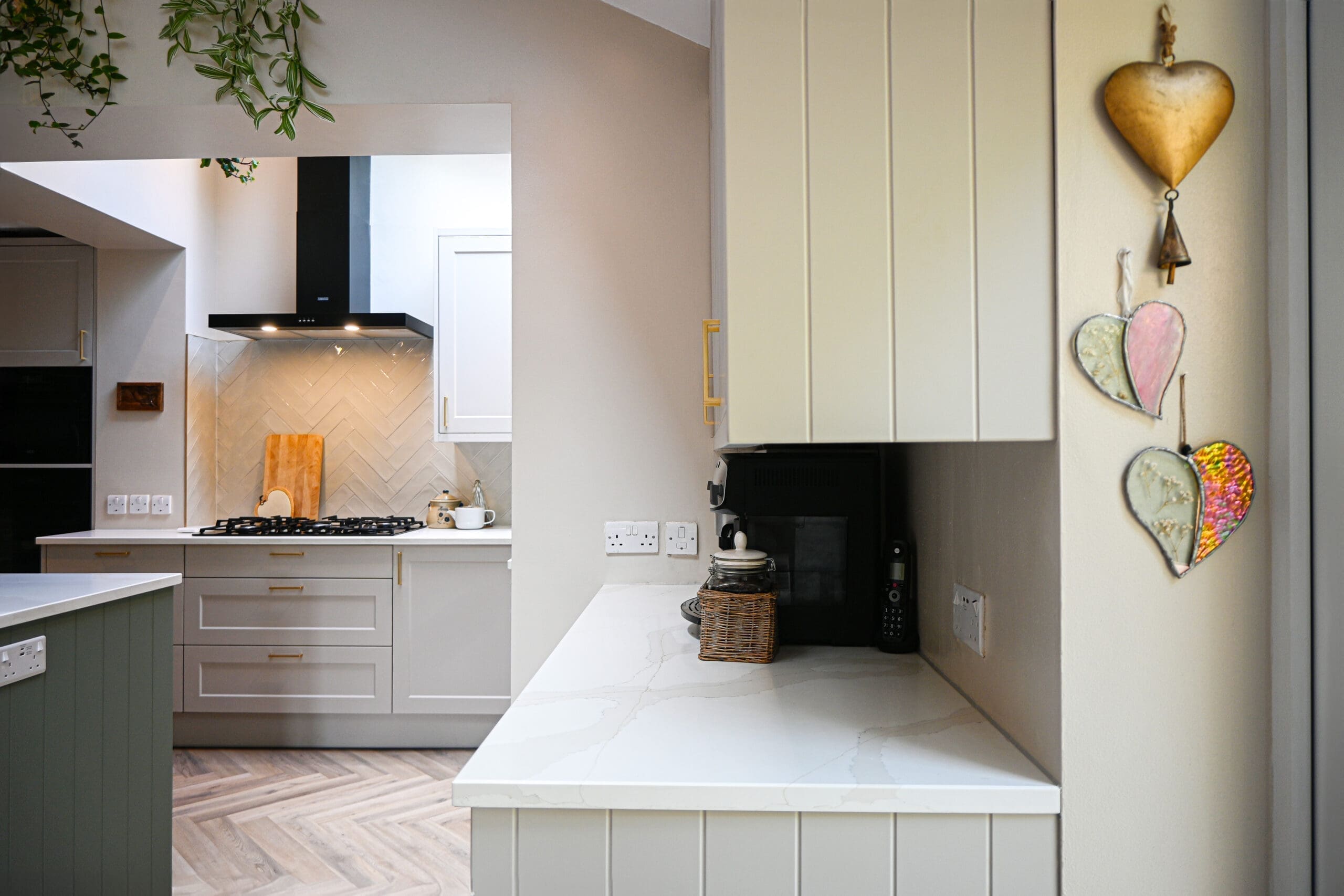
Stone and quartz covers offer a premium look and are highly resistant to heat and scratches. However, they tend to be heavier and more expensive than other options.
Durability And Maintenance
Consider how much wear and tear your kitchen worktops endure daily. Covers like vinyl and laminate are resistant to stains and easy to clean with just a damp cloth. However, they may scratch or peel over time, especially near high-use areas.
Wood covers require more care to prevent water damage and staining. You might need to re-oil or reseal them periodically to maintain their appearance and durability.
Stone and quartz covers are tough and need minimal maintenance. They don’t easily chip or stain, but they can be costly to repair if damaged.
Cost Comparisons
| Material | Average Cost (per square foot) | Installation Complexity |
|---|---|---|
| Vinyl/Laminate | $5 - $15 | Easy, DIY-friendly |
| Wood/Bamboo | $20 - $40 | Moderate, may require professional help |
| Stone/Quartz | $50 - $100+ | Complex, professional installation needed |
Are you ready to balance cost with durability and style? Sometimes spending a little more upfront saves money and hassle later. Think about how long you want the cover to last and how much time you’re willing to spend on upkeep.

Credit: handycrowd.com
Preparing Your Worktop
Preparing your kitchen worktop is a crucial step before covering it. The surface must be clean and smooth for the new covering to stick well. Any dirt, grease, or damage can cause problems later. Taking time to prepare ensures a neat and lasting finish.
Cleaning And Repairing
Start by removing all items from the worktop. Use warm water and a mild detergent to clean the surface thoroughly. Wipe away any grease, food stains, or dust. Check for cracks, chips, or holes on the worktop. Fill small holes with wood filler or appropriate repair paste. Let the filler dry completely before moving on.
Smoothing The Surface
After cleaning and repairing, smooth the surface to create an even base. Lightly sand the worktop using fine-grit sandpaper. This removes any rough patches and old finishes. Wipe the dust away with a damp cloth. A smooth surface helps the covering material stick better and look professional.
Applying Covering Materials
Applying covering materials to kitchen worktops offers a fresh look without the cost of full replacement. It protects surfaces from stains and scratches. Choosing the right material depends on durability, style, and ease of application. Many options suit different budgets and skills. Below are practical ways to cover kitchen worktops effectively.
Using Contact Paper
Contact paper is a budget-friendly option. It comes with adhesive backing for easy stick-on application. Clean the worktop surface thoroughly before applying. Cut the paper to fit the exact size of the worktop. Peel off the backing slowly while smoothing out air bubbles. Use a plastic card to press firmly for a flat finish. Contact paper offers various patterns and colors. It is water-resistant but less durable than other coverings.
Installing Vinyl Wraps
Vinyl wraps create a seamless, modern look. They are thicker than contact paper and offer better durability. Clean and dry the surface before starting. Measure the worktop area and cut vinyl with extra margins. Heat the vinyl gently with a hairdryer to make it more flexible. Press the vinyl onto the surface, smoothing wrinkles as you go. Trim the edges carefully for a neat finish. Vinyl wraps resist water and stains well, ideal for busy kitchens.
Laying Laminate Sheets
Laminate sheets provide a strong and long-lasting cover. These sheets mimic wood, stone, or solid colors. Prepare the worktop by cleaning and sanding rough spots lightly. Cut the laminate to size using a fine-tooth saw or laminate cutter. Apply contact adhesive evenly on both the worktop and laminate sheet. Wait a few minutes for the adhesive to become tacky. Press the laminate firmly onto the surface, starting from one edge. Use a roller to remove air pockets and ensure a tight bond. Laminate sheets require more skill but offer excellent protection and style.
Credit: granite-and-quartz-worktops.co.uk
Finishing Touches
Finishing touches can make a huge difference in how your kitchen worktops look and last over time. They not only enhance the appearance but also protect your investment from everyday wear and tear. Paying attention to these final details ensures your worktops stay beautiful and functional for years.
Sealing Edges
Sealing the edges of your kitchen worktops is crucial to prevent moisture from seeping in. Water can cause swelling or damage, especially with wooden or laminate surfaces. Use a high-quality silicone sealant around the edges to create a waterproof barrier.
Make sure to apply the sealant evenly and wipe away any excess before it dries. This small step can save you from costly repairs down the line. Have you noticed any damp spots on your worktops? It might be time to check the edges!
Adding Protective Coatings
Protective coatings add an extra layer of defense against stains, scratches, and heat. Depending on your worktop material, you can choose from oils, waxes, or specialized sealers. For example, natural stone worktops often benefit from penetrating sealers that maintain their look without altering texture.
Applying these coatings regularly keeps your surface looking fresh and reduces the risk of damage. Don’t forget to follow the product instructions carefully—over-applying can cause buildup and uneven finishes. What’s the last protective product you used on your kitchen surfaces?
Common Mistakes To Avoid
Covering kitchen worktops can transform your space quickly, but skipping key steps can lead to disappointing results. Avoiding common mistakes is crucial to ensure a smooth, durable finish that you’ll be proud of. Let’s look at some pitfalls that could cost you time, money, and effort.
Poor Surface Preparation
One of the biggest errors is not preparing your worktop properly before covering it. Dirt, grease, and old sealants can prevent adhesives or coatings from sticking well. You need to clean the surface thoroughly and sand it lightly to create a good grip.
Ignoring cracks or chips can also cause the cover to wear out quickly. Filling these imperfections first helps create a smooth and even base. Have you ever tried painting over a dusty surface? The paint peels off quickly, right? The same principle applies here.
Incorrect Measurements
Measuring your worktops accurately is essential. A small mistake can leave gaps or cause overlaps that look unprofessional. Use a tape measure and write down the exact dimensions before buying your covering material.
Remember to measure corners, edges, and any cutouts for sinks or cooktops. Double-check your numbers—mistakes here can lead to wasted materials and extra costs. How confident are you in your measurements? Taking the time to get it right saves headaches later.
Rushing The Application
Applying your chosen cover too quickly often results in bubbles, wrinkles, or uneven adhesion. Patience is key. Work slowly, smoothing out the material as you go to avoid trapped air pockets.
Follow the product instructions carefully, especially regarding drying or curing times. Skipping these steps can cause the cover to peel or crack prematurely. Have you ever rushed a job only to redo it later? Taking your time upfront pays off.
Maintaining Covered Worktops
Covering kitchen worktops protects them from stains and scratches. Regular cleaning with mild soap keeps the surface looking fresh and new. Avoid harsh chemicals to maintain the cover’s quality and durability.
Maintaining covered worktops ensures they look great and last longer. Proper care helps prevent damage and keeps surfaces hygienic. Here are some practical tips for maintaining your kitchen worktops.
Cleaning Tips
Regular cleaning keeps worktops spotless. Use a mild detergent and warm water. Wipe the surface with a soft cloth or sponge. Rinse thoroughly to remove soap residues. Dry the surface with a clean towel. Avoid using abrasive cleaners or scouring pads. They can scratch or dull the surface.
Repairing Minor Damage
Minor damage can occur over time. Fix small scratches with a color-matched repair kit. Fill chips with a filler that matches the worktop color. Sand gently with fine sandpaper for a smooth finish. Apply a sealant to protect the repaired area. Regular checks help spot issues early. Repair promptly to prevent further damage.
When To Replace Instead
Deciding whether to cover or replace kitchen worktops depends on their condition. Covering can hide minor flaws and refresh the look. Replacement suits deeper problems that covering cannot fix.
Knowing when to replace saves money and avoids constant repairs. Some damages are too severe to cover effectively. Understanding these signs helps make a better choice for your kitchen.
Signs Of Irreparable Damage
- Large cracks that go through the surface
- Deep burns or permanent stains
- Warped or uneven surfaces
- Water damage causing swelling or rot
- Loose or broken edges
- Structural instability affecting support
These problems affect the worktop’s durability and safety. Covering such damage often leads to more issues later.
Cost Vs. Benefit Analysis
Replacing worktops involves higher upfront costs. Covering is usually cheaper but may need frequent fixes.
| Factor | Covering | Replacing |
|---|---|---|
| Initial Cost | Lower | Higher |
| Longevity | Short to medium term | Long term |
| Appearance | May hide flaws | New and flawless |
| Maintenance | More frequent | Less frequent |
Consider how long you plan to keep the worktop. Replacing often adds value and peace of mind. Covering suits temporary or budget-friendly solutions.

Credit: koliqi.co.uk
Frequently Asked Questions
Can I Cover Kitchen Worktops With Adhesive Film?
Yes, adhesive film is a popular option for covering kitchen worktops. It is affordable, easy to apply, and comes in various designs. However, it may not last long in high-use areas and can peel or bubble over time.
What Materials Are Best For Covering Kitchen Worktops?
Laminate, vinyl, and solid surface overlays are ideal for covering worktops. They offer durability, water resistance, and easy maintenance. Choose materials that match your kitchen style and daily usage needs for the best results.
Is Covering Kitchen Worktops Cost-effective?
Covering kitchen worktops is generally cheaper than replacement. It refreshes the look without major renovations. However, the longevity depends on the material and installation quality, so consider durability before deciding.
Can I Cover Kitchen Worktops Myself?
Yes, many covering options like adhesive films and laminates are DIY-friendly. Proper surface preparation and careful application are crucial for a smooth finish. For complex materials, professional help ensures a better outcome.
Conclusion
Covering kitchen worktops can refresh your space without major costs. Choose materials that fit your style and budget. Proper prep and care help the cover last longer. Think about how much use your kitchen gets daily. A good cover protects and looks nice too.
Small changes can make your kitchen feel new again. Try it yourself or ask for help if needed. Enjoy your updated kitchen with a fresh, clean look.