
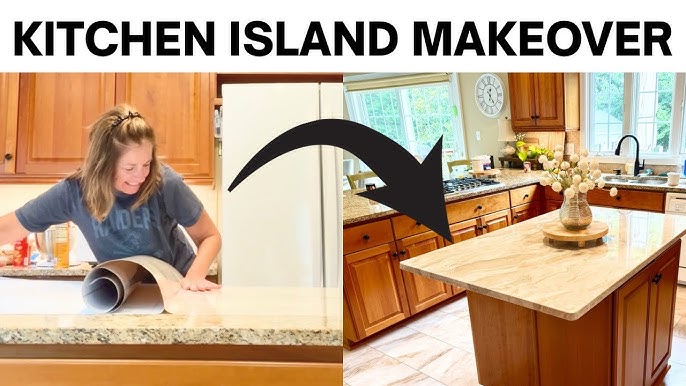
Are your kitchen cabinets looking worn out or outdated? You might be wondering if there’s a quick and affordable way to give them a fresh new look without a full renovation.
That’s where Conta comes in. But can you really cover your kitchen cabinets with Conta, and will it hold up well? You’ll discover the truth about using Conta for your cabinets, what to expect, and how to make your kitchen transformation a success.
Keep reading to find out if this solution is right for you!
Credit: www.extraspace.com
What Is Conta?
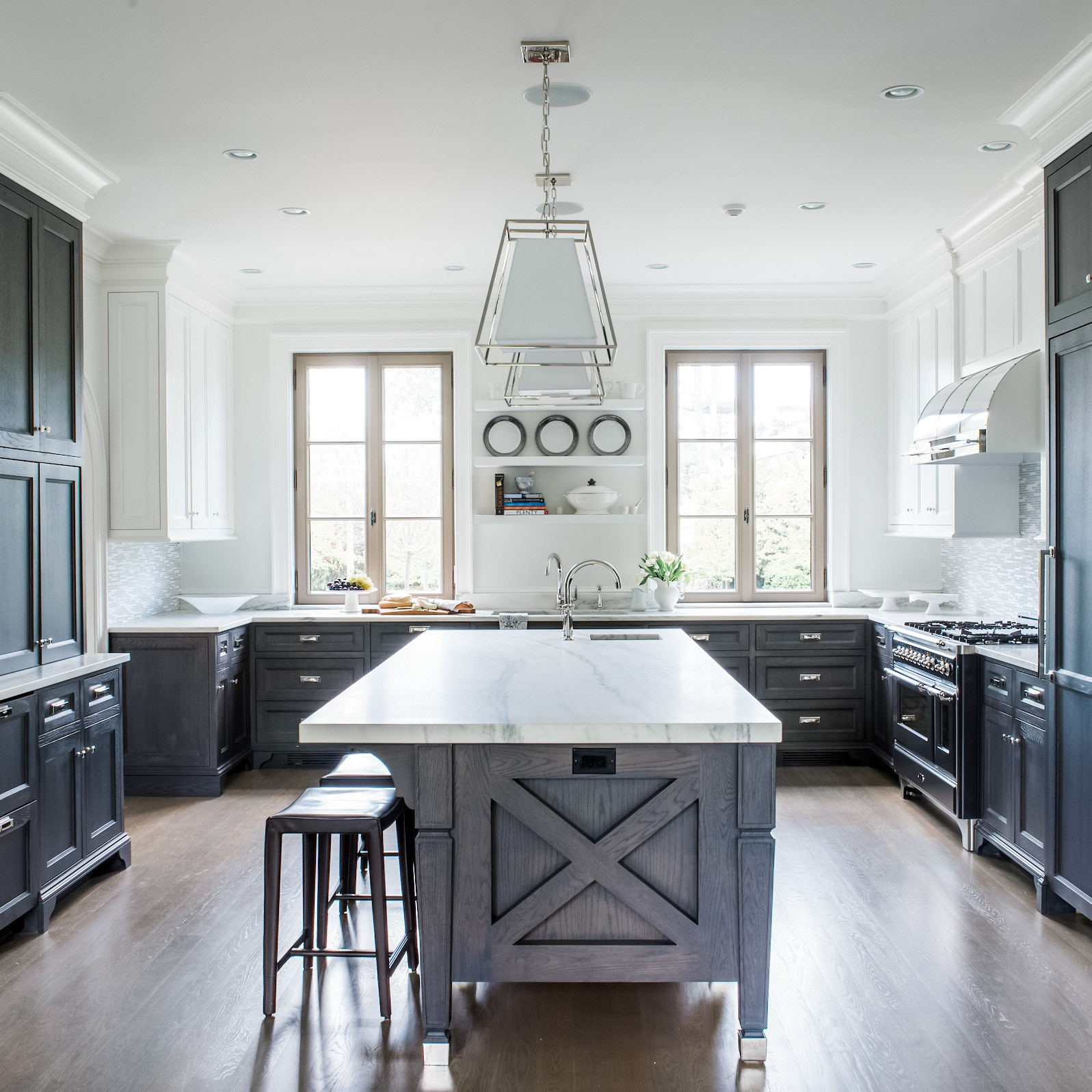
If you're considering updating your kitchen cabinets, you might have come across the term "Conta." But what exactly is Conta, and why is it becoming popular for kitchen makeovers? Understanding Conta can help you decide if it's the right choice for covering your cabinets, offering a fresh look without the hassle of a full replacement.
Material Properties
Conta is a type of synthetic material known for its durability and smooth finish. It typically combines elements like resin and fiber, making it resistant to moisture and scratches. This makes Conta ideal for kitchen environments where spills and wear are common.
The surface of Conta is non-porous, which means it doesn't absorb liquids easily. This feature helps prevent stains and makes cleaning your cabinets simple and quick. Additionally, Conta can come in various colors and textures, giving you plenty of options to match your kitchen style.
Common Uses
Conta is widely used in furniture and cabinetry, especially where a sleek, modern look is desired. Many homeowners choose Conta to cover old or damaged cabinet surfaces without replacing the entire unit.
It’s also popular in commercial kitchens and bathrooms because of its easy maintenance and resistance to harsh cleaning chemicals. If you want to update your kitchen cabinets with minimal effort but maximum impact, Conta might be the practical solution you’re looking for.
Suitability For Kitchen Cabinets
Considering Conta for your kitchen cabinets means looking closely at how it performs in daily kitchen conditions. Your cabinets face challenges like moisture, heat, and constant handling. Understanding Conta’s suitability can help you decide if it’s the right choice for a lasting and stylish upgrade.
Durability And Strength
Conta offers a solid surface that can handle everyday wear and tear. It resists scratches and dents better than many traditional materials. If you’ve ever struggled with chipped paint or peeling veneer, you’ll appreciate Conta’s toughness.
Still, keep in mind that no surface is completely indestructible. Sharp impacts or heavy force might cause damage. But for regular kitchen use, Conta stands up well and keeps your cabinets looking fresh for longer.
Moisture Resistance
Kitchens are prone to spills and humidity, which can ruin wood cabinets quickly. Conta’s moisture resistance is one of its strongest points. It won’t warp or swell when exposed to water, unlike untreated wood.
This means you can clean your cabinets easily without worrying about water damage. Still, it’s smart to wipe spills promptly. Moisture resistance doesn’t mean waterproof—taking care helps Conta last even longer.
Heat Tolerance
Heat near stoves and ovens is a constant challenge for kitchen cabinetry. Conta can withstand moderate heat without discoloring or deforming. It’s a step up from laminate or paint that might bubble or fade.
However, placing hot pots or pans directly on Conta surfaces is not recommended. Using trivets or heat pads protects your cabinets and maintains their appearance. Would you want to risk ruining your kitchen’s look with careless heat exposure?
Preparation Before Application
Preparing kitchen cabinets before applying Conta ensures a smooth, lasting finish. It helps the material stick well and look neat. Proper preparation saves time and avoids problems later.
Cleaning And Sanding Cabinets
Start by cleaning the cabinet surfaces. Remove dirt, grease, and dust with a mild cleaner and a cloth. Dry the cabinets completely to prevent moisture issues.
Next, sand the cabinet surfaces lightly using fine-grit sandpaper. Sanding creates a rough texture for better adhesion. Focus on any glossy or shiny areas to dull the finish.
Wipe off sanding dust with a damp cloth. Make sure the surface feels smooth but not slippery.
Measuring And Cutting Conta
Measure each cabinet door and panel carefully. Use a tape measure to get exact dimensions. Write down the measurements to avoid mistakes.
Transfer the measurements onto the Conta material. Use a pencil or marker for clear lines. Cut the Conta using a sharp utility knife or scissors.
Cut slightly larger pieces than the cabinet surfaces. This allows trimming for a perfect fit during installation.
Credit: nextdaycabinets.com
Step-by-step Installation Guide
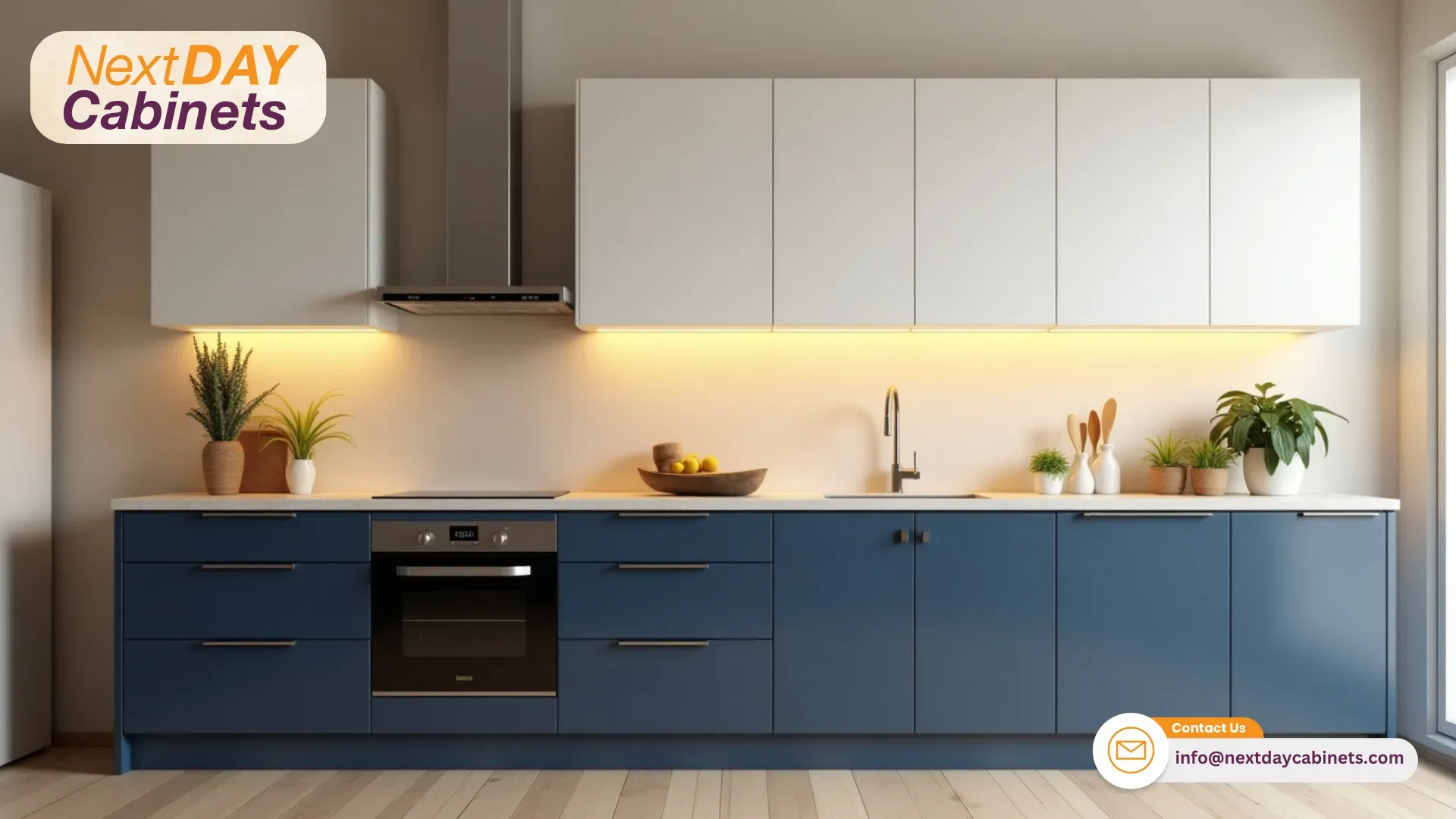
Covering kitchen cabinets with Conta panels can give your space a fresh look. The process is simple and quick. Follow this step-by-step guide to install Conta panels easily and securely.
Tools Needed
- Measuring tape
- Utility knife or saw
- Adhesive suitable for wood or laminate
- Caulking gun (for adhesive application)
- Clamps or heavy objects
- Cleaning cloth
- Sandpaper (optional)
Applying Adhesive
Start with clean, dry cabinet surfaces. Wipe them with a cloth to remove dust and grease. Cut the Conta panels to fit your cabinet doors and frames. Apply adhesive evenly on the back of the panel using a caulking gun. Focus on edges and center areas for strong hold. Avoid applying too much adhesive to prevent mess. Let the adhesive become tacky for a few minutes before attaching.
Attaching Conta Panels
Place the panel carefully over the cabinet surface. Press firmly to ensure full contact. Use clamps or place heavy objects on the panel to hold it tight. Keep pressure for at least 30 minutes or as per adhesive instructions. Check edges to make sure they stick well. Clean any excess adhesive immediately with a damp cloth. Let the adhesive cure fully before using cabinets.
Maintenance And Care Tips
Maintaining your kitchen cabinets covered with contact paper requires a bit of attention but pays off with lasting beauty. Proper care keeps the surface looking fresh and prevents peeling or discoloration. Let’s dive into practical tips that can help you extend the life of your cabinet makeover.
Cleaning Techniques
Use a soft cloth or sponge with warm, soapy water to clean your contact-covered cabinets. Avoid abrasive scrubbers that can scratch the surface or lift the edges. For stubborn stains, a gentle mixture of baking soda and water works well without damaging the finish.
Wipe spills immediately to prevent stains and water damage. Regularly dusting with a microfiber cloth keeps grime from building up. Have you noticed how small daily habits can make a big difference in upkeep?
Preventing Damage
Protect your cabinets from heat and moisture, as these elements can cause the contact paper to peel or bubble. Use door stoppers to avoid knocks and scrapes from pots or utensils. Also, be mindful when using sharp objects nearby—accidental scratches can be tough to fix.
Consider applying a clear sealant over the contact paper for extra durability, especially in high-traffic kitchens. This small step can save you from frequent replacements. What’s the one damage you worry about the most in your kitchen?
Alternatives To Conta For Cabinets
Updating kitchen cabinets can transform your space without a full renovation. While Conta is popular, there are other options worth exploring. These alternatives offer unique styles and durability. Let's dive into some practical choices for revamping your cabinets.
Vinyl Wraps
Vinyl wraps are a flexible and affordable solution. They come in various colors and patterns. You can mimic wood, stone, or even metal finishes. This material is easy to clean and maintain. Installation is straightforward with peel-and-stick application. It's also easy to remove or replace, providing versatility.
Paint And Laminate Options
Paint offers endless color possibilities. Choose a durable paint for kitchen environments. High-gloss or semi-gloss finishes work well. They resist moisture and stains. Laminate options provide a sleek and modern look. They are available in many textures and colors. Both paint and laminate can freshen up old cabinets effectively.
Cost And Time Considerations
Considering the cost and time before covering your kitchen cabinets with contact paper is crucial. It helps you avoid unexpected expenses and project delays. Knowing what to expect allows you to plan better and stay stress-free during the makeover.
Budgeting For Materials
Contact paper itself is often affordable, but the total cost depends on the quality and quantity you need. Higher-quality contact paper lasts longer and looks better, but it costs more upfront. Don't forget to budget for tools like a utility knife, smoothing tool, and possibly a primer if your cabinets need extra prep.
Think about the size of your kitchen and how many rolls you'll require. Many people underestimate this and end up buying more later, which can increase your costs. Have you measured your cabinets carefully? Accurate measurements can save you money and avoid waste.
Estimated Installation Time
The time to cover your cabinets depends on your experience and the cabinet design. Flat surfaces take less time, while textured or paneled cabinets require more patience. On average, expect to spend several hours to a full day on the project for a standard kitchen.
Rushing the application can cause bubbles and wrinkles, so plan for breaks and careful work. If you’ve tried this before, you know how a smooth finish demands focus. Can you dedicate enough uninterrupted time to get the best results?
Credit: nextdaycabinets.com
Common Mistakes To Avoid
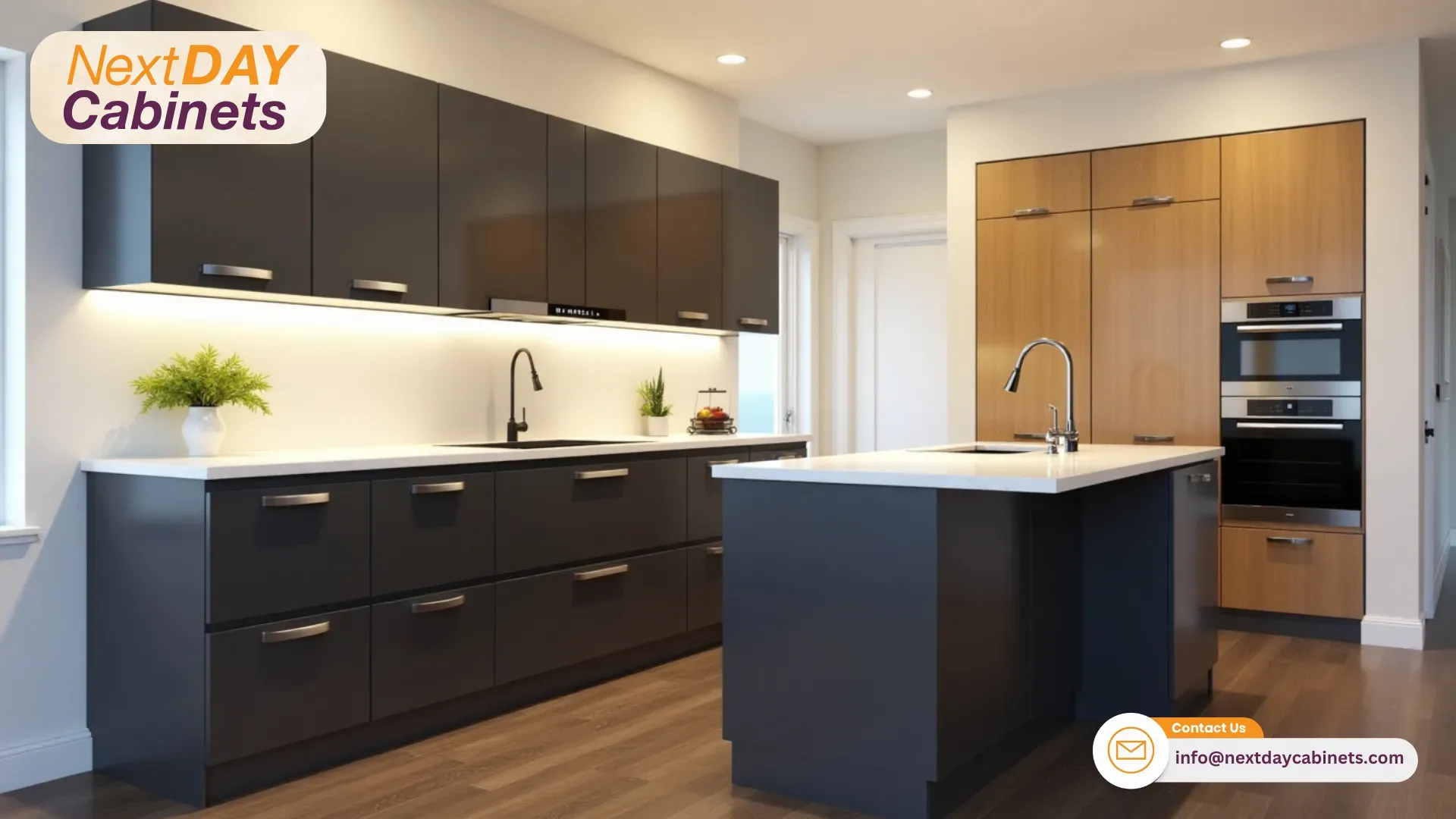
Covering kitchen cabinets with contact paper is a popular and affordable way to refresh your kitchen. Many make simple mistakes that cause poor results. Avoid these errors to get a smooth, lasting finish.
Incorrect Measurements
Measuring cabinets wrong leads to wasted material and bad fit. Cut pieces too small, and edges will show. Too large, and paper wrinkles or bubbles form.
Use a tape measure and write down each cabinet’s width and height. Double-check measurements before cutting. Cut slightly larger pieces to allow for trimming after application.
Poor Adhesion Problems
Contact paper sticks best on clean, dry surfaces. Dirt, grease, or moisture stops it from sticking well. This causes peeling or lifting after a short time.
Clean cabinets with mild soap and water. Let them dry fully before applying paper. Press paper firmly, using a squeegee or credit card to remove air bubbles.
Frequently Asked Questions
Can I Cover Kitchen Cabinets With Contact Paper?
Yes, you can cover kitchen cabinets with contact paper. It's an affordable way to refresh their look without painting or replacing.
Is Contact Paper Durable For Kitchen Cabinets?
Contact paper is moderately durable but may peel with moisture or heavy use. Choose high-quality, water-resistant options for better longevity.
How To Prepare Cabinets Before Applying Contact Paper?
Clean cabinets thoroughly, remove grease, and dry completely. Sand rough surfaces lightly for better contact paper adhesion and smoother finish.
Can Contact Paper Withstand Kitchen Heat And Humidity?
Contact paper can handle moderate heat and humidity, but avoid direct contact with hot appliances or steam to prevent peeling.
Conclusion
Covering kitchen cabinets with contact paper offers a quick refresh. It saves money and time compared to full replacements. Choose a design that fits your style and room colors. Apply carefully to avoid bubbles and wrinkles for a smooth look.
Remember, this solution works well for a short to medium term fix. Regular cleaning keeps your cabinets looking fresh and neat. This simple update can brighten your kitchen without much hassle. Try it and see how your space changes with little effort.