
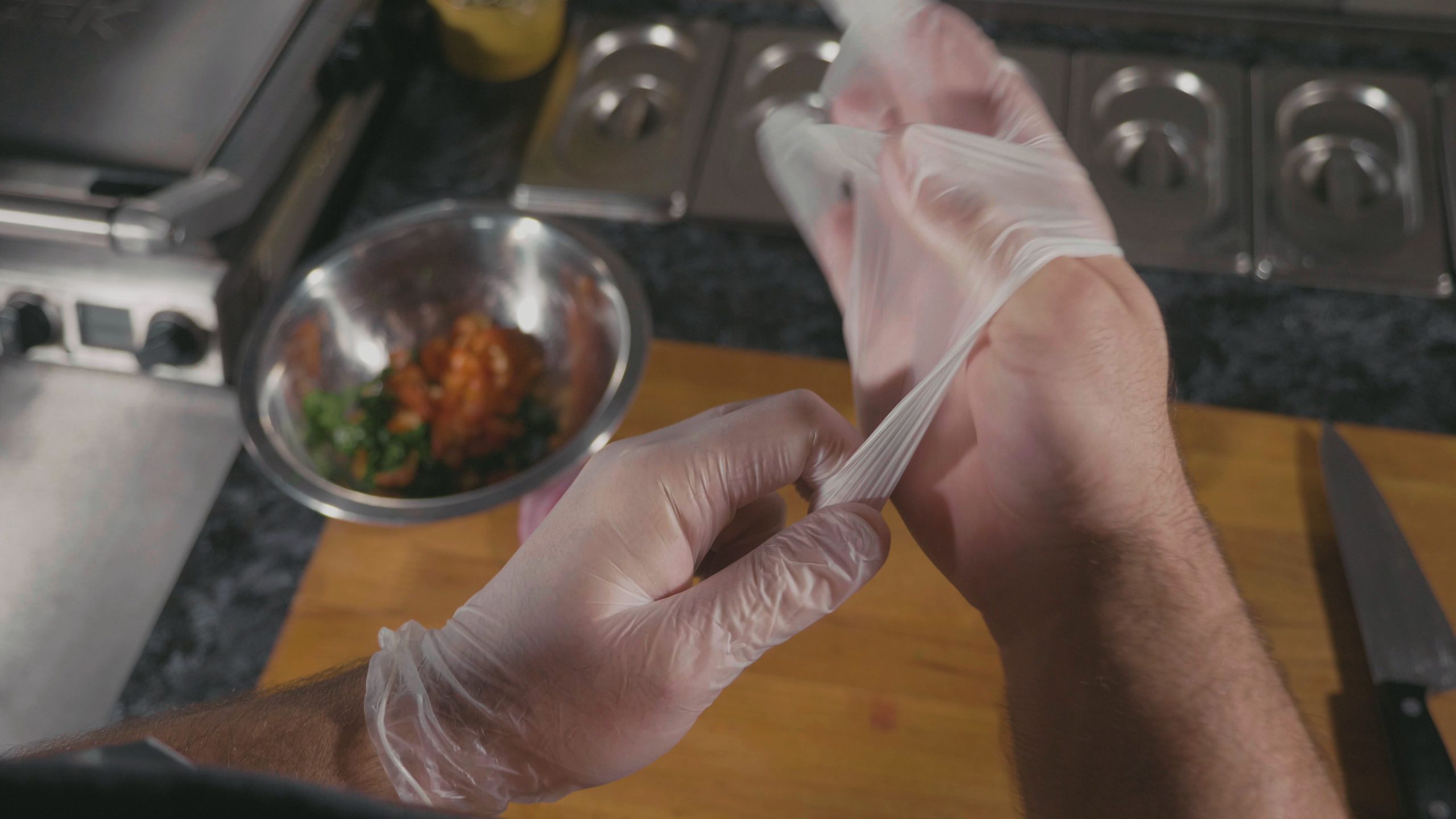
Before you slip on your kitchen gloves, there are a few important steps you shouldn’t overlook. These simple actions can protect your hands, keep your food safe, and make your cooking experience smoother.
If you want to avoid common mistakes that many people make, keep reading. Knowing exactly what to do before putting on your kitchen gloves will save you time and prevent problems you might not even realize are happening. Ready to discover the secrets to using kitchen gloves the right way?
Let’s dive in.

Credit: food52.com
Choose The Right Gloves
Choosing the right kitchen gloves is key to safety and comfort. Gloves protect hands from heat, cuts, and chemicals. The wrong gloves can cause discomfort or even harm. Focus on material, fit, and allergy issues before wearing gloves.
Material Types
Kitchen gloves come in various materials, each with unique benefits:
- Latex:Flexible and comfortable but may cause allergies.
- Nitrile:Durable and chemical-resistant, good for sensitive skin.
- Vinyl:Affordable and suitable for light tasks.
- Rubber:Strong grip and water-resistant, ideal for wet tasks.
- Silicone:Heat-resistant, perfect for handling hot pots.
Proper Fit
Gloves must fit snugly without being too tight. Tight gloves restrict movement and cause hand fatigue. Loose gloves reduce grip and increase accidents. Check finger length and palm width for the best fit. Try gloves on before buying to ensure comfort.
Allergy Considerations
Allergies to glove materials can cause skin irritation or rashes. Latex allergies are common and can be severe. Choose hypoallergenic options like nitrile or vinyl to avoid reactions. Always test gloves on a small skin area first. Replace gloves immediately if irritation occurs.
Clean Your Hands Thoroughly
Before putting on kitchen gloves, cleaning your hands thoroughly is crucial. Gloves can trap bacteria and dirt against your skin if your hands are not properly cleaned first. Taking a few extra moments to wash and dry your hands correctly makes a big difference in maintaining hygiene and preventing cross-contamination while cooking.
Washing Techniques
Start by rinsing your hands with warm water to loosen any dirt. Apply enough soap to cover all surfaces, including the backs of your hands, between fingers, and under nails.
Scrub for at least 20 seconds—singing a short song in your head can help you keep track. Don’t rush; thorough scrubbing removes grease and germs more effectively.
Rinse well under running water to wash away all soap and contaminants. Have you ever skipped proper scrubbing and noticed residue on your gloves? It’s a clear sign that washing matters.
Drying Methods
Dry your hands completely before putting on gloves. Moisture can cause gloves to slip or tear, reducing their effectiveness.
Use a clean towel or disposable paper towels to pat your hands dry gently. Avoid using a shared cloth towel, as it can harbor bacteria and defeat the purpose of handwashing.
If you’re in a rush, air dryers can work but might not dry as thoroughly. How often do you check if your hands are truly dry before gloving up? It’s a small step with big impact.
Inspect Gloves For Damage
Inspecting gloves for damage is a crucial step before wearing them in the kitchen. Gloves protect your hands from heat, chemicals, and germs. Any damage reduces their effectiveness and risks contamination or injury. Taking a moment to check gloves helps maintain hygiene and safety.
Check For Tears And Holes
Look closely at the glove surface. Small tears or holes can let bacteria or liquids pass through. Stretch the gloves gently to see if any weak spots appear. Avoid using gloves with visible damage. Damaged gloves do not provide full protection.
Examine For Contaminants
Check gloves for dirt, dust, or grease before putting them on. Contaminants on gloves can transfer to food or surfaces. Use clean gloves only. If gloves have any stains or residues, discard them and pick a new pair.

Credit: www.saraglove.com
Prepare Your Work Area
Clear your workspace of dirt and clutter before wearing kitchen gloves. Wash your hands thoroughly to ensure cleanliness and prevent contamination. Arrange all tools nearby to avoid unnecessary movement while cooking.
Preparing your work area before donning kitchen gloves is essential for both efficiency and hygiene. A well-organized and sanitized space not only makes cooking more enjoyable but also ensures safety. Dive into these crucial steps to ready your kitchen for action.
Sanitize Surfaces
Start by giving your countertops a thorough clean. Use a disinfectant spray or a solution of water and vinegar to wipe down all surfaces. This step is crucial to prevent cross-contamination and keep your food safe. Don't forget the small areas like the handles of your refrigerator and cabinets. These spots often harbor germs. A simple wipe can make a big difference in maintaining a hygienic environment.
Organize Tools And Ingredients
Gather all the tools and ingredients you'll need for your cooking session. Place them within easy reach to avoid unnecessary trips across the kitchen. This not only saves time but also helps maintain focus on the task at hand. Consider arranging your tools in the order of use. Having a clear sequence can streamline your workflow and reduce stress. Is there a specific tool you always struggle to find? Make it a priority to place it prominently. By taking these steps, you create a safer, more efficient kitchen space. Your focus shifts from searching for tools to crafting delicious meals. What's your favorite kitchen organization trick?
Remove Jewelry And Accessories
Before slipping on your kitchen gloves, take a moment to remove any jewelry or accessories. Rings, bracelets, and watches might seem harmless, but they can cause unexpected problems while you work. This simple action protects both your hands and your kitchen tasks.
Why It Matters
Jewelry can create tiny gaps under your gloves where bacteria can hide. These hidden spots make cleaning and food safety harder to maintain. Have you ever noticed how gloves sometimes tear or catch on rings? That’s not just annoying—it can expose your skin to harmful substances.
Plus, metals and stones can react with cleaning chemicals, damaging your accessories or irritating your skin. Removing jewelry also helps gloves fit better, giving you more control and preventing accidents in the kitchen. Isn’t it worth a few seconds to avoid a glove tear or skin irritation?
Safe Storage Tips
Once you take off your rings or bracelets, find a safe spot to keep them. Avoid placing them on kitchen counters where they can get lost or dirty. Instead, use a small dish or a dedicated box close to your workspace.
- Choose a clean, dry container to avoid moisture damage.
- Label the spot if you share your kitchen to keep things organized.
- Consider a small tray with compartments if you have multiple items.
Keeping your jewelry safe lets you focus on cooking without worrying about losing or damaging your favorite pieces. What’s your go-to spot for storing jewelry during kitchen work?
Ensure Hands Are Dry
Before you slip on your kitchen gloves, taking a moment to ensure your hands are dry is crucial. Moisture can create a barrier that reduces glove effectiveness and comfort. It’s a small step that can save you from frustration and even prevent contamination.
Importance Of Dry Hands
Wet hands can cause gloves to stick or slip, making it hard to handle utensils or food safely. Moisture trapped inside gloves creates a breeding ground for bacteria, defeating the purpose of wearing them in the first place. Have you ever felt your gloves bunch up or tear easily? That’s often because your hands weren’t dry enough.
Dry hands also improve the fit of gloves, allowing you better control and precision. This is especially important when handling sharp knives or delicate ingredients. Think about how much smoother your cooking process could be with gloves that fit well and stay in place.
Methods To Achieve Dryness
- Use a clean towel:Pat your hands dry thoroughly after washing. Avoid rubbing vigorously, which can irritate your skin.
- Air dry:Let your hands air dry for a minute if you’re not in a rush. This can remove any lingering dampness that towels might miss.
- Use a hand dryer:If you have one nearby, a quick blast of warm air can dry your hands completely.
- Apply a little powder:If your hands tend to sweat, a small amount of cornstarch or baby powder can keep them dry before putting on gloves.
Try these methods next time you prepare to wear kitchen gloves. Notice the difference in comfort and glove performance. Could this simple habit improve your cooking hygiene and safety?
:max_bytes(150000):strip_icc()/9ThingsYouShouldCleaninYourKitchenEveryWeek-28c9ca430069452181b75b201c65d16e.jpg)
Credit: www.eatingwell.com
Frequently Asked Questions
Why Clean Hands Before Wearing Kitchen Gloves?
Cleaning hands removes dirt and germs, ensuring gloves stay sanitary. It prevents contamination and maintains food safety standards in the kitchen.
How To Choose The Right Kitchen Gloves?
Select gloves based on material, size, and purpose. Ensure they fit well and are suitable for food handling or cleaning tasks.
Should Gloves Be Dry Before Putting Them On?
Yes, gloves should be dry to avoid slipping and ensure a secure fit. Moisture can harbor bacteria and reduce glove effectiveness.
Can Damaged Gloves Still Protect Your Hands?
No, damaged gloves can expose your skin to contaminants. Always inspect gloves for tears or holes before use and replace if needed.
Conclusion
Clean hands first. Check gloves for holes or tears. Choose the right glove size. Keep nails trimmed to avoid damage. Dry hands well before wearing gloves. These small steps help protect your skin. They also keep food safe and clean.
Taking time before wearing gloves matters. It keeps your kitchen work smooth and safe. Remember, good habits make a big difference. Simple actions lead to better hygiene every day.