
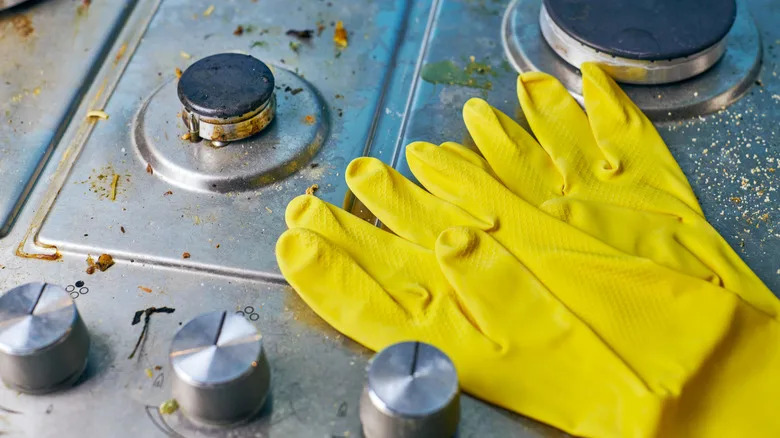
Have you ever wondered if you can use kitchen gloves for a Fifi? If you’re dealing with delicate tasks or handling something special, choosing the right gloves matters more than you think.
Using the wrong gloves might cost you comfort, safety, or even the success of your task. Keep reading to discover the surprising truth about kitchen gloves and why they may or may not be the best fit for your Fifi needs.
You’ll learn practical tips that can save you time and protect your hands better than you imagined.
Types Of Kitchen Gloves
Kitchen gloves come in many types, each designed for specific tasks. Choosing the right glove makes cooking safer and easier. The main differences lie in the material, heat resistance, and waterproof features. Understanding these helps pick the best glove for your needs.
Material Variations
Kitchen gloves are made from various materials. Common ones include silicone, rubber, cotton, and leather. Silicone gloves offer flexibility and grip. Rubber gloves protect against chemicals and water. Cotton gloves are soft and breathable but less protective. Leather gloves provide durability and heat resistance.
Heat Resistance Levels
Heat resistance varies widely among gloves. Some are designed for light heat, like handling warm dishes. Others withstand high temperatures, ideal for grilling or baking. Silicone gloves usually handle heat well. Cotton gloves may have heat-resistant lining but less protection overall. Check the glove’s heat rating before use.
Waterproof Features
Waterproof gloves keep hands dry during washing or handling liquids. Rubber and silicone gloves are naturally waterproof. Cotton gloves absorb water and dry slowly. Waterproof gloves also prevent slipping, improving safety. Choose gloves with good waterproofing for wet kitchen tasks.
What Is A Fifi?
A fifi is a tool used in fire safety and firefighting. It is designed to control and extinguish small fires quickly. Fifi devices are common in homes, offices, and vehicles for emergency fire response. Understanding what a fifi is helps decide if kitchen gloves suit its use.
Purpose And Use
A fifi's main job is to put out small fires fast. It sprays water or foam to stop flames from spreading. People use it near kitchens, electrical panels, or gas leaks. It is easy to carry and operate, making it handy for quick fire control.
Common Materials
Fifis are made from strong, heat-resistant materials. Common parts include:
- Metal body to hold pressure
- Plastic or rubber nozzles for directing spray
- Valves and handles for control
- Some have foam or powder inside
These materials ensure the device works under heat and pressure safely.
Safety Requirements
Using a fifi requires care and proper safety gear. Gloves must protect hands from heat and chemicals. Eye protection is also important. The fifi should be checked regularly for damage or leaks. Always follow instructions to avoid accidents.
Comparing Kitchen Gloves And Fifi Needs
When deciding if kitchen gloves can meet your Fifi needs, it's important to compare their features closely. Both serve protective functions but are designed with different tasks in mind. Understanding their differences helps you choose the right glove for your specific activity.
Heat Protection Differences
Kitchen gloves usually provide heat resistance suited for short bursts, like grabbing a hot pan or handling warm dishes. However, Fifi gloves often need to withstand higher temperatures for longer periods, such as working near open flames or hot machinery.
Think about the maximum temperature your task demands. If you’re pulling something out of the oven, kitchen gloves might be enough. But if your Fifi work involves constant exposure to heat, kitchen gloves may fall short and risk burns.
Grip And Dexterity
Kitchen gloves are designed to give you a good grip on slippery or greasy cookware. They often feature textured surfaces to prevent slips. However, Fifi tasks might require more precise finger movements, and bulkier kitchen gloves could limit your dexterity.
Ask yourself: do you need fine control or just general protection? For detailed work, gloves with better finger sensitivity and a snug fit are better. Kitchen gloves might feel too loose or thick for these needs.
Durability Factors
Kitchen gloves are made for occasional use with food and moderate wear. They may tear or degrade quickly when exposed to harsh chemicals or abrasive materials common in Fifi environments. Conversely, Fifi gloves are built to last through tougher conditions.
Consider how often and in what conditions you’ll use the gloves. If you need long-lasting protection in rough settings, kitchen gloves could disappoint you. Investing in gloves designed for your specific Fifi tasks can save money and frustration over time.
Risks Of Using Kitchen Gloves For A Fifi
Using kitchen gloves for a fifi may seem convenient. Yet, it carries several risks that could affect safety and performance. Understanding these risks helps you make informed decisions.
Potential Safety Hazards
Kitchen gloves are not designed for intimate use. They may cause irritation or allergic reactions. Chemicals in the material might be harmful to sensitive areas. Improper fit can lead to discomfort or injury. These hazards pose significant risks to personal safety.
Material Limitations
Most kitchen gloves are made from latex or rubber. These materials can tear easily under pressure. They lack the durability needed for a fifi. The material might not hold up against friction. This could lead to failure during use.
Impact On Performance
The design of kitchen gloves affects performance. They might not provide the desired sensation. The thickness of the gloves can dull sensitivity. This could result in an unsatisfactory experience. Performance is crucial for a fifi, and kitchen gloves fall short.
When Kitchen Gloves Can Work
Using kitchen gloves for a Fifi might seem unusual, but there are moments when they actually make sense. Knowing exactly when these gloves can help you protects your hands without risking damage or discomfort. Let’s look at situations where kitchen gloves can be a practical choice.
Light-duty Tasks
Kitchen gloves work well for light tasks like washing dishes or handling mildly hot items. They protect your skin from detergents and prevent burns from warm plates or pans. If you’re peeling vegetables or slicing soft fruits, gloves keep your hands clean and safe without restricting movement.
Have you ever tried to wash greasy pans without any protection? Gloves can save your skin from harsh chemicals and slipping hazards. Just remember, they aren’t made for heavy-duty heat or sharp knives.
Temporary Solutions
Sometimes, kitchen gloves serve as a quick fix when you don’t have specialized gear on hand. If you need to grab a hot dish briefly or handle a slippery bottle, putting on gloves can improve grip and provide a bit of heat resistance. They’re also handy when you want to avoid cross-contamination during meal prep.
Think about those moments when you’re rushing in the kitchen and don’t want to waste time finding oven mitts. Gloves can bridge the gap—but only for short periods. If you regularly face higher heat, investing in proper gloves is smarter.
Choosing The Right Gloves
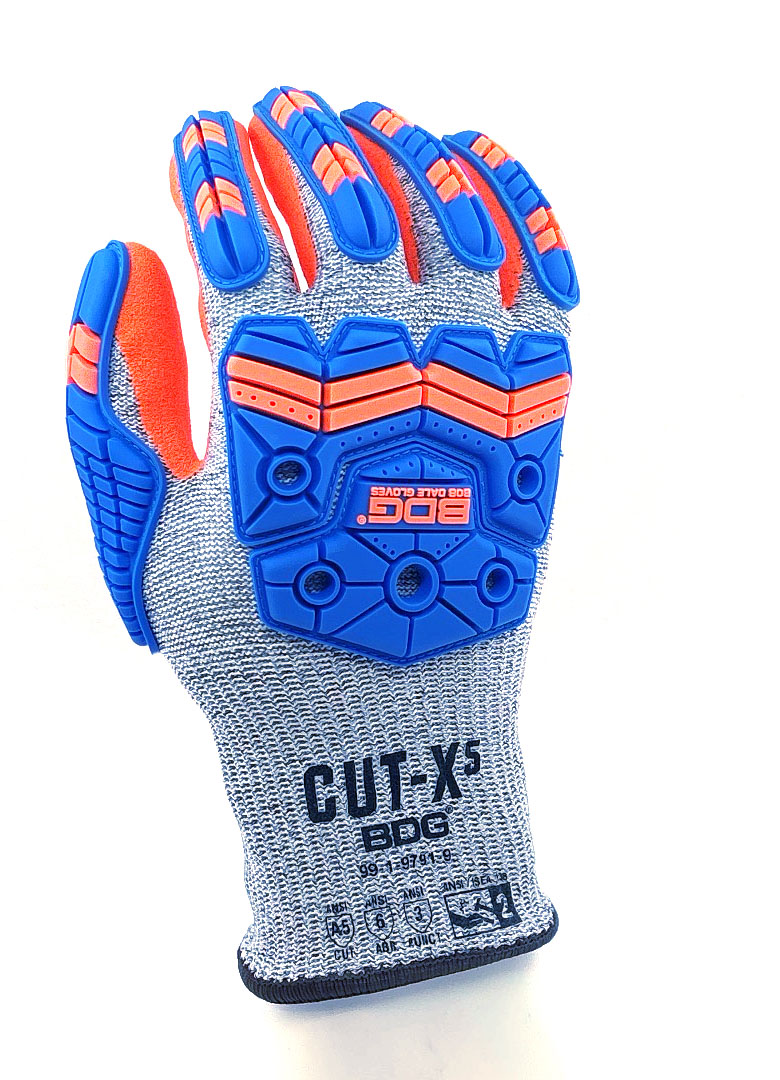
Not all kitchen gloves are created equal. Look for gloves made of heat-resistant materials like silicone or thick rubber if you want to protect against warmth. For handling food safely, opt for gloves labeled food-safe and powder-free to avoid allergies and contamination.
Ask yourself: Are you aiming to protect from heat, chemicals, or bacteria? Answering this helps you pick gloves that actually fit your needs. The right gloves improve comfort and safety, making your kitchen tasks smoother and less risky.
Credit: www.bobdalegloves.com
Alternatives To Kitchen Gloves For Fifi Use
If you’re considering using gloves for Fifi care but find kitchen gloves unsuitable, there are several alternatives to explore. These options can offer better protection, comfort, and functionality depending on your specific needs. Let’s look at some practical choices beyond kitchen gloves.
Specialized Gloves
Specialized gloves designed for pet grooming or medical use often provide better dexterity and protection than kitchen gloves. They are usually made from materials that resist punctures and bites, which is crucial when handling a nervous or fidgety Fifi.
Some gloves feature textured surfaces to improve grip, helping you maintain control without hurting your pet. Have you tried gloves with built-in claw covers or reinforced fingertips? These can make a big difference in safety and ease of use.
Protective Gear Options
Besides gloves, other protective gear can safeguard your hands and arms during Fifi’s care routine. Arm guards or sleeves made from thick fabric or leather can prevent scratches, especially if your pet tends to scratch or wriggle a lot.
Face shields or goggles might also be useful if you’re trimming fur or nails and want to avoid unexpected scratches near your eyes. Think about the tasks that cause the most trouble and choose gear that addresses those specific risks.
Diy Solutions
If you prefer a budget-friendly or customized approach, DIY solutions can be surprisingly effective. For instance, doubling up on cotton gloves with a layer of tape or rubber bands can add extra protection without sacrificing flexibility.
You might also repurpose old sports gear like batting gloves or gardening gloves, which are often sturdier than kitchen gloves. What materials do you have at home that could be adapted? Sometimes a simple tweak can create the perfect protective barrier.
Maintenance And Care Tips
Keeping your kitchen gloves in good shape is key to getting the best use out of them, especially if you’re considering using them for a Fifi. Proper maintenance not only extends their life but also ensures they remain safe and hygienic to use. Let’s dive into some practical tips on cleaning, storing, and knowing when it’s time to replace your gloves.
Cleaning Methods
Cleaning kitchen gloves is simpler than you might think. After each use, rinse them thoroughly with warm water to remove food particles and oils. For deeper cleaning, use mild soap and gently scrub the gloves inside and out.
Avoid harsh chemicals or bleach, as these can break down the material quickly. Let the gloves air dry completely before storing to prevent mold or bacteria growth. Have you noticed how gloves that aren’t dried properly start smelling? That’s a clear sign you need to change your drying habits.
Storage Advice
Store your gloves in a cool, dry place away from direct sunlight. Heat and UV rays can degrade the material, making gloves brittle over time. Avoid tossing them into cluttered drawers where they can get punctured or stretched.
Consider hanging them or placing them on a clean hook to keep their shape intact. Keeping gloves separate from sharp objects reduces the risk of accidental tears, which can be frustrating when you’re in the middle of cooking or cleaning.
When To Replace Gloves
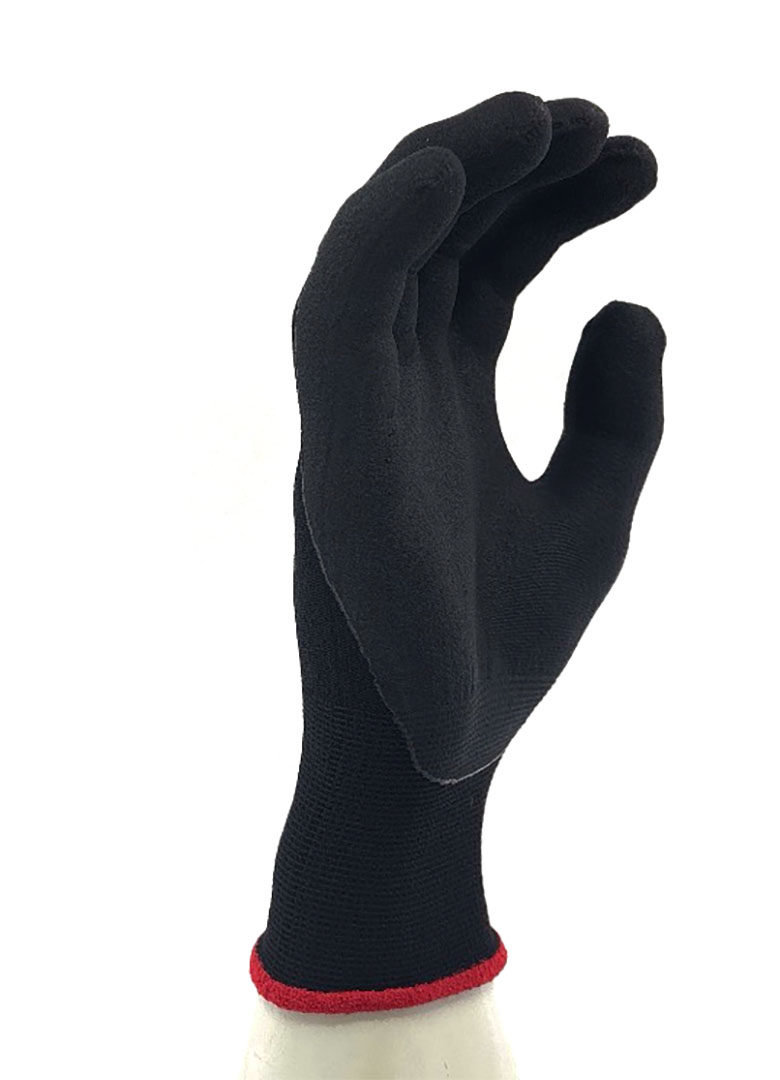
Knowing when to replace your gloves can save you from unexpected accidents. Look out for cracks, holes, or thinning areas that compromise protection. If gloves feel sticky or have a strong, unpleasant odor even after cleaning, it’s time to get a new pair.
Using worn-out gloves for a Fifi could lead to burns or cuts, defeating their purpose entirely. How often do you check your gloves for damage? Making it a habit can keep your hands safer and your kitchen tasks smoother.
Credit: www.bobdalegloves.com

Credit: detectamet.ca
Frequently Asked Questions
Can Kitchen Gloves Protect Your Hands During A Fifi?
Yes, kitchen gloves can provide basic protection during a fifi. They shield against dirt and minor irritants but may not offer full safety from sharp tools or chemicals used.
Are Kitchen Gloves Suitable For Handling Fifi Tools?
Kitchen gloves are not ideal for handling fifi tools. They lack the durability and grip needed for sharp or heavy tools, increasing the risk of injury or accidents.
What Types Of Gloves Are Best For A Fifi?
The best gloves for a fifi are heavy-duty work gloves. They offer better grip, durability, and protection against cuts, punctures, and other hazards compared to kitchen gloves.
Can Kitchen Gloves Prevent Allergic Reactions During A Fifi?
Kitchen gloves may reduce skin contact with allergens but are not foolproof. Specialized gloves designed for allergies provide better protection against irritants during a fifi.
Conclusion
Kitchen gloves can help protect your hands during a Fifi. They provide grip and keep your hands clean. Not all gloves are the same, so choose the right type. Avoid thin gloves that tear easily or thick ones that reduce feeling.
Comfort matters a lot when working with small tools. Keep your gloves dry and replace them if damaged. Using gloves correctly makes your task safer and easier. Try different gloves to find what works best for you. Safety and comfort should guide your choice every time.